AI Library

AI Library

Books for Reading AI

Choose a book, then read it in order from the table of contents.

37 Concrete Codex Use Cases cover

Book-style reading

37 Concrete Codex Use Cases

Kim Kyung-jin

From morning briefings to agent swarms: 37 real-world workflow automations

This guide gathers 37 ways to connect Codex and AI agents to real work: personal routines, data processing, marketing, sales, documents, development, and browser control.

Share

2026 Beijing: The Dangerous Dance of Two Giants book cover

16 posts available

2026 Beijing: The Dangerous Dance of Two Giants

Kim Kyung-jin

Table of Contents, Introduction, 13 Chapters, Epilogue

This book reads the Beijing summit through Hormuz, rare earths, Taiwan, Boeing, soybeans, AI chips, and Korea’s exposure to the U.S.-China bargain.

Share

Leaving It to AI and Stepping Away cover

27 posts

Leaving It to AI and Stepping Away

Kim Kyung-jin

A Complete Beginner’s Guide to YOLO Mode. Table of contents and 26 chapters

A beginner-friendly online book on YOLO mode in Claude Code and Codex. It explains how to let AI read files, write code, run commands, and finish work while keeping rollback, Docker sandboxing, and safety checks close at hand.

Share

Artificial Intelligence Fighter, Artificial Intelligence Air Force book cover

43 posts available

Artificial Intelligence Fighter, Artificial Intelligence Air Force

Kim Kyung-jin

Table of Contents, Preface, 40 Chapters, Epilogue

Artificial Intelligence Fighter, Artificial Intelligence Air Force is an online AI Library book by Kim Kyung-jin. It covers AI fighters, autonomous air power, unmanned combat aircraft, CCA, MUM-T, sixth-generation fighters and is organized as Table of Contents, Preface, 40 Chapters, Epilogue.

Share

Artificial Intelligence on Trial book cover

26 posts available

Artificial Intelligence on Trial

Attorney Kyungjin Kim

Table of Contents, Preface, 21 Chapters, 3 Appendices

Artificial Intelligence on Trial is an online AI Library book by Attorney Kyungjin Kim. It covers artificial intelligence and law, AI liability, algorithmic judgment, courts and technology and is organized as Table of Contents, Preface, 21 Chapters, 3 Appendices.

Share

PALANTIR book cover

16 posts available

PALANTIR: War, Surveillance, Artificial Intelligence

Attorney Kyungjin Kim

Table of Contents, Preface, 14 Chapters

PALANTIR: War, Surveillance, Artificial Intelligence is an online AI Library book by Attorney Kyungjin Kim. It covers Palantir, war, surveillance, artificial intelligence, data analytics, national security and is organized as Table of Contents, Preface, 14 Chapters.

Share

Brain Readers: Neuralink and the Final Human Revolution book cover

21 posts available

Brain Readers: Neuralink and the Final Human Revolution

Kim Kyung-jin

Table of Contents, Prologue, 18 Chapters, Epilogue

Brain Readers: Neuralink and the Final Human Revolution is an online AI Library book by Kim Kyung-jin. It follows Neuralink, brain-computer interfaces, brain data, medicine, neurorights, and the future of human enhancement.

Share

Artificial Intelligence and the Reshaping of Society book cover

16 posts available

Artificial Intelligence and the Reshaping of Society

Kim Kyung-jin

Table of Contents, Preface, 13 Chapters, Epilogue

Artificial Intelligence and the Reshaping of Society is an online AI Library book by Kim Kyung-jin. It follows how artificial intelligence changes work, education, inequality, cities, democracy, and human relationships.

Share

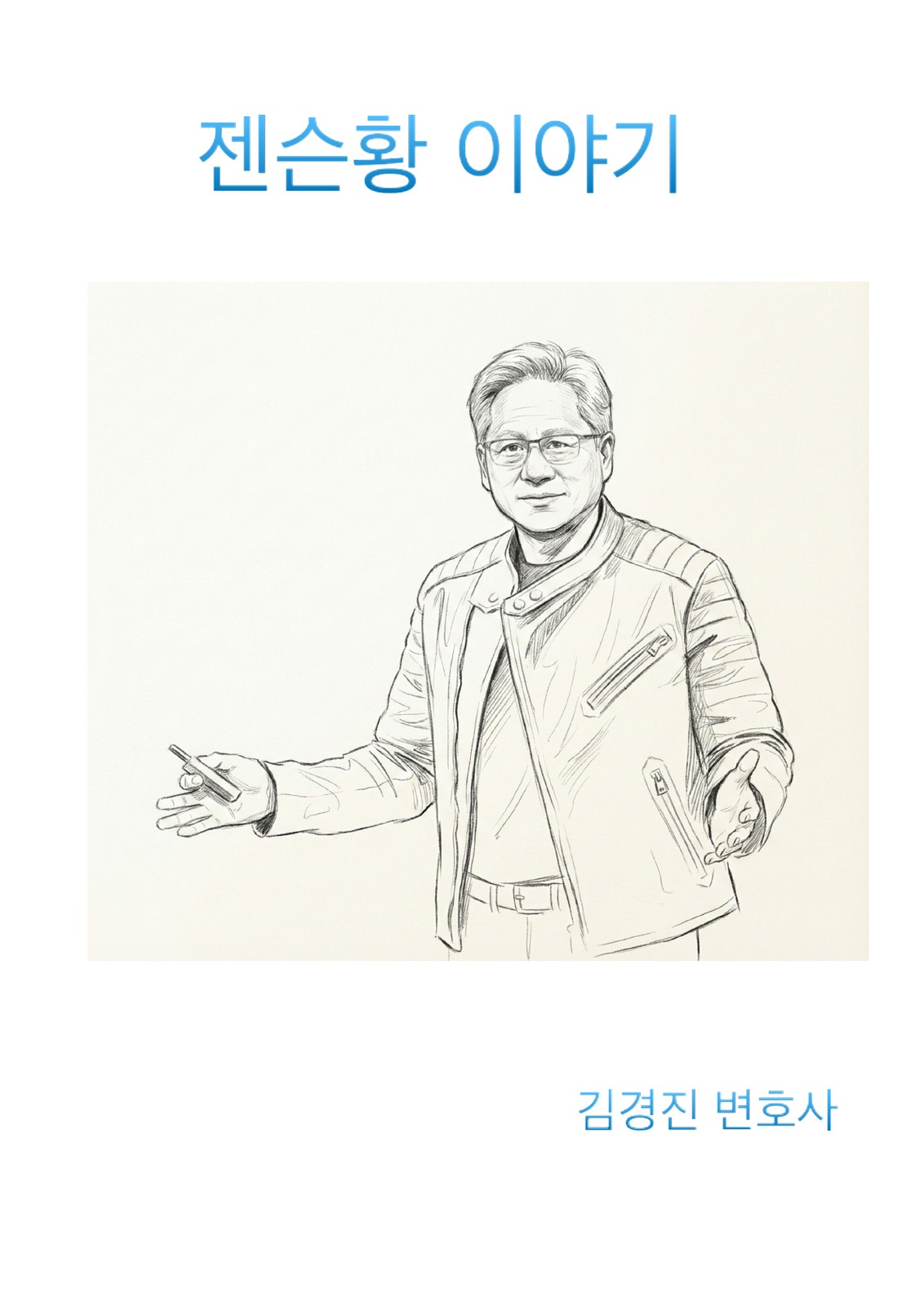
The Jensen Huang Story book cover

16 posts available

The Jensen Huang Story

Kim Kyung-jin

Table of Contents, Preface, 13 Chapters, Epilogue

The Jensen Huang Story is an online AI Library book by Kim Kyung-jin. It covers Jensen Huang, NVIDIA, GPUs, AI chips, and the AI industry.

Share

Ten Questions AI Poses to Humanity book cover

12 posts available

Ten Questions AI Poses to Humanity

Kim Kyung-jin

Table of Contents, Preface, 10 Chapters

Ten Questions AI Poses to Humanity is an online AI Library book by Kim Kyung-jin. It asks how artificial intelligence changes truth, weapons, work, data, identity, and human control.

Share

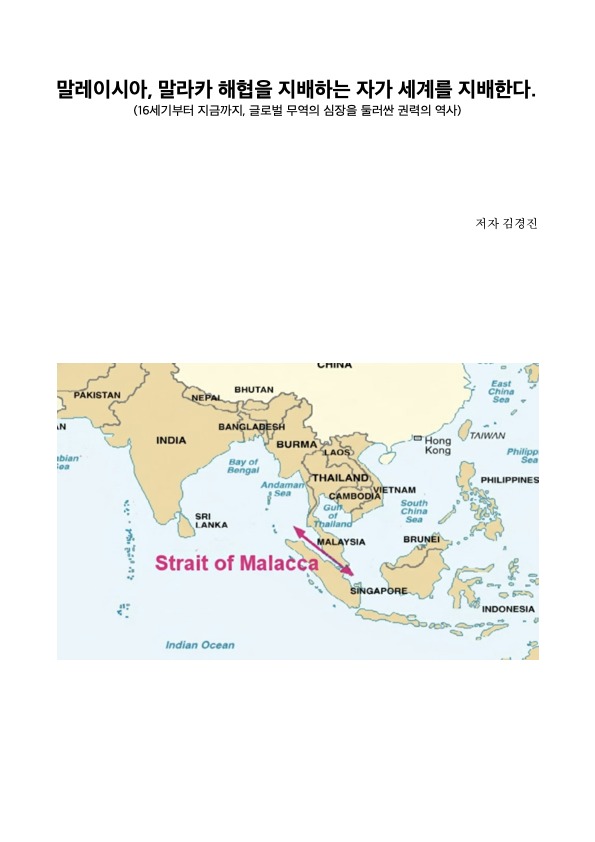
Malaysia and the Malacca Strait book cover

23 posts available

Malaysia and the Malacca Strait: Whoever Controls It Controls the World

Kim Kyung-jin

Table of Contents, Preface, 20 Chapters, Epilogue

Malaysia and the Malacca Strait is an online AI Library book by Kim Kyung-jin. It covers Malaysia, the Malacca Strait, maritime logistics, geopolitics, global trade, and Southeast Asia’s strategic future.

Share

Georgia history and culture travel book cover

24 posts available

A Journey Through Georgia’s History and Culture

Kim Kyung-jin

Table of Contents, Preface, 17 Chapters, 4 Appendices, Epilogue

A Journey Through Georgia’s History and Culture is an online AI Library book by Kim Kyung-jin. It covers Georgia’s history, culture, religion, politics, travel, and the Caucasus crossroads between Europe and Asia.

Share

Reading Armenia book cover

13 posts available

Reading Armenia: A Thousand Prayers, One Mountain

Kim Kyung-jin

Table of Contents, Preface, 10 Chapters, Epilogue

Reading Armenia: A Thousand Prayers, One Mountain is an online AI Library book by Kim Kyung-jin. It covers Armenian history, faith, Mount Ararat, cultural memory, travel, and the endurance of a small nation.

Share

Mastering Claude Code book cover

41 posts available

Mastering Claude Code

Kim Kyung-jin

Table of Contents, Preface, Chapters, Appendices

Mastering Claude Code is an online AI Library book by Kim Kyung-jin. It covers Claude Code setup, commands, workflows, automation, agents, and practical methods for using Claude Code in real work.

Share

Claude Cowork and Agent manual book cover

11 posts available

Claude Cowork and Agent Utilization Manual

Kim Kyung-jin

Table of Contents, Preface, 8 Chapters, Closing Note

Claude Cowork and Agent Utilization Manual is an online AI Library book by Kim Kyung-jin. It covers Claude Code, AI agents, coding automation, work automation, and practical agent-based collaboration.

Share

2026 U.S.-Iran War and the Global Energy Crisis book cover

39 posts available

The 2026 U.S.-Iran War and the Global Energy Crisis

Kim Kyung-jin

Table of Contents, Preface, Chapters and Appendices

The 2026 U.S.-Iran War and the Global Energy Crisis is an online AI Library book by Kim Kyung-jin. It covers war, oil, the Strait of Hormuz, maritime security, energy markets, and the global consequences of conflict.

Share

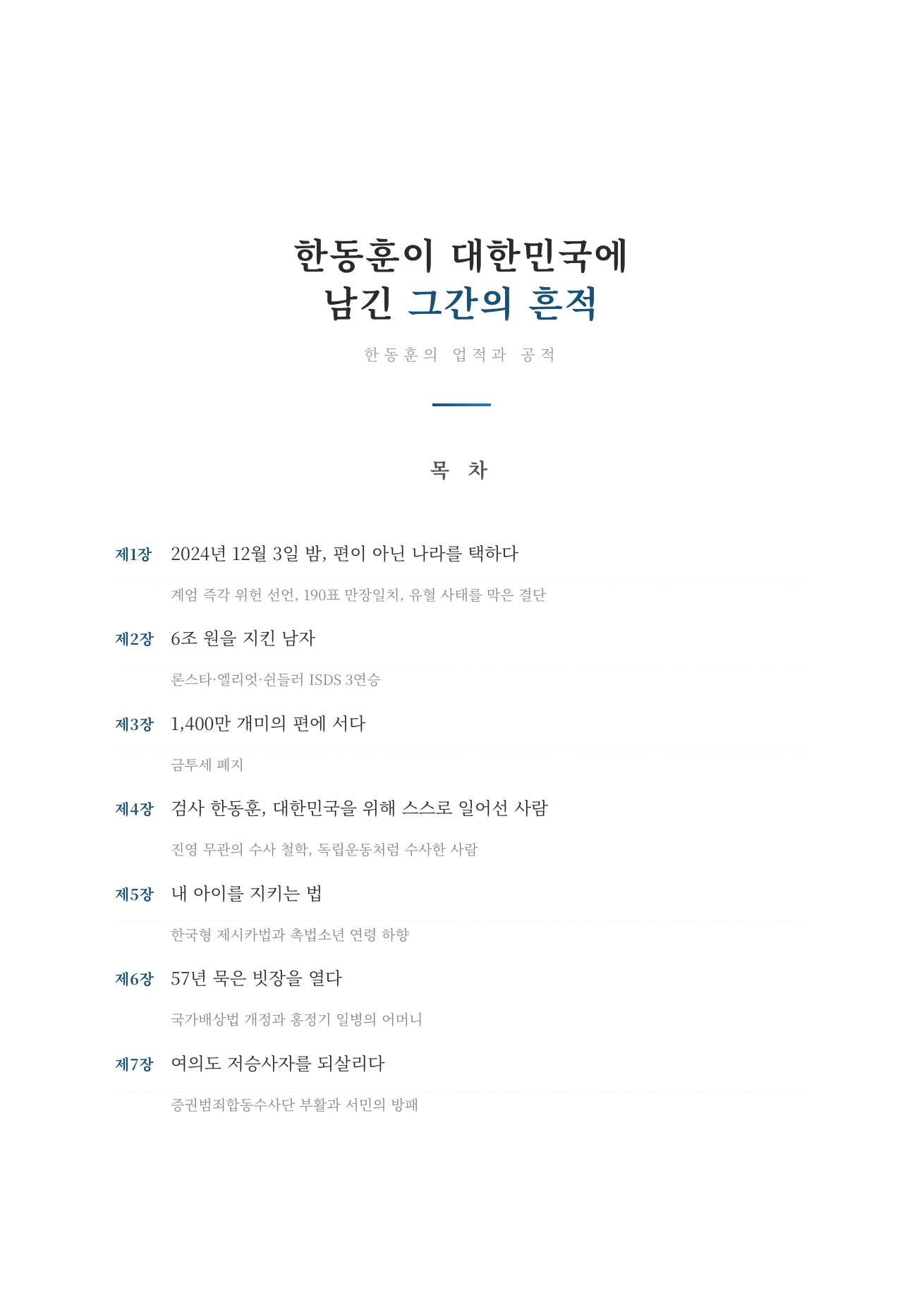
The Traces Han Dong-hoon Left on South Korea book cover

13 posts available

The Traces Han Dong-hoon Left on South Korea

Kim Kyung-jin

Table of Contents, Prologue, Chapters, Epilogue

The Traces Han Dong-hoon Left on South Korea is an online AI Library book by Kim Kyung-jin. It examines his record in justice policy, immigration reform, public institutions, and the structural questions facing South Korea.

Share

The Han Dong-hoon Story book cover

39 posts available

The Han Dong-hoon Story

Kim Kyung-jin

Table of Contents, Prologue, Chapters, Epilogue

The Han Dong-hoon Story is an online AI Library book by Kim Kyung-jin. It traces Han Dong-hoon’s life, public career, political choices, and the changing landscape of South Korean conservative politics.

Share

Beyond the Glass Ceiling cover

39 entries

Beyond the Glass Ceiling

Kim Kyung-jin

Table of contents, prologue, 31 chapters, epilogue, 5 appendices

A political biography tracing Sanae Takaichi’s rise from Nara to Japan’s premiership, through party struggles, security policy, diplomacy, and the meaning of Japan’s first female prime minister.

Share

AI Hegemony War book cover

8 posts available

AI Hegemony War

Kim Kyung-jin

Table of Contents, 7 Chapters

An online AI Library book by Kim Kyung-jin on AI superintelligence, the U.S.-China technology race, Europe and Korea’s AI laws, and international AI governance.

Share

Sam Altman Biography: Pioneer of the AI Revolution cover

22 posts

Sam Altman Biography: Pioneer of the AI Revolution

Kim Kyung-jin, Kim Kyung-ran

Table of contents, preface, 7 parts, 20 chapters

An online biography following Sam Altman’s childhood, startups, Y Combinator, OpenAI, ChatGPT, the 2023 board crisis, and his sense of responsibility in the AI era.

Share

From Chaiwala to Prime Minister cover

13 entries

From Chaiwala to Prime Minister

Kim Kyung-jin

Table of contents, preface, 10 chapters, epilogue

A political biography tracing Narendra Modi from a chai-selling boy in Vadnagar to RSS organizer, Gujarat chief minister, and three-term prime minister, while reading modern India, Korea-India relations, and the risks of a rising power.

Share

AI Classroom: Your Grades Will Change book cover

26 posts available

AI Classroom: Your Grades Will Change

Kim Kyung-jin

Table of Contents, Preface, 24 Sections

An online AI Library book by Kim Kyung-jin on how AI can support elementary, middle, and high school learning, teaching, assessment, and educational equity.

Share

Military Artificial Intelligence cover

17 entries

Military Artificial Intelligence

Kim Kyung-jin and Kim Won-tae

Table of contents, preface, 14 chapters, epilogue

A full-length study of military artificial intelligence, from autonomous weapons, drones, command systems, logistics, and cyber defense to the strategies of the United States, China, Israel, Korea, and global defense AI companies.

Share

Global Case Studies in Introducing AI into Public Administration book cover

25 posts available

Global Case Studies in Introducing AI into Public Administration

Kim Kyung-jin

Table of Contents, 23 Chapters, Epilogue

An online AI Library book by Kim Kyung-jin on public-sector AI adoption, national strategies, administrative services, governance, and future policy tasks.

Share

Seven Misunderstandings About the Arctic Route book cover

10 posts available

Seven Misunderstandings About the Arctic Route

Kim Kyung-jin

Table of Contents, Preface, 7 Chapters, Epilogue

An online AI Library book by Kim Kyung-jin on seven common misunderstandings about the Arctic Route, including speed, liner service, insurance, safety rules, year-round access, carbon impact, and infrastructure.

Share

Artificial Intelligence Election cover

14 posts

Artificial Intelligence Election

Kim Kyung-jin

Table of contents, author preface, 11 chapters, closing essay

An online book on campaign messaging, publicity materials, digital campaigning, data analysis, campaign operations, disinformation defense, legal risk, and ready-to-use prompts.

Share

Demis Hassabis book cover

34 posts available

Demis Hassabis, Father of Google’s Artificial Intelligence

Kim Kyung-ran, Kim Kyung-jin

Table of Contents, Author’s Preface, 31 Chapters, Epilogue

Demis Hassabis, Father of Google’s Artificial Intelligence is an online AI Library book by Kim Kyung-ran, Kim Kyung-jin. It covers Demis Hassabis, Google DeepMind, artificial intelligence, AlphaGo, AI research and is organized as Table of Contents, Author’s Preface, 31 Chapters, Epilogue.

Share

The Dhammapada 423 Verses book cover

28 posts available

The Dhammapada: 423 Verses

Kim Kyung-jin

Table of Contents, Editor’s Note, 26 Chapters, 423 Verses

An online AI Library book by Kim Kyung-jin. This edition arranges all 423 verses of the Dhammapada into 26 chapters for slow, poetic reading.

Share

Nano Banana Pro Practical Prompt Book cover

24 posts

Nano Banana Pro Practical Prompt Book

Kim Kyung-jin

6 parts, 22 chapters, classroom prompt appendix

An online book for using Nano Banana Pro in classes and real work, covering image generation, editing, text rendering, character consistency, business use cases, and monetization.

Share

Liberal Arts AI for College Students book cover

16 posts available

Liberal Arts AI for College Students

Kim Kyung-jin

Table of Contents, Preface, 13 Chapters, Closing Essay

An online AI Library textbook for college students. It introduces AI history, daily use, document work, research, images, presentations, video, productivity, learning, careers, copyright, and governance.

Share

Legal Practice and Artificial Intelligence book cover

16 posts available

Legal Practice and Artificial Intelligence

Kim Kyung-jin

Table of Contents, Preface, 14 Parts

An online AI Library book by Kim Kyung-jin on legal research, drafting, evidence analysis, contract review, NotebookLM, and practical generative AI workflows for legal practice.

Share

Hello, I Am Kim Kyung-jin book cover

10 posts available

Hello, I Am Kim Kyung-jin

Kim Kyung-jin

Table of Contents, Preface, Recommendations, 6 Chapters, Closing

An online AI Library book on Kim Kyung-jin’s life, science and technology policy, parliamentary diplomacy, legislative battles, Dongdaemun vision, and proposals for Korea’s demographic future.

Share

Politics and People book cover

25 posts available

Politics and People

Kim Kyung-jin

Table of Contents, Prologue, 22 Chapters, Epilogue

An online AI Library book by Kim Kyung-jin on how politics begins with reading people, winning trust, keeping relationships, and enduring seasons of crisis.

Share

[AI Library] Chapter 5: An Asian Woman in the U.S. Congress

Beyond the Glass Ceiling
Author
Kim Kyung-jin
Date
2026-05-07 03:34
Views
432

Beyond the Glass Ceiling

Part 1: Roots — From Nara to Washington

Chapter 5: An Asian Woman in the U.S. Congress

Kim Kyung-jin

Autumn 1987. A plane touched down at Dulles International Airport. A twenty-six-year-old Japanese woman passed through immigration and stepped out into the air of Washington, D.C. In her hand was a single suitcase. In her pocket was 100,000 yen borrowed from her father—barely 700 dollars at the exchange rate of the time. She knew no one, and she had no fixed destination. This was the day Takaichi Sanae arrived in Washington.

When she stepped outside the airport, the city was silent. It was a holiday weekend. The shutters were down on every shop. Even if she was thirsty, there was nowhere to buy water; even if she was hungry, there was no food to be found. Clutching a single map, she walked the unfamiliar streets. As night fell, the temperature dropped. She stayed in a hotel that night. At 70 dollars a night, her 100,000 yen wouldn't have lasted even ten days.

The next morning, she opened the classified ads in The Washington Post. She had to find an apartment. After making calls and pounding the pavement, she eventually found a room for 300 dollars a month. It was a small space of about 15 square meters, equipped with a bathroom, a kitchenette, and heating. However, there was no bed. There wasn't even a blanket. She had to try to sleep on cardboard boxes flattened on the floor. The building manager, a Black woman named McCoy, took pity on her and lent her an old blanket. That single blanket was all she had to survive her first winter in Washington.

This scene captures the twenty-six-year-old life of the woman who would later become a candidate for Prime Minister of Japan. This is not simply a story of a poor student. It was the result of a deliberate choice. The Matsushita Institute of Government and Management (MIGM) provided overseas fellowship programs, which supported tuition and living expenses. However, Takaichi did not go as an official MIGM envoy; instead, she carved out her own path to Washington with a single letter she wrote herself.

The catalyst was television. While a student at the Matsushita Institute, Takaichi saw an American congresswoman on CNN: Patricia Schroeder. A Democratic member of the House of Representatives from Colorado’s 1st District, she had been in the House since 1973. Serving on the Armed Services Committee, she was a figure who advocated for women's rights, family policy, and defense budget cuts. In September 1987, Schroeder held a press conference to announce she would not run in the Democratic presidential primary. At that moment, she cried. The scene of her leaning on her husband's shoulder and shedding tears was broadcast nationwide. Some media outlets mocked her, claiming "women politicians are too emotional."

Takaichi saw the scene differently. In her eyes, a woman crying at the center of politics appeared not as weakness, but as authenticity—the tears shed by someone who wants something desperately but fails to achieve it. Takaichi wrote a letter in English and sent it to Representative Schroeder's office. "I want to work by your side. I am someone who wants to become the future Prime Minister of Japan." It was a bold, unprompted letter sent by a student of the Matsushita Institute to the office of a U.S. federal legislator.

A reply came. It was from Dan, Representative Schroeder's Chief of Staff. "You may come."

The Matsushita Institute was initially concerned because it was not an official dispatch. Eventually, however, they agreed to recognize this Washington tenure as part of the institute's overseas training program. And so, Takaichi welcomed the Washington autumn with nothing but a single blanket.

The Rayburn House Office Building—a House office building located south of Capitol Hill in Washington, D.C. Schroeder's office was located there. When Takaichi first opened the door to that office, Dan, the Chief of Staff, greeted her with a look of surprise. "You really came." It seemed the fact that the Japanese woman who sent the letter had actually appeared was unexpected to him. Representative Schroeder shook her hand and smiled. That was the beginning.

Her first tasks were simple: arriving early in the morning to sort the incoming mail and answering the phones. Colorado constituents would call with various demands, civil complaints, grievances, and sometimes shouting. When a Japanese woman answered, they would demand, "Put the Representative on the line." She had to handle these requests appropriately—in English, and within the context of American political culture. At first, there were many mistakes. There were moments of panic when her pronunciation wasn't understood, and times of trouble when she didn't know idiomatic expressions.

As time passed, however, her role changed. She became the person in charge of handling Japan-related matters in Schroeder’s office. In the late 1980s, the most heated issue between the United States and Japan was trade: automobiles, semiconductors, and steel. American manufacturers raised issues with the 'unfair competition' of Japanese companies, and the U.S. Congress was discussing trade retaliation bills against Japan.

In 1986, the United States and Japan signed a semiconductor agreement. It was an accord in which Japan agreed to increase purchases of American-made semiconductors and avoid dumping in overseas markets. However, in March 1987, the U.S. Trade Representative (USTR) declared that Japan was not implementing the agreement. The Reagan administration imposed 100 percent retaliatory tariffs on Japanese electronic products. Relations between the two nations were grim.

Takaichi was right in the middle of this. She organized materials for congressional hearings and wrote memos explaining the context when lawmakers made statements regarding Japan. Every day, she felt firsthand how Japan was perceived by the American side. It was not merely an economic friction. From the American perspective, Japan was a "country that does not follow the rules" and a "country that does not open its markets." She observed closely where that perspective came from and what logical structure it possessed.

This experience would later be woven into Takaichi's economic security policies. Throughout her career as Minister of Internal Affairs and Communications, Minister of Economy, Trade and Industry, and especially as the Minister in charge of Economic Security, she repeatedly emphasized several points: the safety of supply chains, domestic production of core technologies, and moving away from excessive dependence on specific countries. The prototype of those policies lay in the scenes she witnessed in congressional offices in Washington in 1987. The reality of bilateral relations being shaken by a single semiconductor. She learned with her own body the fact that technology and the economy are directly linked to national security.

Daily life in Washington was not easy. Being an Asian woman often meant being treated as invisible rather than being noticed. When she walked through the corridors of Congress, people would simply pass her by. There were times when her comments in meeting rooms were ignored. A look of "Who is this person?" was often palpable. Being from Japan invited additional prejudice. At the time, Japan was perceived in Washington political circles as an "economic aggressor." She endured each day amidst the dual prejudices of her gender and her nationality.

Yet this experience did not make her soft. Quite the opposite. How to endure in the face of prejudice, how to hold one's ground while being ignored, and how to accurately grasp the opponent's logic and then overturn it—Washington trained her. If the Matsushita Institute taught her theory, Washington taught her reality.

Over time, her relationship with Representative Schroeder moved beyond a simple staff-legislator dynamic. Schroeder recognized Takaichi’s abilities and entrusted her with increasingly substantial roles in Japan-related issues. Takaichi later used the title "Legislative Researcher at the U.S. Congress" on the cover of her first book. While this expression later caused controversy over career exaggeration, testimony from those in Schroeder’s office confirms that the work she performed in Congress substantially exceeded the level of a simple intern.

In 1989, Takaichi returned to Japan. Her two years in Washington had come to an end. Then, in 1992, based on that experience, she published her first book. The title was 『アメリカの「女性大国」神話を斥ける』 (Rejecting the Myth of America as a "Women's Powerhouse"). It was a book that refuted the common notion that America is an equal country for women. It contained what she had seen and experienced personally. From the perspective of an Asian woman ignored in the halls of Congress, she dissected the realities of American democracy and gender politics.

In that book, she argued that while America appears to have a high status for women on the surface, there is a structure in which only women of a certain class can reach those positions. And to change that structure, she argued, it is more important to change substantive policies than to simply increase the number of symbolic women. This was the conclusion of the first book written by a future Japanese Prime Minister candidate.

Patricia Schroeder passed away in March 2023 at the age of 82. She did not live to see Takaichi become the Prime Minister of Japan. The connection that began with a single letter sent after that tearful press conference in 1987 remains in history in that form.

Washington changed Takaichi. However, the direction in which it changed her was not simple. She became someone who admired America, yet at the same time, she became someone who viewed America with cold realism. While she understood the importance of the alliance, she also developed a will not to be subordinate to the ally. The memories of a twenty-six-year-old witnessing the scene of semiconductor negotiations created the architect of economic security policy half a century later. A single cardboard box laid on a hard floor. The Washington nights that began there thus led into history.

Kim Kyung-jin

Kim Kyung-jin AI Library

kimkj.com

© 2026. All rights reserved.

kimkj.com Home
Scroll to Top
kimkj.com Home