AI Library

AI Library

Books for Reading AI

Choose a book, then read it in order from the table of contents.
37 Concrete Codex Use Cases cover

Book-style reading

37 Concrete Codex Use Cases

Kim Kyung-jin

From morning briefings to agent swarms: 37 real-world workflow automations

This guide gathers 37 ways to connect Codex and AI agents to real work: personal routines, data processing, marketing, sales, documents, development, and browser control.

Share

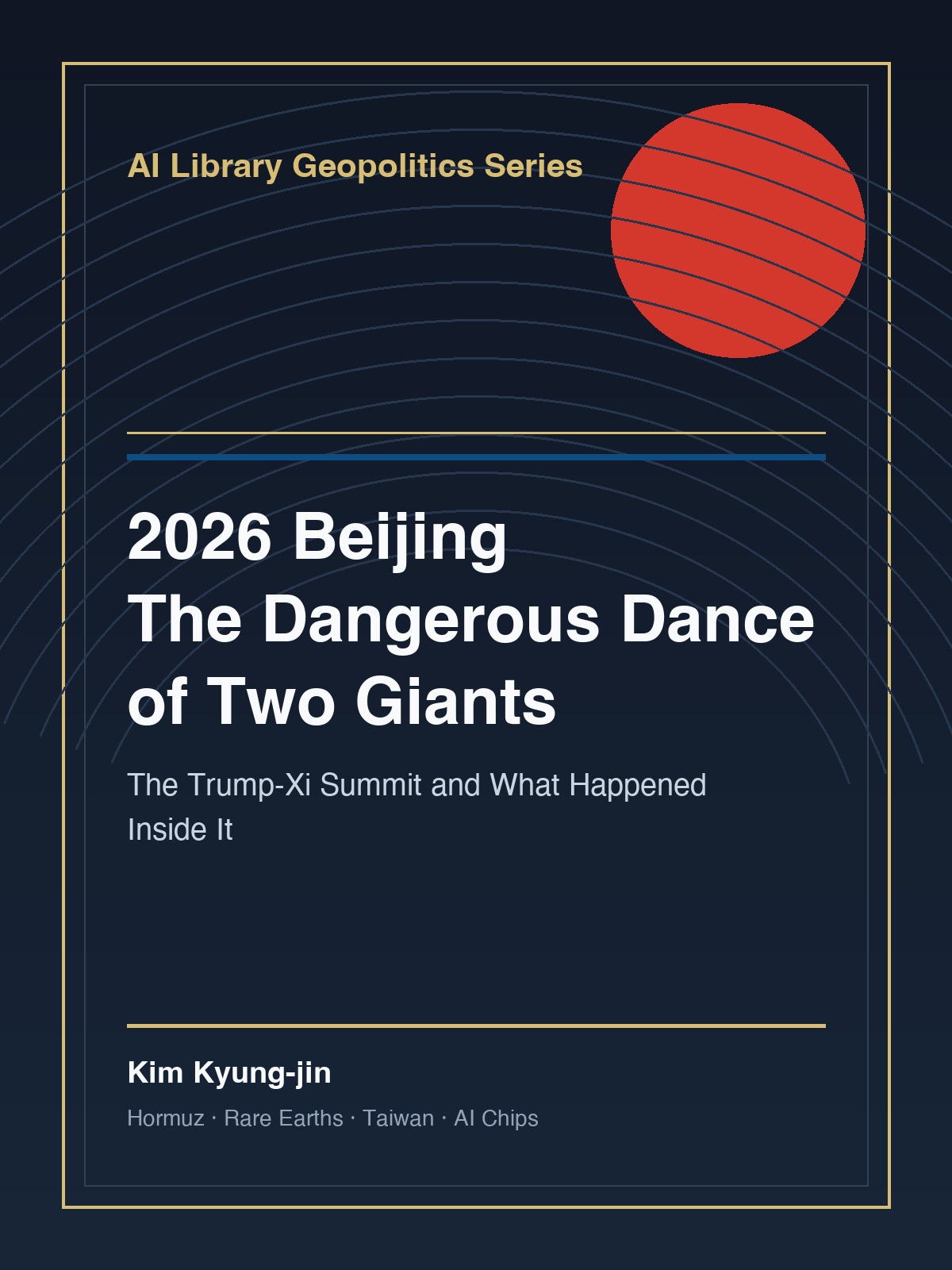
2026 Beijing: The Dangerous Dance of Two Giants book cover

16 posts available

2026 Beijing: The Dangerous Dance of Two Giants

Kim Kyung-jin

Table of Contents, Introduction, 13 Chapters, Epilogue

This book reads the Beijing summit through Hormuz, rare earths, Taiwan, Boeing, soybeans, AI chips, and Korea’s exposure to the U.S.-China bargain.

Share

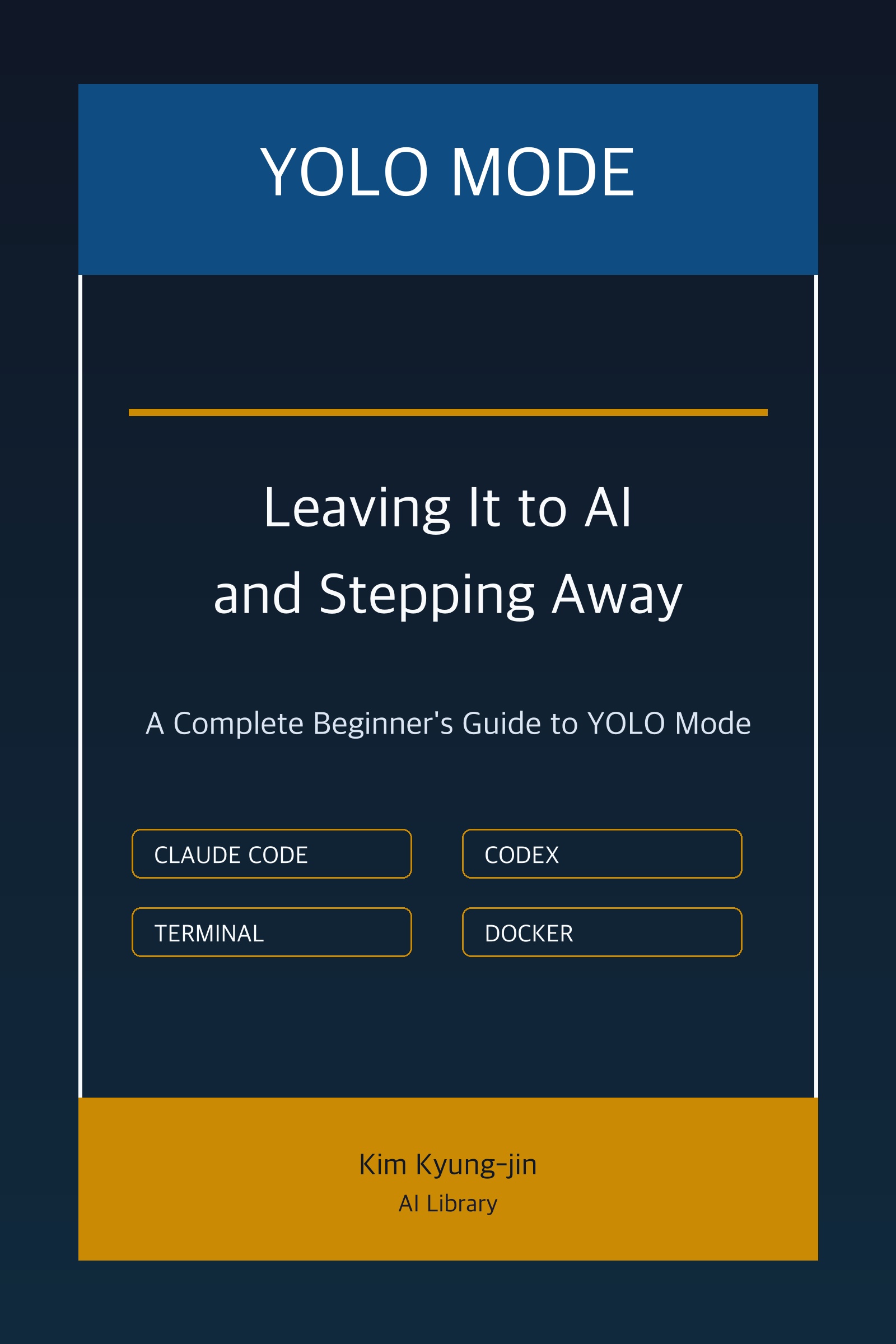
Leaving It to AI and Stepping Away cover

27 posts

Leaving It to AI and Stepping Away

Kim Kyung-jin

A Complete Beginner’s Guide to YOLO Mode. Table of contents and 26 chapters

A beginner-friendly online book on YOLO mode in Claude Code and Codex. It explains how to let AI read files, write code, run commands, and finish work while keeping rollback, Docker sandboxing, and safety checks close at hand.

Share

Artificial Intelligence Fighter, Artificial Intelligence Air Force book cover

43 posts available

Artificial Intelligence Fighter, Artificial Intelligence Air Force

Kim Kyung-jin

Table of Contents, Preface, 40 Chapters, Epilogue

Artificial Intelligence Fighter, Artificial Intelligence Air Force is an online AI Library book by Kim Kyung-jin. It covers AI fighters, autonomous air power, unmanned combat aircraft, CCA, MUM-T, sixth-generation fighters and is organized as Table of Contents, Preface, 40 Chapters, Epilogue.

Share

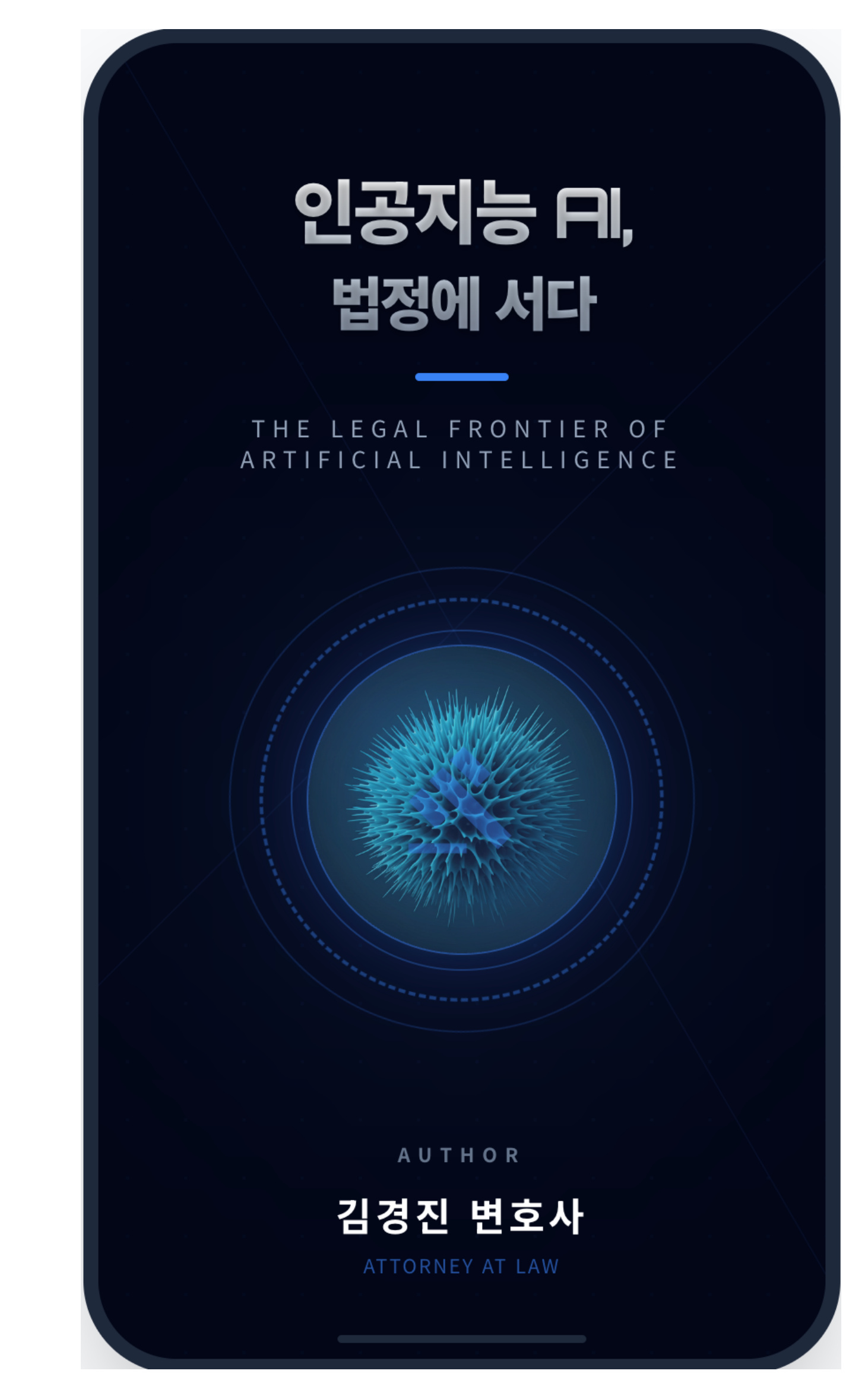
Artificial Intelligence on Trial book cover

26 posts available

Artificial Intelligence on Trial

Attorney Kyungjin Kim

Table of Contents, Preface, 21 Chapters, 3 Appendices

Artificial Intelligence on Trial is an online AI Library book by Attorney Kyungjin Kim. It covers artificial intelligence and law, AI liability, algorithmic judgment, courts and technology and is organized as Table of Contents, Preface, 21 Chapters, 3 Appendices.

Share

PALANTIR book cover

16 posts available

PALANTIR: War, Surveillance, Artificial Intelligence

Attorney Kyungjin Kim

Table of Contents, Preface, 14 Chapters

PALANTIR: War, Surveillance, Artificial Intelligence is an online AI Library book by Attorney Kyungjin Kim. It covers Palantir, war, surveillance, artificial intelligence, data analytics, national security and is organized as Table of Contents, Preface, 14 Chapters.

Share

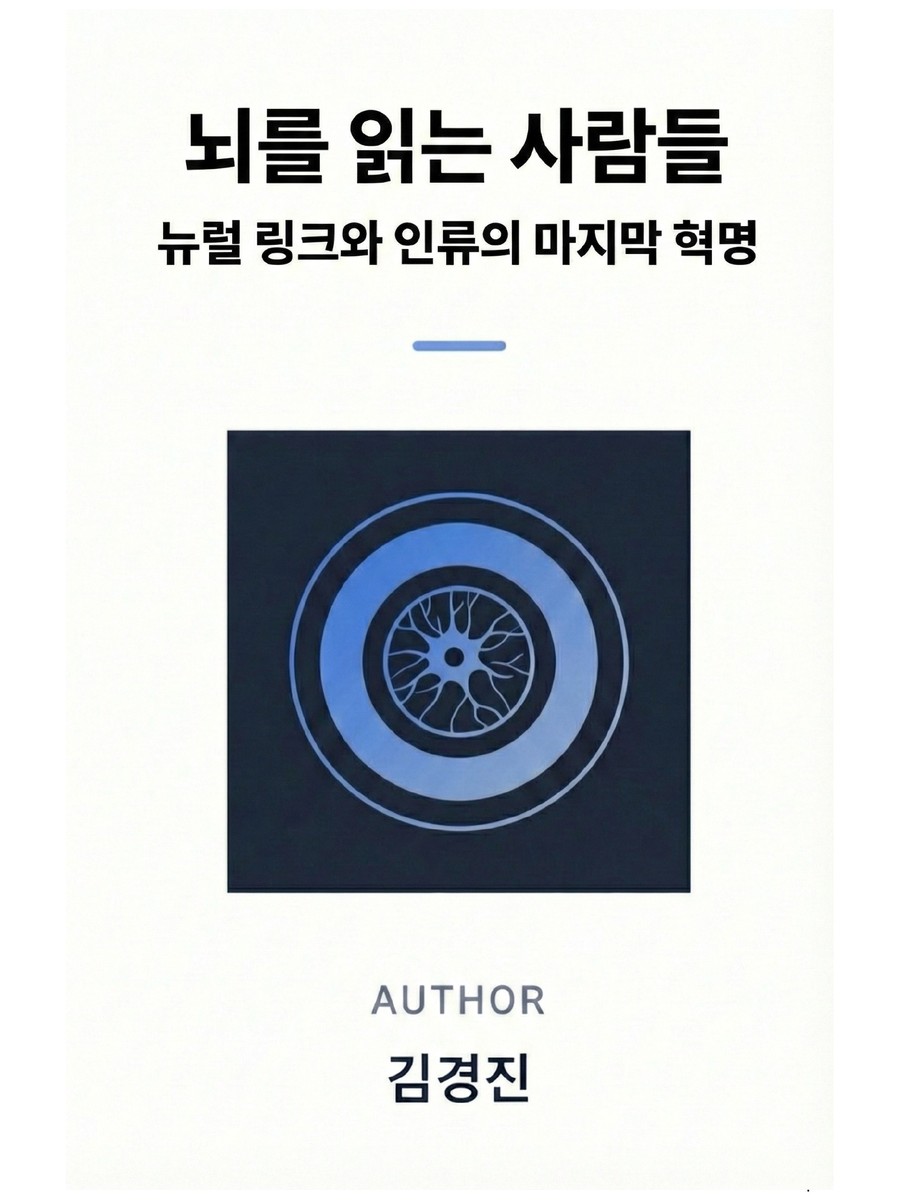
Brain Readers: Neuralink and the Final Human Revolution book cover

21 posts available

Brain Readers: Neuralink and the Final Human Revolution

Kim Kyung-jin

Table of Contents, Prologue, 18 Chapters, Epilogue

Brain Readers: Neuralink and the Final Human Revolution is an online AI Library book by Kim Kyung-jin. It follows Neuralink, brain-computer interfaces, brain data, medicine, neurorights, and the future of human enhancement.

Share

Artificial Intelligence and the Reshaping of Society book cover

16 posts available

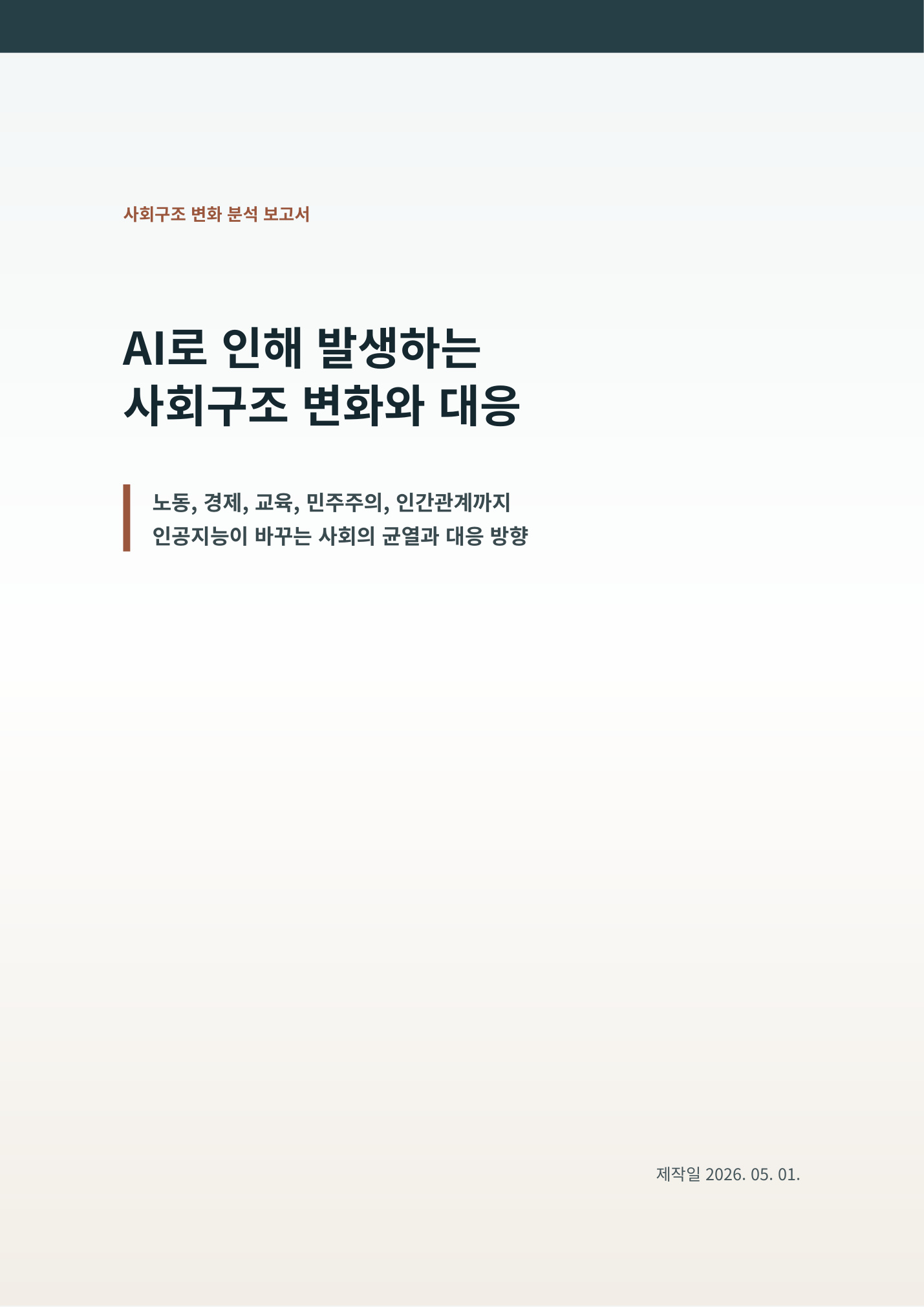
Artificial Intelligence and the Reshaping of Society

Kim Kyung-jin

Table of Contents, Preface, 13 Chapters, Epilogue

Artificial Intelligence and the Reshaping of Society is an online AI Library book by Kim Kyung-jin. It follows how artificial intelligence changes work, education, inequality, cities, democracy, and human relationships.

Share

The Jensen Huang Story book cover

16 posts available

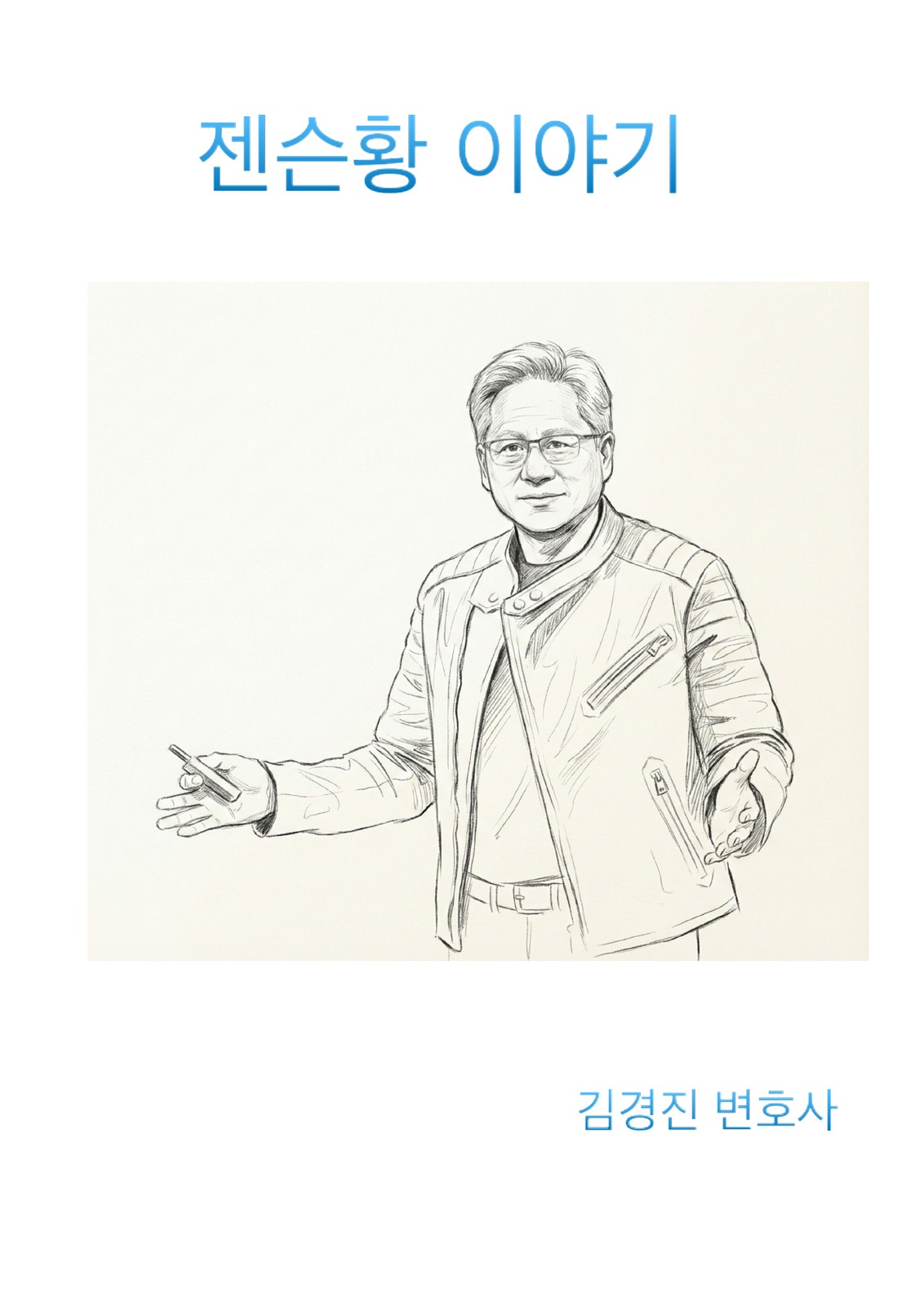
The Jensen Huang Story

Kim Kyung-jin

Table of Contents, Preface, 13 Chapters, Epilogue

The Jensen Huang Story is an online AI Library book by Kim Kyung-jin. It covers Jensen Huang, NVIDIA, GPUs, AI chips, and the AI industry.

Share

Ten Questions AI Poses to Humanity book cover

12 posts available

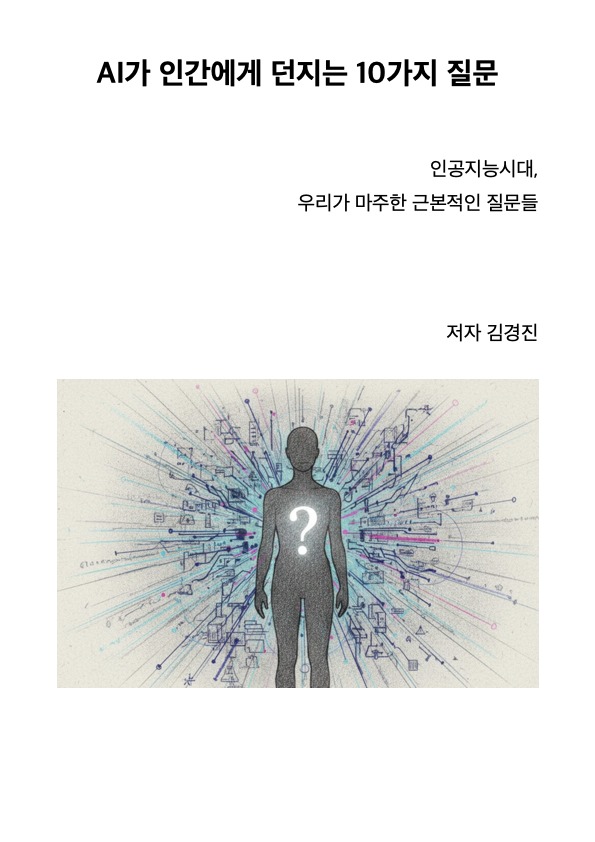
Ten Questions AI Poses to Humanity

Kim Kyung-jin

Table of Contents, Preface, 10 Chapters

Ten Questions AI Poses to Humanity is an online AI Library book by Kim Kyung-jin. It asks how artificial intelligence changes truth, weapons, work, data, identity, and human control.

Share

Malaysia and the Malacca Strait book cover

23 posts available

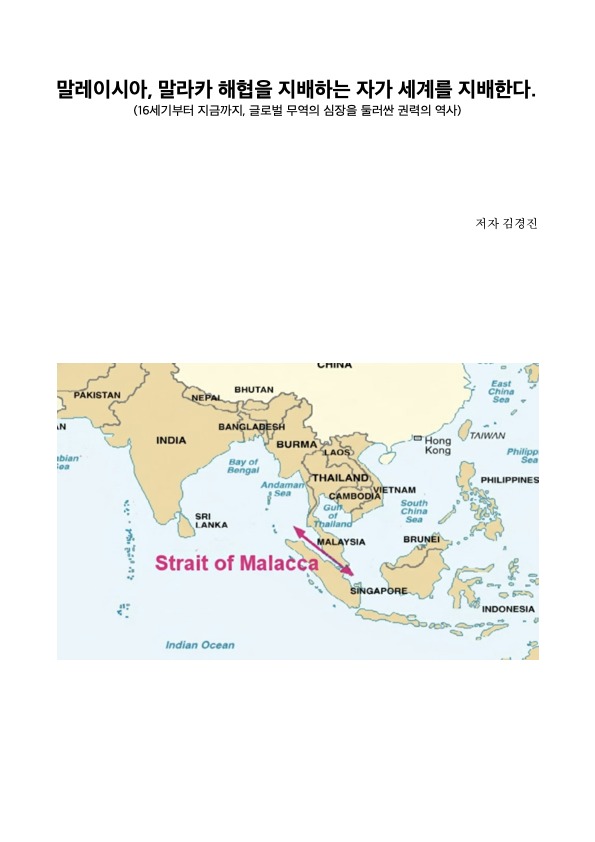
Malaysia and the Malacca Strait: Whoever Controls It Controls the World

Kim Kyung-jin

Table of Contents, Preface, 20 Chapters, Epilogue

Malaysia and the Malacca Strait is an online AI Library book by Kim Kyung-jin. It covers Malaysia, the Malacca Strait, maritime logistics, geopolitics, global trade, and Southeast Asia’s strategic future.

Share

Georgia history and culture travel book cover

24 posts available

A Journey Through Georgia’s History and Culture

Kim Kyung-jin

Table of Contents, Preface, 17 Chapters, 4 Appendices, Epilogue

A Journey Through Georgia’s History and Culture is an online AI Library book by Kim Kyung-jin. It covers Georgia’s history, culture, religion, politics, travel, and the Caucasus crossroads between Europe and Asia.

Share

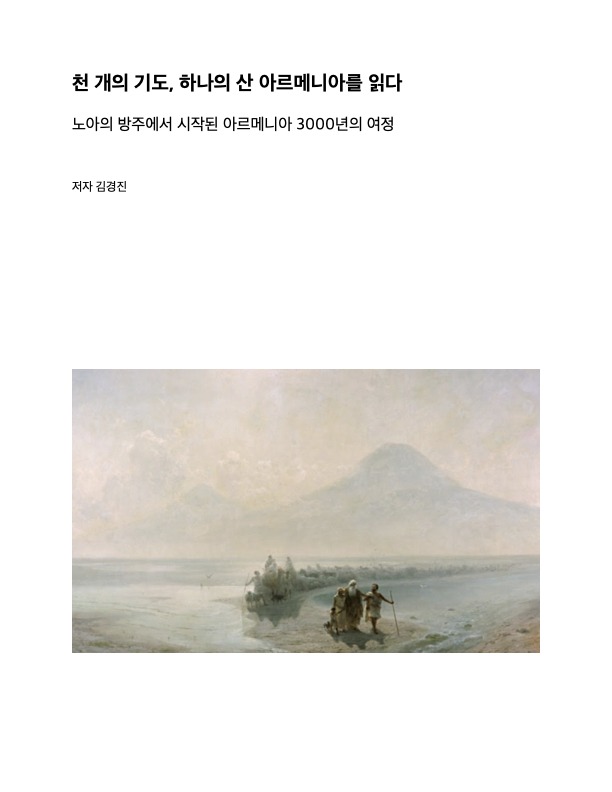
Reading Armenia book cover

13 posts available

Reading Armenia: A Thousand Prayers, One Mountain

Kim Kyung-jin

Table of Contents, Preface, 10 Chapters, Epilogue

Reading Armenia: A Thousand Prayers, One Mountain is an online AI Library book by Kim Kyung-jin. It covers Armenian history, faith, Mount Ararat, cultural memory, travel, and the endurance of a small nation.

Share

Mastering Claude Code book cover

41 posts available

Mastering Claude Code

Kim Kyung-jin

Table of Contents, Preface, Chapters, Appendices

Mastering Claude Code is an online AI Library book by Kim Kyung-jin. It covers Claude Code setup, commands, workflows, automation, agents, and practical methods for using Claude Code in real work.

Share

Claude Cowork and Agent manual book cover

11 posts available

Claude Cowork and Agent Utilization Manual

Kim Kyung-jin

Table of Contents, Preface, 8 Chapters, Closing Note

Claude Cowork and Agent Utilization Manual is an online AI Library book by Kim Kyung-jin. It covers Claude Code, AI agents, coding automation, work automation, and practical agent-based collaboration.

Share

2026 U.S.-Iran War and the Global Energy Crisis book cover

39 posts available

The 2026 U.S.-Iran War and the Global Energy Crisis

Kim Kyung-jin

Table of Contents, Preface, Chapters and Appendices

The 2026 U.S.-Iran War and the Global Energy Crisis is an online AI Library book by Kim Kyung-jin. It covers war, oil, the Strait of Hormuz, maritime security, energy markets, and the global consequences of conflict.

Share

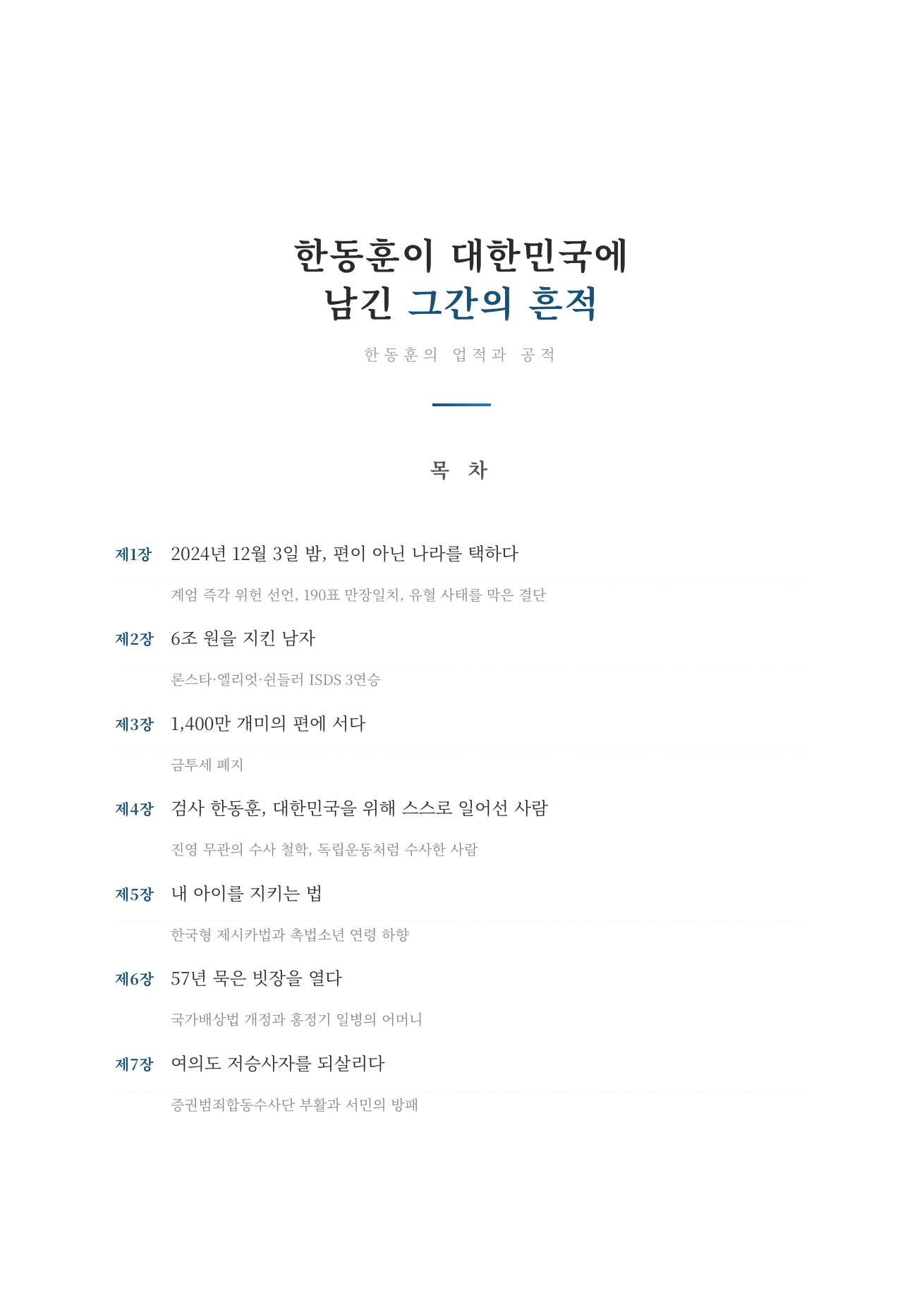
The Traces Han Dong-hoon Left on South Korea book cover

13 posts available

The Traces Han Dong-hoon Left on South Korea

Kim Kyung-jin

Table of Contents, Prologue, Chapters, Epilogue

The Traces Han Dong-hoon Left on South Korea is an online AI Library book by Kim Kyung-jin. It examines his record in justice policy, immigration reform, public institutions, and the structural questions facing South Korea.

Share

The Han Dong-hoon Story book cover

39 posts available

The Han Dong-hoon Story

Kim Kyung-jin

Table of Contents, Prologue, Chapters, Epilogue

The Han Dong-hoon Story is an online AI Library book by Kim Kyung-jin. It traces Han Dong-hoon’s life, public career, political choices, and the changing landscape of South Korean conservative politics.

Share

Beyond the Glass Ceiling cover

39 entries

Beyond the Glass Ceiling

Kim Kyung-jin

Table of contents, prologue, 31 chapters, epilogue, 5 appendices

A political biography tracing Sanae Takaichi’s rise from Nara to Japan’s premiership, through party struggles, security policy, diplomacy, and the meaning of Japan’s first female prime minister.

Share

AI Hegemony War book cover

8 posts available

AI Hegemony War

Kim Kyung-jin

Table of Contents, 7 Chapters

An online AI Library book by Kim Kyung-jin on AI superintelligence, the U.S.-China technology race, Europe and Korea’s AI laws, and international AI governance.

Share

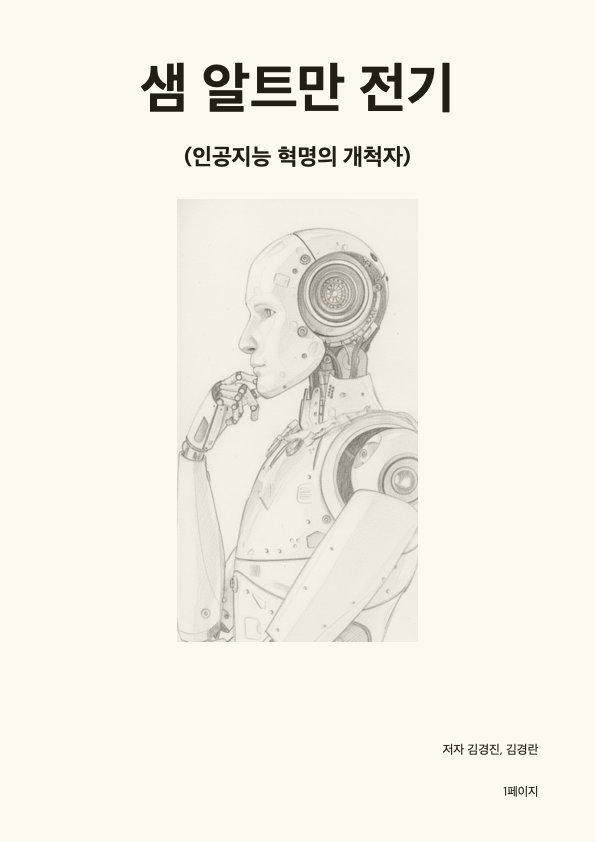
Sam Altman Biography: Pioneer of the AI Revolution cover

22 posts

Sam Altman Biography: Pioneer of the AI Revolution

Kim Kyung-jin, Kim Kyung-ran

Table of contents, preface, 7 parts, 20 chapters

An online biography following Sam Altman’s childhood, startups, Y Combinator, OpenAI, ChatGPT, the 2023 board crisis, and his sense of responsibility in the AI era.

Share

From Chaiwala to Prime Minister cover

13 entries

From Chaiwala to Prime Minister

Kim Kyung-jin

Table of contents, preface, 10 chapters, epilogue

A political biography tracing Narendra Modi from a chai-selling boy in Vadnagar to RSS organizer, Gujarat chief minister, and three-term prime minister, while reading modern India, Korea-India relations, and the risks of a rising power.

Share

AI Classroom: Your Grades Will Change book cover

26 posts available

AI Classroom: Your Grades Will Change

Kim Kyung-jin

Table of Contents, Preface, 24 Sections

An online AI Library book by Kim Kyung-jin on how AI can support elementary, middle, and high school learning, teaching, assessment, and educational equity.

Share

Military Artificial Intelligence cover

17 entries

Military Artificial Intelligence

Kim Kyung-jin and Kim Won-tae

Table of contents, preface, 14 chapters, epilogue

A full-length study of military artificial intelligence, from autonomous weapons, drones, command systems, logistics, and cyber defense to the strategies of the United States, China, Israel, Korea, and global defense AI companies.

Share

Global Case Studies in Introducing AI into Public Administration book cover

25 posts available

Global Case Studies in Introducing AI into Public Administration

Kim Kyung-jin

Table of Contents, 23 Chapters, Epilogue

An online AI Library book by Kim Kyung-jin on public-sector AI adoption, national strategies, administrative services, governance, and future policy tasks.

Share

Seven Misunderstandings About the Arctic Route book cover

10 posts available

Seven Misunderstandings About the Arctic Route

Kim Kyung-jin

Table of Contents, Preface, 7 Chapters, Epilogue

An online AI Library book by Kim Kyung-jin on seven common misunderstandings about the Arctic Route, including speed, liner service, insurance, safety rules, year-round access, carbon impact, and infrastructure.

Share

Artificial Intelligence Election cover

14 posts

Artificial Intelligence Election

Kim Kyung-jin

Table of contents, author preface, 11 chapters, closing essay

An online book on campaign messaging, publicity materials, digital campaigning, data analysis, campaign operations, disinformation defense, legal risk, and ready-to-use prompts.

Share

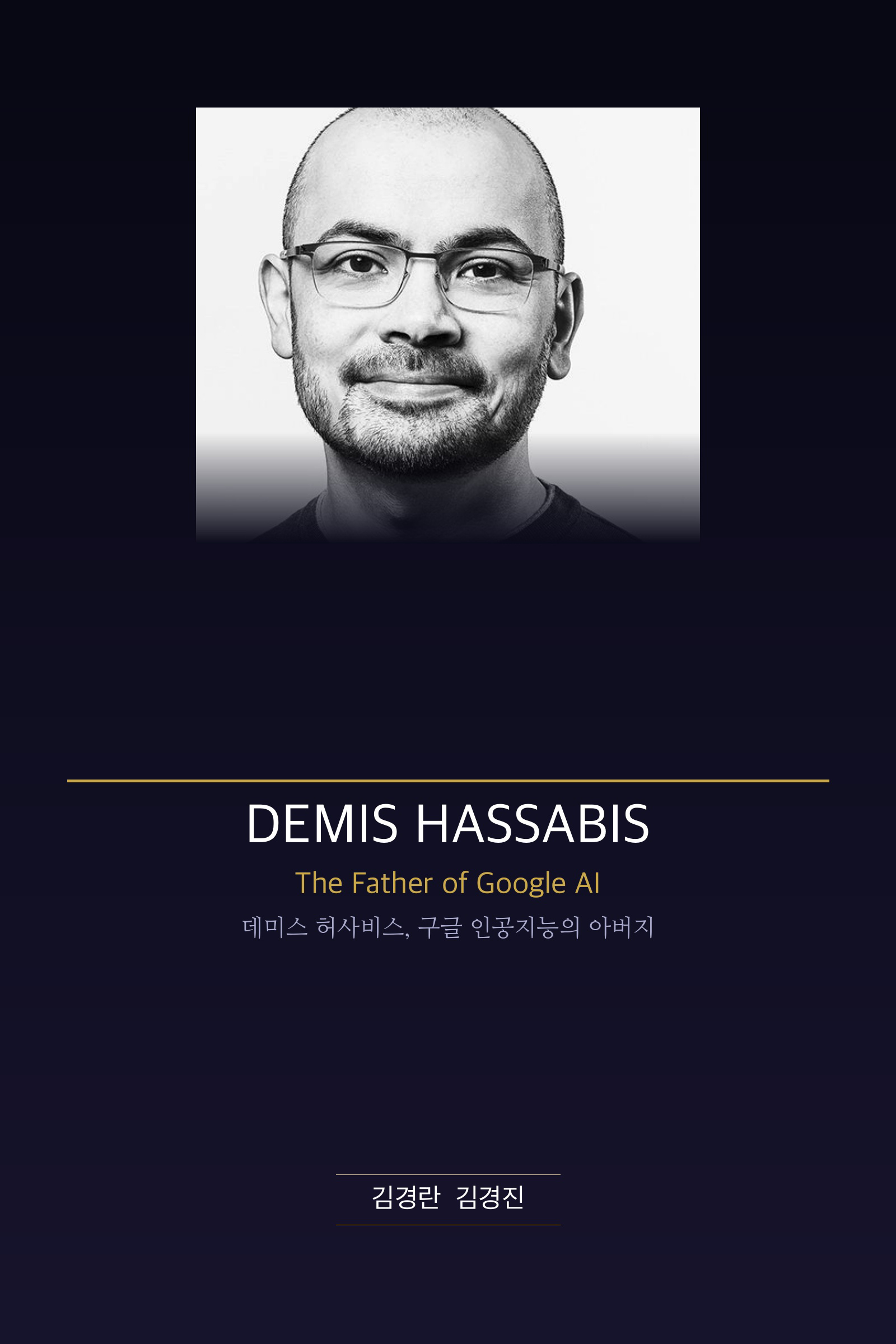
Demis Hassabis book cover

34 posts available

Demis Hassabis, Father of Google’s Artificial Intelligence

Kim Kyung-ran, Kim Kyung-jin

Table of Contents, Author’s Preface, 31 Chapters, Epilogue

Demis Hassabis, Father of Google’s Artificial Intelligence is an online AI Library book by Kim Kyung-ran, Kim Kyung-jin. It covers Demis Hassabis, Google DeepMind, artificial intelligence, AlphaGo, AI research and is organized as Table of Contents, Author’s Preface, 31 Chapters, Epilogue.

Share

The Dhammapada 423 Verses book cover

28 posts available

The Dhammapada: 423 Verses

Kim Kyung-jin

Table of Contents, Editor’s Note, 26 Chapters, 423 Verses

An online AI Library book by Kim Kyung-jin. This edition arranges all 423 verses of the Dhammapada into 26 chapters for slow, poetic reading.

Share

Nano Banana Pro Practical Prompt Book cover

24 posts

Nano Banana Pro Practical Prompt Book

Kim Kyung-jin

6 parts, 22 chapters, classroom prompt appendix

An online book for using Nano Banana Pro in classes and real work, covering image generation, editing, text rendering, character consistency, business use cases, and monetization.

Share

Liberal Arts AI for College Students book cover

16 posts available

Liberal Arts AI for College Students

Kim Kyung-jin

Table of Contents, Preface, 13 Chapters, Closing Essay

An online AI Library textbook for college students. It introduces AI history, daily use, document work, research, images, presentations, video, productivity, learning, careers, copyright, and governance.

Share

Legal Practice and Artificial Intelligence book cover

16 posts available

Legal Practice and Artificial Intelligence

Kim Kyung-jin

Table of Contents, Preface, 14 Parts

An online AI Library book by Kim Kyung-jin on legal research, drafting, evidence analysis, contract review, NotebookLM, and practical generative AI workflows for legal practice.

Share

Hello, I Am Kim Kyung-jin book cover

10 posts available

Hello, I Am Kim Kyung-jin

Kim Kyung-jin

Table of Contents, Preface, Recommendations, 6 Chapters, Closing

An online AI Library book on Kim Kyung-jin’s life, science and technology policy, parliamentary diplomacy, legislative battles, Dongdaemun vision, and proposals for Korea’s demographic future.

Share

Politics and People book cover

25 posts available

Politics and People

Kim Kyung-jin

Table of Contents, Prologue, 22 Chapters, Epilogue

An online AI Library book by Kim Kyung-jin on how politics begins with reading people, winning trust, keeping relationships, and enduring seasons of crisis.

Share

[AI Library] Chapter 15: Economic Security — A New Weapon for a New Era

Beyond the Glass Ceiling
Author
Kim Kyung-jin
Date
2026-05-07 03:34
Views
404

Beyond the Glass Ceiling

Part 4: Challenge — Three Presidential Elections

Chapter 15: Economic Security — A New Weapon for a New Era

Kim Kyung-jin

The morning of August 10, 2022. At the Prime Minister's Official Residence, Prime Minister Kishida Fumio (岸田文雄) announced the list for his cabinet reshuffle. One name was on that list. Takaichi Sanae. Minister of State for Economic Security.

Upon hearing that title, many people first asked: What is economic security?

It was a natural question to ask. Until 2021, economic security was not a concept that had fully established itself as a policy term in Japan. Security meant the military, and economy meant trade and growth. A term that bundled the two together was unfamiliar.

Takaichi took the seat tasked with handling that unfamiliar concept.

The process leading to the creation of this position did not happen overnight.

2018. The Trump administration in the United States took aim at the Chinese telecommunications company Huawei. The argument was that if Huawei equipment entered communication networks, it would become a security threat. The U.S. requested its allies not to use Huawei equipment.

Japan also followed this trend. In late 2018, a policy was set to effectively exclude Huawei and ZTE equipment from government procurement. Takaichi, who was then the Minister for Internal Affairs and Communications, was deeply involved in these discussions.

2020. The COVID-19 pandemic arrived. Masks were unavailable. There was a shortage of raw materials for pharmaceuticals. Testing equipment was in flux. The fact that the world's manufacturing was concentrated in China suddenly emerged as a problem. Decades had passed without any country being conscious of this as a crisis.

In the same year, the pattern of Russia utilizing natural gas supplies to Europe as a weapon became clear. The invasion of Ukraine in February 2022 completed that pattern. Europe realized that depending on a foreign country for energy meant becoming subordinate to that country.

Observing this trend, Japanese policymakers were asking one question: Where is Japan vulnerable? We depend on South Korea for semiconductor materials, China for rare earths, China and South America for battery raw materials, and China and India for pharmaceutical raw materials. For energy, we depend on the Middle East and Russia. The list of vulnerabilities was long.

The Economic Security Promotion Act (経済安全保障推進法) grew out of this awareness. In May 2022, the law passed the Diet. This was three months before Takaichi took office as the Minister of State for Economic Security.

The law had four pillars.

First: Securing the stable supply of specified critical materials. Semiconductors, batteries, critical minerals, antibiotics, fertilizers, permanent magnets, machine tools, aircraft parts, cloud services, natural gas, and ship parts. The plan was to designate 11 sectors as "specified critical materials" and establish subsidy and loan systems to support domestic production and stockpiling.

Why these eleven? They shared commonalities: a high level of foreign dependence, few alternative sources of supply, and materials whose absence would cause societal functions to grind to a halt. Taking semiconductors as an example, Japan's foreign dependence reached 79 percent. For antibiotic raw materials, the situation was such that the country relied on China for nearly 100 percent.

Second: Ensuring the security of critical infrastructure services. Electricity, gas, telecommunications, broadcasting, finance, railways, and aviation. This involved introducing a prior screening system to prevent external forces from infiltrating the facilities and software of these sectors. It was a system to verify in advance whose software was in telecommunications equipment and what the background of that company was.

Third: Support for the development of advanced critical technologies. Artificial intelligence, quantum technology, biotechnology, space, and cyber. The goal was to create a framework where the state provides funding and develops core future technologies through public-private cooperation. It was the recognition that technology is security—the idea that future battlefields will be decided not by physical combat, but by technological superiority.

Fourth: A non-disclosure system for patent applications. This was a system to manage and keep patents containing security-sensitive technologies from being disclosed to the public. In Japan, once a patent is applied for, it is disclosed to the world after a certain period. Foreign countries have acquired sensitive technologies through that disclosed information. This system was designed to prevent that.

The framework of the law existed. However, a framework alone makes nothing function. Which materials would be designated as specified critical materials? By what criteria would infrastructure be screened? Which technologies were advanced critical technologies? Giving concrete form to all of these was the Minister's task.

December 2022. Takaichi led the Cabinet Decision (閣議決定) to designate 11 sectors, including semiconductors, as specified critical materials. By April 2023, the operational guidelines for each pillar were consecutively finalized by Cabinet Decisions. Flesh was added to the skeleton of the law.

July 8, 2022. This was one month before Takaichi took office as Minister.

In front of Yamato-Saidaiji (大和西大寺) Station in Nara Prefecture. Former Prime Minister Abe Shinzo was shot during a campaign speech for the House of Councillors election. 11:31 a.m. He was transported to a hospital after the shooting, but he passed away at 5:03 p.m.

It was the first time in post-war Japan that someone who had served as Prime Minister was killed by gunfire. All of Japan fell into a state of shock.

What was Abe to Takaichi?

Since Abe's return as LDP President in 2012, there were two appointments as Minister for Internal Affairs and Communications and full-throated support in the 2021 presidential election. They were partners in ten years of political cooperation. He was the person who fought alongside her in the presidential election, even advising her on her attire.

Takaichi's constituency was Nara Prefecture. The very same Nara where Abe passed away. She did not use many words to express her state of mind when she heard the news. In a post on X (formerly Twitter), she wrote: "July 8, 2022, has become a painful day that I will never forget in my life. He was a comrade with whom I shared a vision for the nation while engaging in various political activities together for over 25 years."

That was the extent of her public remarks. She said no more than that.

On August 10, she took office as the Minister of State for Economic Security. It was a position in which she would carry on the vision she had shared with Abe, but without him.

Economic security was not a narrow field. It was necessary to understand how these sectors connected—starting from semiconductors and extending to quantum computing, artificial intelligence, space technology, cybersecurity, supply chains, foreign investment screening, and the non-disclosure of patents.
Takaichi delved deeply into this work. She held meeting after meeting. She listened to experts. She consulted with the industrial sector. She referred to the economic security systems already established by Five Eyes countries such as the United States, the United Kingdom, Australia, and Canada.

In that process, what she particularly emphasized was the China risk. While she sometimes used the expression "certain countries" in official remarks, the context was clear. She judged that excessive dependence on China for semiconductor materials, rare earths, pharmaceutical raw materials, and battery materials had become a vulnerability for Japan. Alternatives were needed: increasing the domestic production base, diversifying supply lines, and reorganizing supply chains through cooperation with allies.

May 2024. The "Act on the Protection and Utilization of Critical Economic Security Information" was enacted. In Japanese, it is the 重要経済安保情報保護活用法. It was a law to establish a management system for classified information in the economic sector.

This law introduced the "Security Clearance" system used in Anglosphere countries to Japan. It is a system where only those who have passed a certain screening can access sensitive economic security information. With the enactment of this law, a foundation was created for Japan to share sensitive information more smoothly with allies such as the United States in the field of economic security.

Security clearance is not merely about maintaining secrets. It was also the key that opens the door to information sharing with allies. The United States, the United Kingdom, and Australia share specific information only with their own clearance holders. If Japan did not have this system, it could not enter the core information loop within the alliance. Takaichi emphasized this point repeatedly.

A two-year term as Minister of State for Economic Security from August 2022 to August 2024. Summarizing what she left behind during this period, it is as follows:

Designation of 11 specified critical materials. Operation of the prior screening system for critical infrastructure. Establishment of a public-private cooperation framework for advanced technology development. Implementation of the non-disclosure system for patent applications. Enactment of the Act on the Protection of Critical Economic Security Information.

These laws and systems continue to operate even after she stepped down from her ministerial post. She will be recorded as the person who designed Japan's economic security framework.

However, this term in office was simultaneously a time of having lost Abe. Without a political protector, she had to personally prove her policy foundation. She had to continue daily administrative duties while preparing for her next challenge in the presidential election. Both at the same time.

August 2024. Prime Minister Kishida announced that he would not run in the presidential election. The position of LDP President became vacant once again.

Takaichi announced her candidacy for the presidential election at the same time she stepped down from her ministerial post. "I will not stop my steps." These were the words she first spoke in 2021. She did not stop even when she lost Abe in 2022. She did not stop in 2024, either.

Through the new field of economic security, she proved something: that she could stand on her own expertise, rather than in Abe's shadow.

References

- Cabinet Office Economic Security Promotion Act: https://www.cao.go.jp/keizai_anzen_hosho/suishinhou/suishinhou.html - Nikkei — Cabinet decision on 11 sectors of specified critical materials: https://www.nikkei.com/article/DGXZQOUA180QD0Y2A211C2000000/ - Takaichi Sanae X (formerly Twitter) — Regarding the passing of former Prime Minister Abe: https://x.com/takaichi_sanae/status/1609042743896178690 - Shinzo Abe Assassination Wikipedia: https://ja.wikipedia.org/wiki/%E5%AE%89%E5%80%8D%E6%99%8B%E4%B8%89%E9%8A%83%E6%92%83%E4%BA%8B%E4%BB%B6 - Nikkei Business — Interview with Economic Security Minister Takaichi Sanae: https://business.nikkei.com/atcl/gen/19/00478/120600040/

Kim Kyung-jin

Kim Kyung-jin AI Library

kimkj.com

© 2026. All rights reserved.

kimkj.com Home
Scroll to Top
kimkj.com Home