AI Library

AI Library

Books for Reading AI

Choose a book, then read it in order from the table of contents.
37 Concrete Codex Use Cases cover

Book-style reading

37 Concrete Codex Use Cases

Kim Kyung-jin

From morning briefings to agent swarms: 37 real-world workflow automations

This guide gathers 37 ways to connect Codex and AI agents to real work: personal routines, data processing, marketing, sales, documents, development, and browser control.

Share

2026 Beijing: The Dangerous Dance of Two Giants book cover

16 posts available

2026 Beijing: The Dangerous Dance of Two Giants

Kim Kyung-jin

Table of Contents, Introduction, 13 Chapters, Epilogue

This book reads the Beijing summit through Hormuz, rare earths, Taiwan, Boeing, soybeans, AI chips, and Korea’s exposure to the U.S.-China bargain.

Share

Leaving It to AI and Stepping Away cover

27 posts

Leaving It to AI and Stepping Away

Kim Kyung-jin

A Complete Beginner’s Guide to YOLO Mode. Table of contents and 26 chapters

A beginner-friendly online book on YOLO mode in Claude Code and Codex. It explains how to let AI read files, write code, run commands, and finish work while keeping rollback, Docker sandboxing, and safety checks close at hand.

Share

Artificial Intelligence Fighter, Artificial Intelligence Air Force book cover

43 posts available

Artificial Intelligence Fighter, Artificial Intelligence Air Force

Kim Kyung-jin

Table of Contents, Preface, 40 Chapters, Epilogue

Artificial Intelligence Fighter, Artificial Intelligence Air Force is an online AI Library book by Kim Kyung-jin. It covers AI fighters, autonomous air power, unmanned combat aircraft, CCA, MUM-T, sixth-generation fighters and is organized as Table of Contents, Preface, 40 Chapters, Epilogue.

Share

Artificial Intelligence on Trial book cover

26 posts available

Artificial Intelligence on Trial

Attorney Kyungjin Kim

Table of Contents, Preface, 21 Chapters, 3 Appendices

Artificial Intelligence on Trial is an online AI Library book by Attorney Kyungjin Kim. It covers artificial intelligence and law, AI liability, algorithmic judgment, courts and technology and is organized as Table of Contents, Preface, 21 Chapters, 3 Appendices.

Share

PALANTIR book cover

16 posts available

PALANTIR: War, Surveillance, Artificial Intelligence

Attorney Kyungjin Kim

Table of Contents, Preface, 14 Chapters

PALANTIR: War, Surveillance, Artificial Intelligence is an online AI Library book by Attorney Kyungjin Kim. It covers Palantir, war, surveillance, artificial intelligence, data analytics, national security and is organized as Table of Contents, Preface, 14 Chapters.

Share

Brain Readers: Neuralink and the Final Human Revolution book cover

21 posts available

Brain Readers: Neuralink and the Final Human Revolution

Kim Kyung-jin

Table of Contents, Prologue, 18 Chapters, Epilogue

Brain Readers: Neuralink and the Final Human Revolution is an online AI Library book by Kim Kyung-jin. It follows Neuralink, brain-computer interfaces, brain data, medicine, neurorights, and the future of human enhancement.

Share

Artificial Intelligence and the Reshaping of Society book cover

16 posts available

Artificial Intelligence and the Reshaping of Society

Kim Kyung-jin

Table of Contents, Preface, 13 Chapters, Epilogue

Artificial Intelligence and the Reshaping of Society is an online AI Library book by Kim Kyung-jin. It follows how artificial intelligence changes work, education, inequality, cities, democracy, and human relationships.

Share

The Jensen Huang Story book cover

16 posts available

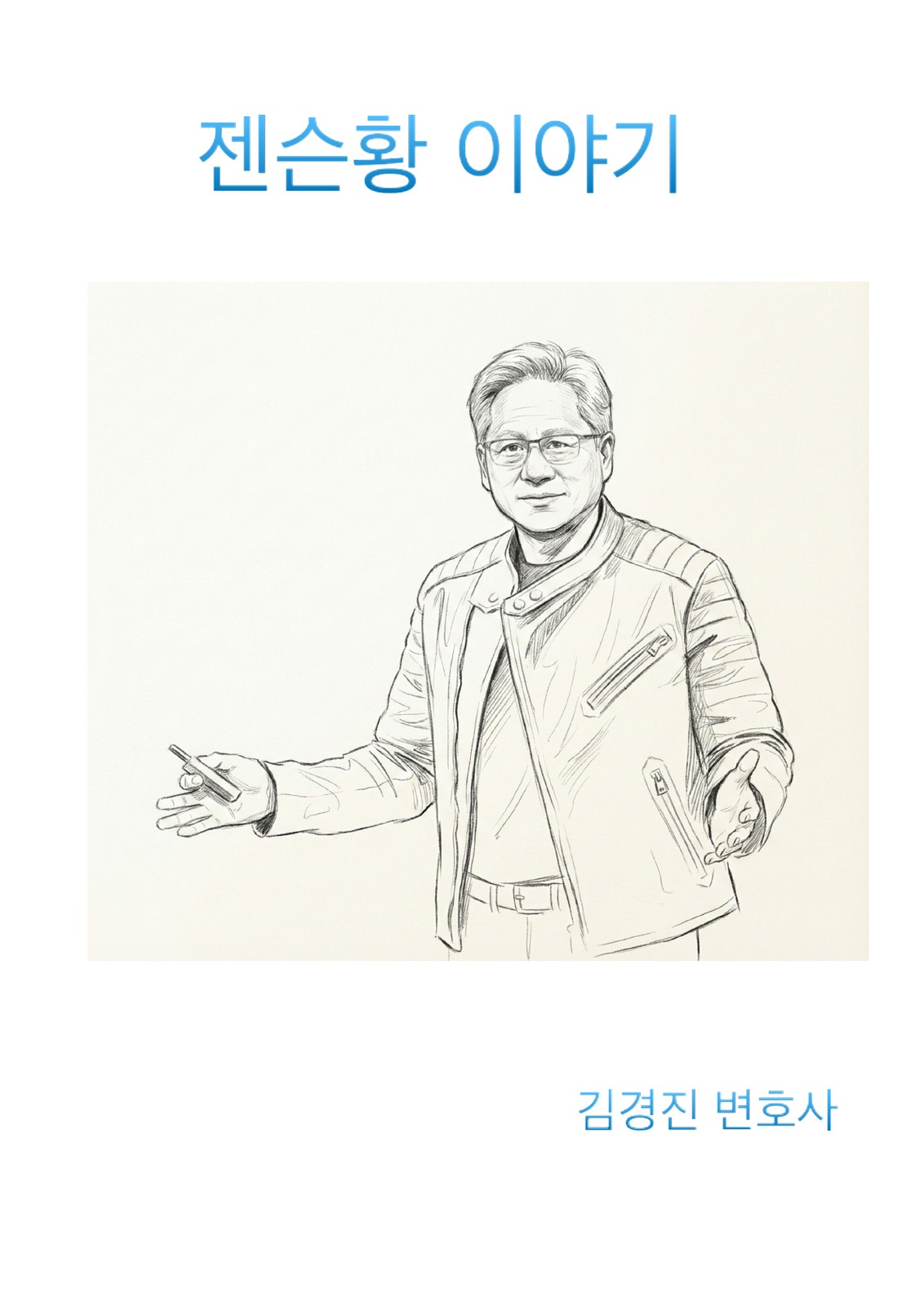
The Jensen Huang Story

Kim Kyung-jin

Table of Contents, Preface, 13 Chapters, Epilogue

The Jensen Huang Story is an online AI Library book by Kim Kyung-jin. It covers Jensen Huang, NVIDIA, GPUs, AI chips, and the AI industry.

Share

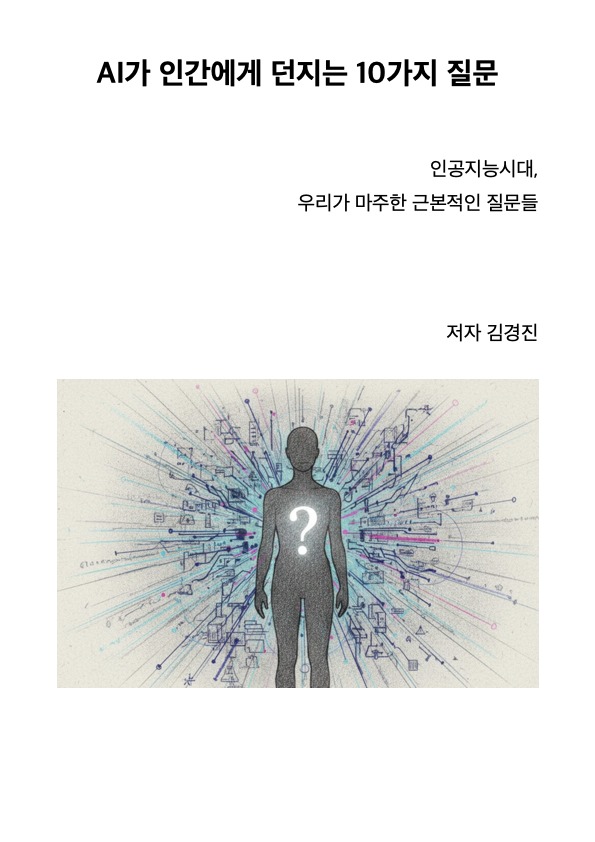
Ten Questions AI Poses to Humanity book cover

12 posts available

Ten Questions AI Poses to Humanity

Kim Kyung-jin

Table of Contents, Preface, 10 Chapters

Ten Questions AI Poses to Humanity is an online AI Library book by Kim Kyung-jin. It asks how artificial intelligence changes truth, weapons, work, data, identity, and human control.

Share

Malaysia and the Malacca Strait book cover

23 posts available

Malaysia and the Malacca Strait: Whoever Controls It Controls the World

Kim Kyung-jin

Table of Contents, Preface, 20 Chapters, Epilogue

Malaysia and the Malacca Strait is an online AI Library book by Kim Kyung-jin. It covers Malaysia, the Malacca Strait, maritime logistics, geopolitics, global trade, and Southeast Asia’s strategic future.

Share

Georgia history and culture travel book cover

24 posts available

A Journey Through Georgia’s History and Culture

Kim Kyung-jin

Table of Contents, Preface, 17 Chapters, 4 Appendices, Epilogue

A Journey Through Georgia’s History and Culture is an online AI Library book by Kim Kyung-jin. It covers Georgia’s history, culture, religion, politics, travel, and the Caucasus crossroads between Europe and Asia.

Share

Reading Armenia book cover

13 posts available

Reading Armenia: A Thousand Prayers, One Mountain

Kim Kyung-jin

Table of Contents, Preface, 10 Chapters, Epilogue

Reading Armenia: A Thousand Prayers, One Mountain is an online AI Library book by Kim Kyung-jin. It covers Armenian history, faith, Mount Ararat, cultural memory, travel, and the endurance of a small nation.

Share

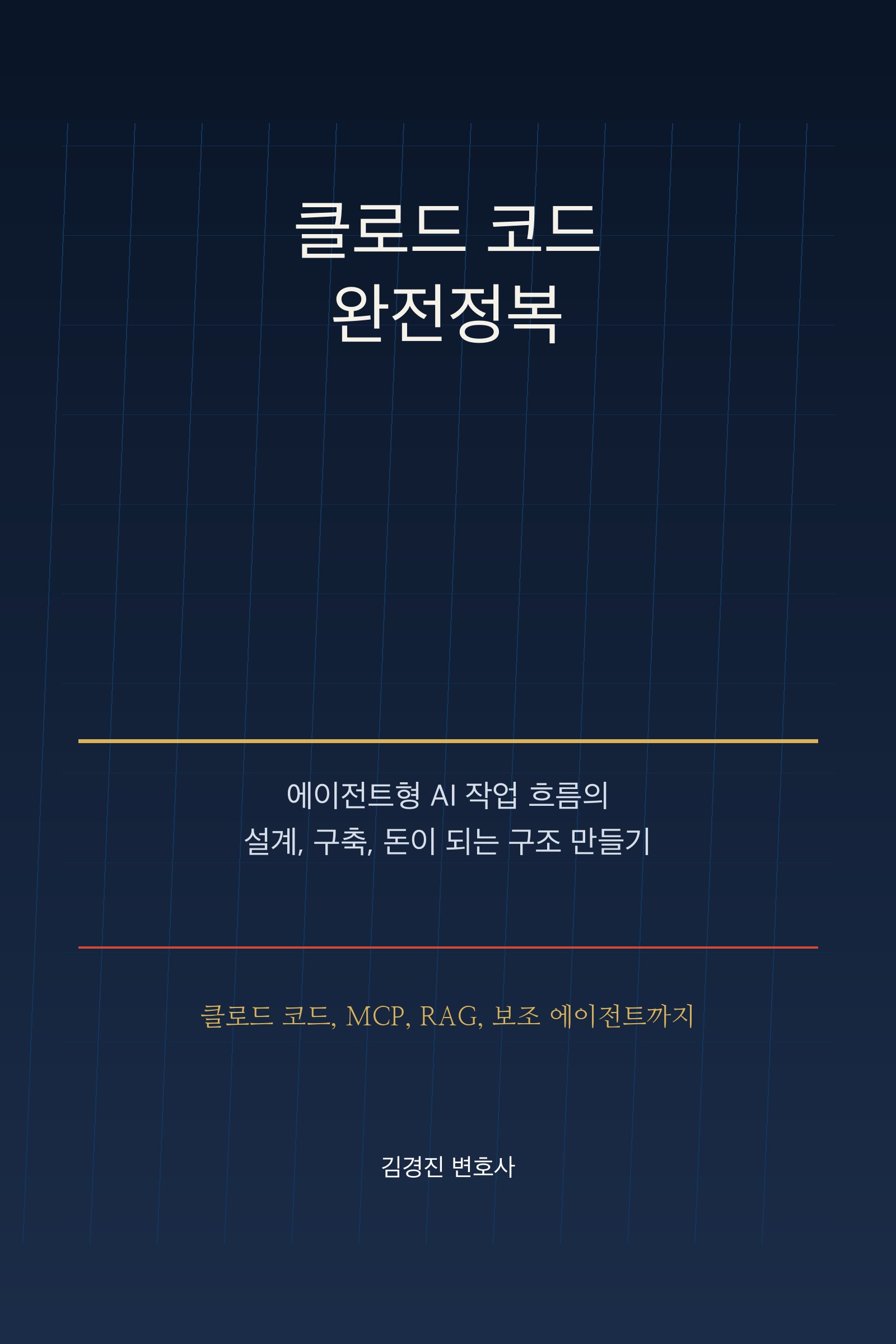
Mastering Claude Code book cover

41 posts available

Mastering Claude Code

Kim Kyung-jin

Table of Contents, Preface, Chapters, Appendices

Mastering Claude Code is an online AI Library book by Kim Kyung-jin. It covers Claude Code setup, commands, workflows, automation, agents, and practical methods for using Claude Code in real work.

Share

Claude Cowork and Agent manual book cover

11 posts available

Claude Cowork and Agent Utilization Manual

Kim Kyung-jin

Table of Contents, Preface, 8 Chapters, Closing Note

Claude Cowork and Agent Utilization Manual is an online AI Library book by Kim Kyung-jin. It covers Claude Code, AI agents, coding automation, work automation, and practical agent-based collaboration.

Share

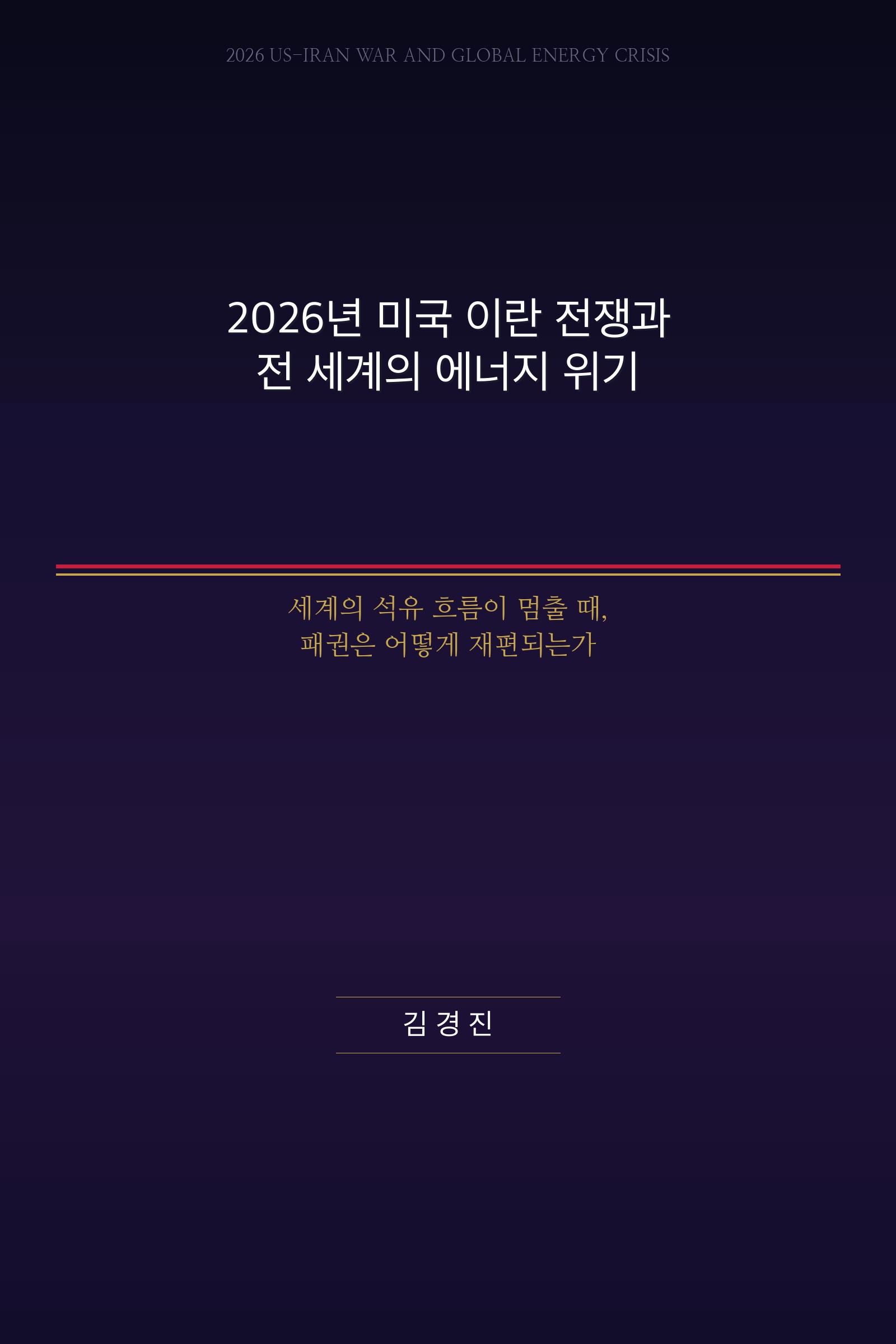
2026 U.S.-Iran War and the Global Energy Crisis book cover

39 posts available

The 2026 U.S.-Iran War and the Global Energy Crisis

Kim Kyung-jin

Table of Contents, Preface, Chapters and Appendices

The 2026 U.S.-Iran War and the Global Energy Crisis is an online AI Library book by Kim Kyung-jin. It covers war, oil, the Strait of Hormuz, maritime security, energy markets, and the global consequences of conflict.

Share

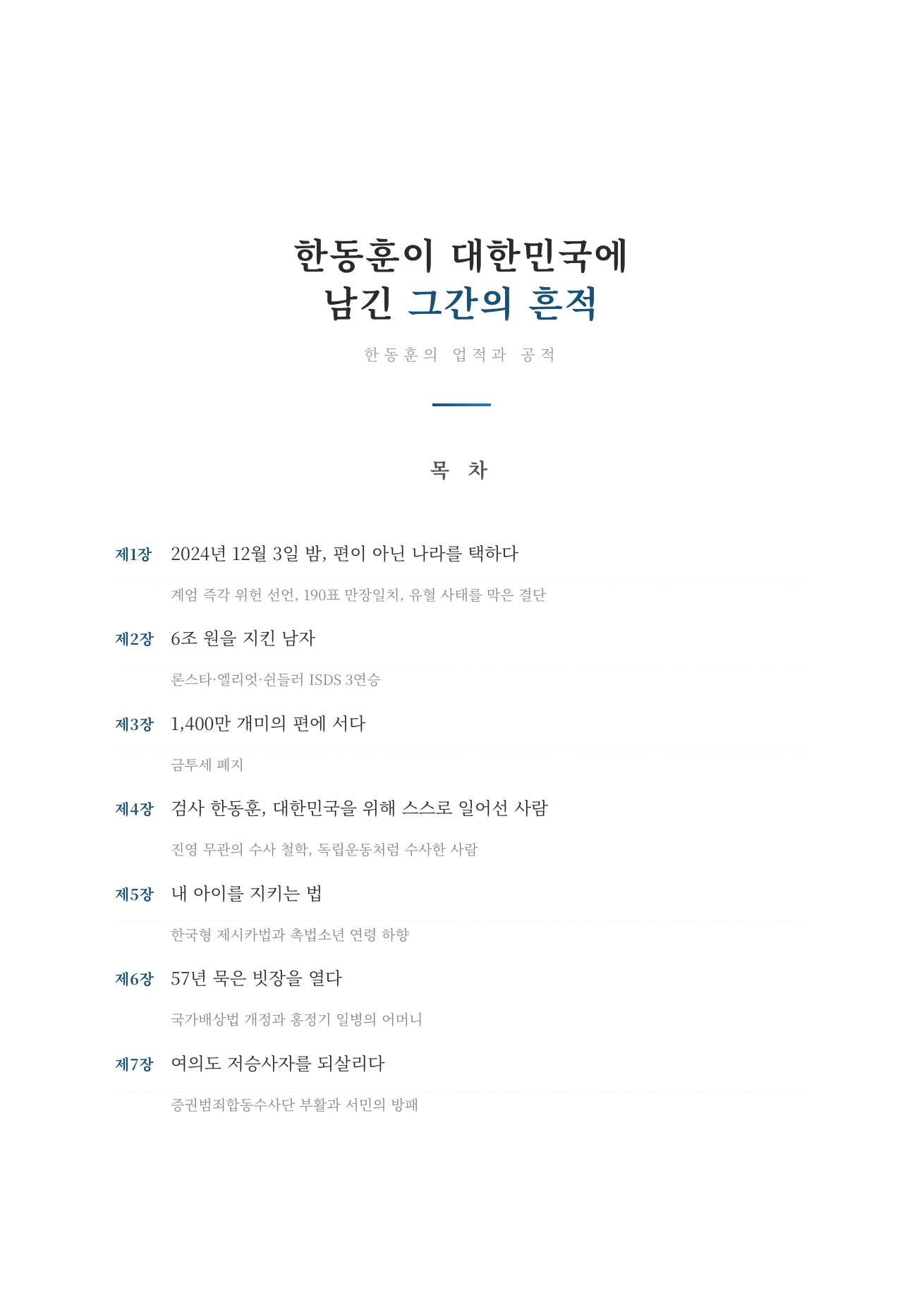
The Traces Han Dong-hoon Left on South Korea book cover

13 posts available

The Traces Han Dong-hoon Left on South Korea

Kim Kyung-jin

Table of Contents, Prologue, Chapters, Epilogue

The Traces Han Dong-hoon Left on South Korea is an online AI Library book by Kim Kyung-jin. It examines his record in justice policy, immigration reform, public institutions, and the structural questions facing South Korea.

Share

The Han Dong-hoon Story book cover

39 posts available

The Han Dong-hoon Story

Kim Kyung-jin

Table of Contents, Prologue, Chapters, Epilogue

The Han Dong-hoon Story is an online AI Library book by Kim Kyung-jin. It traces Han Dong-hoon’s life, public career, political choices, and the changing landscape of South Korean conservative politics.

Share

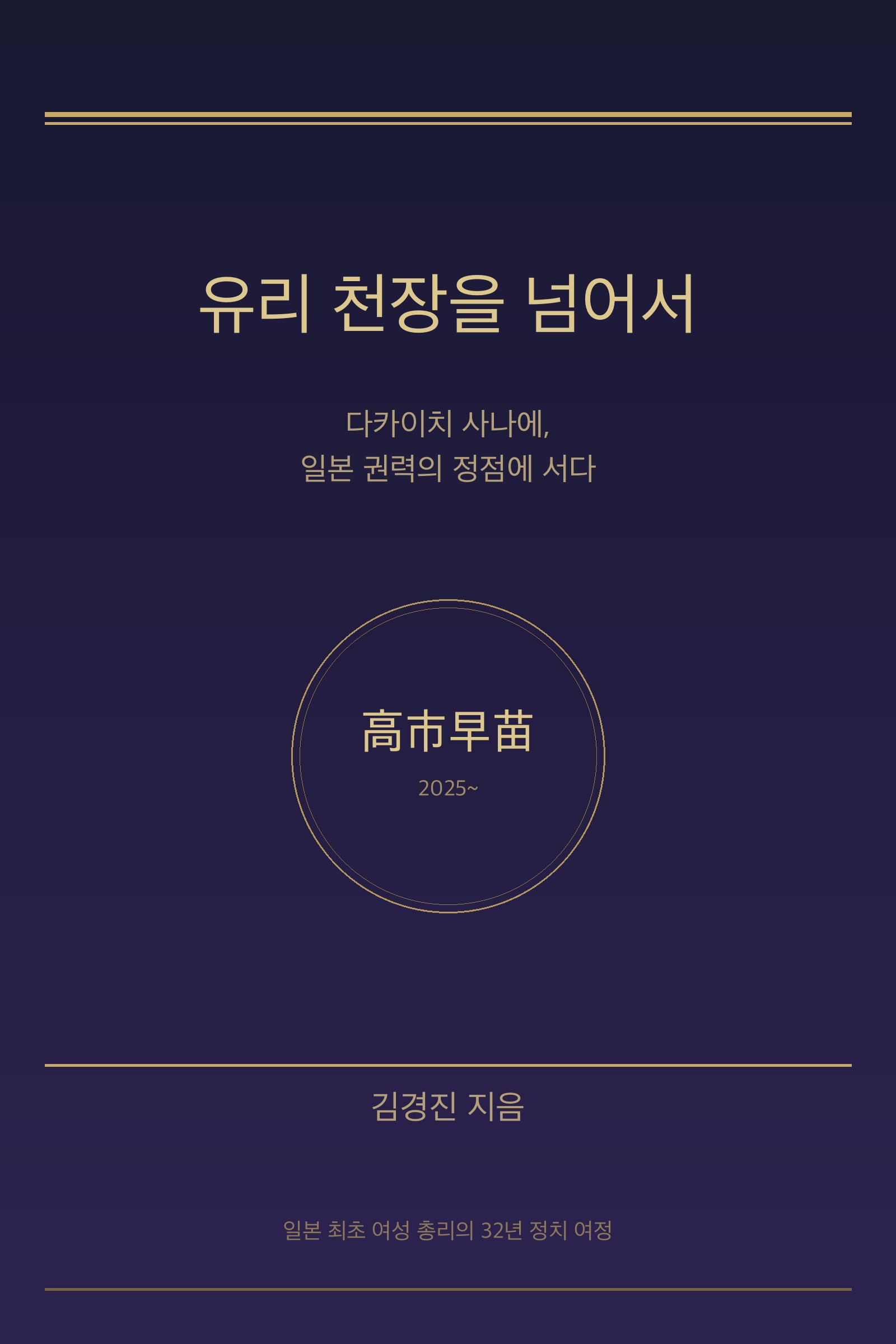
Beyond the Glass Ceiling cover

39 entries

Beyond the Glass Ceiling

Kim Kyung-jin

Table of contents, prologue, 31 chapters, epilogue, 5 appendices

A political biography tracing Sanae Takaichi’s rise from Nara to Japan’s premiership, through party struggles, security policy, diplomacy, and the meaning of Japan’s first female prime minister.

Share

AI Hegemony War book cover

8 posts available

AI Hegemony War

Kim Kyung-jin

Table of Contents, 7 Chapters

An online AI Library book by Kim Kyung-jin on AI superintelligence, the U.S.-China technology race, Europe and Korea’s AI laws, and international AI governance.

Share

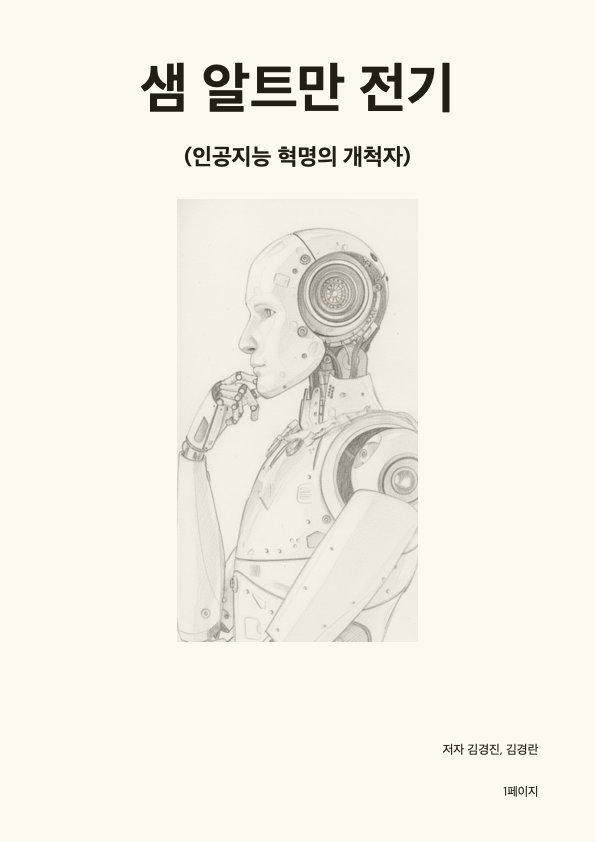
Sam Altman Biography: Pioneer of the AI Revolution cover

22 posts

Sam Altman Biography: Pioneer of the AI Revolution

Kim Kyung-jin, Kim Kyung-ran

Table of contents, preface, 7 parts, 20 chapters

An online biography following Sam Altman’s childhood, startups, Y Combinator, OpenAI, ChatGPT, the 2023 board crisis, and his sense of responsibility in the AI era.

Share

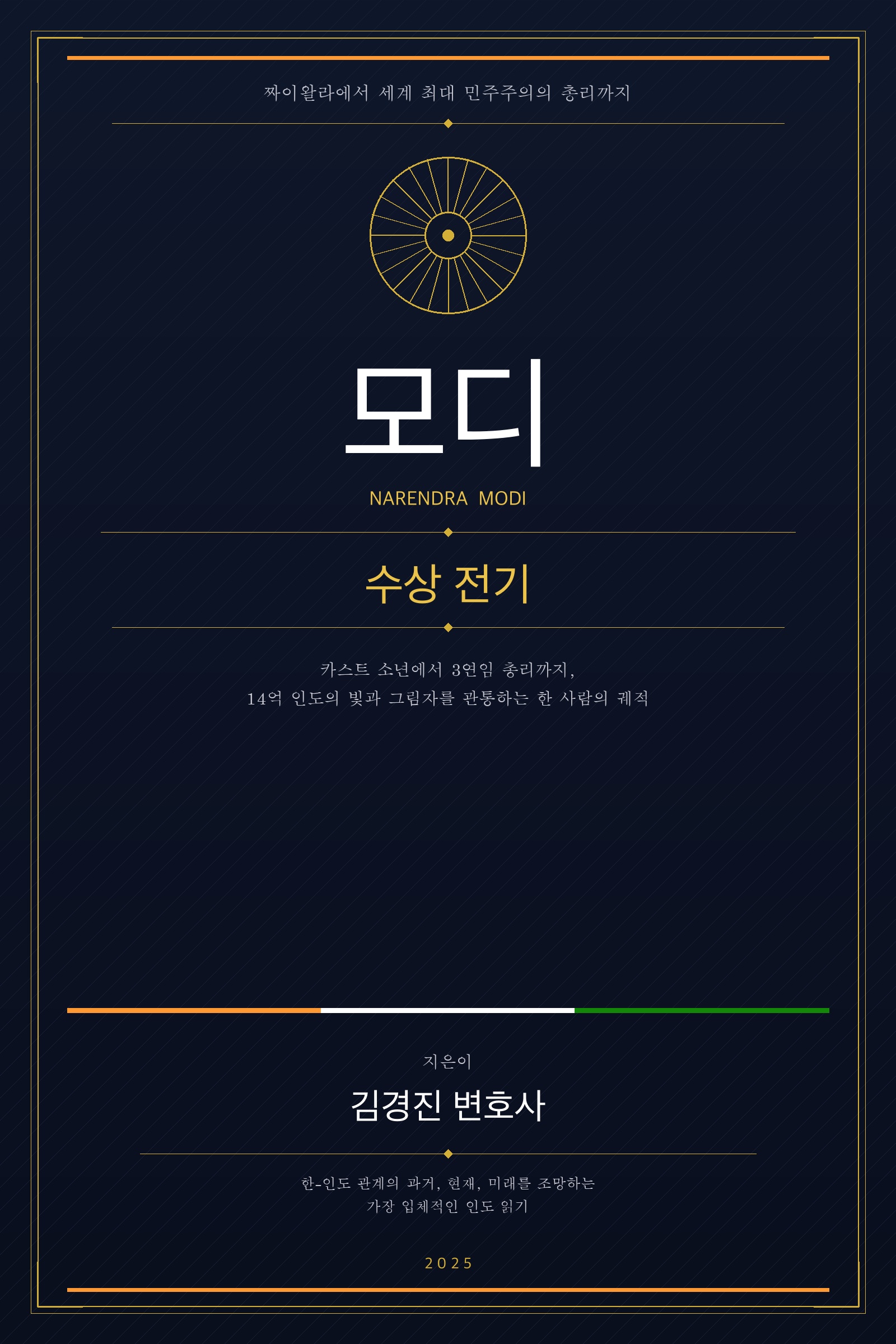
From Chaiwala to Prime Minister cover

13 entries

From Chaiwala to Prime Minister

Kim Kyung-jin

Table of contents, preface, 10 chapters, epilogue

A political biography tracing Narendra Modi from a chai-selling boy in Vadnagar to RSS organizer, Gujarat chief minister, and three-term prime minister, while reading modern India, Korea-India relations, and the risks of a rising power.

Share

AI Classroom: Your Grades Will Change book cover

26 posts available

AI Classroom: Your Grades Will Change

Kim Kyung-jin

Table of Contents, Preface, 24 Sections

An online AI Library book by Kim Kyung-jin on how AI can support elementary, middle, and high school learning, teaching, assessment, and educational equity.

Share

Military Artificial Intelligence cover

17 entries

Military Artificial Intelligence

Kim Kyung-jin and Kim Won-tae

Table of contents, preface, 14 chapters, epilogue

A full-length study of military artificial intelligence, from autonomous weapons, drones, command systems, logistics, and cyber defense to the strategies of the United States, China, Israel, Korea, and global defense AI companies.

Share

Global Case Studies in Introducing AI into Public Administration book cover

25 posts available

Global Case Studies in Introducing AI into Public Administration

Kim Kyung-jin

Table of Contents, 23 Chapters, Epilogue

An online AI Library book by Kim Kyung-jin on public-sector AI adoption, national strategies, administrative services, governance, and future policy tasks.

Share

Seven Misunderstandings About the Arctic Route book cover

10 posts available

Seven Misunderstandings About the Arctic Route

Kim Kyung-jin

Table of Contents, Preface, 7 Chapters, Epilogue

An online AI Library book by Kim Kyung-jin on seven common misunderstandings about the Arctic Route, including speed, liner service, insurance, safety rules, year-round access, carbon impact, and infrastructure.

Share

Artificial Intelligence Election cover

14 posts

Artificial Intelligence Election

Kim Kyung-jin

Table of contents, author preface, 11 chapters, closing essay

An online book on campaign messaging, publicity materials, digital campaigning, data analysis, campaign operations, disinformation defense, legal risk, and ready-to-use prompts.

Share

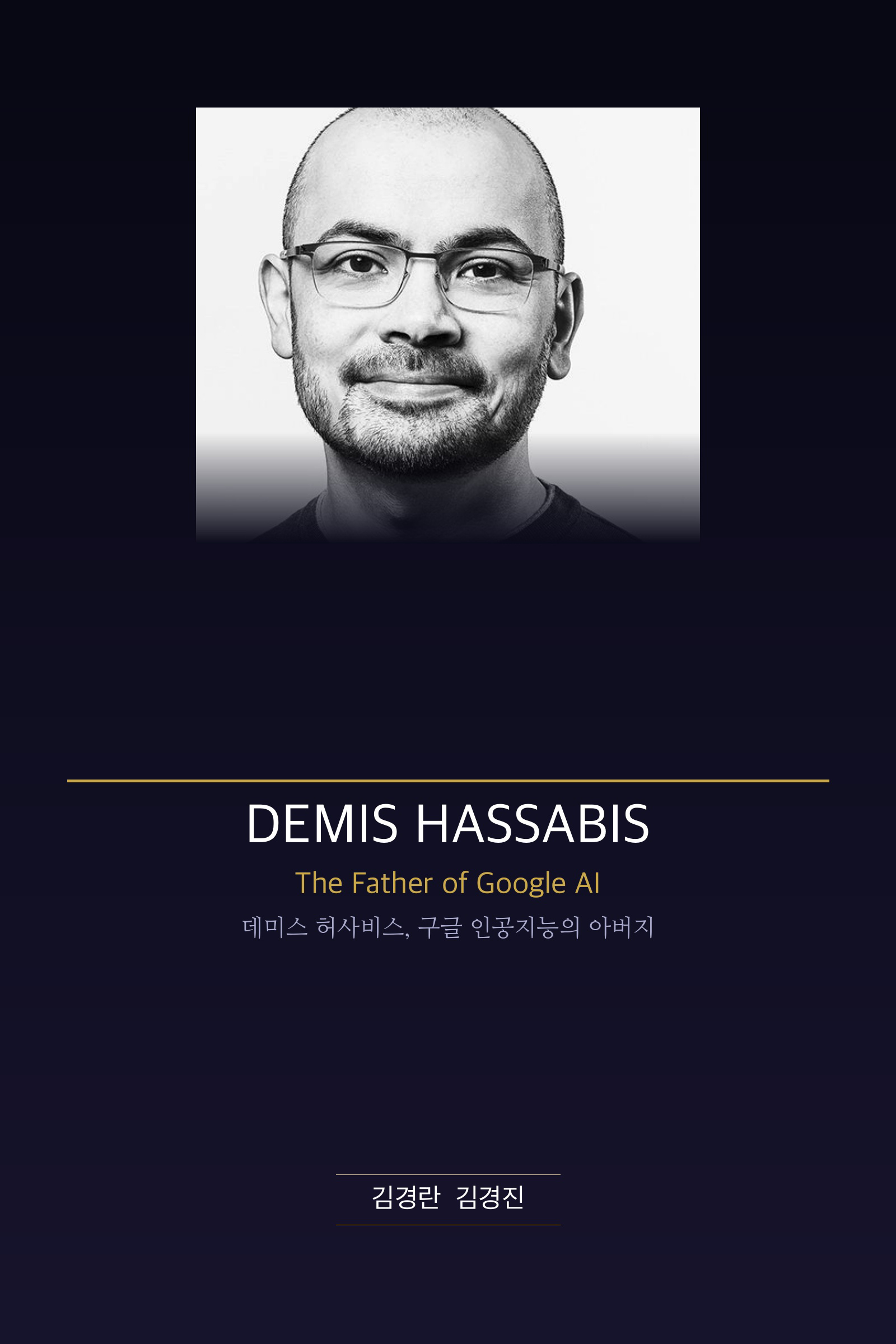
Demis Hassabis book cover

34 posts available

Demis Hassabis, Father of Google’s Artificial Intelligence

Kim Kyung-ran, Kim Kyung-jin

Table of Contents, Author’s Preface, 31 Chapters, Epilogue

Demis Hassabis, Father of Google’s Artificial Intelligence is an online AI Library book by Kim Kyung-ran, Kim Kyung-jin. It covers Demis Hassabis, Google DeepMind, artificial intelligence, AlphaGo, AI research and is organized as Table of Contents, Author’s Preface, 31 Chapters, Epilogue.

Share

The Dhammapada 423 Verses book cover

28 posts available

The Dhammapada: 423 Verses

Kim Kyung-jin

Table of Contents, Editor’s Note, 26 Chapters, 423 Verses

An online AI Library book by Kim Kyung-jin. This edition arranges all 423 verses of the Dhammapada into 26 chapters for slow, poetic reading.

Share

Nano Banana Pro Practical Prompt Book cover

24 posts

Nano Banana Pro Practical Prompt Book

Kim Kyung-jin

6 parts, 22 chapters, classroom prompt appendix

An online book for using Nano Banana Pro in classes and real work, covering image generation, editing, text rendering, character consistency, business use cases, and monetization.

Share

Liberal Arts AI for College Students book cover

16 posts available

Liberal Arts AI for College Students

Kim Kyung-jin

Table of Contents, Preface, 13 Chapters, Closing Essay

An online AI Library textbook for college students. It introduces AI history, daily use, document work, research, images, presentations, video, productivity, learning, careers, copyright, and governance.

Share

Legal Practice and Artificial Intelligence book cover

16 posts available

Legal Practice and Artificial Intelligence

Kim Kyung-jin

Table of Contents, Preface, 14 Parts

An online AI Library book by Kim Kyung-jin on legal research, drafting, evidence analysis, contract review, NotebookLM, and practical generative AI workflows for legal practice.

Share

Hello, I Am Kim Kyung-jin book cover

10 posts available

Hello, I Am Kim Kyung-jin

Kim Kyung-jin

Table of Contents, Preface, Recommendations, 6 Chapters, Closing

An online AI Library book on Kim Kyung-jin’s life, science and technology policy, parliamentary diplomacy, legislative battles, Dongdaemun vision, and proposals for Korea’s demographic future.

Share

Politics and People book cover

25 posts available

Politics and People

Kim Kyung-jin

Table of Contents, Prologue, 22 Chapters, Epilogue

An online AI Library book by Kim Kyung-jin on how politics begins with reading people, winning trust, keeping relationships, and enduring seasons of crisis.

Share

[AI Library] Chapter 26: Broadcasting and Power — The Legacy of the "Wave-Stop" Remark

Beyond the Glass Ceiling
Author
Kim Kyung-jin
Date
2026-05-07 03:34
Views
402

Beyond the Glass Ceiling

Part 8: The Shadow of Power

Chapter 26: Broadcasting and Power — The Legacy of the "Wave-Stop" Remark

Kim Kyung-jin

On the morning of February 8, 2016, in a budget committee meeting room of the Japanese Diet, an opposition lawmaker took the microphone. He asked Takaichi Sanae, the Minister of Internal Affairs and Communications: "If a television station repeatedly broadcasts content opposing the amendment of Article 9 of the Constitution, is it possible to issue a suspension of broadcasting operations?"

There was a brief silence. Takaichi rose from her seat and answered slowly.

"In cases where a broadcaster repeatedly violates political impartiality and shows no improvement even after administrative guidance, I cannot promise that we would take no action at all."

The moment those words were spoken, several people in the room exchanged glances. They intuitively grasped the ripple effects this statement would create.

The following morning, every major newspaper in Japan featured the remark on its front page. The Japan Federation of Commercial Broadcasting Workers' Unions (Minpo Roren) issued a statement of protest. The Tokyo Bar Association published its own statement. The Communist Party criticized it as an "expression of an authoritarian temperament." In a public opinion poll, 67.4 percent of respondents replied that the remark "threatened or somewhat threatened" the freedom of the press.

Takaichi did not back down an inch. She maintained that she was simply explaining a legal interpretation. Article 4 of the Broadcasting Act stipulates the duties that broadcasters must uphold, and Article 174 outlines the suspension of broadcasting operations as a penalty for violations. Her position was that since she had been asked how those provisions apply in reality, she answered based on the letter of the law.

However, that was not the true heart of the debate.

Article 4 of the Broadcasting Act was enacted in 1950. Its content consists of four points: not to harm public order or good customs; to be politically impartial; not to distort the facts; and to clarify various perspectives on issues where opinions are divided.

On the surface, these provisions seem obvious. However, the legal interpretation surrounding this article has been a subject of debate for over 70 years.

The majority view among constitutional scholars and media law experts is that the political impartiality regulation in Article 4 is a code of ethics that broadcasters should observe voluntarily. It is not intended to be a basis for the government to judge violations and issue administrative sanctions such as suspending broadcasts. If interpreted that way, it becomes a tool for the government to censor broadcasting content.

A competing interpretation exists. Broadcasters, who use public airwaves, are different from general magazines or newspapers. Airwaves require a license, and the government is the one that manages those licenses. Suspending or revoking a license when the duties accompanying it are not fulfilled is a basic principle of administration.

The line between these two interpretations is not clear. There is no judicial precedent; the judiciary has never made a final ruling.

What Takaichi did was publicly declare an interpretation favorable to the government in this gray zone. The words "suspension of broadcasting operations is possible" coming from the Minister of Internal Affairs and Communications have no legal force, but they have a practical effect. When broadcasters hear those words, their thoughts are simple: Can this minister really do that, and can we afford to take that risk?

It was after this that the term "Takaichi Phobia (高市恐怖症)" emerged within the broadcasting industry.

Journalists and producers on the front lines of Japanese broadcasting use this term. It refers to the phenomenon of self-restraint—refraining from reporting that might offend Minister Takaichi, even without official instructions. This is the phobia. It is not irrational like a medical diagnosis; it is a self-limitation born of rational calculation.

During the year 2016, three prominent Japanese television news anchors stepped down almost simultaneously. Shimada Toshiaki of NHK, Koga Shigeaki of TV Asahi, and Kishii Shigeaki of TBS each left their positions. All of them were figures known for their critical tone toward the government.

Was it a coincidence? The broadcasters each offered their own reasons: contract expiration, viewership ratings, or personal choice. However, media organizations and researchers expressed suspicion regarding the simultaneous disappearance of critical journalists. It happened not long after the remarks about the Broadcasting Act.

Whether this was a matter of cause-and-effect or mere correlation cannot be proven. Self-censorship is invisible. Reports that were never made, commentaries deleted during the editing process, and special features that were never planned in the first place leave no records.

However, the World Press Freedom Index by Reporters Without Borders (RSF) does leave a record.

In 2016, Japan's ranking plummeted to 72nd. It was an 11-place drop from 61st the previous year. In its report, RSF wrote that "political pressure, corporate interests, and gender inequality often prevent journalists from fully exercising their role as a watchdog." It pointed out that the government and corporations "routinely exert pressure" on the management of mainstream media outlets, which leads to "strong self-censorship on sensitive subjects."

In 2024, Japan ranked 70th, and in 2025, it reached 66th. While the rank rose slightly, its position as the lowest among the G7 nations remained unchanged. Among the G7, the United States (55th), France (21st), Germany (10th), the United Kingdom (24th), Canada (19th), and Italy (46th) were all ahead.

In a group of advanced nations that profess democracy, Japan alone lags behind in press freedom. Why?

NHK is Japan's public broadcaster. Although it is funded by license fees, the members of its Board of Governors are appointed by the Cabinet. This structure creates questions about its independence. It is difficult for any country's public broadcaster to be completely free from government influence. However, in Japan's case, many point out that the relationship is exceptionally close.

The situation for commercial broadcasters is different. Why do private broadcasting companies, which operate on advertising, worry about the government? The reason lies in their permits. To operate a broadcasting station, a permit for airwave usage is required, and that permit must be renewed every five years. The Ministry of Internal Affairs and Communications is the body that decides on these renewals. When the Minister said "suspension of broadcasting operations is possible," what the management of these companies likely thought of was permit renewal.

This structure is not unique to Japan. Many countries operate a broadcasting permit system. However, differences arise in the transparency of the renewal process, the existence of independent review bodies, and the strength of legal mechanisms to prevent political interference.

A comparison with South Korea is interesting. In Korea, too, the relationship between the Broadcasting Act and the media is a hot political topic. The independence of the Korea Communications Commission, the composition of the boards of public broadcasters, and pressure regarding reporting critical of the government are issues that recur. Regardless of which government is in power, the temptation to control broadcasting exists. The strength of the institutional safeguards against that temptation determines the quality of democracy.

Both Japan and Korea are places where this question must continue to be asked.

In October 2025, Takaichi Sanae was inaugurated as Prime Minister.

The term "Takaichi Phobia" once again circulated in the broadcasting industry. The person who had made those remarks as Minister of Internal Affairs and Communications nine years ago was now Prime Minister. This was a position with far greater power—the position that appoints the Minister of Internal Affairs and Communications and can influence overall broadcasting policy.

Since her inauguration, no direct pressure on broadcasters has been reported in official records. There have been no instances of executing or hinting at broadcast suspension orders. Prime Minister Takaichi held press conferences, and each broadcaster covered them. On the surface, things appeared normal.

However, deterrence works differently. Just as nuclear weapons exert strategic influence through nuclear deterrence even when they are not used, the possibility of broadcast suspension influences the behavior of broadcasters even when the measure is not actually employed. A wielder of power who once said it was "possible" had now reached the apex of that power.

Reporters Without Borders closely monitored the Japanese media environment after the launch of the Takaichi Cabinet. Time will tell what changes Japan will show in the Press Freedom Index.

Regarding the relationship between broadcasting and power, democratic theory has established clear principles.

The media must be a watchdog of power. It is the function of the press to inform the public when the government commits a wrongdoing. Two conditions are necessary for this function to operate. First, the media must be independent of power. Second, that independence must be institutionally guaranteed.

It is difficult for broadcasting to satisfy both conditions simultaneously. This is due to the structural characteristic of requiring government permits to use airwaves. Print or internet media can be operated without such permits. Broadcasting alone possesses this inherent dependency.

Efforts to minimize this dependency have been made in countries with advanced press freedom. These institutional mechanisms include creating independent regulatory bodies to separate permit decisions from the executive branch, clearly legislating the conditions for permit renewals, and focusing on structural regulation rather than content regulation.

Do these mechanisms function sufficiently in Japan? Takaichi's 2016 remarks brought that question back to the surface. And in 2025, when the person who made those remarks became Prime Minister, the question became even more acute.

This issue will not be unfamiliar to Korean readers. In Korea, controversies over media capture, conflicts regarding the composition of public broadcasting boards, and the politicization of appointing heads of media outlets are repeated. Every time the administration changes, a battle breaks out over the governance of broadcasting.

This battle does not stem merely from a hunger for power. The influence that broadcasting has on elections and public opinion creates a motive for the powerful to control it. In turn, broadcasters become mindful of that power. it is a vicious cycle.

There are two ways to break this cycle: changing the system or resisting. Changing the system is achieved through legislation, while resistance comes from the professional courage of journalists.

Have both worked sufficiently in Japan? There were certainly bar associations that issued protest statements against Takaichi's 2016 remarks and journalists who raised their voices in resistance. However, the system did not change.

One of the tests facing Takaichi Sanae as Prime Minister is precisely this: How will she define the relationship with broadcasting while her remarks from nine years ago follow her like a shadow? To argue that those remarks were a legal explanation rather than a threat, it is not enough to simply refrain from exercising that authority. The true proof lies in creating an environment where broadcasters can report without fear.

Whether that proof will be provided remains to be seen. For now, it is time to reserve judgment. However, there were those remarks in 2016, and there is analysis that they created a chilling effect on the broadcasting field. And the person who made those remarks has become Prime Minister. History will record what the connection between these facts means.

References

- Tokyo Bar Association Protest Statement (2016): https://www.toben.or.jp/message/seimei/post-425.html - Minpo Roren Protest Statement: https://www.minpororen.jp/?p=293 - RSF Japan Press Freedom Report: https://rsf.org/en/country/japan - Japan Times — Japan's G7-lowest press freedom ranking (2025): https://www.japantimes.co.jp/news/2025/05/03/japan/japan-press-freedom-ranking/ - East Asia Forum — Japanese Media Freedom and Politics: https://eastasiaforum.org/2024/07/16/politics-puppeteers-japans-press-freedom/

Kim Kyung-jin

Kim Kyung-jin AI Library

kimkj.com

© 2026. All rights reserved.

kimkj.com Home
Scroll to Top
kimkj.com Home