AI Library

AI Library

Books for Reading AI

Choose a book, then read it in order from the table of contents.
China's Robotics Industry 2026: The Age of Mass Production and Real-World Deployment cover

25 readings

China's Robotics Industry 2026: The Age of Mass Production and Real-World Deployment

Kim Kyung-jin

From the humanoid mass-production race to U.S.-China hegemony: the state of China's robotics industry in 2026. Table of Contents, Preface, 7 Parts / 23 Chapters, Epilogue

In a factory in Shenzhen, hundreds of humanoid robots repeat the same motion. This book traces the mass-production race between Unitree and UBTECH, the Optimus supply chain, real-world deployment sites, and where Korea stands amid the U.S.-China tech hegemony.

Crossing the Adolescence of Technology Cover

15 Parts in Total

Crossing the Adolescence of Technology

Kim Kyung-jin

Dario Amodei, Anthropic, and the Struggle Toward Controllable Intelligence. Table of Contents, Preface, Prologue, 12 Chapters, Epilogue

The struggle of a physicist who lost his father to create controllable artificial intelligence. The story of Dario Amodei and Anthropic clashing with the Pentagon and the White House, shaking the era with the scaling law and Constitutional AI.

37 Concrete Codex Use Cases cover

Book-style reading

37 Concrete Codex Use Cases

Kim Kyung-jin

From morning briefings to agent swarms: 37 real-world workflow automations

This guide gathers 37 ways to connect Codex and AI agents to real work: personal routines, data processing, marketing, sales, documents, development, and browser control.

Share

2026 Beijing: The Dangerous Dance of Two Giants book cover

16 posts available

2026 Beijing: The Dangerous Dance of Two Giants

Kim Kyung-jin

Table of Contents, Introduction, 13 Chapters, Epilogue

This book reads the Beijing summit through Hormuz, rare earths, Taiwan, Boeing, soybeans, AI chips, and Korea’s exposure to the U.S.-China bargain.

Share

Leaving It to AI and Stepping Away cover

27 posts

Leaving It to AI and Stepping Away

Kim Kyung-jin

A Complete Beginner’s Guide to YOLO Mode. Table of contents and 26 chapters

A beginner-friendly online book on YOLO mode in Claude Code and Codex. It explains how to let AI read files, write code, run commands, and finish work while keeping rollback, Docker sandboxing, and safety checks close at hand.

Share

Artificial Intelligence Fighter, Artificial Intelligence Air Force book cover

43 posts available

Artificial Intelligence Fighter, Artificial Intelligence Air Force

Kim Kyung-jin

Table of Contents, Preface, 40 Chapters, Epilogue

Artificial Intelligence Fighter, Artificial Intelligence Air Force is an online AI Library book by Kim Kyung-jin. It covers AI fighters, autonomous air power, unmanned combat aircraft, CCA, MUM-T, sixth-generation fighters and is organized as Table of Contents, Preface, 40 Chapters, Epilogue.

Share

Artificial Intelligence on Trial book cover

26 posts available

Artificial Intelligence on Trial

Attorney Kyungjin Kim

Table of Contents, Preface, 21 Chapters, 3 Appendices

Artificial Intelligence on Trial is an online AI Library book by Attorney Kyungjin Kim. It covers artificial intelligence and law, AI liability, algorithmic judgment, courts and technology and is organized as Table of Contents, Preface, 21 Chapters, 3 Appendices.

Share

PALANTIR book cover

16 posts available

PALANTIR: War, Surveillance, Artificial Intelligence

Attorney Kyungjin Kim

Table of Contents, Preface, 14 Chapters

PALANTIR: War, Surveillance, Artificial Intelligence is an online AI Library book by Attorney Kyungjin Kim. It covers Palantir, war, surveillance, artificial intelligence, data analytics, national security and is organized as Table of Contents, Preface, 14 Chapters.

Share

Brain Readers: Neuralink and the Final Human Revolution book cover

21 posts available

Brain Readers: Neuralink and the Final Human Revolution

Kim Kyung-jin

Table of Contents, Prologue, 18 Chapters, Epilogue

Brain Readers: Neuralink and the Final Human Revolution is an online AI Library book by Kim Kyung-jin. It follows Neuralink, brain-computer interfaces, brain data, medicine, neurorights, and the future of human enhancement.

Share

Artificial Intelligence and the Reshaping of Society book cover

16 posts available

Artificial Intelligence and the Reshaping of Society

Kim Kyung-jin

Table of Contents, Preface, 13 Chapters, Epilogue

Artificial Intelligence and the Reshaping of Society is an online AI Library book by Kim Kyung-jin. It follows how artificial intelligence changes work, education, inequality, cities, democracy, and human relationships.

Share

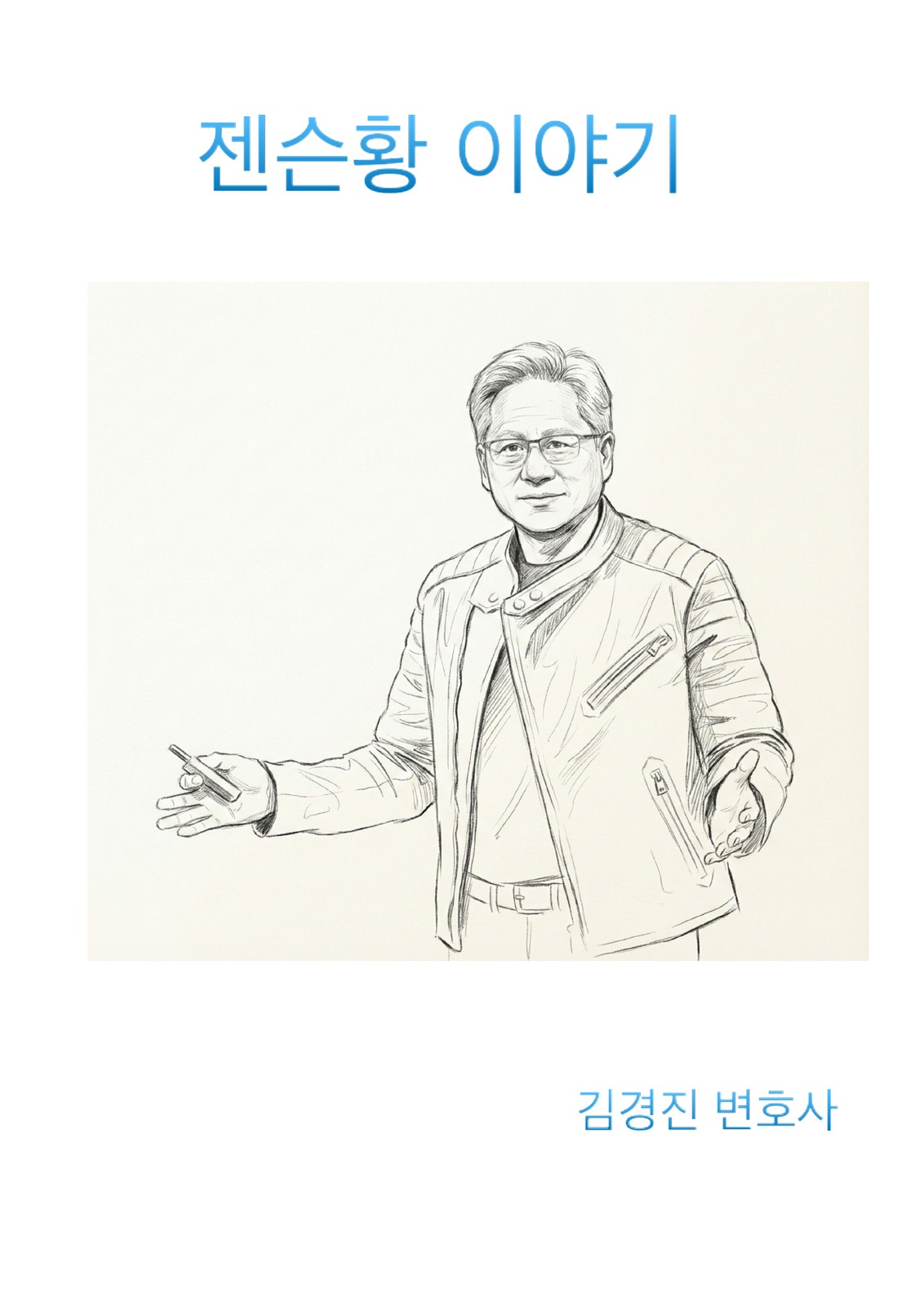
The Jensen Huang Story book cover

16 posts available

The Jensen Huang Story

Kim Kyung-jin

Table of Contents, Preface, 13 Chapters, Epilogue

The Jensen Huang Story is an online AI Library book by Kim Kyung-jin. It covers Jensen Huang, NVIDIA, GPUs, AI chips, and the AI industry.

Share

Ten Questions AI Poses to Humanity book cover

12 posts available

Ten Questions AI Poses to Humanity

Kim Kyung-jin

Table of Contents, Preface, 10 Chapters

Ten Questions AI Poses to Humanity is an online AI Library book by Kim Kyung-jin. It asks how artificial intelligence changes truth, weapons, work, data, identity, and human control.

Share

Malaysia and the Malacca Strait book cover

23 posts available

Malaysia and the Malacca Strait: Whoever Controls It Controls the World

Kim Kyung-jin

Table of Contents, Preface, 20 Chapters, Epilogue

Malaysia and the Malacca Strait is an online AI Library book by Kim Kyung-jin. It covers Malaysia, the Malacca Strait, maritime logistics, geopolitics, global trade, and Southeast Asia’s strategic future.

Share

Georgia history and culture travel book cover

24 posts available

A Journey Through Georgia’s History and Culture

Kim Kyung-jin

Table of Contents, Preface, 17 Chapters, 4 Appendices, Epilogue

A Journey Through Georgia’s History and Culture is an online AI Library book by Kim Kyung-jin. It covers Georgia’s history, culture, religion, politics, travel, and the Caucasus crossroads between Europe and Asia.

Share

Reading Armenia book cover

13 posts available

Reading Armenia: A Thousand Prayers, One Mountain

Kim Kyung-jin

Table of Contents, Preface, 10 Chapters, Epilogue

Reading Armenia: A Thousand Prayers, One Mountain is an online AI Library book by Kim Kyung-jin. It covers Armenian history, faith, Mount Ararat, cultural memory, travel, and the endurance of a small nation.

Share

Mastering Claude Code book cover

41 posts available

Mastering Claude Code

Kim Kyung-jin

Table of Contents, Preface, Chapters, Appendices

Mastering Claude Code is an online AI Library book by Kim Kyung-jin. It covers Claude Code setup, commands, workflows, automation, agents, and practical methods for using Claude Code in real work.

Share

Claude Cowork and Agent manual book cover

11 posts available

Claude Cowork and Agent Utilization Manual

Kim Kyung-jin

Table of Contents, Preface, 8 Chapters, Closing Note

Claude Cowork and Agent Utilization Manual is an online AI Library book by Kim Kyung-jin. It covers Claude Code, AI agents, coding automation, work automation, and practical agent-based collaboration.

Share

2026 U.S.-Iran War and the Global Energy Crisis book cover

39 posts available

The 2026 U.S.-Iran War and the Global Energy Crisis

Kim Kyung-jin

Table of Contents, Preface, Chapters and Appendices

The 2026 U.S.-Iran War and the Global Energy Crisis is an online AI Library book by Kim Kyung-jin. It covers war, oil, the Strait of Hormuz, maritime security, energy markets, and the global consequences of conflict.

Share

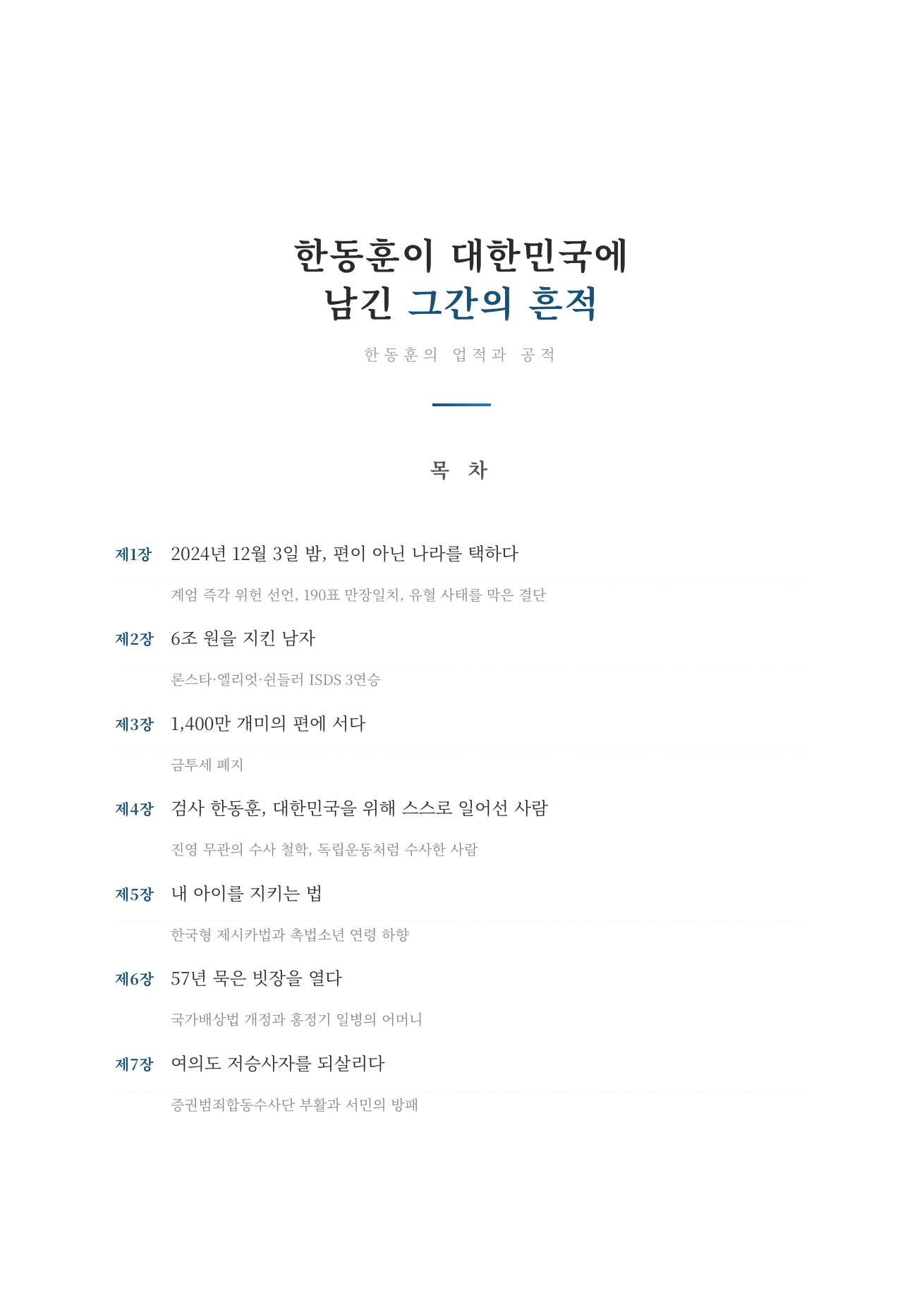
The Traces Han Dong-hoon Left on South Korea book cover

13 posts available

The Traces Han Dong-hoon Left on South Korea

Kim Kyung-jin

Table of Contents, Prologue, Chapters, Epilogue

The Traces Han Dong-hoon Left on South Korea is an online AI Library book by Kim Kyung-jin. It examines his record in justice policy, immigration reform, public institutions, and the structural questions facing South Korea.

Share

The Han Dong-hoon Story book cover

39 posts available

The Han Dong-hoon Story

Kim Kyung-jin

Table of Contents, Prologue, Chapters, Epilogue

The Han Dong-hoon Story is an online AI Library book by Kim Kyung-jin. It traces Han Dong-hoon’s life, public career, political choices, and the changing landscape of South Korean conservative politics.

Share

Beyond the Glass Ceiling cover

39 entries

Beyond the Glass Ceiling

Kim Kyung-jin

Table of contents, prologue, 31 chapters, epilogue, 5 appendices

A political biography tracing Sanae Takaichi’s rise from Nara to Japan’s premiership, through party struggles, security policy, diplomacy, and the meaning of Japan’s first female prime minister.

Share

AI Hegemony War book cover

8 posts available

AI Hegemony War

Kim Kyung-jin

Table of Contents, 7 Chapters

An online AI Library book by Kim Kyung-jin on AI superintelligence, the U.S.-China technology race, Europe and Korea’s AI laws, and international AI governance.

Share

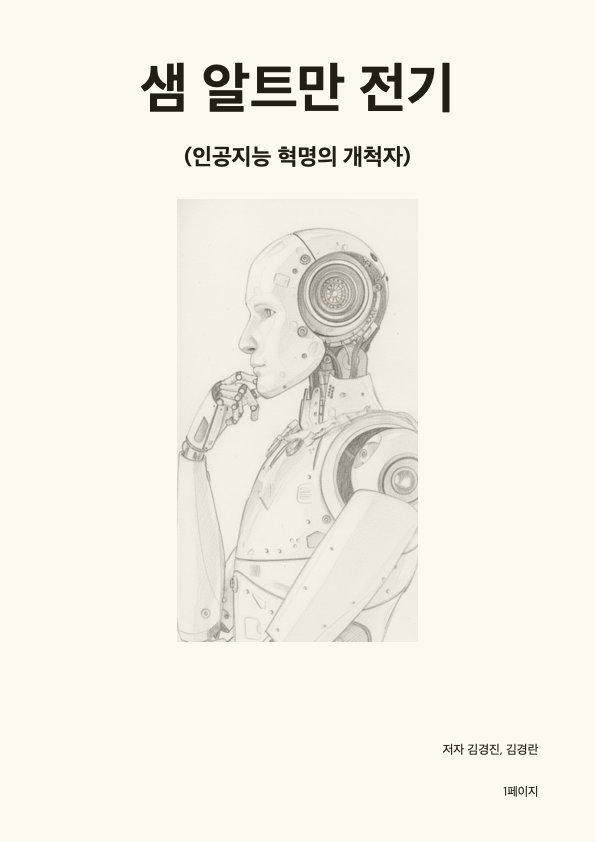
Sam Altman Biography: Pioneer of the AI Revolution cover

22 posts

Sam Altman Biography: Pioneer of the AI Revolution

Kim Kyung-jin, Kim Kyung-ran

Table of contents, preface, 7 parts, 20 chapters

An online biography following Sam Altman’s childhood, startups, Y Combinator, OpenAI, ChatGPT, the 2023 board crisis, and his sense of responsibility in the AI era.

Share

From Chaiwala to Prime Minister cover

13 entries

From Chaiwala to Prime Minister

Kim Kyung-jin

Table of contents, preface, 10 chapters, epilogue

A political biography tracing Narendra Modi from a chai-selling boy in Vadnagar to RSS organizer, Gujarat chief minister, and three-term prime minister, while reading modern India, Korea-India relations, and the risks of a rising power.

Share

AI Classroom: Your Grades Will Change book cover

26 posts available

AI Classroom: Your Grades Will Change

Kim Kyung-jin

Table of Contents, Preface, 24 Sections

An online AI Library book by Kim Kyung-jin on how AI can support elementary, middle, and high school learning, teaching, assessment, and educational equity.

Share

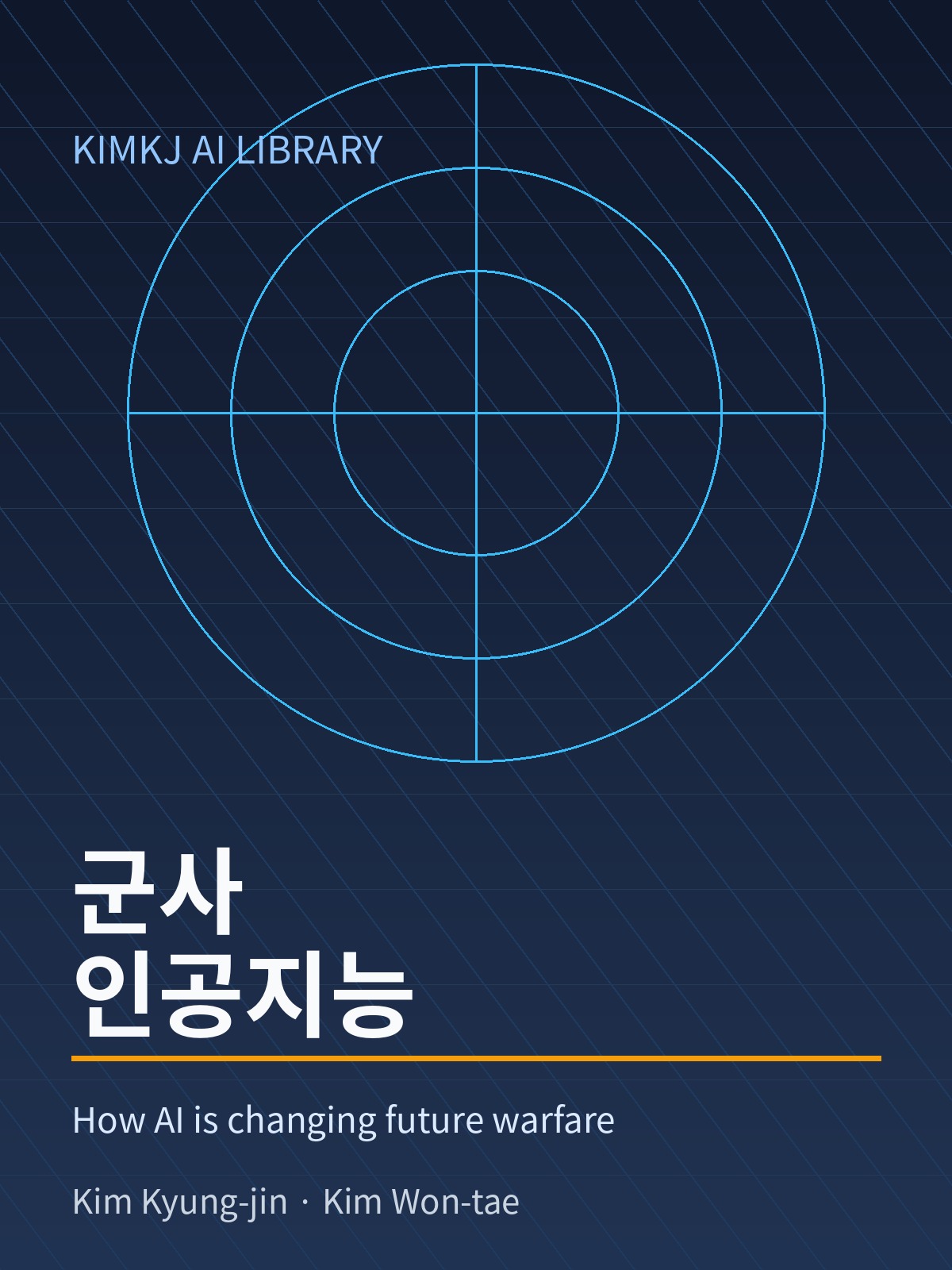
Military Artificial Intelligence cover

17 entries

Military Artificial Intelligence

Kim Kyung-jin and Kim Won-tae

Table of contents, preface, 14 chapters, epilogue

A full-length study of military artificial intelligence, from autonomous weapons, drones, command systems, logistics, and cyber defense to the strategies of the United States, China, Israel, Korea, and global defense AI companies.

Share

Global Case Studies in Introducing AI into Public Administration book cover

25 posts available

Global Case Studies in Introducing AI into Public Administration

Kim Kyung-jin

Table of Contents, 23 Chapters, Epilogue

An online AI Library book by Kim Kyung-jin on public-sector AI adoption, national strategies, administrative services, governance, and future policy tasks.

Share

Seven Misunderstandings About the Arctic Route book cover

10 posts available

Seven Misunderstandings About the Arctic Route

Kim Kyung-jin

Table of Contents, Preface, 7 Chapters, Epilogue

An online AI Library book by Kim Kyung-jin on seven common misunderstandings about the Arctic Route, including speed, liner service, insurance, safety rules, year-round access, carbon impact, and infrastructure.

Share

Artificial Intelligence Election cover

14 posts

Artificial Intelligence Election

Kim Kyung-jin

Table of contents, author preface, 11 chapters, closing essay

An online book on campaign messaging, publicity materials, digital campaigning, data analysis, campaign operations, disinformation defense, legal risk, and ready-to-use prompts.

Share

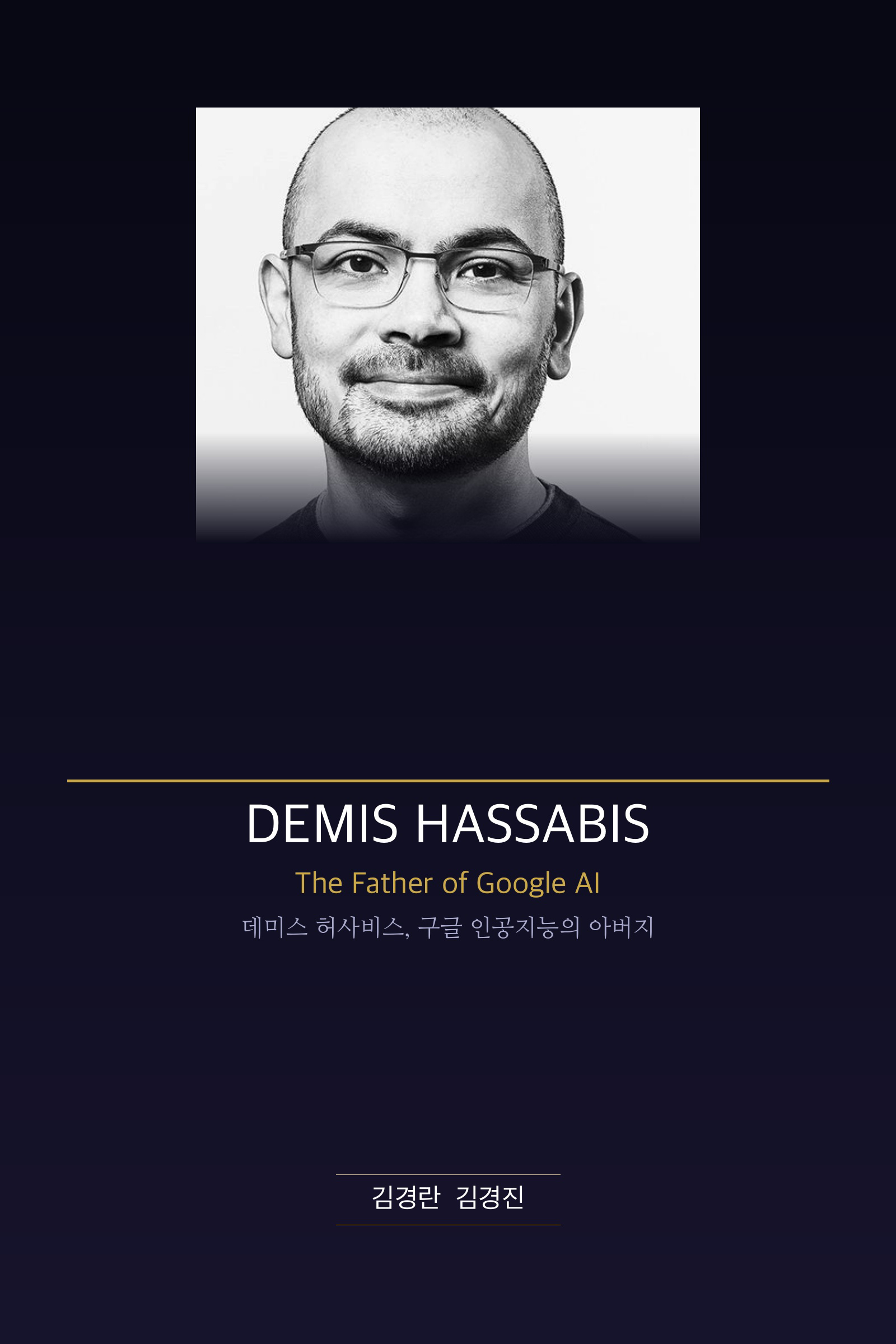
Demis Hassabis book cover

34 posts available

Demis Hassabis, Father of Google’s Artificial Intelligence

Kim Kyung-ran, Kim Kyung-jin

Table of Contents, Author’s Preface, 31 Chapters, Epilogue

Demis Hassabis, Father of Google’s Artificial Intelligence is an online AI Library book by Kim Kyung-ran, Kim Kyung-jin. It covers Demis Hassabis, Google DeepMind, artificial intelligence, AlphaGo, AI research and is organized as Table of Contents, Author’s Preface, 31 Chapters, Epilogue.

Share

The Dhammapada 423 Verses book cover

28 posts available

The Dhammapada: 423 Verses

Kim Kyung-jin

Table of Contents, Editor’s Note, 26 Chapters, 423 Verses

An online AI Library book by Kim Kyung-jin. This edition arranges all 423 verses of the Dhammapada into 26 chapters for slow, poetic reading.

Share

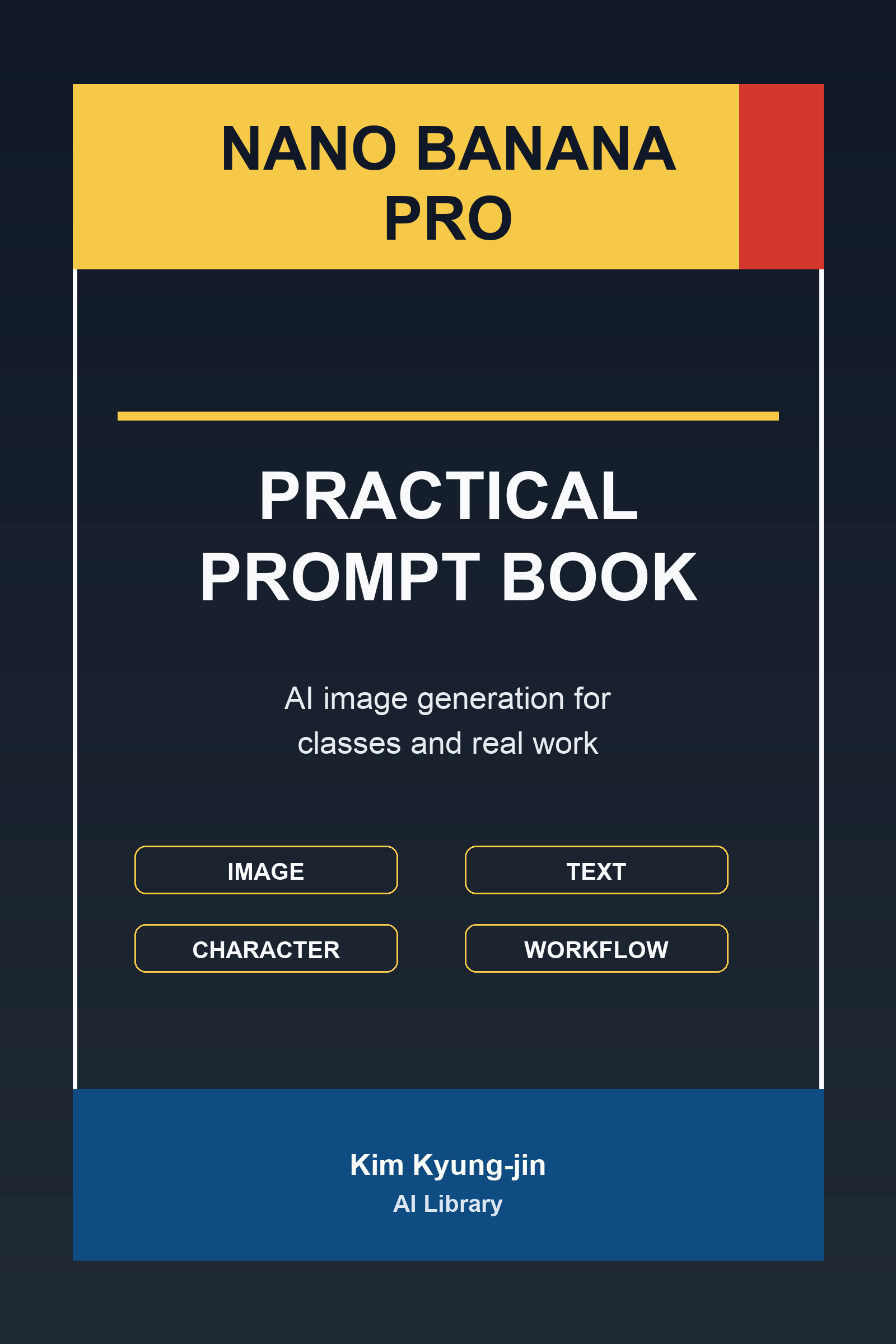
Nano Banana Pro Practical Prompt Book cover

24 posts

Nano Banana Pro Practical Prompt Book

Kim Kyung-jin

6 parts, 22 chapters, classroom prompt appendix

An online book for using Nano Banana Pro in classes and real work, covering image generation, editing, text rendering, character consistency, business use cases, and monetization.

Share

Liberal Arts AI for College Students book cover

16 posts available

Liberal Arts AI for College Students

Kim Kyung-jin

Table of Contents, Preface, 13 Chapters, Closing Essay

An online AI Library textbook for college students. It introduces AI history, daily use, document work, research, images, presentations, video, productivity, learning, careers, copyright, and governance.

Share

Legal Practice and Artificial Intelligence book cover

16 posts available

Legal Practice and Artificial Intelligence

Kim Kyung-jin

Table of Contents, Preface, 14 Parts

An online AI Library book by Kim Kyung-jin on legal research, drafting, evidence analysis, contract review, NotebookLM, and practical generative AI workflows for legal practice.

Share

Hello, I Am Kim Kyung-jin book cover

10 posts available

Hello, I Am Kim Kyung-jin

Kim Kyung-jin

Table of Contents, Preface, Recommendations, 6 Chapters, Closing

An online AI Library book on Kim Kyung-jin’s life, science and technology policy, parliamentary diplomacy, legislative battles, Dongdaemun vision, and proposals for Korea’s demographic future.

Share

Politics and People book cover

25 posts available

Politics and People

Kim Kyung-jin

Table of Contents, Prologue, 22 Chapters, Epilogue

An online AI Library book by Kim Kyung-jin on how politics begins with reading people, winning trust, keeping relationships, and enduring seasons of crisis.

Share

[AI Library] Chapter 35. Arms Competition and International Norms: The Dilemma of Export Controls and Technical Standards

Artificial Intelligence Fighter Artificial Intelligence Air Force
Author
김 경진
Date
2026-05-05 22:00
Views
707

Chapter 35. Arms Competition and International Norms: The Dilemma of Export Controls and Technical Standards

Arms Race and International Norms: Dilemma of Export Controls and Technology Standards In the early morning of July 16, 1945, the first nuclear explosion in history occurred in the desert of New Mexico, USA. Robert Oppenheimer, head of the Manhattan Project, looked at the flash and recalled a passage from a Hindu scripture: “I am now death, the destroyer of worlds.” Humanity opened Pandora's box that day. And now, we are opening the second box. It's an AI arms race. Russian President Vladimir Putin said in 2017: “Whoever controls artificial intelligence will rule the world.” These are not empty words.


China is making all-out efforts to become the world's No. 1 in AI by 2030. The United States has pledged to field thousands of autonomous weapons systems on the battlefield within 18 to 24 months through its 'Replicator' initiative. This is not just a technology race. It is a war where the survival of the nation depends. The problem is that there are no breaks in this competition. If the United States develops, China must also develop. If China develops, Russia must also develop. “The enemy has an army of robots, so will we be the only humans fighting?” This fear is sweeping the world.


International norms and controls are falling behind, unable to keep up with the pace of technology. Semiconductor War, Oil Embargo of the 21st Century During World War II, the United States banned oil exports to Japan. Without oil, tanks, fighter jets, and warships cannot move. Japan advanced south to secure oil and eventually attacked Pearl Harbor. Oil changed the course of the war. Today's oil is a semiconductor. To train and operate AI, a high-performance GPU, or graphics processing unit, is essential. Chips like NVIDIA's A100 and H100 are no longer just computer parts. It is a strategic material.

 

Without these chips, large-scale AI models cannot be trained. You can't create two brains for an autonomous drone. The United States is enforcing strong export controls to curb China's military AI capabilities. The semiconductor export regulations to China, which began in 2022, are being strengthened every year. In October 2023, the U.S. Department of Commerce's Bureau of Industry and Security significantly strengthened control of high-performance AI chips. The chip's total computational power, performance density, and data

 

Control targets are identified based on three criteria: whether they are designed for a specific purpose; The strategy is to physically prevent China from developing advanced military AI. But this is like building a sand castle. Water always finds a way. Several semiconductor companies circumvented regulations by selling low-performance AI chips in the Chinese market. When the United States lowers its acceptance standards, companies design chips with performance just below the standards. The cat-and-mouse battle of regulations and detours continues. There is a bigger problem. Hardware may be held at customs. Because it's a physical object.


But what about software? The algorithm crosses borders on a USB stick or in an encrypted email. It is impossible to completely control open source AI models shared over the Internet. There are reports that Chinese research labs are already using the U.S. open source model to analyze military intelligence. There is an even bigger nightmare: the proliferation of low-cost AI weapons, a poor man's air force. It is not a competition between great powers. Proliferation. In the past, precision-guided weapons and stealth aircraft were the preserve of a few powerful countries.


It required trillions of won in development costs and decades of technology accumulation. However, AI technology has dramatically lowered the barrier to entry. In the war in Ukraine, we saw $500 commercial drones equipped with simple AI software to destroy multi-million dollar tanks. This is the maximization of asymmetric power. As of 2025, the Russian military is launching large-scale drone attacks on Ukraine. Hundreds of drones fly in one airstrike. Between September 9 and 10, 800 attack drones were deployed. About 20 of them entered Polish airspace, and NATO defenses only shot down four of them.


In the face of large-scale drone attacks, the limitations of traditional air defense systems have been revealed. Now terrorists and criminal organizations have also become dangerous. With just graduate student-level coding skills and a commercially available drone, you can create an autonomous lethal weapon that uses facial recognition technology to assassinate specific people or attack crowds of people. This is the era of ‘DIY killer robots’. It is difficult to identify the perpetrator of the attack, and it can cause uncontrollable damage to civilians. As technology becomes more democratized, so too does fear.


Dilemma of international norms: ban or manage?


The international community recognizes this risk. The UN Convention on Certain Conventional Weapons (CCW) has been discussing regulations on autonomous lethal weapons (LAWS) since 2014. However, even after 11 years, an agreement is still far away. In December 2024, the United Nations General Assembly adopted a resolution on autonomous weapons of destruction. 166 countries were in favor, 3 countries (Russia, Belarus, and North Korea) were against it, and 15 countries abstained. The resolution mentioned the possibility of a “dual approach” that would ban some autonomous weapons and regulate others.


UN Secretary-General António Guterres has called for a binding agreement to ban autonomous weapons operating without human control by 2026. But the reality is different. Military powers such as the United States, Russia and Israel oppose a blanket ban. Their logic is this: “AI can strike more accurately than humans and reduce civilian casualties.” In fact, if you look closely, it is because they do not want to give up the advanced weapons that are already under development. Human rights groups and some countries claim otherwise. “Machines should not be allowed to decide human life or death.” This is ethically sound.


Small island states like Kiribati advocate for a complete ban. The country underwent 33 nuclear tests between 1957 and 1962. I know better than anyone the horrors of new weapons. South Korea is taking a pragmatic stance. We are opposed to a total ban on LAWS, and we must ensure 'Meaningful Human Control'. In the face of the existential threat of North Korea and the reality of a population cliff, AI weapons are a means of survival that we cannot give up. CCW meetings are run by consensus. Opposition from just one country could derail the proposal. That is why there has been no real progress for over 10 years.


This is why creating norms is so difficult. The war of technical standards, who sets the rules. Along with norms, what is important are technical standards. The future battlefield is a place where all weapons are connected through a network. For the US's JADC2 (Joint Domain Command and Control) or Korea's manned and unmanned complex systems to succeed, a common language and rules are needed for different AI systems to communicate. The question is who sets these standards. America wants the world to follow its standards. NATO members must follow U.S. standards to be compatible with U.S. equipment. NATO in 2025


In announcing the data utilization strategy, interoperability and integration were emphasized. This is not just a technical issue. It's a question of technology dependence. Countries with independent defense production capabilities, such as Europe and Korea, are worried. Following American standards makes joint operations easier. But at the same time, it is dependent on American technology. Israel is building its own AI ecosystem and calling for ‘sovereign AI’. The standard dilemma is this. Stronger standards lead to better safety and interoperability.


Instead, the pace of innovation slows, and the country that leads the standards sets the rules. When standards are weak, individual development becomes faster. Instead, communication between allies on the battlefield is not possible. The moment there is no connection, AI becomes an isolated toy rather than a power multiplier. The world is being divided into two blocks by the AI ​​technology barrier. The standards of the United States and its allies, and the standards of China and its allies. Like the Iron Curtain during the Cold War, a digital curtain divides the world.


In front of Pandora's box, we are now in a similar position to the nuclear weapons developers in 1945. The technologies we create can either make the world safer or lead to destruction. The AI ​​arms race is an unavoidable reality. Because our enemies will not stop just because we stop. However, indiscriminate competition leads to mutual destruction. We must compete smartly. First, reliability must be secured. We must be able to control our own AI. Investing in explainable AI (XAI) and security technologies is a necessity, not an option. Like DARPA's SABER program, we need to create a robust AI that is not shaken by enemy attacks.


Second, international cooperation is needed. At the very least, export controls and proliferation prevention systems must be strengthened to prevent lethal AI technology from being passed on to terrorists or rogue states. Although complete control is impossible, you can slow it down. Third, human control must be maintained. We must adhere to the 'Human-in-the-loop' principle, which leaves the authority to pull the trigger to humans, not machines. This is a matter of ethics and at the same time a matter of survival. Weapons that we cannot control will ultimately harm us.


As a fighter pilot, you want better weapons. But you don't want a weapon you can't control. Even in the era of algorithmic warfare, the responsibility and ethics of war must ultimately remain the responsibility of humans. That's what makes us different from machines. That is the final line we must keep. From the cockpit, international norms feel as light as paper. However, as the paper accumulates, the direction of weapons development and the market changes. In the era of algorithmic warfare, not only missiles but also standards, licenses, and regulations fly in formation. If you don't know that, you'll be late on the battlefield.


If you're late, it's over.


Part 8. Future Outlook and South Korea’s Choice

Kim Kyung-jin

Attorney · Former Member of the National Assembly · AI Policy Researcher

kimkj.com

© 2026 Kim Kyung-jin. All rights reserved.

kimkj.com Home
Scroll to Top
kimkj.com Home