AI Library

AI Library

Books for Reading AI

Choose a book, then read it in order from the table of contents.
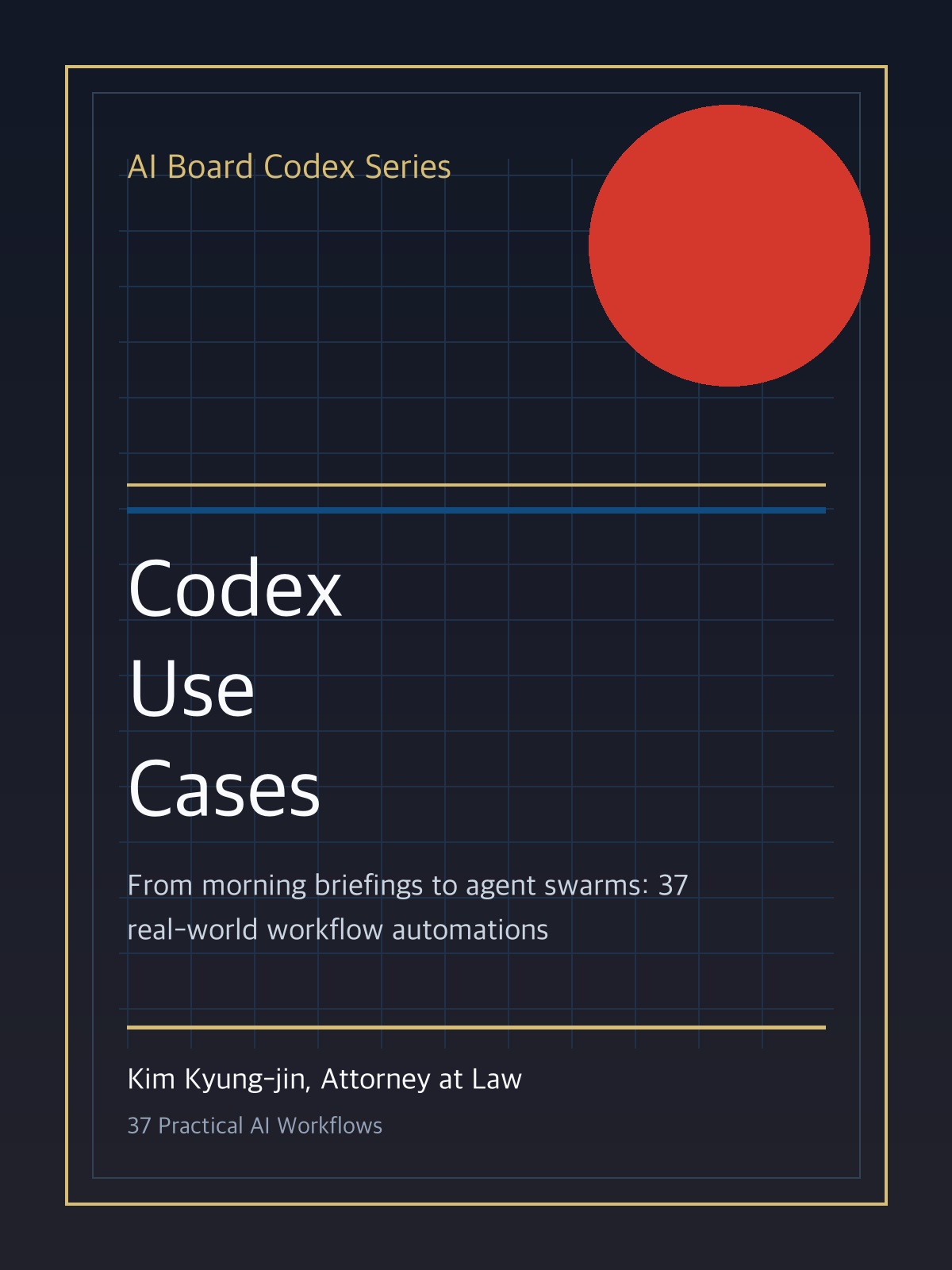
37 Concrete Codex Use Cases cover

Book-style reading

37 Concrete Codex Use Cases

Kim Kyung-jin

From morning briefings to agent swarms: 37 real-world workflow automations

This guide gathers 37 ways to connect Codex and AI agents to real work: personal routines, data processing, marketing, sales, documents, development, and browser control.

Share

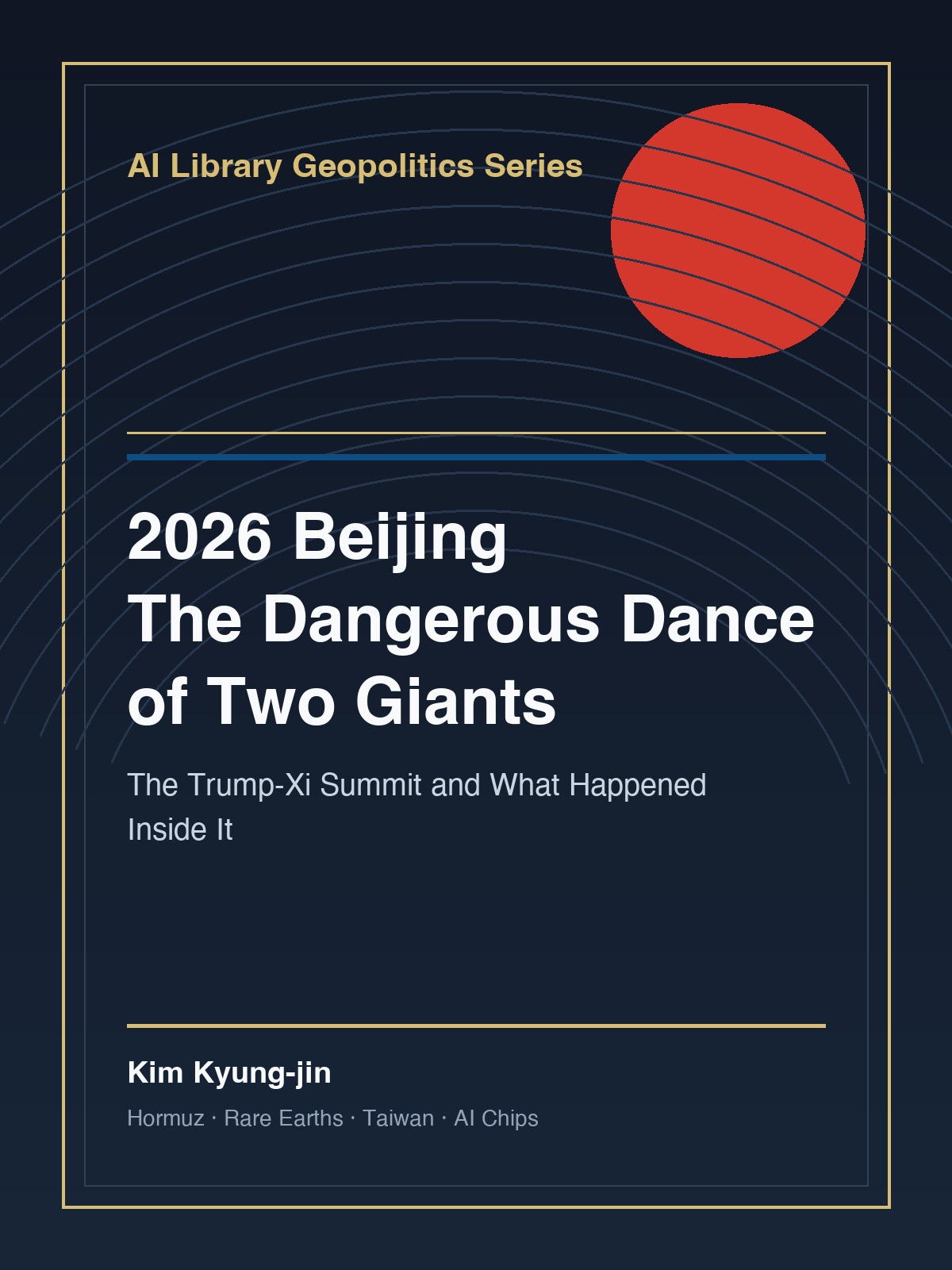
2026 Beijing: The Dangerous Dance of Two Giants book cover

16 posts available

2026 Beijing: The Dangerous Dance of Two Giants

Kim Kyung-jin

Table of Contents, Introduction, 13 Chapters, Epilogue

This book reads the Beijing summit through Hormuz, rare earths, Taiwan, Boeing, soybeans, AI chips, and Korea’s exposure to the U.S.-China bargain.

Share

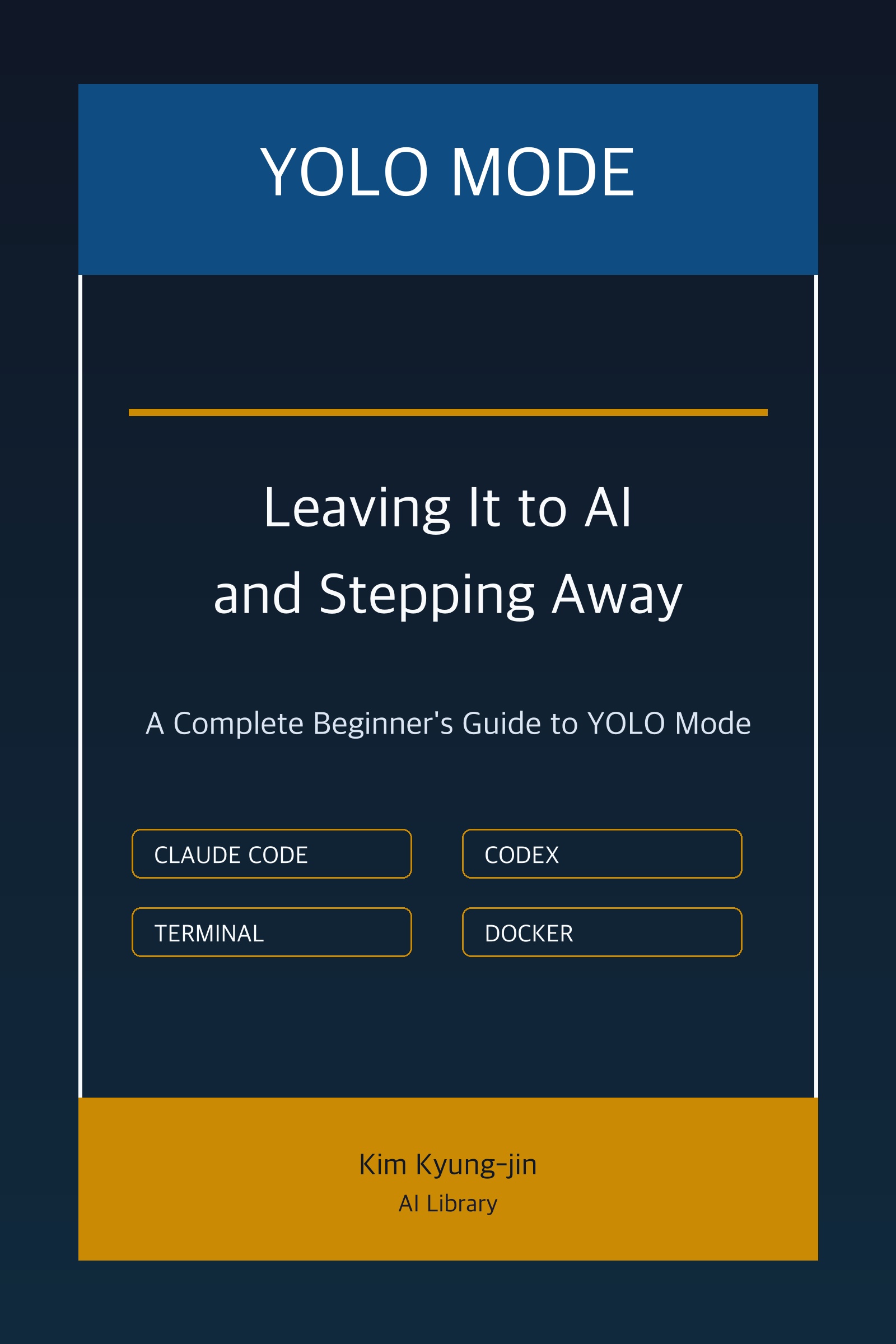
Leaving It to AI and Stepping Away cover

27 posts

Leaving It to AI and Stepping Away

Kim Kyung-jin

A Complete Beginner’s Guide to YOLO Mode. Table of contents and 26 chapters

A beginner-friendly online book on YOLO mode in Claude Code and Codex. It explains how to let AI read files, write code, run commands, and finish work while keeping rollback, Docker sandboxing, and safety checks close at hand.

Share

Artificial Intelligence Fighter, Artificial Intelligence Air Force book cover

43 posts available

Artificial Intelligence Fighter, Artificial Intelligence Air Force

Kim Kyung-jin

Table of Contents, Preface, 40 Chapters, Epilogue

Artificial Intelligence Fighter, Artificial Intelligence Air Force is an online AI Library book by Kim Kyung-jin. It covers AI fighters, autonomous air power, unmanned combat aircraft, CCA, MUM-T, sixth-generation fighters and is organized as Table of Contents, Preface, 40 Chapters, Epilogue.

Share

Artificial Intelligence on Trial book cover

26 posts available

Artificial Intelligence on Trial

Attorney Kyungjin Kim

Table of Contents, Preface, 21 Chapters, 3 Appendices

Artificial Intelligence on Trial is an online AI Library book by Attorney Kyungjin Kim. It covers artificial intelligence and law, AI liability, algorithmic judgment, courts and technology and is organized as Table of Contents, Preface, 21 Chapters, 3 Appendices.

Share

PALANTIR book cover

16 posts available

PALANTIR: War, Surveillance, Artificial Intelligence

Attorney Kyungjin Kim

Table of Contents, Preface, 14 Chapters

PALANTIR: War, Surveillance, Artificial Intelligence is an online AI Library book by Attorney Kyungjin Kim. It covers Palantir, war, surveillance, artificial intelligence, data analytics, national security and is organized as Table of Contents, Preface, 14 Chapters.

Share

Brain Readers: Neuralink and the Final Human Revolution book cover

21 posts available

Brain Readers: Neuralink and the Final Human Revolution

Kim Kyung-jin

Table of Contents, Prologue, 18 Chapters, Epilogue

Brain Readers: Neuralink and the Final Human Revolution is an online AI Library book by Kim Kyung-jin. It follows Neuralink, brain-computer interfaces, brain data, medicine, neurorights, and the future of human enhancement.

Share

Artificial Intelligence and the Reshaping of Society book cover

16 posts available

Artificial Intelligence and the Reshaping of Society

Kim Kyung-jin

Table of Contents, Preface, 13 Chapters, Epilogue

Artificial Intelligence and the Reshaping of Society is an online AI Library book by Kim Kyung-jin. It follows how artificial intelligence changes work, education, inequality, cities, democracy, and human relationships.

Share

The Jensen Huang Story book cover

16 posts available

The Jensen Huang Story

Kim Kyung-jin

Table of Contents, Preface, 13 Chapters, Epilogue

The Jensen Huang Story is an online AI Library book by Kim Kyung-jin. It covers Jensen Huang, NVIDIA, GPUs, AI chips, and the AI industry.

Share

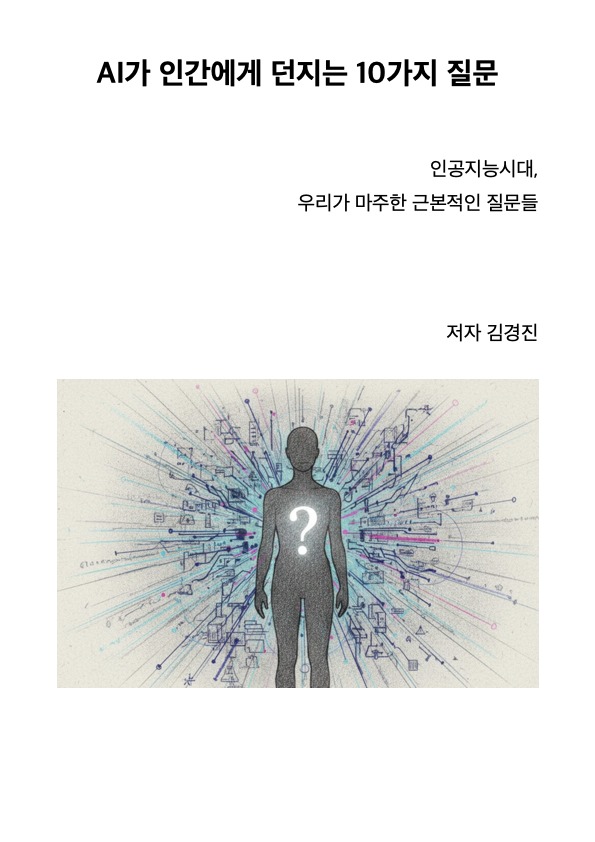
Ten Questions AI Poses to Humanity book cover

12 posts available

Ten Questions AI Poses to Humanity

Kim Kyung-jin

Table of Contents, Preface, 10 Chapters

Ten Questions AI Poses to Humanity is an online AI Library book by Kim Kyung-jin. It asks how artificial intelligence changes truth, weapons, work, data, identity, and human control.

Share

Malaysia and the Malacca Strait book cover

23 posts available

Malaysia and the Malacca Strait: Whoever Controls It Controls the World

Kim Kyung-jin

Table of Contents, Preface, 20 Chapters, Epilogue

Malaysia and the Malacca Strait is an online AI Library book by Kim Kyung-jin. It covers Malaysia, the Malacca Strait, maritime logistics, geopolitics, global trade, and Southeast Asia’s strategic future.

Share

Georgia history and culture travel book cover

24 posts available

A Journey Through Georgia’s History and Culture

Kim Kyung-jin

Table of Contents, Preface, 17 Chapters, 4 Appendices, Epilogue

A Journey Through Georgia’s History and Culture is an online AI Library book by Kim Kyung-jin. It covers Georgia’s history, culture, religion, politics, travel, and the Caucasus crossroads between Europe and Asia.

Share

Reading Armenia book cover

13 posts available

Reading Armenia: A Thousand Prayers, One Mountain

Kim Kyung-jin

Table of Contents, Preface, 10 Chapters, Epilogue

Reading Armenia: A Thousand Prayers, One Mountain is an online AI Library book by Kim Kyung-jin. It covers Armenian history, faith, Mount Ararat, cultural memory, travel, and the endurance of a small nation.

Share

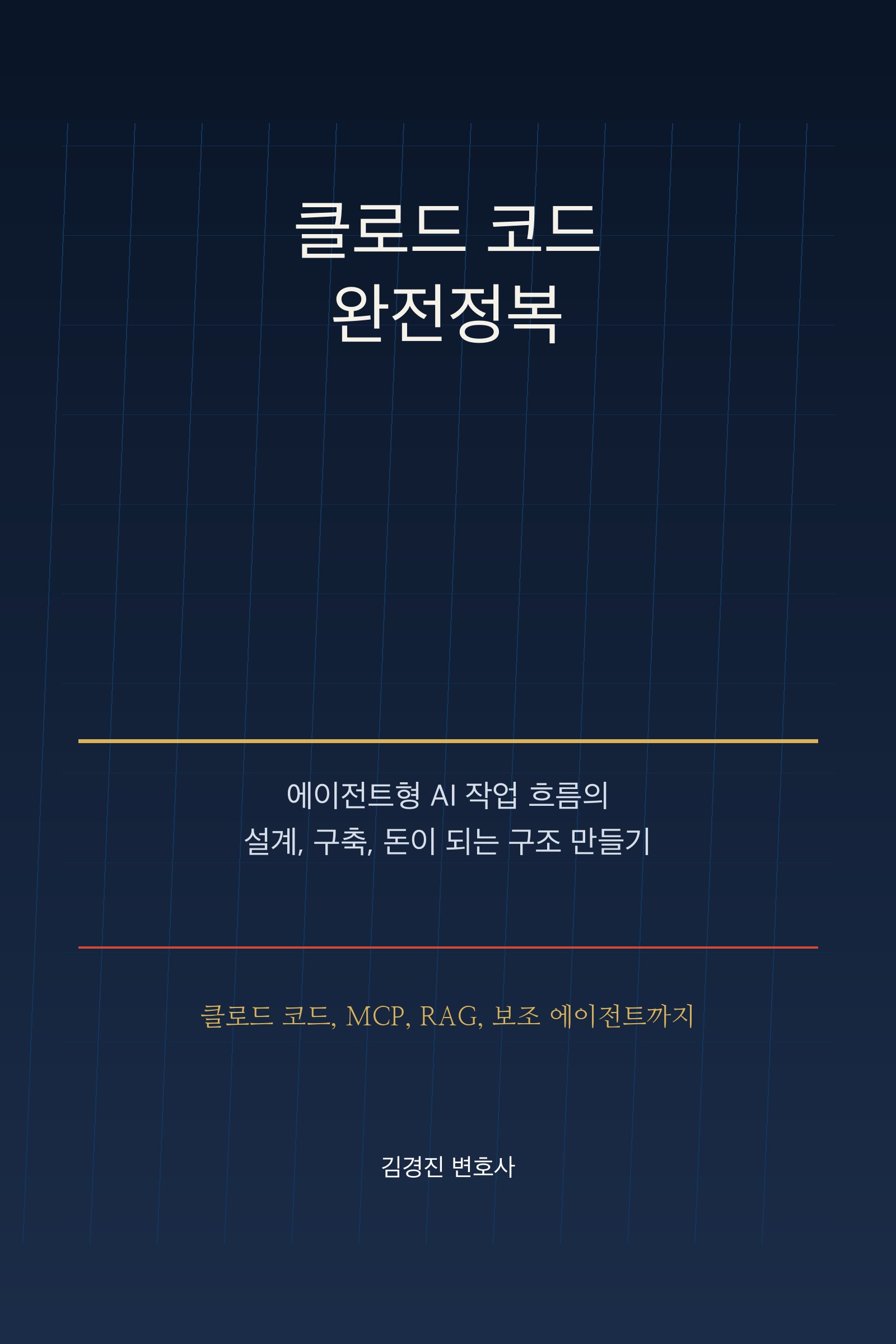
Mastering Claude Code book cover

41 posts available

Mastering Claude Code

Kim Kyung-jin

Table of Contents, Preface, Chapters, Appendices

Mastering Claude Code is an online AI Library book by Kim Kyung-jin. It covers Claude Code setup, commands, workflows, automation, agents, and practical methods for using Claude Code in real work.

Share

Claude Cowork and Agent manual book cover

11 posts available

Claude Cowork and Agent Utilization Manual

Kim Kyung-jin

Table of Contents, Preface, 8 Chapters, Closing Note

Claude Cowork and Agent Utilization Manual is an online AI Library book by Kim Kyung-jin. It covers Claude Code, AI agents, coding automation, work automation, and practical agent-based collaboration.

Share

2026 U.S.-Iran War and the Global Energy Crisis book cover

39 posts available

The 2026 U.S.-Iran War and the Global Energy Crisis

Kim Kyung-jin

Table of Contents, Preface, Chapters and Appendices

The 2026 U.S.-Iran War and the Global Energy Crisis is an online AI Library book by Kim Kyung-jin. It covers war, oil, the Strait of Hormuz, maritime security, energy markets, and the global consequences of conflict.

Share

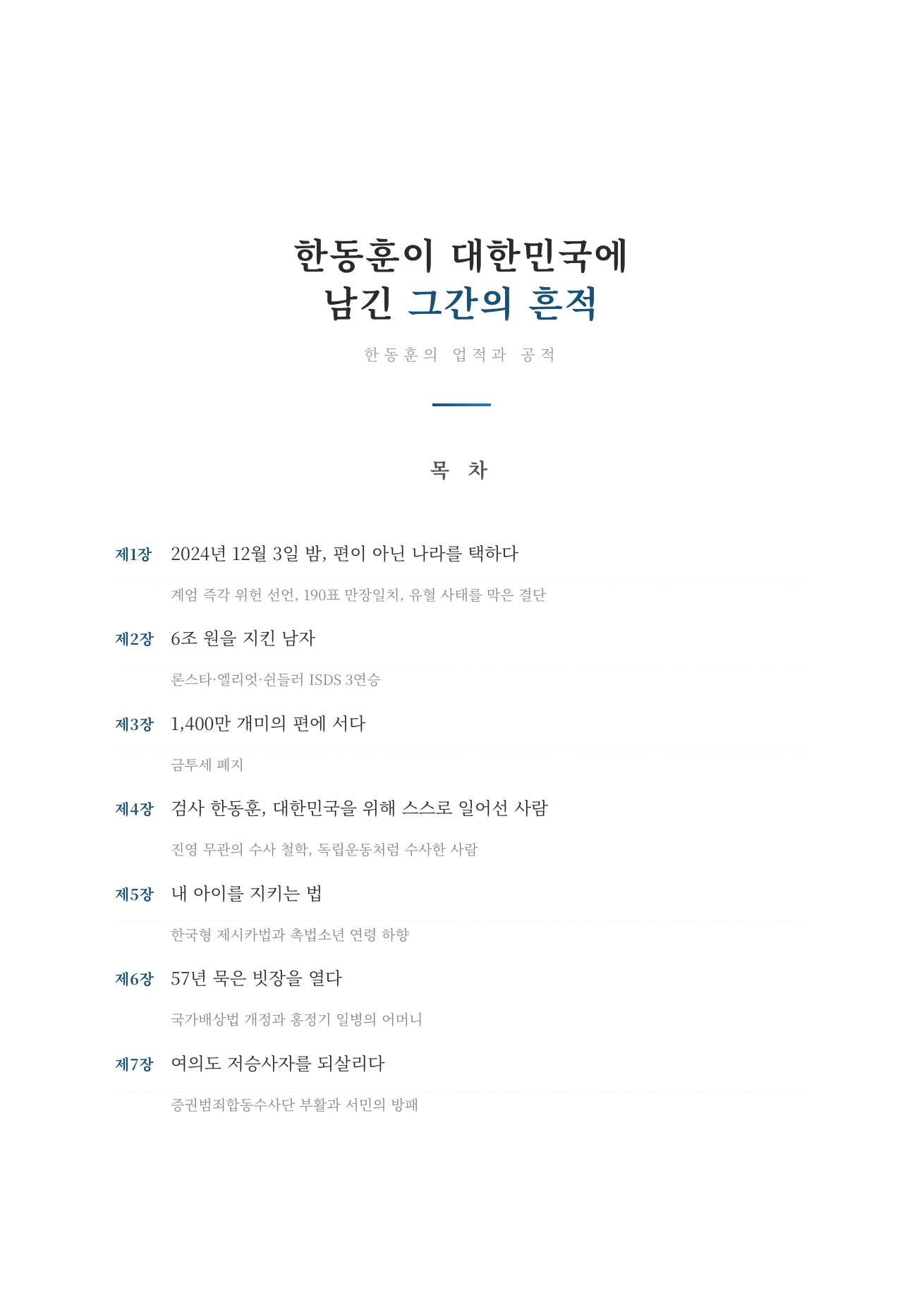
The Traces Han Dong-hoon Left on South Korea book cover

13 posts available

The Traces Han Dong-hoon Left on South Korea

Kim Kyung-jin

Table of Contents, Prologue, Chapters, Epilogue

The Traces Han Dong-hoon Left on South Korea is an online AI Library book by Kim Kyung-jin. It examines his record in justice policy, immigration reform, public institutions, and the structural questions facing South Korea.

Share

The Han Dong-hoon Story book cover

39 posts available

The Han Dong-hoon Story

Kim Kyung-jin

Table of Contents, Prologue, Chapters, Epilogue

The Han Dong-hoon Story is an online AI Library book by Kim Kyung-jin. It traces Han Dong-hoon’s life, public career, political choices, and the changing landscape of South Korean conservative politics.

Share

Beyond the Glass Ceiling cover

39 entries

Beyond the Glass Ceiling

Kim Kyung-jin

Table of contents, prologue, 31 chapters, epilogue, 5 appendices

A political biography tracing Sanae Takaichi’s rise from Nara to Japan’s premiership, through party struggles, security policy, diplomacy, and the meaning of Japan’s first female prime minister.

Share

AI Hegemony War book cover

8 posts available

AI Hegemony War

Kim Kyung-jin

Table of Contents, 7 Chapters

An online AI Library book by Kim Kyung-jin on AI superintelligence, the U.S.-China technology race, Europe and Korea’s AI laws, and international AI governance.

Share

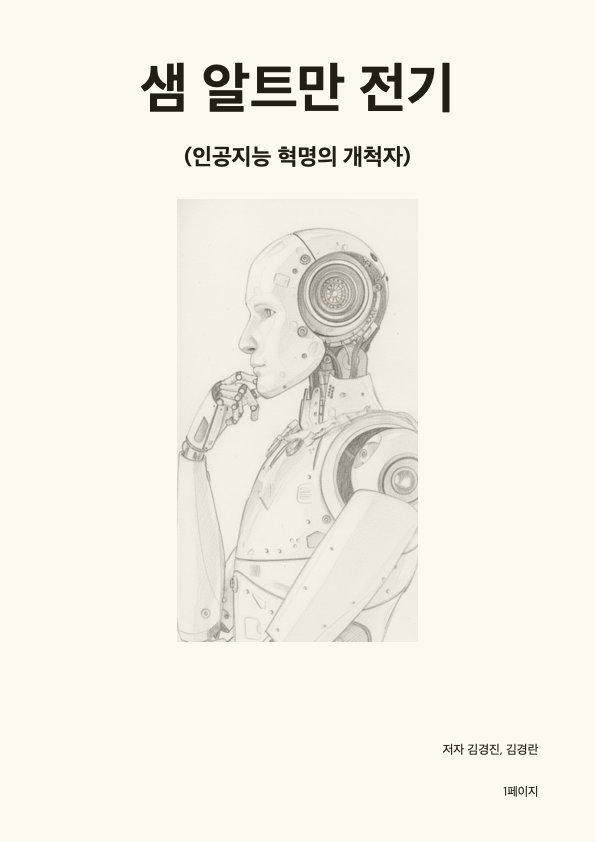
Sam Altman Biography: Pioneer of the AI Revolution cover

22 posts

Sam Altman Biography: Pioneer of the AI Revolution

Kim Kyung-jin, Kim Kyung-ran

Table of contents, preface, 7 parts, 20 chapters

An online biography following Sam Altman’s childhood, startups, Y Combinator, OpenAI, ChatGPT, the 2023 board crisis, and his sense of responsibility in the AI era.

Share

From Chaiwala to Prime Minister cover

13 entries

From Chaiwala to Prime Minister

Kim Kyung-jin

Table of contents, preface, 10 chapters, epilogue

A political biography tracing Narendra Modi from a chai-selling boy in Vadnagar to RSS organizer, Gujarat chief minister, and three-term prime minister, while reading modern India, Korea-India relations, and the risks of a rising power.

Share

AI Classroom: Your Grades Will Change book cover

26 posts available

AI Classroom: Your Grades Will Change

Kim Kyung-jin

Table of Contents, Preface, 24 Sections

An online AI Library book by Kim Kyung-jin on how AI can support elementary, middle, and high school learning, teaching, assessment, and educational equity.

Share

Military Artificial Intelligence cover

17 entries

Military Artificial Intelligence

Kim Kyung-jin and Kim Won-tae

Table of contents, preface, 14 chapters, epilogue

A full-length study of military artificial intelligence, from autonomous weapons, drones, command systems, logistics, and cyber defense to the strategies of the United States, China, Israel, Korea, and global defense AI companies.

Share

Global Case Studies in Introducing AI into Public Administration book cover

25 posts available

Global Case Studies in Introducing AI into Public Administration

Kim Kyung-jin

Table of Contents, 23 Chapters, Epilogue

An online AI Library book by Kim Kyung-jin on public-sector AI adoption, national strategies, administrative services, governance, and future policy tasks.

Share

Seven Misunderstandings About the Arctic Route book cover

10 posts available

Seven Misunderstandings About the Arctic Route

Kim Kyung-jin

Table of Contents, Preface, 7 Chapters, Epilogue

An online AI Library book by Kim Kyung-jin on seven common misunderstandings about the Arctic Route, including speed, liner service, insurance, safety rules, year-round access, carbon impact, and infrastructure.

Share

Artificial Intelligence Election cover

14 posts

Artificial Intelligence Election

Kim Kyung-jin

Table of contents, author preface, 11 chapters, closing essay

An online book on campaign messaging, publicity materials, digital campaigning, data analysis, campaign operations, disinformation defense, legal risk, and ready-to-use prompts.

Share

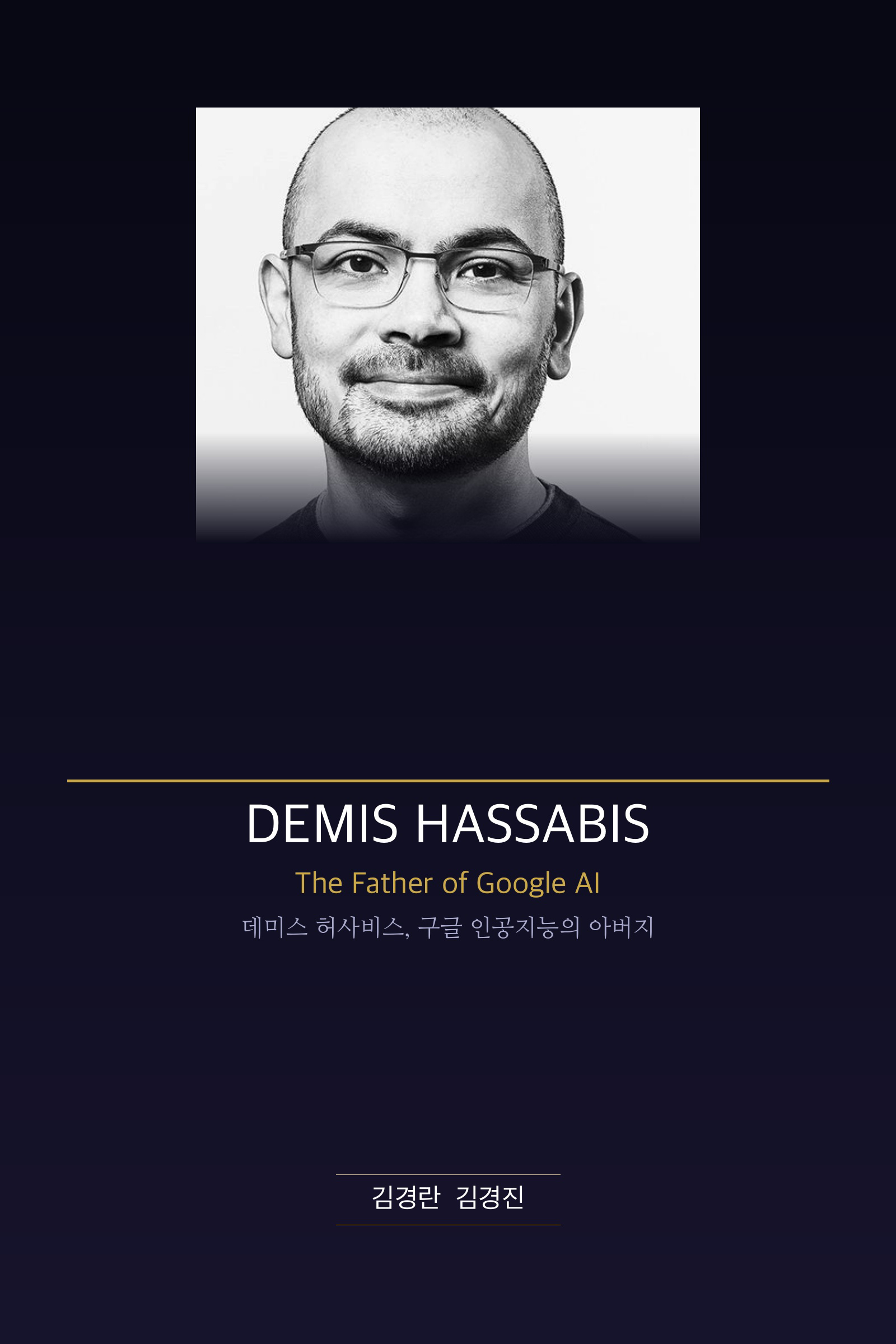
Demis Hassabis book cover

34 posts available

Demis Hassabis, Father of Google’s Artificial Intelligence

Kim Kyung-ran, Kim Kyung-jin

Table of Contents, Author’s Preface, 31 Chapters, Epilogue

Demis Hassabis, Father of Google’s Artificial Intelligence is an online AI Library book by Kim Kyung-ran, Kim Kyung-jin. It covers Demis Hassabis, Google DeepMind, artificial intelligence, AlphaGo, AI research and is organized as Table of Contents, Author’s Preface, 31 Chapters, Epilogue.

Share

The Dhammapada 423 Verses book cover

28 posts available

The Dhammapada: 423 Verses

Kim Kyung-jin

Table of Contents, Editor’s Note, 26 Chapters, 423 Verses

An online AI Library book by Kim Kyung-jin. This edition arranges all 423 verses of the Dhammapada into 26 chapters for slow, poetic reading.

Share

Nano Banana Pro Practical Prompt Book cover

24 posts

Nano Banana Pro Practical Prompt Book

Kim Kyung-jin

6 parts, 22 chapters, classroom prompt appendix

An online book for using Nano Banana Pro in classes and real work, covering image generation, editing, text rendering, character consistency, business use cases, and monetization.

Share

Liberal Arts AI for College Students book cover

16 posts available

Liberal Arts AI for College Students

Kim Kyung-jin

Table of Contents, Preface, 13 Chapters, Closing Essay

An online AI Library textbook for college students. It introduces AI history, daily use, document work, research, images, presentations, video, productivity, learning, careers, copyright, and governance.

Share

Legal Practice and Artificial Intelligence book cover

16 posts available

Legal Practice and Artificial Intelligence

Kim Kyung-jin

Table of Contents, Preface, 14 Parts

An online AI Library book by Kim Kyung-jin on legal research, drafting, evidence analysis, contract review, NotebookLM, and practical generative AI workflows for legal practice.

Share

Hello, I Am Kim Kyung-jin book cover

10 posts available

Hello, I Am Kim Kyung-jin

Kim Kyung-jin

Table of Contents, Preface, Recommendations, 6 Chapters, Closing

An online AI Library book on Kim Kyung-jin’s life, science and technology policy, parliamentary diplomacy, legislative battles, Dongdaemun vision, and proposals for Korea’s demographic future.

Share

Politics and People book cover

25 posts available

Politics and People

Kim Kyung-jin

Table of Contents, Prologue, 22 Chapters, Epilogue

An online AI Library book by Kim Kyung-jin on how politics begins with reading people, winning trust, keeping relationships, and enduring seasons of crisis.

Share

[AI Library] Chapter 6. Structural Changes in Cities and Real Estate

Artificial Intelligence and the Reshaping of Society
Author
Kim Kyung-jin
Date
2026-05-05 17:45
Views
577

Artificial Intelligence and the Reshaping of Society

Chapter 6. Structural Changes in Cities and Real Estate

Kim Kyung-jin

1. Surging Office Vacancy Rates and the Decline in Commercial Real Estate Values

In April 2026, news broke that the U.S. office vacancy rate had dipped slightly to 17.8 percent. Some read it as a sign of recovery. But look closer and the story changes. Trophy-class buildings in Midtown Manhattan posted a 3.7 percent vacancy rate while the citywide average sat at 15 percent. Within the same city, buildings of different grades occupy entirely different worlds.

The root of this gap is not remote work. It is artificial intelligence. According to Anthropic's January 2026 economic indicators, 52 percent of AI interactions were classified as work augmentation and 45 percent as automation. Agents now handle the task allocation, progress tracking, and performance reporting that middle managers used to do, expanding a senior manager's span of control by more than five times. When four AI models were independently asked the probability of these changes materializing within three years, they returned 65 percent for the disappearance of middle management and 55 percent for a spike in office vacancies.

Fewer people means empty desks. Empty desks mean empty floors. Empty floors mean empty buildings. Data tracked by Nick Bloom's research team at Stanford shows that roughly 27 percent of full-time workdays in the United States are performed from home, a ratio that has barely moved for over two years since late 2023. Eighty-three percent of CEOs said they expect a full return to office by 2027, but badge-scan data and mobile phone tracking show employees are not meeting that expectation. The remote work share actually rose from 17.9 percent in October 2022 to 23.7 percent in early 2025. Office attendance has plateaued at about 30 percent below pre-pandemic levels.

In Los Angeles, more than half the office buildings sold earlier this year traded below their previous transaction price. One building in Pasadena went for 32 percent less than its last sale. The prices are not falling because buildings are empty. They are falling because the people who would fill them are disappearing. This distinction matters. The expectation that workers will come back when the economy recovers loses its force when artificial intelligence is reshaping the jobs themselves.

Newmark's 2026 report puts it this way: as hybrid work has taken hold, the floor space occupied per office worker has shrunk by roughly 10 percent compared to early 2020, and the office has shifted from a default workspace to a hub for collaboration and connection. The early panic over an "office apocalypse" was overblown, but it is undeniable that the meaning of the office itself has changed. The emptied skyscrapers are not products of a business cycle. They are the physical debris left behind as artificial intelligence rewrites the grammar of work.

2. From Workspace to Inspiration Space: Redefining the Office

Access-log data from Kastle Systems paints a telling picture. Top-tier Class A+ office buildings hit near-full occupancy on peak days, yet when averaged across all grades in ten cities, office utilization still falls short of two-thirds of pre-pandemic levels. Good buildings are packed; ordinary buildings sit empty. Why? The answer is surprisingly simple. People are no longer going to the office to work. They are going to meet.

In an era when agents handle task allocation, progress tracking, and performance reporting, the list of things that must be done in an office has gotten drastically shorter. There is no reason to spend an hour commuting to do analysis, write reports, or organize data at a desk when you can do all of that at home with AI. What remains is what only humans can do together. Negotiations where you read the other person's eyes. Improvised debates in front of a whiteboard. Ideas that pop up over lunch. These things do not happen inside a Zoom window.

The office is being redefined from a place to work into a place to meet and find inspiration, but the problem is that almost no buildings were designed for this. Most office buildings in South Korea were constructed between the 1990s and the 2010s, all guided by a single design philosophy: fit as many people as possible into the space as efficiently as possible. Long corridors, uniform lighting, cubicle seating. Asking people to find inspiration in these spaces is like asking them to write poetry on a factory assembly line.

CBRE projects that prime office vacancy rates will return to pre-pandemic levels of around 8.2 percent by 2027. But this recovery does not apply to lower-quality buildings. Many of them face conversion to residential use or demolition. The office market is not recovering; it is polarizing. Spaces that can inspire command a premium. Spaces that cannot are being pushed out. Just as the streets of late-nineteenth-century Paris, with their posters, cafes, and galleries, served as an urban interface that stimulated the senses, the twenty-first-century office must become a stage that sparks creative collision among people. Buildings that cannot build that stage will struggle to survive, no matter how good the location.

3. Distressed Real Estate Loans and the Spread of Risk to the Financial System

620 Eighth Avenue, Manhattan, New York. The $515 million mortgage on this 52-story building has been extended five times since 2020. As the anchor tenant prepared to leave, the building's owner, Brookfield, began what was described as a "structured good-faith dialogue" with the lender. That is one building and one loan. Thousands more are in the same position.

According to Morningstar DBRS, more than half of the roughly $100 billion in securitized commercial mortgages maturing in 2026 are expected to fail to pay off at maturity. In 2023 the payoff rate exceeded 80 percent, and through 2024 and 2025 it held at around 75 percent. Then in 2026 it drops below 50 percent. The CMBS office delinquency rate hit 12.34 percent in January 2026, the highest since Trepp began tracking the metric in 2000, nearly two percentage points above the peak of the 2008 financial crisis.

The "extend and pretend" strategy has reached its limit. Since interest rate hikes began in 2022, lenders have been buying time by pushing back maturity dates on distressed loans, hoping that office property values and occupancy would return to pre-pandemic levels. But as it became clear that hybrid work has permanently reduced office demand, many lenders are abandoning this approach. S&P Global projects that the commercial real estate maturity wall will peak at $1.26 trillion in 2027.

This crisis does not end with building owners. In the United States, 278 banks have been identified as vulnerable due to excessive exposure to commercial real estate loans, with such loans exceeding 50 percent of total assets. When building values drop, collateral values shrink. When collateral values shrink, loan quality deteriorates. When loan quality deteriorates, capital adequacy ratios start to wobble. As the 2023 collapse of Silicon Valley Bank demonstrated, a crack in one institution can spread across the entire financial system. Artificial intelligence empties offices; empty offices sour loans; soured loans shake banks. This chain reaction is a textbook case of how the second- and third-order effects of technological change can become a detonator inside the financial system.

4. The Reshaping of Neighborhood Commercial Ecosystems: Local Clinics, Real Estate Agencies, and Tutoring Districts

The owner of a tutoring academy in Seoul's Daechi-dong said that enrollment inquiries dropped noticeably starting in the fall of 2025. More parents were trying AI tutors first before coming in. In an age when agent-based tutors analyze each student's weak points in real time and adjust learning paths automatically, what an academy sells is no longer better grades. What it really sells is childcare and parental anxiety management. Because the industry trades more in reassurance than in test scores, there are parts that agents find hard to touch. Still, four AI models assessed the probability of significant disruption within three years at 45 percent.

Local clinics face similar pressure. Seventy percent of primary care consists of pattern-based diagnosis and prescription. Colds, indigestion, minor skin conditions. The technology is already in place. The only thing that determines the timeline is medical licensing law. Patients are not waiting for the technology; they are waiting for the permit. The moment regulations ease, a significant number of neighborhood clinics will need to rewrite their reason for existing.

The restructuring of the real estate brokerage industry is already underway. Agents handle property searches, price comparisons, and contract reviews. According to a 2025 Realtor.com survey, 82 percent of Americans use AI to obtain housing market information. The information asymmetry that brokers once monopolized has collapsed. Every agency profession that built its revenue model on information asymmetry now faces the same pressure, one after another. The projection that the AI real estate market will reach $975.2 billion by 2029 does not mean the broker's role disappears; it means the role changes at its foundation. What survives is what machines cannot provide: the instinct to read a neighborhood's atmosphere, the eye to gauge a seller's psychology, and the negotiating skill at the contract table.

All these changes share a common thread. Neighborhood businesses that relied on monopolizing information, wielding physical proximity as a weapon, or depending on repetitive pattern recognition are being dismantled by AI. The signs on the storefronts disappear slowly, but the revenue structures behind those signs are crumbling fast. Power in local commercial districts is shifting from building owners to platforms, and no one has yet found a way to reverse this shift.

Kim Kyung-jin

Attorney · Former Member of the National Assembly · AI Policy Researcher

kimkj.com

© 2026 Kim Kyung-jin. All rights reserved.

#KimKyungjin #ArtificialIntelligence #Society #FutureOfWork #Education #Inequality #Democracy #AILibrary
kimkj.com Home
Scroll to Top
kimkj.com Home