AI Library
Books for Reading AI
Choose a book, then read it in order from the table of contents.































[AI Library] Chapter 16: Nature and Resorts
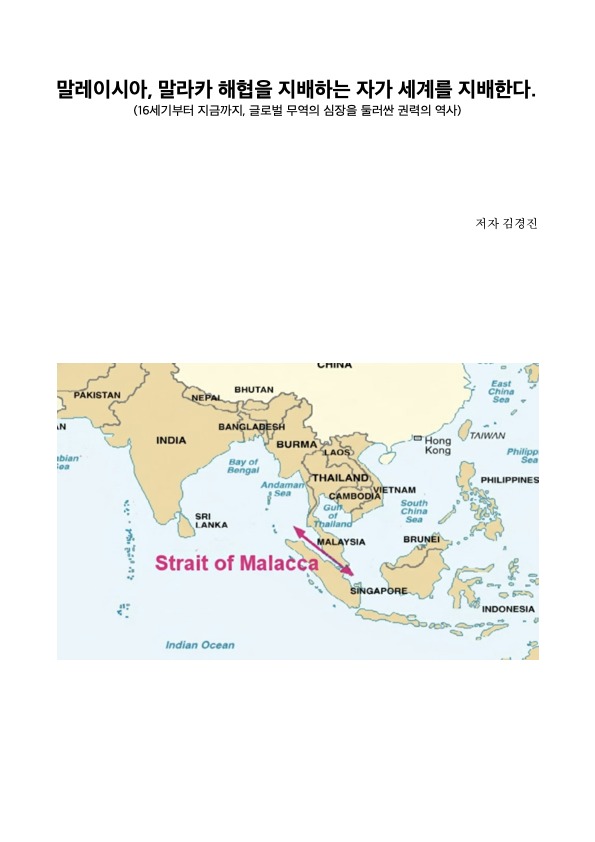
Malaysia and the Malacca Strait: Whoever Controls It Controls the World
Chapter 16: Nature and Resorts
Kim Kyung-jin
Part 4: Major Cities and Tourism
Tropical Rainforests and Ecotourism
Approximately 60 percent of Malaysia's land area is covered by tropical rainforest, and this vast natural environment represents one of the world's oldest and most biologically diverse ecosystems. Malaysia's tropical rainforest is estimated to be 130 million years old, making it older than the Amazon rainforest. This distinctive natural environment serves as a key factor in making Malaysia a world-class ecotourism destination.
Taman Negara National Park
True to its Malay name meaning "national park," this is Malaysia's first designated national park and the most widely recognized nature reserve. Spanning an expansive area of approximately 4,343 square kilometers, this park stretches across three states: Pahang, Kelantan, and Terengganu.
Taman Negara is one of the world's oldest tropical rainforests, estimated to be 130 million years old, and is home to more than 3,000 plant species, over 300 mammal species, and hundreds of species of birds and reptiles. Among rare species are the Sumatran rhinoceros, Malayan tiger, Asian elephant, and various primates.
Visitors can experience the tropical rainforest from a unique vantage point by walking the Canopy Walkway, which runs 45 meters above the lush rainforest canopy. This suspended bridge, roughly 500 meters long, ranks among the world's longest canopy walkways and offers an opportunity to observe the treetop ecosystem that is ordinarily difficult to access.
Within the park, visitors can enjoy a variety of activities including trekking courses, wildlife watching, boat tours, night jungle tours, and visits to Batek indigenous villages. Boat tours along the Sungai Tahan and Sungai Trenggan rivers provide excellent opportunities to observe the riverside ecosystem of the tropical rainforest.
Sabah and Sarawak, located on the island of Borneo, are additional important tropical rainforest tourism regions. Mount Kinabalu and Kinabalu Park in Sabah are designated UNESCO World Heritage Sites and possess distinctive ecosystems determined by varying altitudes. At 4,095 meters in height, Mount Kinabalu is the highest mountain in Southeast Asia and presents a challenging yet attractive destination for climbers. Gunung Mulu National Park in Sarawak is also a UNESCO World Heritage Site, renowned for its distinctive limestone karst terrain and massive cave system. This park contains some of the world's largest and most impressive caves, and Sarawak Chamber is known as the world's largest cave chamber. This enormous space, measuring approximately 700 meters by 400 meters, is large enough to accommodate 40 Boeing 747 aircraft simultaneously.
Other famous attractions at Mulu National Park include Deer Cave and Lang Cave. At sunset, approximately 3 million bats emerge from Deer Cave to search for food in a spectacular display visible to observers. This "Bat Exodus" is a popular sight showcasing nature's wonder.
Mulu National Park is also home to geological formations known as the Pinnacles, which are sharp limestone peaks reaching 45 meters in height. These distinctive geological formations were created over millions of years through erosion and can be accessed via a challenging trekking route.
Sepilok Orangutan Rehabilitation Centre
Located near Sandakan in Sabah State, this center is a rehabilitation facility for orphaned orangutans and those rescued from illegal trafficking, aimed at returning them to the wild. During designated feeding times, visitors can observe orangutans undergoing rehabilitation and learn about conservation efforts for this endangered species.
Ecotourism along the Kinabatangan River provides optimal wildlife viewing experiences. This river, the second longest in Malaysia, is surrounded by lowland tropical rainforest that serves as habitat for orangutans, proboscis monkeys, Asian elephants, Malayan sun bears, and various bird and reptile species. The typical approach is to stay at eco-lodges established along the river while undertaking morning and evening boat safaris to observe wildlife.
British naturalist David Attenborough described Malaysia's tropical rainforest in his documentary as follows: "Malaysia's tropical rainforest is one of the most complex and diverse ecosystems on Earth. Within a small space of just one hectare, more tree species can grow than exist across all of Europe. This place is nature's laboratory and a living museum, a repository of life forms that have evolved over millions of years."
The Malaysian government implements various policies to preserve these abundant ecological resources while developing tourism in a sustainable manner. These include designating national parks and protected areas, supporting ecotourism certification programs, and encouraging sustainable tourism models through community participation. Such efforts play a vital role in preserving Malaysia's distinctive natural environment while offering visitors exceptional experiences.
Langkawi and Tioman Islands
Malaysia is renowned for its numerous beautiful islands, among which Langkawi and Tioman stand as the most popular island resort destinations for both domestic and international visitors. These islands offer abundant tropical natural environments, crystalline seas, and a variety of marine activities, providing perfect vacation experiences.
Langkawi is an archipelago comprising 104 islands located in the Andaman Sea northwest of Malaysia near the Thai border. The main island, Pulau Langkawi, covers approximately 478 square kilometers and ranks among Malaysia's most popular tourist destinations. Following its designation as a duty-free zone in 1987, Langkawi has developed rapidly into an international resort destination.
One of Langkawi's most famous attractions is Langkawi Sky Bridge. This pedestrian bridge is located near the summit of Gunung Mat Cincang and is accessible by cable car. This curved bridge, 125 meters in length, sits approximately 100 meters above ground level and offers breathtaking views of the Andaman Sea and surrounding islands.
Another popular attraction in Langkawi is Kilim Karst Geoforest Park. This region is renowned for its distinctive limestone terrain, mangrove forests, and diverse wildlife. Through boat tours, visitors can enjoy eagle watching, visits to fish farms, and exploration of caves inhabited by bats.
Pantai Cenang (Cenang Beach) is Langkawi's most popular beach, characterized by golden sand and clear waters. Along the beach are numerous restaurants, cafes, bars, and shops creating a lively atmosphere, and various water activities including jet skiing, parasailing, and banana boat rides are available.
Telaga Tujuh (Seven Wells) is a natural attraction in Langkawi featuring seven consecutive natural swimming pools interspersed with waterfalls. According to local legend, this place was a gathering spot for fairies and is also called the Fairy Pools. Though the path to the summit is somewhat steep, the views from the top and swimming in the cool natural pools amply reward the effort.
Datuk Mohamad Nor Khalid, more famously known by his pen name Lat, a celebrated Malaysian cartoonist, described Langkawi in his essay as follows: "Langkawi is a place where magic and legend come alive. From the tragic tale of Mahsuri to the island's past as a pirate hideaway, the entire island overflows with mysterious stories. And those stories are as captivating as the island's breathtaking natural scenery. Spending time in Langkawi is not merely a vacation but a deep encounter with Malaysia's history, culture, and nature."
Pulau Tioman (Tioman Island) is located off the east coast of Pahang State on Malaysia's peninsula and sits in the South China Sea. This island, covering approximately 136 square kilometers, was used as a filming location for the 1970 film South Pacific and was named one of the world's most beautiful islands by Time magazine.
Tioman is primarily known for scuba diving and snorkeling, as the coral reefs and marine life surrounding the island provide an environment akin to paradise for divers. Diving points such as Renggis, Soyak, and Coral Island offer optimal locations for observing sea turtles, barracudas, blacktip sharks, and various coral and tropical fish species.
Tioman Island is also popular for hiking and jungle trekking. The island's interior is blanketed with lush tropical rainforest, and various difficulty-level trails are available. The transverse trail connecting Juara Bay to Tekek spans approximately 7 kilometers and offers an excellent opportunity to experience the island's pristine tropical rainforest.
Several beautiful villages exist on Tioman Island, each with distinctive atmosphere and character. Tekek is the island's largest village, home to the airport and ferry terminal, while Juara is a quieter beach village with a sea turtle conservation center. Salang functions as a center for diving and snorkeling activities, and Air Batang, known as ABC Village, is popular among backpackers.
British travel writer Simon Winchester wrote the following in his travel record about Tioman: "Tioman is a place where time seems to stop. Completely separated from the noise and chaos of modern civilization, this small paradise offers visitors the rare opportunity to experience a simpler and more peaceful rhythm of life. Swimming in crystalline seas by day and spending evenings around a fire on the beach beneath a starlit sky is sufficient for complete happiness in this place."
Beyond Langkawi and Tioman, Malaysia is home to various other attractive islands including Penang, Perhentian, Redang, and Kapallai. Each island possesses distinctive features and appeal, allowing visitors to choose an island suited to their preferences and travel objectives.
These beautiful Malaysian islands feature a coexistence of modern resort facilities and traditional fishing villages, offering experiences ranging from comfortable relaxation to adventurous activities. Additionally, most islands are designated as marine parks, and their abundant ecosystems and beautiful natural environments are well preserved.
Malaysia's National Parks
Malaysia designates and manages multiple national parks to preserve its remarkably diverse ecosystems and species. These parks encompass various natural environments including tropical rainforests, mangrove wetlands, limestone caves, and mountainous terrain, offering visitors opportunities to experience Malaysia's abundant natural heritage.
In addition to Taman Negara, Gunung Mulu National Park, and Kinabalu, Malaysia is home to several other national parks.
Endau-Rompin National Park spans Johor and Pahang states on Malaysia's peninsula and is the country's second-largest national park. This tropical rainforest, possessing a history of approximately 100 million years, serves as habitat for various wildlife including endangered Sumatran rhinoceroses, Malayan tigers, and Asian elephants. The park offers diverse activities including trekking, camping, wildlife observation, and visits to Orang Asli indigenous villages.
Bako National Park is Sarawak's oldest national park, located approximately 37 kilometers from the city of Kuching. Despite its relatively small area of 27.27 square kilometers, it encompasses diverse ecosystems including mangrove forests, coastal vegetation, kerangas (heath forest), mixed dipterocarp forest, and wetlands. The park is famous for the proboscis monkey with its distinctive large nose, and visitors can also observe wild boar, silvered leaf monkeys, and long-tailed macaques.
Kuala Selangor Nature Park, located approximately one hour from Kuala Lumpur, is a mangrove ecosystem conservation area. This park is renowned for firefly observation, and visitors can undertake evening boat tours along the Selangor River to witness the magical sight of thousands of fireflies. The park also serves as habitat for approximately 200 bird species, including migratory and resident birds.
Royal Belum State Park is a tropical rainforest conservation area located in Perak State in northern Malaysia and is one of the world's oldest tropical rainforests, estimated to be 130 million years old. The park serves as habitat for Malayan tigers, Asian elephants, Malayan sun bears, and more than 10 hornbill species. The ecosystem centered on Temenggor Lake offers unique experiences.
Niah National Park is located near Miri in Sarawak and contains archaeologically significant caves. Human remains dating back approximately 40,000 years were discovered in Niah Cave, making this among the oldest evidence of human presence on Borneo Island. The park is also famous for the harvesting of bird's nest (swiftlet nests), a precious ingredient in Chinese cuisine collected from the nests built on cave ceilings by small swiftlets.
Lok Kawi Wildlife Park, located near Kota Kinabalu in Sabah State, provides opportunities to observe Borneo's distinctive wildlife. Visitors to this park can see Bornean elephants, orangutans, sun bears, and various monkey species. The park emphasizes animal conservation and education and participates in preservation efforts for Borneo's endangered endemic species.
In 1995, British ecologist Tim Flanagan wrote the following regarding Malaysia's national parks: "Malaysia's national parks are not merely protected areas but living natural history museums. Here, the history of evolution spanning tens of millions of years unfolds in a single moment, and visitors can experience some of Earth's most diverse and complex ecosystems. Preserving these parks is not simply for the sake of beautiful scenery but an important effort to protect biological diversity essential to human survival."
Most of Malaysia's national parks are well managed and offer diverse facilities and programs for visitors. Nevertheless, these nature reserves still face threats from logging, poaching, and climate change, and maintaining balance between sustainable tourism and natural preservation remains an important challenge.
The Malaysian government and various environmental organizations are making diverse efforts to preserve and protect these precious natural heritage sites, and through these efforts, they hope that future generations will also be able to experience Malaysia's remarkable natural environment.
Highland Resorts
Malaysia's highland areas are popular resorts that offer pleasant temperatures as an escape from the tropical heat and boast beautiful scenery. During the British colonial era, these highlands were known as "hill stations" and served as retreats for British administrators and colonial elites. Today, they continue to attract many tourists with their natural landscapes, tea plantations, strawberry farms, and distinctive colonial-era architecture.
Cameron Highlands
The most widely known highland resort in Malaysia, it is located in Pahang state. Situated at an elevation of approximately 1,500 meters, this region maintains pleasant temperatures between 18°C and 25°C year-round and is renowned for its vast tea plantations, strawberry farms, and vegetable farms.
One of the most popular activities at Cameron Highlands is visiting the vast tea plantations that stretch out like a canvas painted with brilliant colors. BOH Plantation, Malaysia's largest tea producer, allows visitors to tour the tea manufacturing process, taste fresh tea, and rest at a cafe with spectacular views.
Cameron Highlands is also famous for its diverse hiking trails. Mossy Forest is a misty forest with a mysterious atmosphere where you can see moss-covered trees and various rare plant species. Gunung Brinchang, the highest mountain in Cameron Highlands, offers panoramic views of the entire valley from its summit.
American writer Martha Gellhorn, who visited Cameron Highlands in 1939, wrote in her travel journal: "Cameron Highlands was like a small piece of Britain located in the heart of the Malay Peninsula. Afternoon tea time, rose gardens, and hydrangeas blooming in thick mist... I could not believe that all of this existed near the equator. Yet the tropical jungle surrounding the area and the exotic spice scents from the local market reminded me that this was the heart of Malaysia, not Britain."
Fraser's Hill is another popular highland resort located on the border between Pahang and Selangor states. Located at an elevation of approximately 1,524 meters, this small town is famous for its Scottish-style architecture, English gardens, and cool climate. Fraser's Hill is popular with birdwatchers and is also the venue for the annual Malaysia International Bird Race.
Major attractions in Fraser's Hill include a colonial-era clock tower, golf courses, and various hiking trails. The gardens of Fraser's Hill are filled with beautiful flowers and plants, making them ideal for peaceful walks. Furthermore, this region is an optimal location for observing approximately 270 bird species and ranks among Malaysia's most popular birdwatching destinations.
Bukit Tinggi is a highland area approximately 45 minutes from Kuala Lumpur, famous for a unique themed resort called the French Village (Colmar Tropicale). Built after the model of the town of Colmar in the Alsace region of France, this resort offers European-style architecture and atmosphere. It also features a Japanese village and a botanical garden, providing diverse cultural experiences.
Genting Highlands
Genting Highlands is the most modern and popular highland resort in Malaysia, located at an elevation of approximately 1,800 meters. Situated about an hour from Kuala Lumpur, it offers good accessibility and is nicknamed the "City of Entertainment." This integrated entertainment resort, with its concentration of casinos, theme parks, shopping malls, and hotels, is also known as Malaysia's Las Vegas.
Genting Highlands began in 1965 when Malaysian entrepreneur Lim Goh Tong envisioned building a resort in the cool highlands near Kuala Lumpur. Despite rugged terrain and technical challenges, Lim Goh Tong opened the first hotel and casino in 1971, after which Genting Highlands expanded continuously to become a world-class tourist destination today.
The greatest attraction at Genting Highlands is Resorts World Genting, an integrated resort that includes multiple hotels, theme parks, and shopping facilities. The Skytropolis indoor theme park, which opened in 2018, features various rides and attractions, and in 2022, a new outdoor theme park called Genting SkyWorlds opened. This theme park is themed around 20th Century Fox movie characters and worlds, offering world-class entertainment.
For shopping enthusiasts, there is the Genting Highlands Premium Outlets, where products from famous brands can be purchased at discounted prices. The resort also features various restaurants, bars, and live performance venues, offering visitors abundant dining and entertainment options.
Another special experience at Genting Highlands is the cable car system called the Awana Skyway. This 3.4-kilometer-long cable car runs from a railway station at the base of the mountain to the Genting Highlands resort and provides breathtaking views of the dense tropical rainforest and valleys. At dusk, visitors can enjoy beautiful sunsets along with sparkling lights from the areas below the mountain.
Japanese travel writer Tanaka Hiroshi, who visited Genting Highlands in 2010, wrote in his travel essay "Highland Regions of Southeast Asia": "Genting Highlands reveals an interesting contradiction in Malaysian culture. As the only legally operating casino in a Muslim-majority nation, it reflects a delicate balance between conservative religious values and modern entertainment. This glittering resort complex, situated atop a mountain shrouded in mist, offers an experience of stepping into another dimension. Below stretch dense tropical rainforests, while above, neon lights and modern architecture nestle within the clouds."
Maxwell Hill, or Bukit Larut, is Malaysia's oldest resort, located near Taiping in Perak state. Established in 1884, this highland was named after British colonial administrator William Edward Maxwell. Located at an elevation of approximately 1,250 meters, Maxwell Hill maintains its unique character and historical atmosphere, offering a less developed and quieter environment compared to other highlands.
The only means of transportation to Maxwell Hill is government-operated jeeps, with only a limited number of vehicles running daily. This restricted accessibility has helped protect Maxwell Hill from excessive tourism and maintain its natural environment and unique atmosphere. At Maxwell Hill, visitors can see several colonial-era bungalows and their surrounding beautiful gardens, and through various hiking trails, experience rich flora and fauna.
It is popular with birdwatchers and is a good place to observe endemic and migratory birds of the Malay Peninsula. Additionally, Maxwell Hill's forests are home to various butterflies, moths, and other insects, making it an attractive destination for nature enthusiasts.
British historian and writer Christina Dalbots wrote in her 2005 publication "Hill Stations of Malaya": "Today, Maxwell Hill is like a portal into the past. While other Malaysian highland resorts have transformed into modern resorts and tourist facilities, Maxwell Hill has remarkably preserved the atmosphere of the British colonial era from the late nineteenth and early twentieth centuries. As you ascend the winding mountain path on a misty morning, you feel as though you have returned to the days when British colonial administrators sought this peaceful refuge to escape the tropical heat."
Kundasang
A highland area located in Sabah state, it boasts magnificent views of Mount Kinabalu. Located at an elevation of approximately 1,900 meters, this region is famous for its cool climate and beautiful scenery. Major attractions in Kundasang include Mount Kinabalu viewpoints, large-scale vegetable farms, and a World War II memorial.
The Kundasang War Memorial is an important historical site honoring Australian and British prisoners of war who died during Japan's "Death March" in World War II. The memorial comprises four beautiful gardens (Australian Garden, British Garden, Borneo Garden, and Meditation Garden) and provides visitors with understanding of significant historical events in the region.
Kundasang also features a unique attraction called the New Zealand Dairy Farm, where visitors can see dairy cattle directly and taste freshly milked milk and dairy products. The farm offers beautiful views combining peaceful countryside scenery and the majestic backdrop of Mount Kinabalu.
Australian travel writer Tim Bowes wrote about Kundasang in his blog "Borneo Diaries": "Kundasang presents a completely different image from what we usually think of Malaysia. Lush vegetable farms cascading down the hillsides and morning mist filling the valleys evoke the highlands of Nepal or Peru. Yet the majestic silhouette of Mount Kinabalu in the distance and the surrounding tropical vegetation remind us that this is unmistakably Borneo. This unique microclimate allows diverse foreign plants to thrive, making Kundasang Sabah's 'vegetable basket,' where temperate crops ranging from highland cabbage to strawberries are cultivated."
Malaysia's diverse highland resorts each have unique attractions and characteristics. While Cameron Highlands and Fraser's Hill emphasize the atmosphere of the British colonial era and natural scenery, Genting Highlands focuses on modern entertainment and resort facilities. Bukit Tinggi offers a European-themed resort, Maxwell Hill provides historical atmosphere and conservation of the natural environment, and Kundasang offers the beauty of mountainous terrain and historical significance.
This diversity provides visitors with a range of options to choose highland resorts that match their preferences and travel purposes, adding rich experiences to their Malaysia travels. Moreover, these highland areas are important locations that showcase the diverse climate, terrain, and fascinating aspects of Malaysia's colonial history.
Kim Kyung-jin
Attorney · Former Member of the National Assembly · AI Policy Researcher
© 2026 Kim Kyung-jin. All rights reserved.