AI Library
Books for Reading AI
Choose a book, then read it in order from the table of contents.






























[AI Library] Chapter 4: Medieval Glory and Culture Preserved by Monasteries
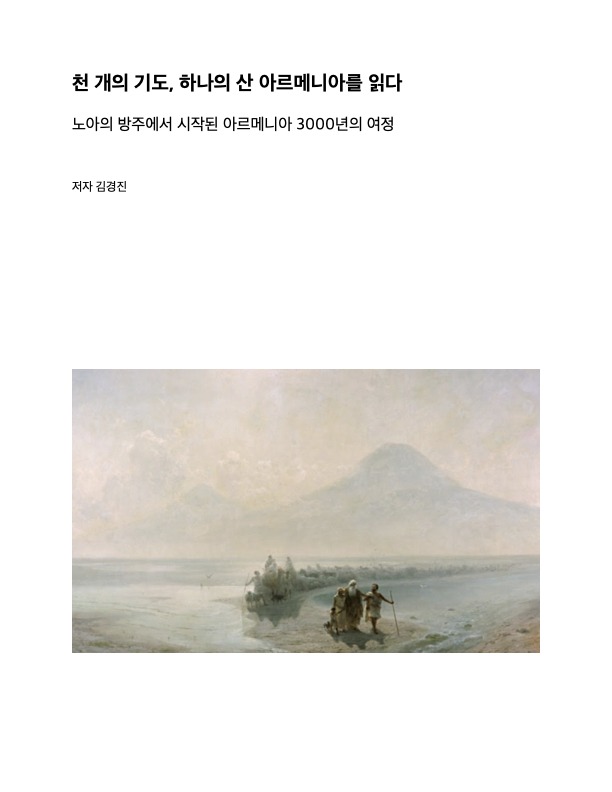
Reading Armenia: A Thousand Prayers, One Mountain
Chapter 4: Medieval Glory and Culture Preserved by Monasteries
Kim Kyung-jin
1. Bagratuni Dynasty - The Golden Age of Medieval Armenian Renaissance
From the 9th to the 11th century, the Bagratuni Dynasty, which ruled Armenia, opened the brightest period in Armenian history. From the 7th to the 8th century, Armenia suffered under Arab rule in a dark age, but with the emergence of the Bagratuni family, it recovered the status of an independent kingdom. This period was the pinnacle of Armenian medieval culture, a Renaissance era when architecture, art, and learning flourished.
Forces that historically pressured Armenia, located at a geopolitical crossroads
The Bagratuni family was originally an ancient noble house of Armenia. According to legend, they claimed to be descendants of King David of Judea, but historically they were a native aristocratic family of ancient Armenia. Even during the Arab period, they maintained considerable power and influence within Armenia.
Ashot I demonstrated brilliant political ability by maintaining balance between the Arab Caliph and the Byzantine Empire, and in 885 he was recognized as King of Armenia. It was a historic moment when Armenia became an independent kingdom again after centuries.
The capital of the Bagratuni Dynasty began in Ani, moved through Kars, and eventually returned to Ani. Ani was a major hub on the Silk Road and a center of trade.
The capital Ani is said to have had 1001 churches, such was the development of religious architecture.
The ruins of Ani, now located within Turkish territory and difficult to access from Armenia, was a major city of the medieval world. The population is said to have exceeded 100,000, which was remarkable for that time.
(The ruins of Ani in present-day Turkey contain numerous cathedral remains)
Searching with the keyword 'The Ruins of Ani - The City of 1001 Churches' yields countless photographs available on the internet.
The Ani ruins are located in Kars Province in Turkish territory and sit right next to the Armenian border. Since the land border between Armenia and Turkey has been closed since 1993, you cannot go directly from Yerevan. The best method is to enter Turkey via Georgia, then travel from Kars to the Ani ruins.
You travel from Yerevan to Georgia. You can use minibuses, trains, or shared taxis, which takes about 6 to 7 hours. From Tbilisi to Kars, Turkey, you take a bus or minibus, which takes considerable time including border crossing. From Kars to the Ani ruins takes about 45 minutes to one hour by car. A round-trip tour bus to the Ani ruins operates from in front of a specific cafe in Kars, but you should confirm its operation locally. Using a taxi or rental car is fastest and most convenient.
There is a way to bypass Tbilisi and go through Georgia to Turkish Kars. The most practical route is from Gyumri in Armenia through Akhaltsikhe in Georgia to the Turkish border.
From Yerevan to Gyumri, you can travel by minibus or train. Minibuses depart daily at 10 a.m. from Gyumri to Akhaltsikhe in Georgia, taking about 3.5 hours, with fares at 20 lari. From Akhaltsikhe to the Turkish border...
...you must pass through the Georgia-Turkey border at Turkgozlu or Posof. From Akhaltsikhe to the Turkish border, you can take a taxi or hitchhike.
A reliable method is that travel agencies in Gyumri operate group tours through Georgia to eastern Turkey. Using such tours, you can cross the border and arrive in Kars within a day. Live Tour Gyumri (phone +374 33 177 447) is a specialist in western Armenia tours and operates a one-day tour to Kars. This tour visits Kars, the Ani ruins, and Lake Childir, costing 25,000 Armenian drams. Cascade Travel Caucasus (website thecascadetravel.com) also provides personalized tours from Gyumri through Georgia to Kars.
These tours handle all procedures necessary when crossing the Georgian border and replace guides and vehicles at the border to travel safely to Turkey. Using a group tour allows you to arrive from Gyumri to Kars within about 12 hours and offers the convenience of not needing to change vehicles. Using a private taxi costs about 60 dollars from Gyumri to the Armenia-Georgia border, but transportation connections may be inconvenient.
If the detour to Turkey is too long, another method is to view the Ani ruins from a distance at a viewpoint near the Armenian border. The viewpoint near Haykazor village in the Shirak region is relatively easy to access. However, since it is a border area controlled by Russian forces, a telescope may be necessary to see it properly. It is difficult to reach from Yerevan by public transportation, so it is practical to use a tour with a guide from Gyumri or rent a car. To properly explore the ruins, you must take the route through Georgia to Turkish Kars. If you simply want to see the silhouette of the ruins from a distance, you can consider visiting the viewpoint on the Armenian side.
The Bagratuni kings governed the nation based on Christian faith. The royal family worked closely with the church and actively supported the construction of monasteries and churches.
The numerous monasteries and churches built during this period show the culmination of Armenian architectural style. Rounded ceilings, conical roofs, and intricate stone carvings were characteristics of the Bagratuni age. Architects skillfully handled volcanic rock and created earthquake-resistant structures.
Economically, this period was an age of prosperity. Armenian merchants who accumulated wealth through Silk Road trade were active from Europe to China. Armenian merchant communities established bases in major cities such as Constantinople, Venice, Cairo, and Tbilisi. They traded silk, spices, and jewels, earning enormous profits, and portions of this wealth were used in the construction of monasteries and churches in their homeland.
Learning and art also developed greatly. Monasteries operated schools teaching theology, philosophy, mathematics, and astronomy. Manuscript production reached an art form. Scribes beautifully copied gospels and prayer books on parchment, and miniature painters decorated books with elaborate illustrations. Manuscripts from this period are still preserved in the Matenadaran manuscript museum and are recognized as world cultural heritage.
Grigor Narekatsi was a theologian and poet representing this period.
He spent his entire life at Narek Monastery and left a masterpiece called the Book of Lamentations. This book is regarded as the greatest spiritual literature written in Armenian, and in 2015 the papal see declared him a Doctor of the Church for the universal church. Narekatsi's poetry deeply explores the relationship between the individual soul and God and contains reflection on human sin and salvation.
This prosperity began to be threatened from the mid-11th century. The Seljuk Turks began invading from the east, and in 1045 the Byzantine Empire conquered Ani. The Byzantines forced Gagik II, the last king of the Bagratuni Dynasty, to abdicate the throne. Armenia came under foreign rule again, and in 1064 the Seljuk Turks conquered Ani and destroyed the city.
After the fall of the Bagratuni Dynasty, Armenian culture survived. Many Armenians migrated to the Cilicia region in the south and established a new kingdom. The Cilician Armenian Kingdom flourished in the 13th and 14th centuries, exchanged with the Crusaders, and accepted European culture. The monasteries remaining on the mainland preserved the glory of the Bagratuni age and remained the center of Armenian identity.
The Bagratuni era is a source of pride for Armenians. The buildings and artworks created during this period show how strong and creative Armenian culture was even under foreign rule. Monasteries were not merely religious facilities but repositories of national culture, centers of education and art. The khachkar, a distinctive art form perfected in this period, with crosses and patterns carved in stone, carries the faith and aesthetic sense of Armenians.
(Grigor Narekatsi was a theologian and poet representing this period.)
Today, travelers visiting Armenia encounter numerous monasteries and churches, most of which were built during the Bagratuni age or afterward. They are situated deep in mountains, along lakeshores, and within gorges, each carrying its own story. These structures are not mere tourist sites but holy places where the souls of Armenians dwell. The legacy left by the Bagratuni Dynasty is not only buildings and artworks but the spirit of Armenians who endured difficult times while preserving faith and culture.
The architectural technology of the Bagratuni age was remarkably sophisticated. Architects of that time designed flexible structures considering the region's frequent earthquakes. By leaving appropriate space between stones, buildings could sway during earthquakes without collapsing. Thanks to such technology, architectural structures over a thousand years old remain standing today, having withstood several major earthquakes. Dome structures distributed weight evenly to provide stability, and interior spaces were designed considering acoustic effects.
Economic prosperity was the foundation of cultural development. The royal family and nobility donated land and property to monasteries, and merchants contributed portions of their trading profits to churches. Based on such property, monasteries operated schools, produced manuscripts, and aided the poor. Some monasteries operated hospitals and lodging facilities to care for pilgrims and travelers. Monasteries like Tatev functioned as university-level educational institutions where hundreds of monks lived.
Religious life during the Bagratuni age was very active. There were prayer times several times daily, and major festivals featured grand ceremonies. For great feast days such as Easter, Christmas, and Epiphany, thousands of believers flocked to monasteries. Pilgrimage was an important part of religious life, and people walked from far away to visit holy sites. Each monastery preserved unique sacred objects or relics and held value as a pilgrimage destination.
Music was also central to religious life. Armenian liturgical music has distinctive melodies and harmonies. Sharakans, a form of sacred chant, are characterized by complex melodies and rhythms and could only be sung by trained choir members. Some monasteries had music schools where young people were taught sacred chants. This musical tradition continues today and can be heard in the worship of the Armenian Apostolic Church.
The Bagratuni Dynasty was also skilled in international relations. Kings maintained balance between the Byzantine Empire, Arab Caliphate, and Kingdom of Georgia, preserving Armenian independence. They forged alliances through diplomatic marriages and secured economic interests through trade agreements. This balancing diplomacy eventually fell before Byzantine ambitions and Seljuk invasions. By the late 11th century, Armenia was again divided and subjected to foreign rule.
Nevertheless, the cultural foundation formed during the Bagratuni age did not disappear. Monasteries preserved Armenian culture even amid Mongol invasions, Persian rule, and Ottoman oppression. Scribes continued to copy books, architects built new churches, and poets wrote in Armenian. This cultural continuity allowed Armenia to maintain its identity as a nation even after losing its independent state.
In modern Armenia, the Bagratuni age is regarded as a source of national pride. Schools teach this period's history in detail, and streets and buildings named after Bagratuni kings are common. In Yerevan's Matenadaran museum, manuscripts from this period are displayed, allowing visitors to directly witness the wisdom and artistry of Armenians from a thousand years ago. Monastery visits are not mere tourism but pilgrimages that encounter Armenia's soul.
2. Armenian Monasteries - Bastions of National Identity
What first astonishes visitors traveling in Armenia is the numerous monasteries scattered throughout the mountains and valleys. In the small country of Armenia, there are hundreds of monasteries and churches, and centers of culture exist throughout, not merely as religious facilities. Amid foreign invasions and persecution, monasteries were fortresses that preserved Armenian identity. As centers of education, art, and literature, monasteries remain the spiritual homeland of Armenians today.
(1) Fortresses of Intellect Where Faith and Learning Bloomed
Monastic life in Armenia began in the early 4th century, shortly after Christianity was officially recognized. When early Christianity was persecuted in the Roman Empire, Armenia was the first country in the world to declare Christianity as its state religion. After King Trdat III adopted Christianity under the influence of Saint Gregory in 301, many people received baptism. Some who sought genuine religious life left the secular world and began ascetic practices in mountains and caves.
Early monks were influenced by the Desert Fathers of Egypt and Syria. The teachings of Saint Anthony of the Desert and Saint Pachomius were transmitted to Armenia, and many young people, alone or in small communities, devoted themselves to prayer and meditation in the mountains. Initially, natural caves or simple stone houses served as dwellings. As time passed, these small communities grew and developed into full monasteries.
Armenian monasteries have a distinctive structure. Most monasteries are situated in mountains or gorges isolated from the outside world. This was so monks could escape worldly temptations and focus solely on religious life. At the same time, there was a practical reason for protecting the community from invasion. Monasteries with thick stone walls, strong doors, and sometimes even defensive towers served as refuges during times of war.
At the center of a monastery, there is always a church. Most churches have a floor plan in the shape of a cross, with a dome rising at the center. The dome symbolizes heaven, and when looking up from inside, one can feel the sacred through windows where light enters.
The interior of the church is decorated modestly. Rather than ornate decoration, they valued the texture of stone and the pure beauty of architecture. The altar faces east, as they believed this was the direction from which Jesus Christ would return.
Around the church were the dwellings of monks. Small rooms were arranged along the cloister, and each monk prayed, studied, and slept in his own cell. In the communal dining hall (refectory), they...
...ate together once or twice a day. Meals were very simple, consisting mostly of bread, vegetables, and fruit. Meat could only be eaten on special holy days, and fasting was an important part of monastic life.
The monastery had a scriptorium. This place was the heart of monastery culture. Scribes carefully copied the Bible, prayer books, and theological texts onto parchment.
Completing one book took several years. Copying was not simple duplication but an act of prayer and meditation.
Scribes put care into each letter, and they drew beautiful illustrations in the margins. These manuscripts are still housed in the Matenadaran Museum and are recognized as world cultural heritage.
School was also an important facility of the monastery. Not only young monks but also the children of lay people received education at monastery schools. The curriculum was diverse, starting from reading and writing Armenian, moving to Bible study, theology, philosophy, mathematics, and astronomy. Some large monasteries developed into university-level educational institutions. The Tatev Monastery University was a center of learning where hundreds of students studied during the medieval period. Scholars produced there worked as teachers and clergy throughout Armenia.
The monastery played an important economic role. Monasteries that owned large tracts of land engaged in agriculture and livestock, and some produced wine and fruit. Monks participated directly in labor, which was part of monastic life. According to the principle "pray and work" (ora et labora), the daily schedule was divided into prayer time and work time. Part of the produced goods was used for monastery operations, and the rest was distributed to the poor or sold.
The monastery also operated hospitals and lodging facilities. Pilgrims and travelers could stay and eat at monasteries for free. Sick people received treatment at monasteries. During the medieval period, monks had extensive knowledge of herbalism, and many people came to monasteries to be healed. Some monasteries had herb gardens where they cultivated various plants.
A monastery's day was composed of a strict schedule. Monks would wake up early, offer the first prayer, and after breakfast each would perform their assigned duties. After midday prayer and meal, they would work again, and in the evening they would end the day with evensong and prayer. There was also prayer time during the night, and some monks would pray through the night. This regular life was a framework that helped monks' spiritual growth.
The monastic community had a hierarchy. The abbot was the spiritual and administrative leader of the community, with various positions under him. There were priests who led the liturgy, teachers who oversaw education, librarians who managed the scriptorium, accountants who handled finances, and guest masters who received visitors. Each person had their own role. Although all decisions were made by the abbot, important matters were discussed in community meetings.
There were also female monasteries (convents). Although their numbers were small, women could also choose monastic life. Female monasteries had structures and rules similar to male monasteries. Nuns also prayed, worked, and studied. Some worked as skilled copyists, and they developed crafts such as embroidery and weaving.
Relationships with the outside world were also important. The monastery was isolated, but it was not completely cut off from the world. Bishops and catholicos would visit monasteries to celebrate Mass and give blessings. Nobles and kings also came to monasteries to pray and make donations. Some monasteries became famous pilgrimage sites, with pilgrims visiting year-round. The monastery was the spiritual center of the local community, and people visited whenever they had important matters.
Monastery architecture harmonized with the region's natural environment. Architects designed the monastery so that while it did not harm the surrounding landscape, visitors could feel it was a spiritual place. Many monasteries were located on mountainsides where they could be seen from afar, serving as lighthouses of faith. The technique of stonemasonry was very sophisticated, creating sturdy walls without cement. Considering the region's frequent earthquakes, a flexible structure was adopted, and thanks to this, buildings over a thousand years old remain intact.
Monastery culture is the core of Armenian identity. Even during periods under foreign rule, monasteries were the last bastion preserving Armenian language and culture. Mesrop Mashtots, who created the Armenian alphabet, was himself a monk, and the alphabet he created was taught and used in monasteries. Many monasteries remain active today, and young people are choosing monastic life. Visiting monasteries is the best way to understand Armenian history and culture.
(2) Geghard Monastery, a Sanctuary Carved into Rock
Geghard Monastery is one of the most mysterious places in Armenia. Located deep within the Azat Gorge, about 40 kilometers east of Yerevan, this monastery is partially built by carving into rock. Geghard means "spear" in Armenian, named after the Holy Lance that supposedly pierced the side of Jesus Christ, which was once kept here. That spear is now in the museum of Etchmiadzin Cathedral in Yerevan, but the monastery retains its name.
Geghard's history dates back to the fourth century. During the early Christian period, monks began practicing in caves in this gorge. According to legend, Saint Gregory himself visited and blessed this place. The first monastery was called Ayrivank, meaning "cave monastery". It was destroyed by Arab raids in the ninth century but was rebuilt during the twelfth and thirteenth centuries. Most of the structures visible today were created during this period.
As you approach the monastery, the first thing that strikes you is the massive rock cliff. The red volcanic rock cliffs of the gorge resemble a natural fortress wall. From the parking area to the monastery is a short walking path, with small shops selling souvenirs on both sides. They sell homemade fruit roll and a traditional bread called "gata". Gata is sweet and crispy, very popular.
Upon entering the monastery, you first see the Katoghike Church. Built in 1215, this church is a typical Armenian cross-shaped building. The interior is both simple and majestic. High ceilings and small windows letting in light create a mysterious atmosphere. Crosses and geometric patterns are carved on the walls, and there are ancient inscriptions behind the altar. If you visit during Mass time, you can hear Armenian liturgical music. The hymn echoing off the stone walls gives a profound resonance, as if it were celestial music.
Next to Katoghike Church are chapels carved out of rock. This is the true mystery of Geghard. The Avazan Chapel was created around 1240 by directly cutting into the mountainside. Inside, you see a remarkable sight where natural rock and artificial carving become one. The ceiling is carved with intricate crosses and star patterns, and the acoustics are excellent, with even soft sounds echoing loudly. In medieval times, monks would sing hymns here, praising God.
Going deeper inside is the Upper Chapel. Completed in 1283, it also serves as a mausoleum of the Proshyan family. The central hall is covered by an octagonal dome, and the walls have animal carvings such as lions and eagles. These were the coat of arms of the Proshyan family. This family was a powerful Armenian noble clan at the time and donated considerable wealth to the monastery. In return, they received the right to build a family mausoleum within the monastery.
The most impressive space at Geghard is perhaps the Holy Spring Chapel. In this small chapel where spring water rises from the rock, considered the most sacred place in the monastery, the water flows year-round, cold and clear. Pilgrims drink this water and take it home in bottles. The water is believed to have healing power, and many people drink it praying for recovery from illness. Countless crosses are carved into the chapel walls, left by pilgrims to commemorate their visits.
Outside the monastery, you can admire the gorge's scenery. The surroundings are enclosed by sheer rock cliffs, and the Azat River flows below the gorge. In spring, wildflowers bloom, dotting the valley. In summer, lush green vegetation covers the area. In autumn, colorful leaves create red and yellow hues, and in winter, snow falls, offering quiet beauty. The nature here makes the monastery's sanctity even more striking.
Visitors to Geghard often feel as though time has stopped. Walking through the narrow rocky passages, it feels like following the footsteps of monks from a thousand years ago. In the dark, cool rock chapel, when you light a candle and pray, worldly noise fades away and you feel inner peace. This place offers a spiritual experience to all people, regardless of religious belief.
There are many other things to see around Geghard. Near the monastery entrance, khachkars stand in rows. These cross-stones were created in various eras, each with unique patterns. Some have only simple crosses carved on them, while others are decorated with complex geometric patterns and floral designs. Examining the khachkars in detail is one of the pleasures of visiting Geghard.
Walking up along the gorge a bit, you find the Geghard Symphony of Stones. These are natural basalt columns that look like a giant pipe organ. The sight of hundreds of vertical hexagonal columns standing together is amazing. This natural phenomenon was formed by volcanic activity, with lava solidifying into regularly shaped columns as it cooled. Many people take photos here, marveling at nature's mystery.
Geghard is designated as a UNESCO World Heritage Site. UNESCO evaluated this monastery as "a perfect harmony of nature and human creation". The architectural technique of carving into rock, artistic value, and surrounding natural landscape combine to create a unique cultural landscape. The Armenian government works to preserve this heritage, and visitors must also respect and visit this precious place.
There are several ways to get from the capital Yerevan to Geghard. The most convenient way is by taxi or private vehicle. It takes about 40 minutes from downtown Yerevan. The road is well-paved and road signs are clear. To use public transportation, you must first take a minibus to Garni village, then go to Geghard from there by taxi or on foot. From Garni to Geghard is about 7 kilometers, and if you enjoy walking, you can slowly walk about 2 hours along the beautiful gorge path.
From near the Gai bus station in downtown Yerevan, you can take bus number 266 to near Geghard Monastery. The bus fare is very cheap at 500 Armenian dram, and after getting off at the terminal, you need to walk about 20 to 30 minutes to the monastery while enjoying beautiful scenery. However, buses operate on a system where they depart when a certain number of passengers are aboard, rather than following a fixed schedule, so it is good to plan with extra time.
By taxi from downtown Yerevan to Geghard Monastery takes about 40 minutes, with fares at about 10,000 Armenian dram. Local taxi-calling apps like Yandex work well, and you can check estimated fares and book conveniently before departure, so foreign travelers can use them safely without worrying about overcharging.
(The red dot on the map is the area of Geghard Monastery and Garni Temple)
Garni Temple and Geghard Monastery are visited together as a day trip. Garni Temple is the only remaining Hellenistic architecture in Armenia, a first-century temple to the sun god Mithras. Seeing both a pagan temple and a Christian monastery in one day is an excellent way to understand the diversity of Armenian history. In addition, near Garni you can see demonstrations of making traditional lavash bread, and there are homes offering lunch meals.
(Garni Temple)
(23-kilometer trekking course from Garni Temple to Geghard Monastery)
Garni Temple, Geghard Monastery, and the Symphony of Stones are the most popular tourist sites near Yerevan, usually visited together as a day's itinerary.
Garni Temple is the only remaining pagan temple in Armenia built in Hellenistic style. Dedicated to the sun god Mithra in the first century AD, it features Roman-style columns and architecture. When Armenia adopted Christianity as its state religion in the fourth century, most pagan temples were destroyed, but Garni was preserved because it was part of a royal summer villa. It collapsed in an 1679 earthquake but was restored in the twentieth century, and sits on a triangular cliff with a view of the gorge. Admission for foreigners is 1,500 Armenian dram (about 5,000 won).
The Symphony of Stones is a vast columnar jointing area in the Azat River Gorge below Garni Temple. Vertically rising hexagonal basalt columns look like a giant pipe organ, so it is called the Basalt Organ or Symphony of Stones. The scale is world-class, and you can feel nature's wonder. You can view it from Garni Temple above or descend into the gorge to stand beneath the columns. Admission is about 200 to 1,000 Armenian dram (about 700 to 3,500 won).
Geghard Monastery is a cave monastery designated as a UNESCO World Heritage Site. A significant portion was carved from the massive rock face of a mountain, creating a unique and majestic atmosphere. Geghard means "spear", named because it once housed the legendary holy spear that pierced the side of Jesus when he was crucified. After being established by Saint Gregory in the fourth century, it was expanded into its current form during the twelfth and thirteenth centuries, preserving medieval Armenian monastery architecture and decoration well. Admission is free.
The road distance between Garni Temple and Geghard Monastery is about 10 kilometers in a straight line. However, if you slowly walk along the Azat River gorge while savoring Armenian scenery, you can hike a trekking course that is about 23 kilometers long.
There is a hiking trail from Garni Temple to Geghard Monastery along the Azat River Gorge, passing the Symphony of Stones and an eleventh-century medieval bridge. The entire hiking course is about 23 kilometers with an elevation gain of about 850 meters.
The walk takes approximately 6 to 7 hours and is a moderately difficult route. The hiking trail follows the Azat River and passes through a beautiful gorge surrounded by high cliffs. Midway through the course, there is also a path to Habutz Tar Monastery, and you can access the Khosrov Forest Reserve as well. To go hiking, you should prepare comfortable shoes and plenty of water, and the best time is between April and October.
On fine spring or fall days, you can take a taxi from Yerevan to reach Garni Temple first, then slowly walk along the hiking trail while enjoying the Symphony of Stones and visiting Geghard Monastery, and finally return to Yerevan by taxi or marshrutka from Geghard.
The most common way to visit these three places is to use a tour package. Using a tour is the most convenient and efficient option, as both transportation and schedule are arranged. Usually other attractions like Charents Arch are included as well, with group tours costing approximately $50 (about 70,000 won) and private tours costing approximately $140 (about 190,000 won).
If you charter a taxi, you can adjust the schedule freely and get picked up and dropped off at your doorstep. For a full day charter from Yerevan visiting Garni, Geghard, and Symphony of Stones, the cost is approximately 13,000 to 15,000 Armenian drams (about 45,000 to 52,000 won). Using public transportation is the cheapest, but requires taking a marshrutka from Yerevan to Garni village (300 to 500 drams per person, about 1,000 to 1,700 won), then additionally using a local taxi, so it takes a long time. A taxi from Garni to Geghard costs approximately 3,000 Armenian drams (about 10,000 won).
Geghard is a living monastery. Monks still reside there and hold services daily. Visitors must respect the spiritual atmosphere of the monastery. Many people carry away the peace and mystery of this place in their hearts. The awe felt in the chapel carved into the rock, the cool taste of holy water, and the quiet of the gorge remain in memory for a long time. This is not simply a tourist site but a pilgrimage place that purifies the soul. For everyone visiting Armenia, Geghard is an absolute must-visit destination.
(3) Tatev Monastery - A Spiritual Stronghold Touching Heaven
Tatev Monastery is situated on a deep gorge in Syunik Province in southern Armenia. This monastery, built at the edge of a high plateau at 1,500 meters elevation, seems to float between heaven and earth. Perched atop the sheer cliffs of Vorotan Gorge, the monastery has stood toward the sky for over a thousand years.
Tatev means "give wings" in Armenian, derived from the words "tur" (give) and "thev" (wings), reportedly from words spoken by Saint Eustatios, who founded the monastery, during prayer.
The history of Tatev dates back to the 9th century. In 895, Ashot, a lord of Syunik, and his wife Shushan built a monastery at this location. This place was considered sacred long before then. Some historians suggest that a pagan temple existed here in pre-Christian times. In the early Christian period, there was a small chapel, which expanded into a full monastery in the 9th century.
From the 10th to the 14th centuries, Tatev was the most important center of learning in Armenia. Tatev University was the most authoritative educational institution in medieval Armenia, with up to 500 students studying there. Various subjects were taught including theology, philosophy, mathematics, astronomy, music, and calligraphy. Great theologians like Grigor Tatevatsi taught here, and many outstanding scholars were trained. Books produced in the Tatev scriptorium are considered treasures of Armenian culture.
Tatev's history was not smooth. A major earthquake in 1170 destroyed much of the monastery, and reconstruction took a long time. In the late 14th century, it was plundered by Mongol and Turkish invaders. In the 17th century, it was attacked by Persia, and in the 18th century, it suffered again from Ottoman invasion. Nevertheless, the monastery was rebuilt each time, becoming a symbol of the indomitable will of Armenians.
In the early 20th century during the Soviet period, religious activities were forbidden and the monastery fell into ruins. Another major earthquake in 1931 brought down many buildings. Even in the 1990s after Armenia's independence, major restoration was difficult due to economic hardship. Beginning in the 2000s, large-scale restoration work started through government and private efforts. The appearance of Tatev that you see today is the result of these persistent preservation efforts.
The most dramatic way to visit Tatev is to take the "Wings of Tatev," the world's longest reversible aerial tramway. Opened in 2010, this cable car connects from Alizar village to Tatev Monastery over a distance of 5.7 kilometers. The 12-minute journey 320 meters above Vorotan Gorge is itself an unforgettable experience. Below you see the deep gorge and winding river, and in the distance, snow-capped mountains unfold. As the cable car approaches the monastery, the magnificent structure perched at the edge of the plateau comes into view.
Exiting the cable car, you follow a short path to the monastery entrance. The monastery is surrounded by sturdy stone walls, making it look like a fortress. This was not merely decorative but actually served to protect the community from invasion. Beyond the entrance, a wide courtyard appears, and in its center rises the Cathedral of St. Bartholomew and Paul. This cathedral, the main building of the monastery built in 895, is characterized by its cross-shaped floor plan and high dome.
Entering the cathedral interior, the high ceiling and thick stone pillars add to the sense of majesty. On the walls, traces of frescoes remain, though most have faded with time. Behind the altar, there is intricate stone carving, demonstrating the perfection of 9th-century Armenian masonry. The cathedral's acoustics are remarkable. Even a soft whisper is amplified beneath the dome, creating a mystical resonance. One can imagine the majesty when medieval monks sang sacred chants here.
Next to the cathedral is the Chapel of Saint Gregory. This small building was constructed in 1295 and is decorated with more delicate carvings. Above the entrance, in the tympanum, is a relief of the Virgin Mary and the Christ Child, with angels and apostles arranged around them. This chapel was primarily a space for private prayer, and you can still see people lighting candles and praying quietly here.
The most unique structure within the monastery compound is the Gavazan pillar. This stone column, 8 meters tall, stands in the middle of the monastery courtyard, decorated with intricate crosses and geometric patterns. What is remarkable is that this pillar moves. The base of the pillar rests on a spherical foundation, so it sways during earthquakes. This is a remarkable example of medieval engineering, serving as an early warning system to detect seismic movement. Even today, the pillar still functions, and you can see it sway slightly if you push it.
Near the monastery walls are remnants of an oil press and bread oven. This shows that Tatev was not merely a place of worship but a self-sufficient community. The monks produced olive oil, baked bread, and made wine. Nearby are also ruins of a building that was once the library scriptorium. Although most has collapsed, many valuable manuscripts were produced here.
The natural landscape surrounding Tatev is breathtakingly beautiful. The view of Vorotan Gorge from the plateau where the monastery stands is spectacular. The gorge, over 500 meters deep, was carved by the Vorotan River over millions of years. In spring, wildflowers bloom profusely on the gorge slopes, and in summer, green meadows spread out. In autumn, the forest turns golden, and in winter, snow blankets everything in silver. The sunset here is beautiful. As the sun sets, the gorge glows red, and the monastery, bathed in the last rays of sunlight, shines golden.
Visiting Tatev is both a spiritual pilgrimage and an encounter with nature. Many travelers feel deep peace here. You can escape the hustle and bustle of the secular world and take time to reflect on yourself in a place close to the sky. Walking slowly around the monastery and imagining a thousand years of history, pondering the dedication of the monks who protected it, awe naturally arises.
Near Tatev is also Tatavi Monastery. This small monastery is about a 30-minute walk from Tatev and is a quiet, beautiful place less well-known. Walking along the forest path itself becomes a time for meditation. Meeting the small monastery in the quiet forest where only bird calls and wind are heard feels like time travel.
(Far from the capital Yerevan is Tatev Monastery)
Tatev is approximately 250 kilometers from Yerevan, which is quite far. The drive takes about 4 hours. The road goes south, passing through Syunik Province, and along the way, you can see much beautiful scenery. You can also charter a taxi as a group or participate in a day tour departing from Yerevan.
The best time to visit Tatev is from May to October. During this period, the weather is pleasant and the cable car operates normally. In summer, the high plateau is cooler than Yerevan. In winter, heavy snow sometimes causes the cable car to close for the day, so it's good to check operation status before visiting. You'll be outdoors all day, so prepare comfortable shoes and weather-appropriate clothing.
Although Tatev is one of the most remote places in Armenia, it is well worth visiting. The thrill of the cable car ride, the grandeur of the monastery, and the natural beauty of the gorge combine to provide an unforgettable experience. Many people cite their visit to Tatev as the highlight of their Armenia trip. This monastery, with wings spread toward the sky, is a sacred place where human faith and natural beauty converge.
(4) Khor Virap - A Miracle Blooming in the Deep Cavern of Faith
Khor Virap is one of the most symbolic places in Armenia. Situated in the middle of the Ararat Plain, this monastery offers the most beautiful landscape with Mount Ararat as its backdrop. Khor Virap means "deep pit" in Armenian, referring to the underground dungeon where Saint Gregory, who converted Armenia to Christianity, was imprisoned for 13 years. In Armenian pronunciation, "Kh" is a harsh fricative closer to the English "h" than to the Korean "kh" sound. It is written as "Khor Virap" or "Kor Virap," and both are in common use.
The story of Khor Virap dates back to the late 3rd century. At that time, King Tiridates III of Armenia persecuted Christians. Gregory, who received Christian education in Rome and returned to Armenia, was arrested for being a Christian. The king imprisoned him in an underground pit near the royal palace of Artashat. This pit was originally a place for executing prisoners, a dark and damp space.
According to legend, Gregory remained alive in this pit for 13 years through a miracle. A devout woman reportedly threw him one piece of bread each day. Meanwhile, King Tiridates fell gravely ill and went mad. When doctors could not heal him, the king's sister had a dream. In the dream, an angel appeared and said that only a saint imprisoned in an underground dungeon could heal the king. When Gregory was pulled from the dungeon, he was barely skin and bones, yet still alive.
Gregory prayed for the king, and the king was healed. Having experienced the miracle, King Tiridates converted to Christianity and declared Armenia the first Christian nation in the world in 301. Gregory became Armenia's first Catholicos, and his descendants led the church for centuries. This dramatic conversion story became central to Armenian religious identity.
The Khor Virap Monastery visible today was built in the 17th century. This place had been a holy site long before that. A small chapel was already built here in the 4th century, and it expanded into a monastery in medieval times. The buildings you see now were mostly completed in 1662 and have been repaired several times since. The monastery sits on a small hill overlooking the Ararat Plain, and the surrounding area is filled with vineyards and fruit orchards.
What first overwhelms visitors to Khor Virap is the magnificent sight of Mount Ararat. Though it lies within Turkish territory, Mount Ararat is the sacred mountain in the hearts of Armenians, located only a few kilometers from the monastery. The sight of Greater Ararat at 5,137 meters elevation and Lesser Ararat at 3,896 meters standing side by side is awe-inspiring. On clear days, the snow-capped summit is distinctly visible against the blue sky. This landscape has become an iconic image of Armenia, the subject of countless photographs and paintings.
Passing the monastery entrance, you first see the Chapel of Saint Gevork. This small chapel, built in the 19th century, has a simple, elegant design. Inside the chapel is an icon of Saint Gevork (Saint George), and on the walls are prayer requests and wishes written on paper left by believers. Many people light candles here and pray for the health and happiness of their families.
Next to the chapel is the main church of the monastery, the Cathedral of the Virgin Mary. This cathedral is a fine example of 17th-century architecture, featuring the characteristic Armenian dome structure. The interior is decorated with frescoes depicting biblical scenes and the lives of saints. Behind the altar is elaborate ornamentation, and in the ceiling dome is an image of Jesus Christ. Attending Sunday liturgy here allows you to experience the beauty of Armenian worship.
The true heart of Khor Virap is the underground dungeon. There is a narrow staircase in the cathedral floor, and descending it leads to the pit where Saint Gregory was imprisoned. The stairs are steep and narrow, allowing only one person at a time. As you descend, the temperature drops and humidity increases. The pit is located 6 meters below ground and is a circular space approximately 4.5 meters in diameter. The ceiling is so low that an adult can hardly stand.
Entering the dungeon, intense emotion floods in. Imagining spending 13 years in this dark, cramped space is almost incomprehensible. The walls are rough and cold, and the only light is the dim light entering from above. Many pilgrims kneel and pray here. Some shed tears. It is a time to contemplate Saint Gregory's suffering and endurance and to reflect on one's own faith. The dungeon is so cramped that several people cannot be inside at once, so sometimes you must wait your turn.
There is a second prison below. This is where other prisoners were held, slightly larger than Saint Gregory's dungeon but equally dark and gloomy. Fewer people descend to this prison, but those seeking a deeper experience visit both places. Coming up from below feels like being reborn. It is a symbolic journey from darkness to light, from death to life.
Outside the monastery, walking around the surroundings is also worthwhile. Behind the monastery is an ancient cemetery where khachkars from various periods stand. Some are hundreds of years old, with intricate crosses and patterns carved into them. A short distance from the cemetery is a small hill, and the view of Mount Ararat is better from here. Many photographers take pictures capturing both the monastery and Mount Ararat together from this hill.
(The underground dungeon where Saint Gregory was imprisoned for 13 years)
Visiting Khor Virap in spring, the surrounding fields turn red with poppies. The landscape of red flower fields, ancient monastery, and snow-covered Mount Ararat together is like a painting. In summer, you can observe the grape-ripening process, and in autumn, the image of farmers harvesting adds rural peace. In winter, snow blankets everything white, and Mount Ararat and the monastery become unified in a single color, creating a dreamlike landscape.
Khor Virap holds special meaning for Armenians. This is not merely a historical place but the root of national identity. The conversion to Christianity was a turning point in Armenian history, and afterward all Armenian culture, art, and literature developed centered on Christianity. Standing at Khor Virap, you can truly feel how long an Armenian Christian history the country has.
Gazing down on Khor Virap toward Mount Ararat evokes complex emotions. Mount Ararat, the sacred mountain in the hearts of Armenians, now belongs to Turkish territory and cannot be reached directly. Due to the 1915 genocide and subsequent history, Mount Ararat has become a symbol of loss and longing. At the same time, it also symbolizes Armenian resilience and survival. Viewing Mount Ararat from Khor Virap goes beyond personal emotion to become a national experience.
From Yerevan to Khor Virap is about 45 kilometers, taking roughly 40 minutes by car. Travel south on the M2 highway (highway, մայրուղի) and follow signs toward the monastery after Artashat. The road is well-paved and easy to find. You can take a taxi, or many travel agencies offer day tours that include Khor Virap. By public transportation, you can take a minibus to Artashat and then a taxi or walk to the monastery from there.
Khor Virap pairs well with other attractions. Nearby is the Khor Virap Winery (Khor Virap Winery, Խոր Վիրապի գինեգործարան) where you can taste Armenian wine. You can visit it together with Noravank Monastery (Noravank Monastery, Նորավանք) or Geghard Monastery as a day trip. The view of Mount Ararat is most beautiful in the morning or evening, so if possible, visit during these times. The sight of Mount Ararat turning golden at sunset becomes an unforgettable memory for a lifetime.
It is important to approach your visit with a reverent mindset. Khor Virap is both a tourist destination and an active monastery, as well as a sacred site for Armenians. Dress appropriately, conduct yourself quietly, and be careful not to disturb worship services. Be cautious when descending to the underground dungeon. The stairs are steep and may be slippery, so hold the handrail and move slowly. People with claustrophobia should think carefully before descending.
As visitors depart from Khor Virap, many carry deep impressions in their hearts. Saint Gregory's perseverance and faith, a nation's dramatic conversion, the beauty and sorrow of a lost sacred mountain,all are contained in this small monastery. Khor Virap is the key to understanding Armenia, and one cannot truly claim to know Armenia without visiting this place.
(5) Haghpat and Sanahin: Twin Lighthouses of Medieval Learning
In the Debed Gorge (Debed Gorge, Դեբեդի կիրճ) of the Lori region in northern Armenia stand two great monasteries. Haghpat (Haghpat, Հաղպատ) and Sanahin (Sanahin, Սանահին) lie only a few kilometers from each other, yet each possesses its own distinct history and character. Founded in the 10th century, these two monasteries were the most important centers of learning in medieval Armenia and were jointly designated as UNESCO World Heritage Sites in 1996. They were masterpieces of Armenian architecture and treasuries of medieval knowledge and art.
(Haghpat Monastery)
Haghpat Monastery was founded in 976 by Queen Khosrovanush (Queen Khosrovanush, Խոսրովանույշ թագուհի), wife of King Ashot III (Ashot III, Աշոտ Գ) of the Bagratid dynasty. Haghpat means "huge wall" (huge wall, հսկա պատ) in Armenian, aptly describing the monastery's grand structure. According to legend, a father and son architect competed in building Haghpat and Sanahin. The father constructed Haghpat and the son constructed Sanahin, and when Haghpat was completed, people from the Sanahin side exclaimed "this one is better" (this one is better, սա ավելի լավ է), giving Sanahin its name.
Haghpat sits deep in a forest, creating a mysterious atmosphere. The path to the monastery is narrow and winding, surrounded by ancient trees (ancient tree, հին ծառ) and moss (moss, մամուռ). As you pass through the village and climb the hill, the monastery appears, its old stone walls and moss-covered roof seeming like part of nature itself. Beyond the entrance lies a broad courtyard with several buildings organically connected.
The heart of Haghpat is the Cathedral of Saint Nshan (Cathedral of Saint Nshan, Սուրբ Նշանի տաճար). Built between 991 and 1001, this cathedral features a cross-shaped floor plan and a high dome. The interior is austere and majestic, with thick stone columns supporting the ceiling. Traces of frescoes remain on the walls, though most have faded with time. The cathedral's acoustics are excellent,even a whisper beneath the dome is amplified. One can imagine the splendor when medieval monks' chants echoed through this space.
Beside the cathedral stands a bell tower (bell tower, զանգակատուն) constructed in the 13th century. This tower is among Armenia's most beautiful, with four stories decorated with intricate arches and carvings. The bell still rings today, its sound echoing through the gorge and carrying far. Climbing the tower offers views of the surrounding mountains and valleys. One can see Sanahin Monastery in the distance, the two monasteries seemingly watching over each other.
The most distinctive building at Haghpat is the scriptorium. Built in the 13th century, this structure once housed manuscripts and books, making it Armenia's oldest library building. Its thick stone walls and small windows protected books from moisture and sunlight. Traces of shelving used for book storage remain inside. Hundreds of precious manuscripts were created and preserved here.
Haghpat's scriptorium was the center of medieval Armenian learning, where many scholars studied and wrote.
Several khachkars stand within the monastery grounds. The most famous is the "Cross of Salvation," a masterpiece carved in 1273 by sculptor Vahram (Vahram, Վահրամ). The khachkar is adorned with intricate and delicate patterns, with plant motifs and geometric designs surrounding the central cross in harmonious composition. It is regarded as the pinnacle of Armenian stone-carving art and is studied by many artists and scholars.
Haghpat Monastery also preserves its refectory building well. Constructed in 1257, the building impresses with its high ceiling and spacious hall. In medieval times, monks ate their meals here in silence while one person recited passages from scripture or lives of saints. A small pulpit on one side of the refectory served as the lectern. The building's acoustic design allowed the speaker's voice to project evenly throughout the space.
A few kilometers from Haghpat stands Sanahin Monastery. Sanahin was built around the same time as Haghpat but possessed a stronger scholarly character.
The Sanahin Academy (Sanahin Academy, Սանահինի ակադեմիա) was a premier educational institution of the medieval period, teaching mathematics, astronomy, philosophy, and theology. Great scholars such as Grigor Magistros (Grigor Magistros, Գրիգոր Մագիստրոս) and Hovhannes Sarkavag (Hovhannes Sarkavag, Հովհաննես Սարկավագ) taught here.
Sanahin occupies a more open location than Haghpat. It sits closer to the village, making access easier, and the surrounding landscape is more expansive. An old bridge stands at the monastery entrance, this stone bridge built in the 12th century and still in use today. On one side of the bridge is a cat sculpture that attracts visitors' attention. According to legend, this cat symbolizes the female architect who constructed the bridge.
(Sanahin Monastery)
Sanahin's main church is the Cathedral of the Mother of God (Cathedral of the Mother of God, Սուրբ Աստվածածին տաճար). Built between 934 and 966, this cathedral is slightly earlier than Haghpat's and displays similar architectural style. The interior is darker, but this creates a more contemplative atmosphere. Near the altar are preserved old icons, some centuries old.
Next to the cathedral stands the Church of the Savior (Church of the Savior, Ամենափրկիչ եկեղեցի). This small church was built in 957, with a unique connecting structure called a gavit. A gavit (Gavit, Գավիթ) is an entrance hall to a church, a space where the faithful gathered before worship or held important ceremonies. Sanahin's gavit is large and beautiful, its ceiling supported by complex stone arches. The way light enters has been carefully calculated, so the interior atmosphere changes dramatically throughout the day.
Sanahin's library building was constructed in 1063 and is larger and more sophisticated than Haghpat's scriptorium. It served not only as a book repository but also as a learning space. Students read manuscripts here, held discussions, and conducted research. The walls bear inscriptions emphasizing the importance of learning. The phrase "Wisdom is light in darkness, and knowledge is the key that breaks the chains of ignorance" reflects the spirit of medieval scholars.
Sanahin also has numerous khachkars. Some feature unique designs that have attracted scholarly attention. One khachkar bears astronomical symbols, proving that astronomy was studied here. Another displays symbols that appear to be mathematical formulas, suggesting the academic level of the Sanahin Academy.
Both monasteries have bell towers, but their styles differ somewhat. Haghpat's tower feels more solid and fortress-like, while Sanahin's is more elegant and ornamental. This reflects the different characters of the two monasteries. Haghpat was more secluded and fortress-like, while Sanahin was more open and scholarly.
The relationship between the two monasteries was both competitive and cooperative. At times they competed for scholarly superiority, but in times of crisis they supported each other. During Mongol invasions, if one monastery came under attack, the other provided refuge. Manuscripts were exchanged and knowledge was shared. This cooperation allowed many precious works to be preserved.
Haghpat and Sanahin were more than religious institutions. They were the intellectual centers of medieval Armenia. Philosophers, theologians, mathematicians, astronomers, physicians, and musicians gathered to exchange knowledge. Some scholars translated Greek, Syriac, and Arabic texts into Armenian, preserving and spreading ancient knowledge. Centuries before Europe's Renaissance, a revival of classical learning was occurring here.
The manuscripts of both monasteries were also works of art. Scribes did not merely copy text,they beautifully decorated each page. Animals, plants, and geometric patterns appeared in the margins, and the first letters of important chapters were adorned with gold leaf. Some manuscripts contain illustrations showing daily life of the era, making them invaluable historical research materials.
Music held an important place in both monasteries. Schools of music existed where sharakans were composed and taught. Some composers created new melodies that contributed to the development of Armenian liturgical music. Music also served as a mnemonic device. When memorizing lengthy texts, singing them to a melody made remembrance easier.
The architecture of Haghpat and Sanahin demonstrates deep understanding of earthquakes. The region lies in a seismic zone and has experienced several major earthquakes throughout history. Both monasteries have stood for over a thousand years. The secret lies in flexible construction. The stones fit together perfectly yet allow slight movement. When an earthquake occurs, the entire building sways somewhat but does not collapse. This is the same principle as modern earthquake-resistant design.
The surrounding nature is also beautiful. The Debed River cuts through a deep gorge, with verdant mountains rising on both sides. In spring, the gorge is clothed in green, and in summer, a cool river breeze blows. In autumn, fall colors paint the gorge in gold and red, and in winter, snow blankets the monasteries, making them even more serene and mysterious.
Visiting both monasteries requires a full day. From Yerevan, you must travel north about 160 kilometers, which takes about two and a half hours by car. The road winds over mountains, and the scenery is so beautiful that the journey does not feel tedious. The route passes through Alaverdi (Alaverdi, Ալավերդի) village, once famous for copper mining. Though quiet now, remnants of Soviet industrial heritage remain throughout.
Haghpat and Sanahin lie about 10 kilometers apart, reachable by car in 15 minutes. Hiking enthusiasts can trek between the two monasteries. Following mountain trails, the hike takes about two hours, and along the way you can enjoy beautiful views of the Debed Gorge. The path is well-marked, but bringing a guide or map is advisable.
To trek between the two monasteries on foot, you can use a hiking course called the "World Heritage Trail" (World Heritage Trail).
The hiking course runs from Sanahin Monastery to Haghpat Monastery, with a total distance of about 11.8 kilometers. The trek takes approximately 3.5 to 4 hours and is of moderate difficulty. Elevations range from 830 to 1,040 meters above sea level, with 100 percent of the trail well-marked. A short side path along the trail leads to Kayan Fortress (Kayan Fortress) built in 1233. The trail follows the Debed River gorge, passing high cliffs, forests, meadows, and rural villages. The trail is marked with white-red-white blazes set by the Armenian Hikers Association, making it easy to follow.
Near both monasteries are small cafes and restaurants where you can eat lunch. You can taste local dishes such as khash (Khash, Խաշ, beef foot soup) or zhingyalov hats (Zhingyalov Hats, Ժինգյալով հաց, herb bread). The locals are very friendly and enjoy sharing stories about the monasteries. Some homes offer homestays, allowing you to stay overnight and experience quiet rural life.
Haghpat is also the village where ancestors of William Saroyan (William Saroyan, Ուիլյամ Սարոյան), a Nobel Prize-winning author of the Soviet era, lived. An Armenian-American writer, he wrote many works yearning for his homeland. Following his wishes, half his remains were buried in Armenia and half in the United States. A small museum in Haghpat village commemorates him.
When visiting both monasteries, it is good to proceed slowly with sufficient time. Allocating at least two hours to each monastery allows you to examine the structures in detail, take walks around the grounds, and absorb the atmosphere. Visiting during quiet morning hours or at dusk encounters fewer tourists and offers a more peaceful experience. Visiting on Sunday mornings allows you to attend worship services.
Haghpat and Sanahin are evidence of how learning and art were preserved even in difficult times. Despite invasions and persecution, the monks here continued to copy manuscripts, teach students, and preserve knowledge. Thanks to their dedication, Armenian culture survived and continues to this day.
Imagining monks copying manuscripts by candlelight in unheated winters naturally bows one's head. The knowledge they preserved is not merely a relic of the past,it is the foundation of the civilization we enjoy today. Haghpat and Sanahin awaken us to how precious knowledge is and how much sacrifice is required to protect it.
(6) Noravank: Artistic Spirit Carved into the Red Gorge
Noravank (Noravank, Նորավանք) sits at the mouth of the Amaghu Gorge in Vayots Dzor Province (Vayots Dzor Province, Վայոց Ձորի մարզ) in southern Armenia. The name Noravank means "new monastery" in Armenian, yet this monastery already possesses a history approaching a thousand years. The monastery's appearance, set against the red rock cliffs surrounding it, is counted among Armenia's most beautiful landscapes.
Noravank's history extends back to the 9th century, but the current structures were mostly built in the 13th and 14th centuries. During this period, Noravank received patronage from the Orbelian family (Orbelian family, Օրբելյան ընտանիք). The Orbelian family was a powerful noble house in the Syunik region and made the monastery both their family tomb and a cultural center. Family bishops were buried here, and substantial properties were donated to the monastery.
From Yerevan to Noravank is approximately 120 kilometers to the southeast. The drive takes about two hours by car, with the final stretch following the Amaghu Gorge. As you enter the gorge, red cliffs tower on both sides, and the road narrows progressively. This gorge was carved by water over millions of years, with the reddish color of the rock layers caused by iron oxidation. The color shifts with sunlight: bright orange in the morning, vivid red at noon, and deep purple in the evening.
When you reach the gorge's end, your view suddenly opens and Noravank appears. The tan-colored monastery standing against a backdrop of red cliffs seems like part of the landscape itself. A short walking path connects the parking area to the monastery, with wildflowers and herbs growing along the way. In spring, wild roses and poppies dot the path, while in summer, the fragrance of thyme and oregano fills the air.
The monastery grounds contain three main buildings. The oldest is the Church of Saint Karapet (Armenian: Սուրբ Կարապետ եկեղեցի), built in the ninth or tenth century. This small church displays a simple design and exemplifies the characteristics of early Armenian architecture. The interior is dark and confined, yet this creates a reverent atmosphere. Traces of ancient frescoes remain faintly visible on the walls.
The second building is the Church of Saint Grigor (Armenian: Սուրբ Գրիգոր եկեղեցի), constructed in 1275. This church served as the mausoleum of the Orbelian family, containing the tombs of family members inside. The tympanum above the church entrance displays delicate carvings of Christ, Peter, and Paul. Lions, eagles, and oxen carved around them symbolize the Gospel writers.
The true jewel of Noravank is the Church of the Holy Mother of God (Armenian: Սուրբ Աստվածածին եկեղեցի). Completed in 1339, this two-story structure stands as the masterwork of architect Momik (Armenian: Մոմիկ). Momik was the finest architect and sculptor of his era, and Noravank represents his greatest achievement. This church occupies a unique position in Armenian architectural history. Two-story churches are rare, and the design featuring external stairs was remarkably innovative.
The first floor served as a mausoleum for the Orbelian family. In the dim interior lie gravestones, while the family coat of arms is carved into the walls. The ceiling hangs low, and the atmosphere feels solemn. This space was designed for contemplating death and eternity.
The external stairs ascending to the second floor represent the church's most striking feature. Narrow stone steps climb vertically along the building's outer wall. Both sides remain open, creating a vertiginous sensation. In medieval times, no railings existed, so ascending was itself a test of faith. Simple handholds are now installed for safety, but climbing still demands courage. Many visitors view the stairs from below without attempting the ascent.
Summoning courage to climb the stairs, you reach the second-floor chapel. This small space overflows with light. Windows on all sides flood sunlight inside, symbolizing heaven. The contrast between the first floor's darkness and the second floor's brightness represents the journey from death to resurrection, from earth to sky. The gorge view from this chapel steals one's breath.
The carved decoration on the church's exterior walls achieves artistic mastery. Momik worked stone with delicate precision, as if sculpting wood. Above the entrance, God cradles the infant Jesus, surrounded by angels. The angels' wings, the folds of their garments, and their facial expressions are all vividly rendered. This represents the pinnacle of thirteenth-century Armenian sculptural art.
Complex patterns are carved into the building's pillars. Plant motifs including grapevines, pomegranates, and flowers intermingle with geometric patterns. Each pillar bears a slightly different design, making it a pleasure to examine each one individually. Momik left his signature on these carvings with a humble inscription: "I am Momik, a sinner, but by God's grace I have completed this work."
The monastery grounds contain numerous khachkars. Many are Momik's creations. He was also a master of khachkar-making, leaving at least five masterpiece examples at Noravank. The most famous, created in 1308, features patterns surrounding the central cross so delicate they resemble lace. Beneath the cross, Christ's crucifixion scene appears in small relief.
The natural setting around Noravank adds to the monastery's beauty. The red cliffs change color with time, becoming most dramatic at sunset. As the sun descends, the cliffs turn a fiery red, and the monastery glows golden against this crimson backdrop. Many photographers come to Noravank to capture this moment.
The gorge is inhabited by diverse birds. Eagles circle in the high sky, while swallows nest in cliff crevices. In spring, migratory birds return and sing; summer nights resound with owl calls. Animals include mountain goats, foxes, and rabbits, and you may discover traces of the endangered Caucasian leopard (Armenian: Կովկասյան ընձառյուծ) with good fortune.
A small cafe near Noravank offers rest and refreshment. You can taste locally produced wine and cheese, and the Vayots Dzor region ranks among Armenia's finest wine areas. Red wine made from Areni grapes (Armenian: Արենի) is internationally recognized. The nearby village of Areni has wineries offering wine-tasting tours.
The best time to visit Noravank is late afternoon. Tourist crowds thin out, sunlight becomes softer, and the gorge's colors reach their most beautiful. Watching the sunset from the monastery is an unforgettable experience. After sunset darkness falls, so bringing a headlamp or flashlight is advisable. The gorge path has no streetlights, making it very dark at night.
Summer brings a music festival to Noravank. Chamber performances or choral concerts are held in the monastery courtyard, and hearing music in this natural amphitheater ringed by red cliffs is extraordinary. The acoustics are superb; instrument sounds resonate through the gorge. Attending a concert beneath a star-filled night sky feels magical.
Noravank's modest size means one to two hours suffice to see everything. Resist rushing; spend your time at leisure. Stroll around the monastery, sit on rocks overlooking the gorge, and spend time reflecting on yourself in the silence. This is a tourist destination, yet it remains a spiritual place.
Near Noravank lies Areni Cave (Armenian: Արենիի քարանձավ), where the world's oldest wine-production facility was discovered. Tatev Monastery lies in the same direction, making it possible to visit both as a single day excursion.
Many marvel at Momik's genius. A polymath architect, sculptor, painter, and scribe, Noravank embodies all his talents. The monastery standing in the red gorge represents a miracle where human creativity and faith converge. It is a place where nature's grandeur and human artistic refinement achieve perfect harmony,that is Noravank.
(7) Sevanavank - The Thousand-Year Pearl Guarding Lake Sevan
Sevanavank (Armenian: Սևանավանք) is a monastery situated on the shore of Lake Sevan (Armenian: Սևանա լիճ), Armenia's largest lake. Once located on an island but now on a peninsula, this monastery stands against a backdrop of blue water and sky, making it one of Armenia's most picturesque sites. Lake Sevan, situated at an elevation of 1,900 meters, is a high-altitude lake called the "Pearl of the Caucasus."
Sevanavank's history traces back to 874. Princess Mariam of Syunik (Armenian: Մարիամ իշխանուհի) founded the monastery here. At that time, the location was an island separated from the mainland, accessible only by boat. This isolated position made it ideal for monks seeking strict monastic life. It also served as a place where clergy who had committed sins spent time in repentance.
In medieval times, Sevanavank was an important spiritual center. Up to 300 monks lived here, and the monastery operated a school and scriptorium. The monastery owned extensive lands and fishing rights, achieving economic self-sufficiency. Lake Sevan abounded in trout, so monks fished for sustenance and sold the surplus. Sevan trout (Armenian: Սևանի իշխան) remains a delicacy in Armenia today.
The twentieth century brought dramatic environmental change to the area surrounding Sevanavank. In the 1930s, the Soviet government decided to lower Lake Sevan's water level for hydroelectric power generation and irrigation. As water was pumped out, the level dropped sharply, and the former island became a peninsula. The lake's surface area shrank to two-thirds its original size, and the ecosystem suffered severe damage. Environmental protection movements began in the 1960s, and efforts to restore the water level continue today.
From Yerevan to Sevanavank is approximately 70 kilometers to the northeast. The drive takes about one hour on well-maintained roads. The route to Lake Sevan is beautiful. Beyond the city, you climb into mountains; as elevation increases, temperature drops. Even in summer, Lake Sevan runs nearly ten degrees cooler than Yerevan, making it popular with Armenians as a summer getaway.
Once the lake comes into view, you are struck by its scale. With an area of 1,240 square kilometers, Lake Sevan far exceeds Korea's Soyang Lake in size. On clear days, the water displays a deep turquoise hue, and surrounding mountains reflect in it, creating a picture-perfect landscape. The lake's name, Sevan, means "black monastery" in Armenian, because from a distance the monastery appeared dark.
Upon arriving in Sevan village, you see stairs ascending toward the monastery. The staircase comprises roughly 250 steps; while somewhat steep, it is not strenuous. As you climb and glance back, the lake vista becomes progressively more spectacular. Many pause mid-climb to take photographs. High elevation can make breathing slightly labored, so climbing slowly is advisable.
After ascending all the stairs, you reach the monastery grounds. Two churches stand in an expansive clearing, surrounded by ancient khachkars. Originally three churches existed, but one was destroyed in the 1930s. The remaining two churches are the Holy Apostles (Armenian: Սուրբ Առաքելոց) and the Holy Mother of God (Armenian: Սուրբ Աստվածածին).
The Church of the Holy Apostles, the larger of the two, was built in the ninth century. It adopts the typical Armenian cross form and was constructed from black volcanic stone. The interior is simple and dim, yet a serene atmosphere suits meditation. The walls are thick and windows small, blocking external noise and light. This design helped monks concentrate entirely on prayer.
The Church of the Holy Mother of God is somewhat smaller but dates to the same period. Both churches share similar architectural style yet differ in decorative details. This church is dedicated to the Virgin Mary, with an icon of her in the interior. Many female pilgrims come here to pray for their children's health and happiness.
The most impressive feature of the monastery grounds is the lake view. A 360-degree panorama allows you to behold the entire Lake Sevan. To the north stretches endless water; to the south lie Sevan village and distant Yerevan. To the east and west, snow-capped peaks surround the lake. When wind blows, waves rise on the water, resembling the sea itself.
Dozens of khachkars stand around the monastery grounds. Created in various periods, each displays distinct style and decoration. Some bear only simple crosses carved; others are adorned with intricate geometric patterns. Behind each khachkar lies a story. Some commemorate warriors who fell in battle, while others honor patrons who contributed to the monastery.
Sevanavank is not only a historical site but also a place for appreciating natural beauty. After exploring the monastery, many stroll the grounds. Walking to the peninsula's edge brings the lake closer and allows you to hear the water. Spring brings wildflower profusion; summer unveils verdant meadows. Autumn turns surrounding mountains to gold, while winter transforms the frozen lake into a silvery world.
Lake Sevan is renowned as a summer resort destination. Numerous beaches and resorts line the shore, offering swimming and sunbathing. The water is cold but clear and pristine. Being a high-altitude lake, even in summer the temperature reaches only about eighteen degrees Celsius, feeling chilly initially but quickly becoming bearable. Many Armenians spend weekends with family at Sevan.
Numerous restaurants line the shore, serving fresh Sevan trout. Grilled trout, trout shish, trout soup, and various other dishes are offered. The Sevan endemic trout species, called "ishkhan" (Armenian: իշխան), is Armenia's pride. Sadly, overfishing and environmental damage have nearly made wild ishkhan extinct; today farmed trout predominates.
Lake Sevan's surroundings offer additional attractions. The northern shore hosts Noratus cemetery (Armenian: Նորատուս), which contains hundreds of khachkars, the world's largest khachkar assembly. Some exceed a thousand years in age, with each bearing unique design. Walking through Noratus resembles strolling through an open-air museum.
The eastern shore features a small monastery called Hayravank (Armenian: Հայրավանք). Built in the ninth century, it is less famous than Sevanavank but offers greater quietness and peace. With the lake immediately adjacent, you can meditate while hearing the water. The lake view here at sunset is particularly beautiful.
Lake Sevan is a repository of biological variety. Many bird species inhabit it, with pelicans and gulls abundant. Spring and autumn bring migratory birds passing through, making it popular with birdwatchers. Besides trout, diverse fish species inhabit the lake, and sport fishing is permitted in designated areas.
The Sevan region is also renowned for winter sports. The nearby Tsaghkadzor ski resort (Armenian: Ծաղկաձոր) offers skiing and snowboarding in winter. Taking the cable car to the mountain summit provides panoramic views of Lake Sevan and snow-covered surrounding peaks.
The ideal period to visit Sevanavank spans May through October. Summer brings fine weather and the lake's loveliest appearance, though many tourists visit then. Spring and autumn are comparatively quiet; September offers pleasant weather with fewer crowds, making it ideal. Winter is extremely cold with strong winds, yet the frozen lake's landscape holds unique beauty.
When visiting Sevan, bring warm clothing. High elevation makes it substantially colder than Yerevan, and lakeside winds blow powerfully. Even in summer, evenings are cool, so bringing an outer layer is wise. Sevanavank makes an excellent day trip from Yerevan. Staying overnight is also worthwhile. You can observe both lake sunrise and sunset, and at night observe the abundant starry sky. Sevan village and surrounding areas offer varied lodging options with wide selection.
Leaving Sevanavank, the peace of the lake and monastery settles into your heart. The blue lake, quiet monastery, clear air, and surrounding mountains' grandeur form perfect harmony. Sevanavank is where nature and spirituality converge, standing as a symbol representing Armenia's beauty.
(8) Monastery Networks: Connecting Faith and Culture
Armenia's monasteries did not function as isolated religious institutions but formed a vast network. This network was connected spiritually, culturally, and economically, serving as the central pillar of Armenian society. Constant exchange flowed among the monasteries, through which knowledge and traditions were preserved and transmitted.
At the center of the monastery network stood the great cathedral of Echmiadzin. Echmiadzin served as the supreme See of the Armenian Apostolic Church, the residence of the Catholicos. All monasteries acknowledged the spiritual authority of Echmiadzin, and major decisions required the Catholicos's approval. Each year on principal feast days, representatives from monasteries gathered at Echmiadzin to hold councils and discuss the direction of the church.
Hierarchy existed among the monasteries. Certain large monasteries supervised smaller ones. Tatev monastery oversaw the smaller monasteries of the Syunik province, while Haghpat served as the center of northern monastic communities. This hierarchy improved administrative efficiency and helped distribute resources effectively.
Monks moved freely among the monasteries. Young monks studied at multiple monasteries, meeting diverse teachers. Some learned theology at one monastery, philosophy at another, and music at yet another. This mobility allowed knowledge and skills to spread, enabling individual monasteries to share their strengths.
The exchange of manuscripts was a crucial function of the monastery network. When one monastery acquired a precious book, it would send copyists to other monasteries to create duplicates. Sometimes they loaned books themselves. Through this practice, knowledge was preserved and disseminated. During crises such as Mongol invasions, precious manuscripts were moved to safer monasteries for protection.
Monasteries cooperated economically as well. Those with good harvests sent grain to monasteries facing famine. Monasteries damaged by fire or earthquake received support from others to rebuild. Wealthy monasteries provided scholarships to students from poorer ones. This system of mutual aid ensured the survival and functioning of all monasteries.
Pilgrimage was an important element strengthening the monastery network. The faithful visited multiple monasteries seeking spiritual growth. Some undertook great pilgrimages, visiting all major monasteries once in their lifetime. Pilgrims carried stories from each monastery to other places, strengthening bonds among them. Pilgrimage was also economically significant. The donations and contributions of pilgrims formed a vital source of monastery income.
The monastery network became especially important under foreign domination. During centuries when Armenia was not an independent state, monasteries served as the last bastion defending Armenian identity. When there was no political center, the Catholicos of Echmiadzin effectively served as the leader of Armenia. Foreign rulers recognized this, negotiating with the Catholicos to communicate with the Armenian community.
Their role as an educational network was equally important. Each monastery had expertise in specific fields. Tatev was renowned for theology and philosophy, Haghpat and Sanahin for natural sciences, and Gladzor for law. Students chose monasteries according to their interests, and after completing their studies, they worked as teachers throughout the country. This educational network enabled Armenia to maintain a high literacy rate during the medieval period.
Artistic and architectural techniques were also transmitted through the monastery network. Accomplished architects and sculptors participated in the construction of multiple monasteries. Masters like Momuc left works at Noravank and other monasteries. Young artists apprenticed with masters, learning their techniques, and later established themselves with their own works. This transmission system allowed the distinctive style of Armenian architecture and sculpture to persist and develop.
Musical traditions were also preserved through the monastery network. Each monastery maintained its own sharakans repertoire, yet important compositions spread quickly among other monasteries. Musicians traveled among monasteries teaching new melodies. Annual musical competitions allowed the choirs of each monastery to display their skills. Through this exchange, Armenian liturgical music maintained both unity and diversity.
Medical knowledge was also shared. Each monastery maintained a medicinal herb garden, and monks studied the healing properties of plants. When new treatments were discovered, they were shared with other monasteries. Some monasteries owned medical texts that were copied and distributed to other monasteries. The relatively high level of medical knowledge in medieval Armenia resulted from this sharing of knowledge.
The monastery network also functioned as a relief system during disasters. When catastrophes such as war, famine, or plague struck, unaffected monasteries immediately began relief efforts. They provided food, medicine, and shelter, and took in orphans to raise. Refugees found temporary refuge at monasteries and received support as they rebuilt their lives. This social safety net enabled Armenian society to withstand repeated crises.
Diplomatically, the monastery network was also vital. Communication with foreign churches and political leaders occurred mainly through monasteries. Delegations visited monasteries, where they received hospitality and held meetings. Important documents were drafted and translated at monasteries. During the Crusades, relations with the Western Christian world were maintained through these monasteries.
The monastery network was also an information system. When significant events occurred in one region, news spread rapidly throughout the country via monks. Reports of royal coronations, military conflicts, and the deaths of important figures were transmitted through the monastery network. In an era without developed postal systems, this was an exceptionally efficient means of communication.
Spiritually, the monastery network formed the foundation of Armenian identity. Even under foreign domination, monasteries preserved Armenian culture and language. Even when Armenian was not officially used, monasteries continued to conduct worship and teaching in Armenian. Because of this, Armenia retained its distinct identity despite centuries of foreign rule.
In modern times, the legacy of the monastery network remains alive. In independent Armenia, monasteries are reviving. Young people are choosing monastic life, and monastery schools are reopening. Echmiadzin remains the center of the Armenian Apostolic Church and the spiritual heart of Armenian diaspora worldwide.
The monastery network is not merely an artifact of the past. It is a living tradition demonstrating the value of community, knowledge sharing, and mutual support. Answers to many problems facing the world today,fragmentation, isolation, the hoarding of knowledge,may be found in the history of the Armenian monastery network. Medieval Armenian monasteries already practiced a model in which individual communities prospered and society as a whole strengthened through cooperation and sharing.
3. The Khachkar: Prayers Carved in Stone, Art Toward the Eternal
The khachkar is one of the most distinctive and beautiful expressions of Armenian culture. The word khachkar means "cross-stone" in Armenian and refers to a stone slab carved with a cross and intricate patterns. Thousands of khachkars are scattered throughout Armenia, each bearing its own design and story. The khachkar is not merely a monument but a cultural heritage in which faith, art, and history fuse into one.
The origins of the khachkar reach back to the ninth century. The earliest forms were simple: nothing more than a plain cross carved into flat stone. Over time, the designs grew increasingly elaborate and refined. The art of khachkar flourished in the tenth and eleventh centuries and reached its peak in the twelfth and thirteenth. Khachkars from this period are decorated with incredibly delicate carving.
The basic structure of the khachkar is relatively consistent. In the center of the rectangular stone slab stands a cross, and below it sits a circular motif symbolizing the sun or the wheel of life. The area surrounding the cross and the remaining space are filled with various patterns. The most common motifs are grapevines, pomegranates, flowers, stars, and geometric patterns. Each element carries symbolic meaning.
The cross naturally represents the crucifixion of Christ. The cross on an Armenian khachkar has a distinctive form. The ends of the four arms broaden or are adorned with petal shapes. This emphasizes that the cross symbolizes not death but life and resurrection. The cross is often rendered as a tree of life, with leaves and flowers growing from its branches.
Grapevines are common decorative motifs. Grapes symbolize the wine of the Eucharist and represent the blood of Christ. The vine symbolizes the church community, with each grape representing a believer. The pomegranate symbolizes resurrection and eternal life. The pomegranate's many seeds also represent the many members of the church.
Stars and suns symbolize heaven and eternity. The eight-pointed star is common, representing resurrection. Christ was believed to have risen on Sunday, the eighth day of the week. The circular motif represents eternity and perfection. A circle without beginning or end symbolizes God's infinity.
Geometric patterns express the order and harmony of the universe. Symmetrical and repetitive designs represent the mathematical perfection of creation. Scholars argue that these patterns derive from pre-Christian Armenian symbolism. The fusion of the cross with pagan symbols, they claim, gave birth to a distinctive Armenian Christian art.
Creating a khachkar required long hours and considerable skill. First, the right stone had to be selected. Volcanic or limestone was primarily used, as these stones were easy to carve while remaining durable. After the stone was dressed flat, the craftsman sketched the design. Then, using chisels and a hammer, he carefully carved the patterns.
Creating a khachkar could take from months to years. Craftsmen worked several hours daily, devoting care to each detail. Some khachkars are so delicate, like lace, that they appear to be made from fabric rather than stone. Achieving such technical mastery required decades of experience.
Khachkar craftsmen were respected professionals. The works of renowned masters commanded high prices, and wealthy patrons commissioned them. Some craftsmen signed their works with their names. For example, names such as Timote, Bagram, and Momuc appear on khachkars. Their works are now considered museum treasures.
Khachkars were created for various purposes. The most common were gravestones. They were erected to honor the deceased and pray for the peace of their souls. Wealthy families commissioned elaborate khachkars to display family status. Grave khachkars often bear inscriptions recording the deceased's name, death date, and sometimes a brief biography or prayer.
Khachkars were also erected to commemorate victories. After winning a war, kings or generals would set up khachkars to record their triumph. Some commemorated peace treaties or marked significant political events. Such khachkars have value as historical records.
Many khachkars were erected to commemorate pilgrimages. Upon completing a sacred pilgrimage, a person would set up a khachkar to mark the journey. Some pilgrims left a khachkar at each holy site they visited. Such khachkars often served as markers indicating pilgrimage routes.
Khachkars were also erected to commemorate donations. Those who made substantial gifts to churches or monasteries would set up khachkars to record their generosity. This was not mere boasting but also served to encourage others to give. The khachkar recorded the donor's name and the nature of the gift.
Khachkars also commemorated healing and miracles. Those who recovered from illness or experienced miraculous events would set up a khachkar as an offering of thanks. Some khachkars were dedicated to particular saints, and people visited them seeking the saint's intercession.
The khachkar was seen as more than mere stone, believed to hold spiritual power. People prayed before khachkars, lit candles, and made wishes. Some khachkars were believed to perform miracles. It was held that the sick would be healed by touching a khachkar, and that infertile women would conceive by praying at one.
The khachkar carried a protective significance. Those set up at the entrance to villages, at bridges, or beside wells were believed to bless the place and protect it from evil. Some khachkars bear inscriptions with prayers for protection, such as: "God, protect this village and its people."
Tens of thousands of khachkars exist throughout Armenia. The most famous collection is the Noratuus cemetery. It contains approximately nine hundred khachkars, the oldest dating to the ninth century. Walking through Noratuus is like witnessing the evolution of khachkar art firsthand. Every stage is visible, from simple early designs to intricate later masterpieces.
Monasteries such as Geghard, Haghpat, and Sevanavank also house many khachkars. Each monastery has its own style of khachkars, allowing experts to determine the region of origin by examining a khachkar. Northern khachkars tend to be more geometric and austere, while southern ones appear more organic and free.
In 2010, khachkar carving and symbolism were inscribed on the UNESCO List of Intangible Cultural Heritage. UNESCO recognized the khachkar as "a unique expression of Armenian Christian faith and national identity." This recognition greatly strengthened efforts to preserve and transmit the art of the khachkar.
Regrettably, many khachkars have been destroyed throughout history. They were destroyed during foreign invasions or reused as building materials. In the Nakhchivan region of Azerbaijan, thousands of Armenian khachkars were systematically destroyed. In 2005, Azerbaijani forces completely destroyed the ancient khachkar cemetery in Jugha. This was condemned as cultural genocide, yet the destroyed khachkars cannot be restored.
Fortunately, the art of the khachkar lives on in Armenia. Contemporary craftsmen are learning traditional techniques and creating new khachkars. Some remain faithful to traditional designs, while others attempt modern interpretations. Khachkars also appear as decorative elements in contemporary architecture such as the Cascade in Yerevan, where tradition and modernity fuse.
The craft of making khachkars is transmitted from master to student. Young artisans apprenticed under skilled craftsmen for years, learning the technique. They began with simple patterns and progressed gradually to complex designs. It took at least ten years before an artisan could work independently and create their own khachkars.
Khachkars are symbols of Armenian identity. Diaspora communities establish khachkars at churches and memorials, maintaining their connection to the homeland. In 2015, khachkars were erected in various places around the world to commemorate the centennial of the Armenian Genocide. They honor the dead and celebrate the resilience of survivors.
Khachkars are expressions of faith, records of history, and the memory of communities. Behind each khachkar lies a person's story. The sorrow of losing a loved one, the joy of victory, gratitude to God, and hope for the future. These stories carved in stone still speak across a thousand years.
To understand khachkars is to understand the Armenian soul. An Armenian spirit that is solid as stone yet delicate as a flower, the ability to create beauty in suffering, the faith that sings of life in the face of death. All of this is contained in khachkars. When you encounter khachkars while traveling through Armenia, pause for a moment and look at them closely. The thousand-year prayer inscribed in stone will speak to you.
4. Manuscript Copying: The Labor of Monks Uniting Faith, Practice, and Knowledge
Armenian manuscript tradition is among the richest and most beautiful in the world. Since the Armenian alphabet was created in the fifth century, Armenians copied and decorated manuscripts with passion. Of the tens of thousands of manuscripts produced over more than a thousand years, approximately thirty thousand survive today, most preserved at the Matenadaran Institute in Yerevan. These manuscripts are not merely books but cultural treasures holding faith, art, and history together.
Manuscript production was one of the most important activities in monasteries. Each monastery had a scriptorium where skilled copyists carefully inscribed every letter on parchment. Completing one Gospel typically took six months to a year, with larger works requiring several years. Scribes worked from dawn until sunset, and this was not mere labor but an act of prayer.
Preparing parchment involved a complex process. Animal skin from sheep or calves was soaked in lime water to remove hair, dried, stretched thin, and the surface smoothed. The finest manuscripts required months to produce a single sheet of parchment. A large Bible required hundreds of sheets, representing an enormous investment of resources.
Scribes made ink themselves. Black ink was created by mixing charcoal or soot with glue. Red ink, used for major headings and important passages, came from vermillion minerals or plant-derived dyes. Gold leaf adorned the most important letters and illustrations. Real gold was ground and mixed with glue, applied carefully, and when dry it gleamed brilliantly.
Scribes used reed or quill pens. The nib was sharpened to allow fine lines. The work demanded intense concentration. A single error could ruin an entire page, and parchment was too precious to discard. When mistakes occurred, scribes carefully scraped them away and rewrote the text.
The most striking feature of manuscripts was the illuminated miniatures. Miniaturists rendered scenes with remarkable detail in small spaces. Biblical stories, lives of saints, and historical events were depicted vividly. Colors came from natural pigments extracted from minerals, plants, and insects. Blue came from lapis lazuli, red from cochineal insects, and yellow from saffron.
Armenian miniatures had a distinctive style. Figures often faced forward with serene, spiritual expressions. Perspective differed from Western painting, using a hierarchical scale where important figures appeared larger. Backgrounds were often gold or abstract, placing scenes in an eternal realm beyond time and space.
The depiction of clothing and architecture was highly detailed. Fabric folds, jeweled ornaments, and building decorations were all rendered with care. These details became valuable sources for historians studying the period. From manuscript illustrations one can learn what people wore, what architectural styles they used, and what tools they employed.
Decorative borders were also artworks. Complex plant motifs, animals, and geometric patterns were drawn along page margins. Some decorations were highly fantastical, featuring mythical creatures like birds, dragons, and griffins. These ornaments carried symbolic meaning. Grape vines symbolized the church, peacocks represented resurrection, and lions signified courage.
The opening of the Gospel contained special illustrations. Portraits of the Gospel authors (Matthew, Mark, Luke, and John) were rendered with great precision. They were typically shown seated at desks writing or in meditation. Surrounding each author were their symbolic creatures: an angel, a lion, a bull, and an eagle.
The opening letters of important passages were large and ornate. Called decorated capitals, each was an artwork in its own right. Small scenes were sometimes drawn within the letters, and letters were transformed into plant or animal forms. The Armenian letter 'Ա' might appear as a bird, and 'Ե' as a tree. These decorated capitals provided visual rhythm to the page and emphasized important passages.
Manuscripts often contained colophons, written records at the book's end describing who made it, when, where, for whom, and what difficulties were encountered. Some colophons are deeply personal and moving. One reads: 'I, Bahram, copied this Gospel over three years. In winter my hands froze and I could not hold the pen; in summer I suffered from heat. I endured so that the word of the Lord would be preserved.'
Colophons are also valuable historical documents. Wars, famines, and plagues appear recorded from the scribe's perspective. Notes like 'A swarm of locusts came during the writing of this book and consumed all the grain' or 'Mongol armies invaded and burned the monastery' provide important clues for historical research.
Scribes often signed their names but always in humble tones. 'I am the sinful scribe Gregory. If there are errors in this book, all blame falls upon me and I ask forgiveness. All who read this book, I beg you pray for me.' Such passages reveal the faith and humility of these craftsmen.
Some manuscripts have exceptional histories. The Etchmiadzin Gospels, created in the sixth century, rank among the oldest surviving Armenian manuscripts. This book reportedly contains part of the nail that pierced Christ on the cross, making it one of the Armenian Church's most sacred relics.
The Mugni Gospels, an eleventh-century work, are regarded as masterpieces of illumination. Nearly every page is decorated, and colors remain vivid. Once kept at Mugni monastery, the Gospels are now housed at Matenadaran.
Cilician manuscripts possess a distinctive style. Created between the twelfth and fourteenth centuries in the Armenian Kingdom of Cilicia, these manuscripts reflect the influence of Western European art through contact with Crusaders. They display more realistic figures, rich colors, and dynamic composition. Yet strong traditional Armenian elements remain, showing a unique fusion of Eastern and Western cultures.
Medical manuscripts form an important category. Medieval Armenian physicians translated Greek, Arab, and Persian medical texts into Armenian. These manuscripts record medicinal herbs with illustrations, anatomical diagrams, and treatments in detail. Some illustrations are scientifically accurate and serve as valuable sources for botany and medical history.
Histories and chronicles were also beautifully copied. Works like Movses Khorenatsi's History of Armenia and Kirakos Gandzaketsi's Chronicles were transcribed numerous times. Each manuscript demonstrates different illustrative styles according to its era and origin.
Literary works were copied as well. Writings like Gregory of Narek's Book of Lamentations, Frik's poetry, and Nerses Shnorhali's hymns were beautifully inscribed and decorated. These manuscripts not only preserved literary works but also contributed to the development of the Armenian language.
Music manuscripts form a special category. Sharakans and other liturgical music were recorded in a unique notation system. Armenia developed its own musical notation called khaz, consisting of small symbols placed above text to indicate melodic movement. The method of reading this notation was once forgotten but was rediscovered in the twentieth century, allowing scholars to restore ancient Armenian music.
Manuscript production was a collective effort. The scribe wrote the text, the miniaturist painted illustrations, the decorator adorned borders and capitals, and the binder assembled the finished book. Each specialist demonstrated the highest skill in their field. Large projects involved multiple workers and sometimes took years to complete.
Binding was itself an art. Finished pages were attached to wooden boards, covered with leather or cloth to form covers. Manuscripts made for wealthy patrons featured elaborate bindings decorated with ivory, metal, and gems. Some covers bore biblical scenes carved in relief, adorned with gold leaf and enamel. These covers are artworks in themselves and are sometimes displayed separately in museums.
Manuscripts were so valuable they received special protection. Monastery libraries had the highest security. Some manuscripts bear warnings: 'Whoever steals this book shall face God's judgment.' In times of war or invasion, the most precious manuscripts were hidden or moved to safety.
Many manuscripts were lost to history. Fires, raids, and destruction caused tens of thousands to vanish forever. During the Mongol invasions the library at Gladzor University burned, destroying thousands of manuscripts. Many were destroyed during the 1915 Genocide. Each lost manuscript represents an irreplaceable loss of knowledge and art.
Fortunately, many manuscripts survived. Matenadaran now holds approximately seventeen thousand manuscripts, making it one of the world's greatest collections of ancient manuscripts. Matenadaran is not merely a museum but a research institute. Scholars continue studying manuscripts, performing conservation work, and creating digital copies.
Digitization projects now allow anyone to view many Armenian manuscripts online. High-resolution images permit viewing illumination details with magnification. This enables scholars worldwide to study Armenian manuscripts and helps preserve this invaluable heritage.
The Matenadaran building itself, located in the capital Yerevan, is impressive. Completed in 1957, it was designed in Soviet classical style while incorporating Armenian traditional elements. A statue of Mesrop Mashtots stands at the entrance, surrounded by sculpted figures of great Armenian scholars and writers. Climbing the steps before the building feels like ascending through Armenian intellectual history. Matenadaran stands in downtown Yerevan on Mesrop Mashtots Avenue at number 53, positioned at the road's end on a hilltop. It is open Tuesday through Saturday from 10 AM to 5 PM, with Sunday and Monday closed. From downtown Yerevan, one reaches it by traveling north along Mesrop Mashtots Avenue; the large statue of Mesrop Mashtots, who created the Armenian alphabet, stands before the building and makes it easy to find.
The Matenadaran Museum displays the finest manuscripts. Visitors can see pages more than a thousand years old. The colors remain clear and the gold leaf gleams. It is remarkable to witness this, particularly when compared to modern books that fade in mere decades. Medieval manuscripts made with natural pigments maintain their beauty across a thousand years.
Matenadaran Museum in downtown Yerevan
The collection includes the smallest and largest manuscripts. The smallest is thumb-sized, requiring magnification to read. Such miniature books were likely made as amulets to be carried with one. The largest weighs twenty-eight kilograms and could only be read on an altar. It took two people just to turn a page.
Manuscript art continues today as some artists learn and practice traditional techniques. They write on parchment with natural ink and create illustrations using traditional miniature methods. These artisans keep the tradition alive and pass it on to new generations.
Contemporary Armenian artists draw inspiration from traditional miniatures to create new works. In painting, graphic design, and illustration, they reinterpret the colors, composition, and symbolism of traditional miniatures. This shows that tradition is not confined to museums but remains a living part of contemporary culture.
Manuscripts hold special meaning for Armenians. A book is not merely an information medium but a sacred object. This reverence for manuscripts has led to Armenia's high literacy rates and reading culture today. Armenia ranks among the world's countries with the most bookstores and libraries relative to population.
Every year on the first Saturday of October, Armenians commemorate Mesrop Mashtots. Matenadaran hosts special exhibitions and events, and students visit to learn about manuscript history. This day expresses gratitude to Mashtots for creating the Armenian alphabet and language, and pride in the beautiful manuscripts created through that writing system.
The manuscript tradition was central to how Armenia preserved its identity under foreign rule. Even without an independent state, monks in monasteries continued making books in Armenian. Each manuscript declared: 'We are still here, our language and culture live.' Words inscribed on parchment proved stronger than swords and bullets.
Visiting Matenadaran is not simply a museum tour but a pilgrimage. Armenians bring their children to show them the heritage their ancestors left. 'This is our pride. Our ancestors were poor and persecuted, yet they created the world's most beautiful books.' This pride is passed to new generations and becomes the heart of Armenian identity.
Manuscripts and miniature art show the triumph of the human spirit. Even in war, poverty, and persecution, people created beauty. While struggling for survival, they found time for art. This is the true meaning of Armenian manuscripts. They are not merely old and beautiful books, but testimony to human resilience and the beauty of the soul.
I strongly recommend visiting Matenadaran. Spend two to three hours exploring the remarkable collection. As you look at miniatures carefully painted by monks a thousand years ago by candlelight, you will feel a connection that transcends time and space. That monk could never have imagined you would see his work, yet his creation moves your heart a thousand years later. This is the power of art and the magic of manuscripts.
The glory of medieval Armenia is captured in three things: monasteries, khachkars, and manuscripts. All three were expressions of faith and expressions of national identity. This cultural tradition, formed during the flourishing of the Bagratid dynasty, survived the dynasty's fall and became the strength that allowed Armenians to endure their darkest hours.
The monasteries situated deep in the mountains were not merely religious institutions but fortresses of knowledge. When the outside world fell into chaos, within the monasteries books were quietly copied, students were taught, and khachkars were carved. This quiet devotion preserved Armenian culture.
A khachkar carved in stone is a prayer toward eternity. Human life is brief, but a cross carved in stone endures a thousand years. Each khachkar is both the cry of an individual who was a universe unto themselves,"I was here, I believed, I loved",and a declaration: "We were here, we survived."
The monks were poor, but the books they created were more precious than a king's treasure. Manuscripts adorned with intricate miniatures show the richness of the soul. Enemies from outside could seize land and plunder wealth, but they could not take the words written on parchment or the beauty held in the miniatures.
Kim Kyung-jin
Attorney · Former Member of the National Assembly · AI Policy Researcher
© 2026 Kim Kyung-jin. All rights reserved.