





































AI Library

AI Library

Books for Reading AI

Choose a book, then read it in order from the table of contents.

The EU AI Act cover

Table of Contents

The EU AI Act

Kim Kyung-jin, Attorney at Law

A Practitioner’s Guide for Korean Companies

From August 2, 2026, a game company’s chatbot in Pangyo and a medical-device reading software in Busan fall under Article 50 of the EU AI Act, even without a single office in Europe. Rather than summarizing the provisions, this book reads them from the enforcement authority’s point of view: extraterritorial reach, transparency duties, general-purpose AI models, high-risk systems, and the double regulation that overlaps with Korea’s AI Framework Act. It is a field guide to what a Seoul-headquartered company must prepare, when, and how.

South Korea's AI Basic Act: A Practical Guide for Business Operators cover

Contents

South Korea’s AI Basic Act: A Practical Guide for Business Operators

Kim Kyung-jin, Attorney at Law

Compliance, Obligations, and Opportunities under Korea’s AI Regulation

On January 22, 2026, the AI Basic Act came into effect in the Republic of Korea. This book was written by an attorney for business operators. It answers questions such as “Is our service high-impact AI?”, “How should prior notification be conducted?”, and “What preparations are needed when expanding into the EU?”

Chinese Government AI Regulations cover

Contents

Chinese Government AI Regulations

Kim Kyung-jin, Attorney at Law

Chinese originals, translations, terms, issuing bodies, effective dates, administrative interpretations, and judicial materials

This edition orders Chinese AI-related laws, administrative regulations, military regulations, departmental rules, policy documents, and national standards by legal force. Each entry keeps the Chinese original text and adds an English translation or explanation, legal terms, issuing body, effective date, administrative interpretations, and judicial materials where available.

Fathers of Chinese AI cover

Table of Contents

Fathers of Chinese AI

Kim Kyung-jin, Attorney at Law

Ten lives behind China's AI ascent

This book follows Kai-Fu Lee, Robin Li, Jie Tang, Liang Wenfeng, Yang Zhilin, Yan Junjie, Wang Xiaochuan, Jingren Zhou, Shunyu Yao, and Yonghui Wu through the laboratories, companies, models, and policy environment that shaped Chinese AI.

How Far Has AI Entered Chinese Hospitals? cover

Table of Contents

How Far Has AI Entered Chinese Hospitals?

Kim Kyung-jin, Attorney at Law

A quiet shift in clinics, imaging rooms, and hospital administration

This book follows how artificial intelligence has entered Chinese hospitals, using Chinese and English materials together with original Chinese policy texts. It covers national policy, medical foundation models, clinical decision support, image reading, hospital information departments, traditional Chinese medicine, AI-native hospitals, the patient experience, hallucination and responsibility, regulation, and money. The final chapters collect major Chinese guidelines and the 84 health-sector AI application scenarios, with translated text and summaries.

Andrew Ng Biography cover

Table of Contents

Andrew Ng Biography

Kim Kyung-jin, Attorney at Law

A central figure in AI education and public learning

This book follows Andrew Ng from London, Hong Kong, Singapore, Carnegie Mellon, MIT, Berkeley, and Stanford to Google Brain, Coursera, Baidu, DeepLearning.AI, Landing AI, AI Fund, and Amazon. It reads his career through research, teaching, company building, and his practical view of AI.

Mykhailo Fedorov, Leading Figure of Ukraine's Drone War cover

Table of Contents

Mykhailo Fedorov, Leading Figure of Ukraine's Drone War

Kim Kyung-jin

From the State in a Smartphone to the Defense Ministry of the Drone War

This book follows Diia, IT Army, Starlink, UNITED24, Brave1, the Unmanned Systems Forces, drone procurement, and battlefield data to explain how Mykhailo Fedorov tied technology to state power in wartime Ukraine.

China’s Leading AI Firms and Government Agencies cover

Table of Contents

China’s Leading AI Firms and Government Agencies

Kim Kyung-jin

Policy, Companies, Data, and Hardware in China’s Intelligent Economy

This book follows China’s AI policy arc from the 2017 next-generation AI plan to AI+ and the 15th Five-Year Plan. It maps the roles of the State Council, NDRC, CAC, MIIT, and SAC, then reads DeepSeek, the AI Tigers, Alibaba, Tencent, Baidu, ByteDance, iFLYTEK, Huawei Ascend, East Data West Computing, manufacturing, education, consumption, and humanoid robotics as one connected system.

U.S. Department of War CDAO (Chief Digital and AI Officer) cover

Table of Contents

U.S. Department of War CDAO (Chief Digital and AI Officer)

Kim Kyung-jin, Attorney at Law

How the Military’s Brain Is Being Redesigned

From the moment in January 2026 when the U.S. Department of War declared data hoarding a national security threat, this book follows the birth of the CDAO (Chief Digital and Artificial Intelligence Office) and the five organizations it absorbed, Advana and the War Department Data Platform, the Open DAGIR procurement experiment, Project Maven and CJADC2 on the battlefield, and Responsible AI, allies, and critics — the story of how America is redesigning its military’s brain.

Science and Technology Commission of the CMC of the Communist Party of China cover

Table of Contents

Science and Technology Commission of the CMC of the Communist Party of China

Kim Kyung-jin

STC, Military-Civil Fusion, and China’s Military Technology Innovation

This English AI Library edition follows the CMC Science and Technology Commission, the Equipment Development Department, military-civil fusion, intelligentized warfare, emerging technology competition, and the institutional limits of China’s military innovation system.

The Chinese Communist Party School cover

Table of Contents

The Chinese Communist Party School

Kim Kyung-jin

Where Power Is Trained

This book follows the Chinese Communist Party school system from Ruijin and Yan'an to the Central Party School, the National Academy of Governance, provincial and county schools, young-official training classes, Cai Qi's leadership, and the Mwalimu Julius Nyerere Leadership School.

DARPA, America’s Defense Research Lab cover

Table of Contents

DARPA, America’s Defense Research Lab

Kim Kyung-jin

This book follows DARPA through its 2026 office reorganization, budget signals, AIxCC, AI Forge, RACER, LongShot, quantum computing, space robotics, battlefield medicine, and strategic-material programs, using official sources as the main trail.

AI and the Classroom cover

Table of Contents

AI and the Classroom

Kim Kyung-jin

The AI Teacher That Does Not Give Answers

From Estonia's AI Leap and Khanmigo to answer leakage, Korean AI digital textbooks, and teacher-in-the-loop classrooms, this book asks how AI can protect thinking instead of replacing it.

Spiderweb cover

Table of Contents

Spiderweb

Kim Kyung-jin

Ukraine's drone revolution that changed the map of war

A narrative account of Operation Spiderweb on June 1, 2025, and how Ukraine's drones reached deep inside Russia and changed military planning, intelligence work, and security assumptions.

A Map of the 2026 U.S.-China Collision cover

Table of Contents

A Map of the 2026 U.S.-China Collision

Kim Kyung-jin

The year tied in Busan and left unsolved in Beijing

A one-year map of tariffs, chips, rare earths, Taiwan, sea lanes, and Korea's choices between Washington and Beijing.

China's 2026 Power Map cover

Table of Contents

China's 2026 Power Map

Kim Kyung-jin

The completion of one-man rule, and the empty seat that follows

A map of Xi Jinping's power system, the military purge, the blocked succession path, and the economic-security dilemma.

The Architect of Contradictions cover

Table of Contents

The Architect of Contradictions

Kim Kyung-jin

Peter Thiel and the empire built by a man who hated competition

Peter Thiel, from a South African childhood to PayPal, Facebook, Palantir, politics, and the dream of defeating death.

Claude, GPT, Palantir, and the 2026 World War cover

8 readings

Claude, GPT, Palantir, and the 2026 World War

Kim Kyung-jin

How Artificial Intelligence Came to Pull the Trigger of War. Prologue, 3 Parts / 6 Chapters, Epilogue

A single name sits on the screen. An intelligence officer looks at it for twenty seconds, confirms only that it is a man, and moves on. Inside those twenty seconds a person dies, and the responsibility for deciding to kill him disappears. From Lavender over Gaza to Maven in Ukraine, Epic Furies over Iran, and target selection in the skies of Venezuela, this book follows the hand that chooses targets as it passes from human to machine in the wars of 2026.

China's Robotics Industry 2026: The Age of Mass Production and Real-World Deployment cover

25 readings

China's Robotics Industry 2026: The Age of Mass Production and Real-World Deployment

Kim Kyung-jin

From the humanoid mass-production race to U.S.-China hegemony: the state of China's robotics industry in 2026. Table of Contents, Preface, 7 Parts / 23 Chapters, Epilogue

In a factory in Shenzhen, hundreds of humanoid robots repeat the same motion. This book traces the mass-production race between Unitree and UBTECH, the Optimus supply chain, real-world deployment sites, and where Korea stands amid the U.S.-China tech hegemony.

Crossing the Adolescence of Technology Cover

15 Parts in Total

Crossing the Adolescence of Technology

Kim Kyung-jin

Dario Amodei, Anthropic, and the Struggle Toward Controllable Intelligence. Table of Contents, Preface, Prologue, 12 Chapters, Epilogue

The struggle of a physicist who lost his father to create controllable artificial intelligence. The story of Dario Amodei and Anthropic clashing with the Pentagon and the White House, shaking the era with the scaling law and Constitutional AI.

Boss, Give Yourself an AI Employee Now

Table of Contents, 43 Chapters, 11 Appendices, Epilogue

Boss, Give Yourself an AI Employee Now

Written by Kim Kyung-jin

Building an AI Automation System for Small Business Owners

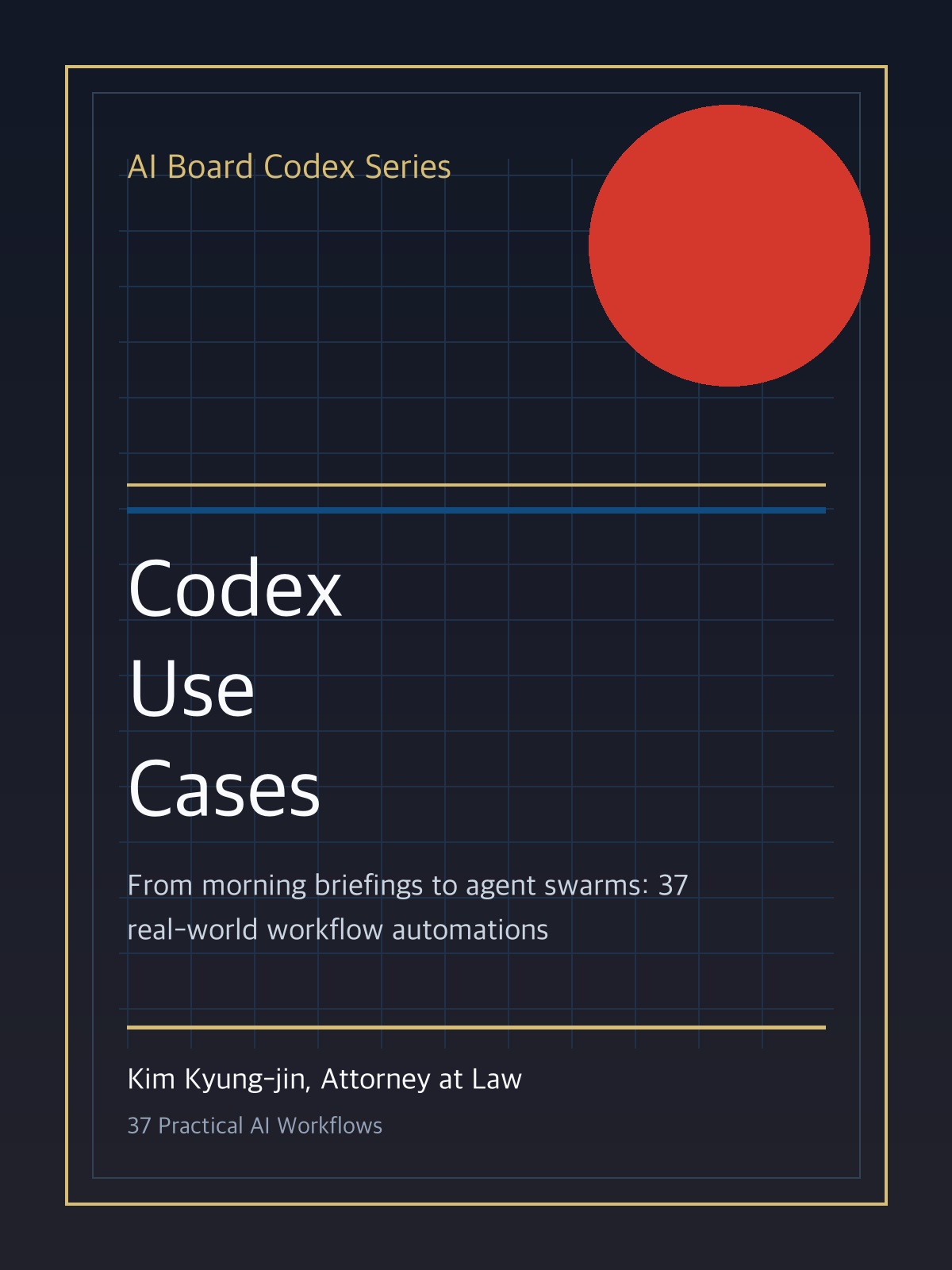
37 Concrete Codex Use Cases cover

Book-style reading

37 Concrete Codex Use Cases

Kim Kyung-jin

From morning briefings to agent swarms: 37 real-world workflow automations

This guide gathers 37 ways to connect Codex and AI agents to real work: personal routines, data processing, marketing, sales, documents, development, and browser control.

2026 Beijing: The Dangerous Dance of Two Giants book cover

16 posts available

2026 Beijing: The Dangerous Dance of Two Giants

Kim Kyung-jin

Table of Contents, Introduction, 13 Chapters, Epilogue

This book reads the Beijing summit through Hormuz, rare earths, Taiwan, Boeing, soybeans, AI chips, and Korea’s exposure to the U.S.-China bargain.

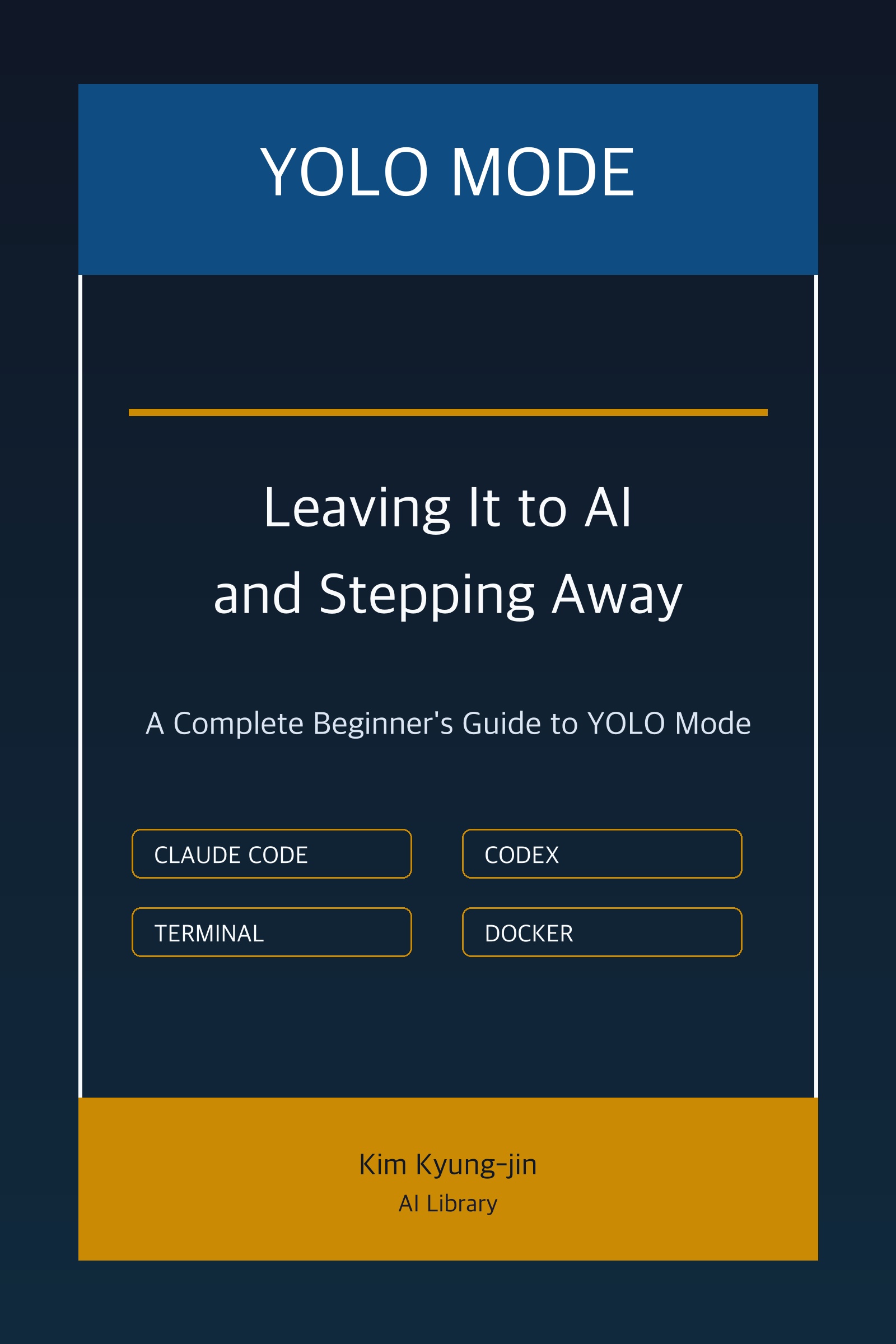
Leaving It to AI and Stepping Away cover

27 posts

Leaving It to AI and Stepping Away

Kim Kyung-jin

A Complete Beginner’s Guide to YOLO Mode. Table of contents and 26 chapters

A beginner-friendly online book on YOLO mode in Claude Code and Codex. It explains how to let AI read files, write code, run commands, and finish work while keeping rollback, Docker sandboxing, and safety checks close at hand.

Artificial Intelligence Fighter, Artificial Intelligence Air Force book cover

43 posts available

Artificial Intelligence Fighter, Artificial Intelligence Air Force

Kim Kyung-jin

Table of Contents, Preface, 40 Chapters, Epilogue

Artificial Intelligence Fighter, Artificial Intelligence Air Force is an online AI Library book by Kim Kyung-jin. It covers AI fighters, autonomous air power, unmanned combat aircraft, CCA, MUM-T, sixth-generation fighters and is organized as Table of Contents, Preface, 40 Chapters, Epilogue.

Artificial Intelligence on Trial book cover

26 posts available

Artificial Intelligence on Trial

Attorney Kyungjin Kim

Table of Contents, Preface, 21 Chapters, 3 Appendices

Artificial Intelligence on Trial is an online AI Library book by Attorney Kyungjin Kim. It covers artificial intelligence and law, AI liability, algorithmic judgment, courts and technology and is organized as Table of Contents, Preface, 21 Chapters, 3 Appendices.

PALANTIR book cover

16 posts available

PALANTIR: War, Surveillance, Artificial Intelligence

Attorney Kyungjin Kim

Table of Contents, Preface, 14 Chapters

PALANTIR: War, Surveillance, Artificial Intelligence is an online AI Library book by Attorney Kyungjin Kim. It covers Palantir, war, surveillance, artificial intelligence, data analytics, national security and is organized as Table of Contents, Preface, 14 Chapters.

Brain Readers: Neuralink and the Final Human Revolution book cover

21 posts available

Brain Readers: Neuralink and the Final Human Revolution

Kim Kyung-jin

Table of Contents, Prologue, 18 Chapters, Epilogue

Brain Readers: Neuralink and the Final Human Revolution is an online AI Library book by Kim Kyung-jin. It follows Neuralink, brain-computer interfaces, brain data, medicine, neurorights, and the future of human enhancement.

Artificial Intelligence and the Reshaping of Society book cover

16 posts available

Artificial Intelligence and the Reshaping of Society

Kim Kyung-jin

Table of Contents, Preface, 13 Chapters, Epilogue

Artificial Intelligence and the Reshaping of Society is an online AI Library book by Kim Kyung-jin. It follows how artificial intelligence changes work, education, inequality, cities, democracy, and human relationships.

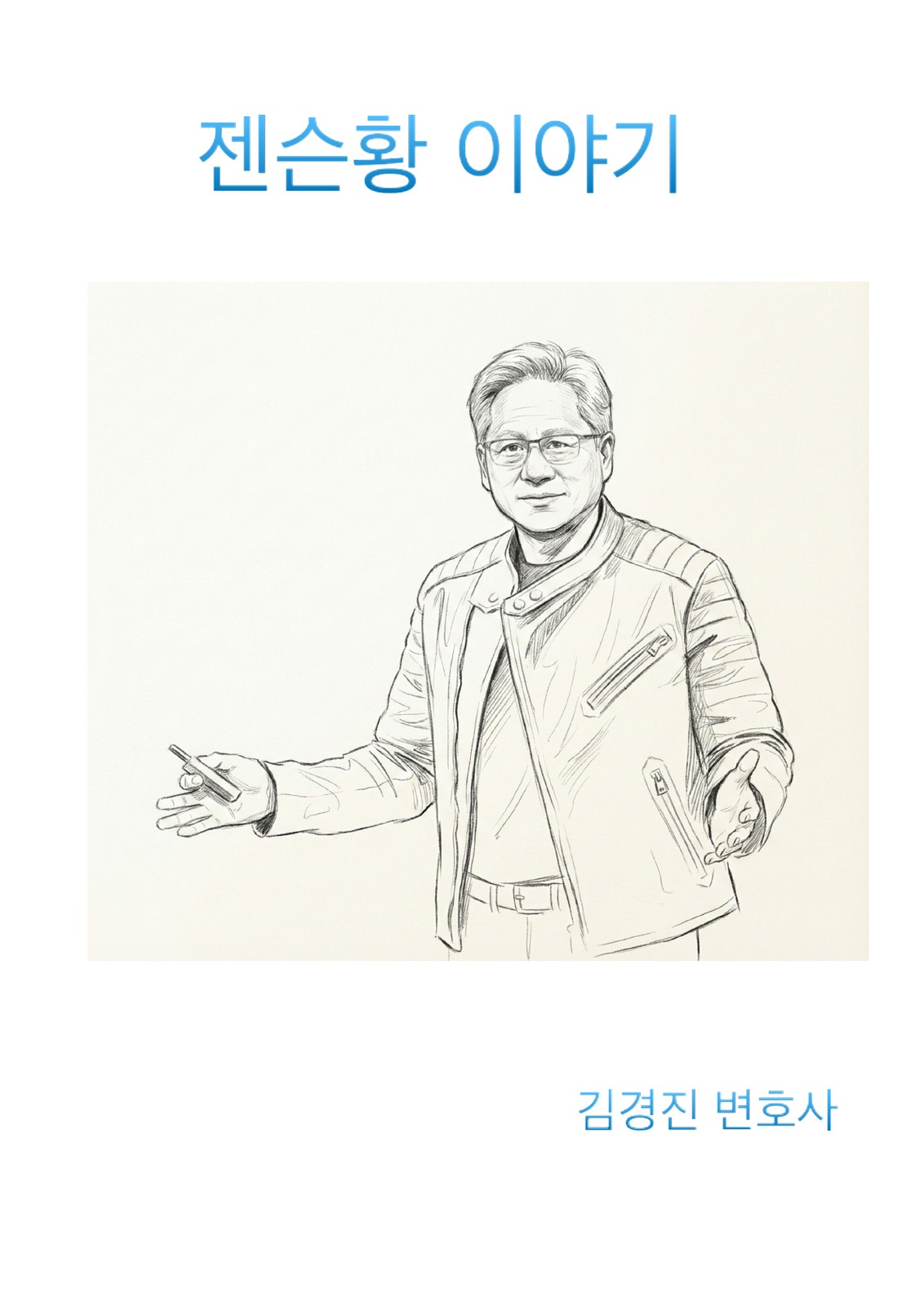
The Jensen Huang Story book cover

16 posts available

The Jensen Huang Story

Kim Kyung-jin

Table of Contents, Preface, 13 Chapters, Epilogue

The Jensen Huang Story is an online AI Library book by Kim Kyung-jin. It covers Jensen Huang, NVIDIA, GPUs, AI chips, and the AI industry.

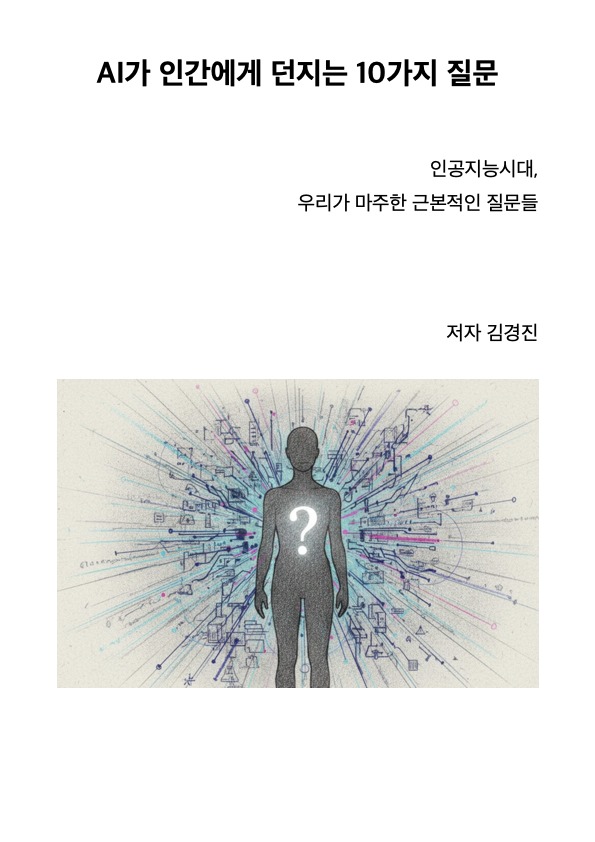
Ten Questions AI Poses to Humanity book cover

12 posts available

Ten Questions AI Poses to Humanity

Kim Kyung-jin

Table of Contents, Preface, 10 Chapters

Ten Questions AI Poses to Humanity is an online AI Library book by Kim Kyung-jin. It asks how artificial intelligence changes truth, weapons, work, data, identity, and human control.

Malaysia and the Malacca Strait book cover

23 posts available

Malaysia and the Malacca Strait: Whoever Controls It Controls the World

Kim Kyung-jin

Table of Contents, Preface, 20 Chapters, Epilogue

Malaysia and the Malacca Strait is an online AI Library book by Kim Kyung-jin. It covers Malaysia, the Malacca Strait, maritime logistics, geopolitics, global trade, and Southeast Asia’s strategic future.

Georgia history and culture travel book cover

24 posts available

A Journey Through Georgia’s History and Culture

Kim Kyung-jin

Table of Contents, Preface, 17 Chapters, 4 Appendices, Epilogue

A Journey Through Georgia’s History and Culture is an online AI Library book by Kim Kyung-jin. It covers Georgia’s history, culture, religion, politics, travel, and the Caucasus crossroads between Europe and Asia.

Reading Armenia book cover

13 posts available

Reading Armenia: A Thousand Prayers, One Mountain

Kim Kyung-jin

Table of Contents, Preface, 10 Chapters, Epilogue

Reading Armenia: A Thousand Prayers, One Mountain is an online AI Library book by Kim Kyung-jin. It covers Armenian history, faith, Mount Ararat, cultural memory, travel, and the endurance of a small nation.

Mastering Claude Code book cover

41 posts available

Mastering Claude Code

Kim Kyung-jin

Table of Contents, Preface, Chapters, Appendices

Mastering Claude Code is an online AI Library book by Kim Kyung-jin. It covers Claude Code setup, commands, workflows, automation, agents, and practical methods for using Claude Code in real work.

Claude Cowork and Agent manual book cover

11 posts available

Claude Cowork and Agent Utilization Manual

Kim Kyung-jin

Table of Contents, Preface, 8 Chapters, Closing Note

Claude Cowork and Agent Utilization Manual is an online AI Library book by Kim Kyung-jin. It covers Claude Code, AI agents, coding automation, work automation, and practical agent-based collaboration.

2026 U.S.-Iran War and the Global Energy Crisis book cover

39 posts available

The 2026 U.S.-Iran War and the Global Energy Crisis

Kim Kyung-jin

Table of Contents, Preface, Chapters and Appendices

The 2026 U.S.-Iran War and the Global Energy Crisis is an online AI Library book by Kim Kyung-jin. It covers war, oil, the Strait of Hormuz, maritime security, energy markets, and the global consequences of conflict.

The Traces Han Dong-hoon Left on South Korea book cover

13 posts available

The Traces Han Dong-hoon Left on South Korea

Kim Kyung-jin

Table of Contents, Prologue, Chapters, Epilogue

The Traces Han Dong-hoon Left on South Korea is an online AI Library book by Kim Kyung-jin. It examines his record in justice policy, immigration reform, public institutions, and the structural questions facing South Korea.

The Han Dong-hoon Story book cover

39 posts available

The Han Dong-hoon Story

Kim Kyung-jin

Table of Contents, Prologue, Chapters, Epilogue

The Han Dong-hoon Story is an online AI Library book by Kim Kyung-jin. It traces Han Dong-hoon’s life, public career, political choices, and the changing landscape of South Korean conservative politics.

Beyond the Glass Ceiling cover

39 entries

Beyond the Glass Ceiling

Kim Kyung-jin

Table of contents, prologue, 31 chapters, epilogue, 5 appendices

A political biography tracing Sanae Takaichi’s rise from Nara to Japan’s premiership, through party struggles, security policy, diplomacy, and the meaning of Japan’s first female prime minister.

AI Hegemony War book cover

8 posts available

AI Hegemony War

Kim Kyung-jin

Table of Contents, 7 Chapters

An online AI Library book by Kim Kyung-jin on AI superintelligence, the U.S.-China technology race, Europe and Korea’s AI laws, and international AI governance.

Sam Altman Biography: Pioneer of the AI Revolution cover

22 posts

Sam Altman Biography: Pioneer of the AI Revolution

Kim Kyung-jin, Kim Kyung-ran

Table of contents, preface, 7 parts, 20 chapters

An online biography following Sam Altman’s childhood, startups, Y Combinator, OpenAI, ChatGPT, the 2023 board crisis, and his sense of responsibility in the AI era.

From Chaiwala to Prime Minister cover

13 entries

From Chaiwala to Prime Minister

Kim Kyung-jin

Table of contents, preface, 10 chapters, epilogue

A political biography tracing Narendra Modi from a chai-selling boy in Vadnagar to RSS organizer, Gujarat chief minister, and three-term prime minister, while reading modern India, Korea-India relations, and the risks of a rising power.

AI Classroom: Your Grades Will Change book cover

26 posts available

AI Classroom: Your Grades Will Change

Kim Kyung-jin

Table of Contents, Preface, 24 Sections

An online AI Library book by Kim Kyung-jin on how AI can support elementary, middle, and high school learning, teaching, assessment, and educational equity.

Military Artificial Intelligence cover

17 entries

Military Artificial Intelligence

Kim Kyung-jin and Kim Won-tae

Table of contents, preface, 14 chapters, epilogue

A full-length study of military artificial intelligence, from autonomous weapons, drones, command systems, logistics, and cyber defense to the strategies of the United States, China, Israel, Korea, and global defense AI companies.

Global Case Studies in Introducing AI into Public Administration book cover

25 posts available

Global Case Studies in Introducing AI into Public Administration

Kim Kyung-jin

Table of Contents, 23 Chapters, Epilogue

An online AI Library book by Kim Kyung-jin on public-sector AI adoption, national strategies, administrative services, governance, and future policy tasks.

Seven Misunderstandings About the Arctic Route book cover

10 posts available

Seven Misunderstandings About the Arctic Route

Kim Kyung-jin

Table of Contents, Preface, 7 Chapters, Epilogue

An online AI Library book by Kim Kyung-jin on seven common misunderstandings about the Arctic Route, including speed, liner service, insurance, safety rules, year-round access, carbon impact, and infrastructure.

Artificial Intelligence Election cover

14 posts

Artificial Intelligence Election

Kim Kyung-jin

Table of contents, author preface, 11 chapters, closing essay

An online book on campaign messaging, publicity materials, digital campaigning, data analysis, campaign operations, disinformation defense, legal risk, and ready-to-use prompts.

Demis Hassabis book cover

34 posts available

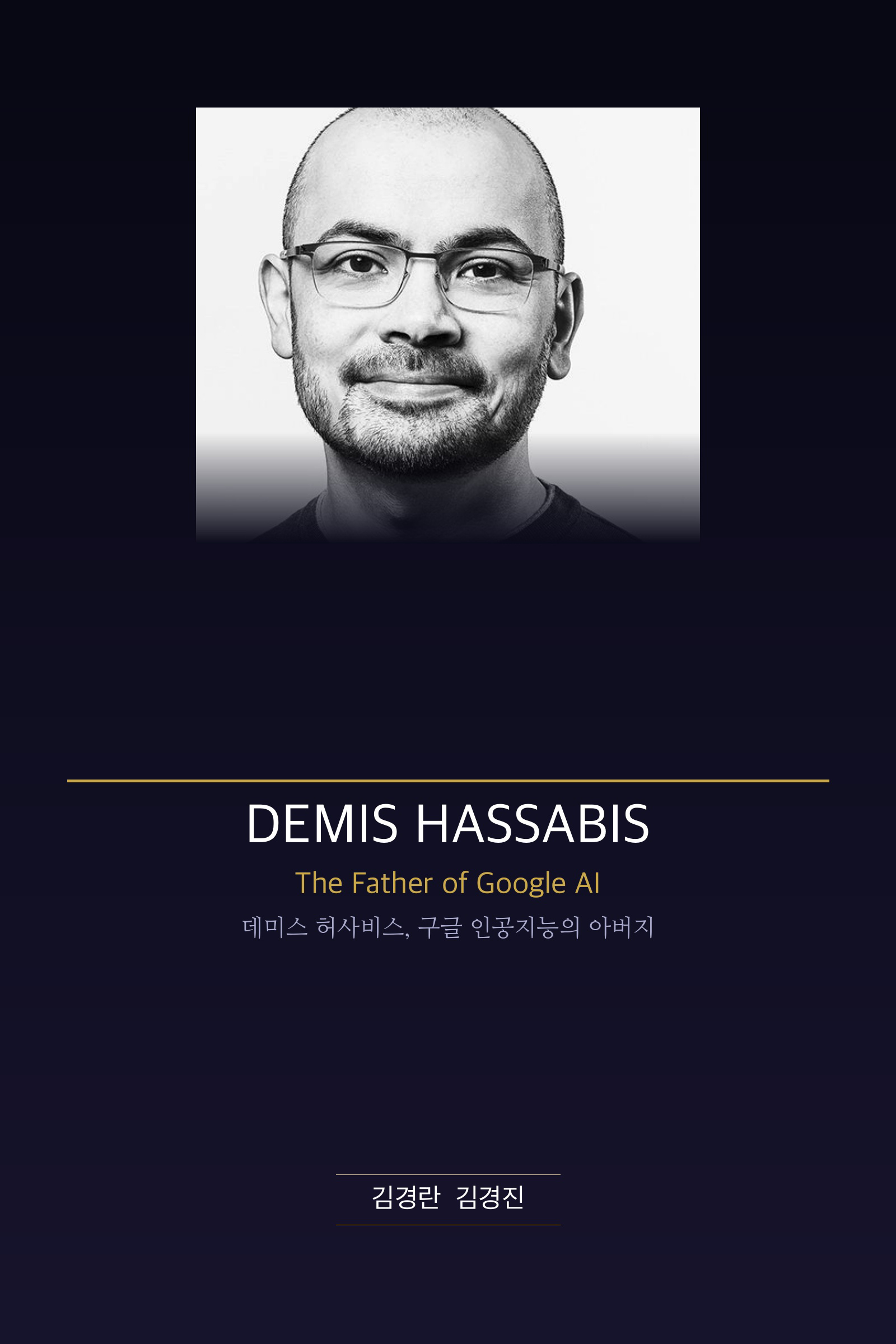
Demis Hassabis, Father of Google’s Artificial Intelligence

Kim Kyung-ran, Kim Kyung-jin

Table of Contents, Author’s Preface, 31 Chapters, Epilogue

Demis Hassabis, Father of Google’s Artificial Intelligence is an online AI Library book by Kim Kyung-ran, Kim Kyung-jin. It covers Demis Hassabis, Google DeepMind, artificial intelligence, AlphaGo, AI research and is organized as Table of Contents, Author’s Preface, 31 Chapters, Epilogue.

The Dhammapada 423 Verses book cover

28 posts available

The Dhammapada: 423 Verses

Kim Kyung-jin

Table of Contents, Editor’s Note, 26 Chapters, 423 Verses

An online AI Library book by Kim Kyung-jin. This edition arranges all 423 verses of the Dhammapada into 26 chapters for slow, poetic reading.

Nano Banana Pro Practical Prompt Book cover

24 posts

Nano Banana Pro Practical Prompt Book

Kim Kyung-jin

6 parts, 22 chapters, classroom prompt appendix

An online book for using Nano Banana Pro in classes and real work, covering image generation, editing, text rendering, character consistency, business use cases, and monetization.

Liberal Arts AI for College Students book cover

16 posts available

Liberal Arts AI for College Students

Kim Kyung-jin

Table of Contents, Preface, 13 Chapters, Closing Essay

An online AI Library textbook for college students. It introduces AI history, daily use, document work, research, images, presentations, video, productivity, learning, careers, copyright, and governance.

Legal Practice and Artificial Intelligence book cover

16 posts available

Legal Practice and Artificial Intelligence

Kim Kyung-jin

Table of Contents, Preface, 14 Parts

An online AI Library book by Kim Kyung-jin on legal research, drafting, evidence analysis, contract review, NotebookLM, and practical generative AI workflows for legal practice.

Hello, I Am Kim Kyung-jin book cover

10 posts available

Hello, I Am Kim Kyung-jin

Kim Kyung-jin

Table of Contents, Preface, Recommendations, 6 Chapters, Closing

An online AI Library book on Kim Kyung-jin’s life, science and technology policy, parliamentary diplomacy, legislative battles, Dongdaemun vision, and proposals for Korea’s demographic future.

Politics and People book cover

25 posts available

Politics and People

Kim Kyung-jin

Table of Contents, Prologue, 22 Chapters, Epilogue

An online AI Library book by Kim Kyung-jin on how politics begins with reading people, winning trust, keeping relationships, and enduring seasons of crisis.

[AI Library] 16 The AlphaFold Revolution

Demis Hassabis
Author
Kim Kyung-jin
Date
2026-05-05 13:00
Views
77

Demis Hassabis, Father of Google's Artificial Intelligence

Part 6. Digital Biology

16 The AlphaFold Revolution

Kim Kyung-ran, Kim Kyung-jin

It was a late autumn day in 2020, when the world was still locked down by a pandemic. The scientific community had its eyes fixed on a Zoom screen. It was the announcement of results for the 14th CASP (Critical Assessment of Structure Prediction), an academic competition for protein structure prediction.

This competition, which began in 1994, is something like the Olympics of biology. It is a battleground where teams compete to see how accurately computers can predict the three-dimensional structures of proteins whose forms have not yet been determined by experiment. The organizer, Professor John Moult, put up a single graph on the screen. The graph showed a gentle upward slope representing decades of incremental progress by scientists, and at the very end, a single dot that shot vertically upward.

That dot was 'AlphaFold 2.' Professor Moult declared in a trembling voice: "This means that a 50-year-old problem has been solved."

This moment was not simply a case of a computer program beating humans. When AlphaGo defeated Lee Sedol 9-dan, the world felt surprise and fear at the same time, but when AlphaFold solved biology's grand challenge, scientists felt awe and relief. For Demis Hassabis, this moment was more important than the AlphaGo match. It was the instant his lifelong mission was proven.

The intelligence that had conquered games was finally beginning to unlock the secrets of life, the most complex problem in the real world. The prologue goes back two years, to the CASP13 competition in 2018. At that time, DeepMind appeared on this stage for the first time, carrying 'AlphaFold 1.' Back then, the biology community looked at these outsiders from Google's AI lab with skeptical eyes.

They assumed that computer scientists lacking biological knowledge could never grasp the complexity of proteins. But AlphaFold 1 took first place, scoring highest on 25 out of 43 problems. Compared to the second-place team, which scored highest on only 3 problems, the gap was overwhelming.

AlphaFold 1 used an approach that treated protein distances like pixels in an image. Just as computer vision recognizes a photo of a cat, it learned the distance map between amino acid sequences as if it were an image, then inferred the structure from that. But Hassabis was not satisfied.

They had won, but AlphaFold 1's accuracy still fell short of the level needed for use in a laboratory. Converted to a GDT (Global Distance Test) score, it was around the 60s. It could get the rough shape right, but the positions of individual atoms were often wrong. Hassabis gathered the team and said:

"We did not start this project to come in first place. We started it to solve the problem." He made the bold decision to scrap AlphaFold 1's code entirely and start over from scratch. At this point, the person who would change the project's fate entered the picture.

That person was John Jumper. Having studied chemistry and computer science at the University of Chicago, he was a researcher with deep expertise in protein simulation. After joining DeepMind, Jumper led the AlphaFold team, serving as the commander who translated Hassabis's vision into technical reality.

If Hassabis defined 'what' to solve, Jumper designed 'how' to solve it. The two built trust as scientific partners, going beyond a simple boss-subordinate relationship. Jumper pointed out the limitations of the CNN (convolutional neural network) image-recognition approach that AlphaFold 1 had used.

His insight was that proteins are not static images but three-dimensional graph structures whose parts constantly interact and move. In 2019, the lights in the DeepMind lab never went off. The team introduced a new AI technique called the 'attention' mechanism.

This was a technology primarily used in language translation. Jumper and his team treated amino acid sequences like sentences. Just as words in a sentence relate to each other depending on context, they made the AI learn on its own how distant amino acids pull and push against one another.

It was a moment where biological intuition and AI engineering came together perfectly. They named it the 'Evoformer.' Hassabis, watching this process unfold, described it this way: "We are not reading a biology textbook to the AI. We are letting the AI discover the principles of biology on its own."

The development process was far from smooth. Even with only a few months left before the CASP14 competition, the new model remained unstable. Team members were exhausted, and fear of failure crept in.

This is when Hassabis showed his distinctive leadership. He would visit the lab late at night, play chess with the researchers or share tea with them, tending to their mental state. He told them, "We are standing on the threshold of a discovery that humanity has waited decades for," lifting the team's morale.

Finally, just weeks before the competition, AlphaFold 2 began showing exponential performance gains. And the results of CASP14 in 2020 were staggering. AlphaFold 2 scored an average of 92.4 out of 100.

A score above 90 is generally considered identical to the actual structure within experimental error margins. In other words, when you overlay the structure predicted by AI with a structure analyzed over several years using equipment costing billions of won, such as X-ray crystallography or cryo-electron microscopy, the two are indistinguishable. Even in the 'free modeling' category, known to be the most difficult, AlphaFold 2 demonstrated overwhelming accuracy.

When the results were announced, the chat window and Twitter were flooded with astonishment from scientists around the world. Venki Ramakrishnan, a Nobel laureate and master of structural biology, confessed: "This is a problem I did not expect to be solved in my lifetime." Professor Andrei Lupas of Germany's Max Planck Institute said, "Structural biology will now be divided into before AlphaFold and after AlphaFold," calling it "a change like an earthquake."

This victory was not a mere technical achievement. It was the first powerful piece of evidence proving his lifelong philosophy: "Solve intelligence, and use it to solve everything else." It showed that AI trained in the virtual world of games could understand the physical laws and biological complexity of the real world and extend the limits of human intellect.

He watched the announcement via Zoom from his home in London, quietly smiling. The intellectual curiosity he felt looking at a chessboard at age four, the possibilities of simulation he dreamed of while developing games as a teenager, and all his efforts as an adult

to fuse neuroscience and AI converged into this single peak. The success of AlphaFold 2 became the decisive factor that led him and John Jumper to jointly receive the Nobel Prize in Chemistry in 2024. Hassabis believed that the future changes this tool would bring were a greater reward than the prize itself.

Humanity had now obtained the instruction manual for assembling the Lego blocks of life. The release of a database containing over 200 million protein structures. After AlphaFold 2's dominant victory at CASP14, Demis Hassabis's ambition did not stop at a competition trophy. He was preparing to act on the principle he had upheld since DeepMind's acquisition by Google: "The most powerful technology must be the most widely used."

There was a path where they could monopolize the technology and sell licenses to pharmaceutical companies or generate enormous revenue. Many investors and entrepreneurs expected exactly that model. But Hassabis and the DeepMind team chose differently. They decided to expand the horizon of humanity's biological knowledge in one leap.

In July 2021, DeepMind partnered with the European Molecular Biology Laboratory (EMBL) to release the 'AlphaFold Protein Structure Database' to the world, free of charge. It started with roughly 20,000 protein structures encoded in the human genome. Even that alone was an enormous volume, enough to require rewriting biology textbooks.

In the past, a single PhD student would spend four to five years determining the structure of one or two proteins to earn a doctoral degree. By comparison, AI had drawn the map of all human proteins in a matter of days. The real shock came a year later, in 2022. DeepMind updated the database and released the structures of nearly every known protein on Earth.

The number exceeded 200 million. It included the proteins of nearly every organism science has named: plants, bacteria, animals, fungi. Hassabis called it

"the Google Earth of biology." Just as Google Earth lets us peer into alleyways on the opposite side of the globe, scientists could now sit at their monitors, click a few times, and rotate in three dimensions the molecular machines at the deepest level of living things. The release of this database fundamentally changed the speed of scientific research.

It was as if scientists who had been exploring a cave relying on a single flashlight in the dark suddenly had the switch flipped to illuminate the entire cavern. More than two million researchers from 190 countries accessed the database. That number represents the majority of the world's biologists.

Researchers who had been wrestling with pipettes at the laboratory bench could now form hypotheses based on AlphaFold's predictions, design experiments, and dramatically reduce their probability of failure. Practical applications appeared immediately and explosively. One of the most dramatic cases was malaria vaccine research.

A research team at Oxford University had spent years trying to determine the protein structure of the malaria parasite but had been unable to make progress due to technical limitations. As soon as AlphaFold was released, they searched for the structure of the protein they had been studying and obtained in just minutes the answer they had been seeking for years. This allowed them to immediately move on to designing a new vaccine candidate.

This is a symbolic scene showing how AI gave scientists the gift of 'time,' the most precious resource. Plastic waste is one of humanity's headaches, and scientists at the University of Portsmouth were studying an enzyme (PETase) that breaks down plastic. Using AlphaFold, they traced this enzyme's evolutionary history and succeeded in redesigning its structure to break down plastic faster and more efficiently.

This opened the possibility of decomposing plastic that would otherwise take 500 years to degrade in just a matter of days, making it a concrete example of Hassabis's vision to "solve climate and environmental crises through AI." AlphaFold also became an essential tool in research on antibiotic resistance and rare genetic diseases. A team at the University of Colorado analyzed the structures of antibiotic-resistant bacteria to explore new treatments, and researchers in Norway used the data to understand the immune system of honeybees.

Even in agriculture, whether for conserving endangered species or developing crops resistant to climate change, AlphaFold's data became seeds that sprouted new discoveries. Hassabis defined the impact of releasing this massive dataset as the beginning of 'Digital Biology.' He believed that biology had now entered the domain of information science.

Life is ultimately a complex process of information handling, and AI is the most capable tool for interpreting that information. In one interview, he said: "When we released 200 million structures, it was a gift to humanity.

What matters more is that this is only the beginning. We now need to move beyond knowing the shapes of proteins to predicting how they interact with each other, how they become new drugs, and how they cure diseases." These achievements became the strongest basis for the 2024 Nobel Prize in Chemistry.

The Nobel Committee recognized AlphaFold not simply because it was technically excellent software, but because it accelerated scientific progress by providing researchers around the world with a powerful research tool. By sharing this tool rather than privatizing it, Hassabis and John Jumper realized science's inherent value of 'sharing and spreading knowledge' not in Silicon Valley's way, but in the most classical and academic way. "The Google Earth of biology" was the most grand answer to the question Hassabis had asked at age 12: "Can't this intelligence be used for something better?"

Beyond the 64 squares of a chessboard, it laid open to humanity's eyes the microscopic world of life, as vast as the universe itself. This was not the victory of a single genius, but a true triumph of collective intelligence, in which the tool that genius built enabled millions of scientists to win their own victories, each in their own place.

Comparison of AlphaFold predicted structure (blue) and experimental structure (green)

Kim Kyung-jin

Attorney · Former Member of the National Assembly · AI Policy Researcher

kimkj.com

© 2026 Kim Kyung-jin. All rights reserved.

#KimKyungJin #DemisHassabis #DeepMind #GoogleDeepMind #AlphaGo #AlphaFold #ArtificialIntelligence #AIForScience #AILibrary
kimkj.com Home
Scroll to Top
kimkj.com Home