
Table of Contents
Artificial Intelligence and Medicine
Kim Kyung-jin, Attorney at Law
AI in clinical care, hospitals, education, and research
AI in medical imaging, risk prediction, treatment planning, hospital operations, education, and research, with patient safety, privacy, and accountability.
















[AI Library] Appendix 3: Emergency Contact Information
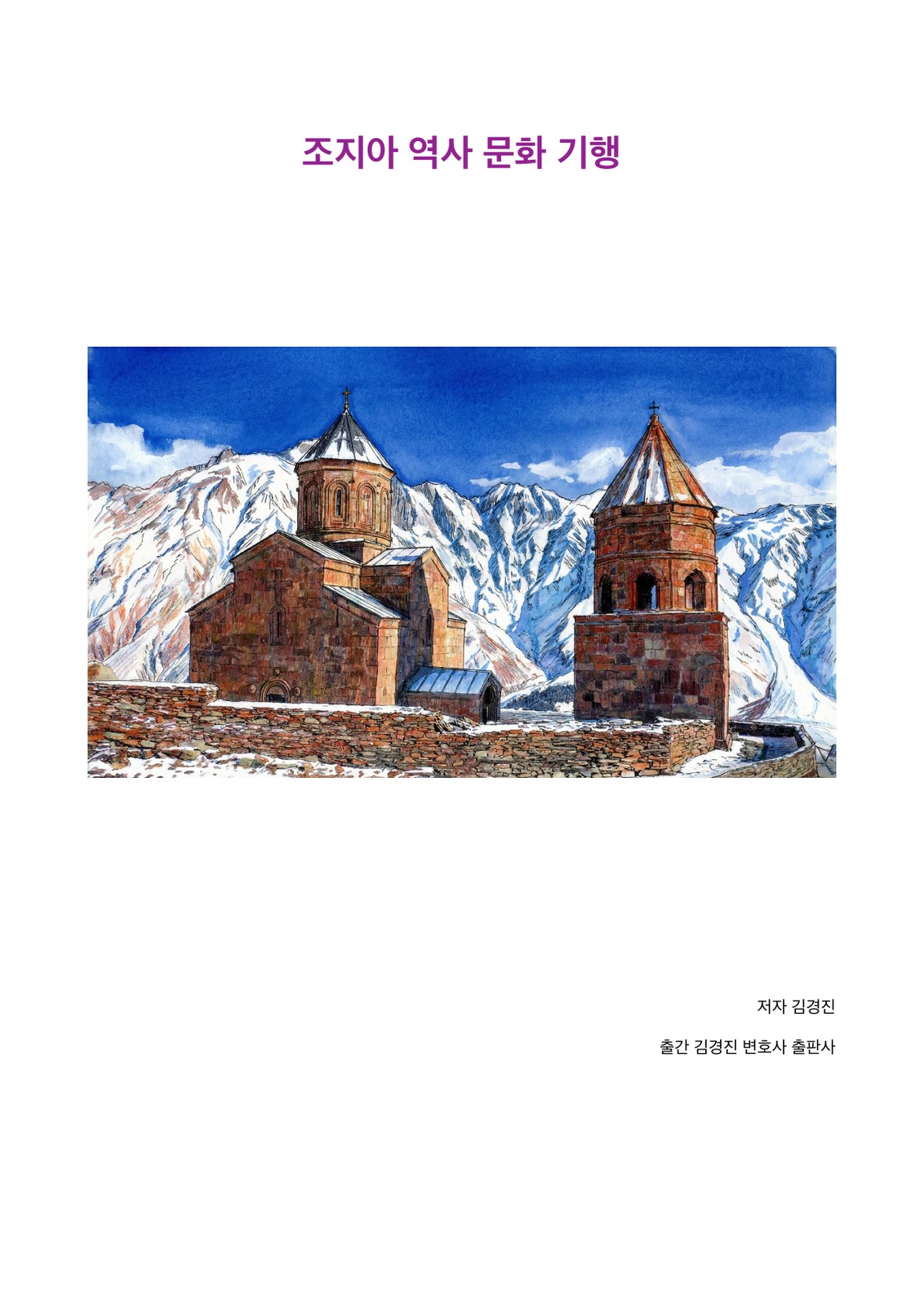
A Journey Through Georgia's History and Culture
Appendix 3: Emergency Contact Information
Kim Kyung-jin
A. Emergency Response: Remember 112
In an emergency in Georgia, dial 112,a unified emergency number that connects you with police, fire, and ambulance services. The line is available 24 hours and offers English support. When connected, communicate three essential details: what happened (What), your location (Where), and your name (Name).
Providing your location is the most difficult part. If you don't know the Georgian address, capture your location pin from a map app. Using your smartphone's translation feature, enter "Tell me my location as a Georgian address," and the app will provide the local coordinates. This way, you can relay precise information without panic during an emergency. You can also send text messages to 112 or use video calls.
Save the contact information for the Embassy of the Republic of Korea to Georgia.
Address: 64b Chavchavadze Avenue, 15th Floor, Tbilisi
Main phone: +995-32-297-0318 / +995-32-297-0320
Emergency contact (24 hours): +995-599-096-791
Email: georgia@mofa.go.kr
Consular assistance is available for passport loss, accidents or crimes, and emergency repatriation. Even when the embassy is closed at night or on weekends, calling the emergency number will connect you with an on-duty officer.
Keep in mind the Consular Call Center of the Ministry of Foreign Affairs of the Republic of Korea as well. The toll-free number from overseas is +800-2100-0404, available 24 hours throughout the year. You can receive answers to various consular questions and guidance on emergency situations.
B. Entry and Visa: A Korean Privilege
Korean passport holders can enter Georgia without a visa and stay for up to one year (365 days). This is an exceptionally rare benefit worldwide. Most countries allow visa-free entry for only 90 days, and few extend it to 180 days, so Georgia's welcome to foreign visitors is genuinely generous.
Immigration procedures are straightforward. Your passport must have at least six months of validity remaining, and requests for return tickets or accommodation confirmation are uncommon. However, new regulations begin on January 1, 2026: all foreign tourists must carry mandatory health and accident insurance. You may need to present an English-language insurance certificate at immigration, so purchase travel insurance before departure and print the documentation.
At Tbilisi International Airport (TBS), you will clear immigration and collect your luggage. The airport is not large, so navigation is simple. Upon exiting arrivals, you will see currency exchange offices, SIM card vendors, and taxi app information desks immediately.
C. Currency and Payment: The World of Lari
Georgia's official currency is the Lari (GEL). One lari is worth roughly 500 won, but exchange rates fluctuate regularly, so check the current rate before you travel. The lari divides into 100 tetri. Coins come in denominations of 1, 2, 5, 10, 20, and 50 tetri, as well as 1 and 2 lari. Banknotes include 5, 10, 20, 50, 100, and 200 lari.
The best approach is to bring US dollars or euros from Korea and exchange them locally for lari. Exchange offices are scattered throughout Tbilisi, and competition keeps rates favorable. Airport exchange counters offer poor rates, so change only what you immediately need upon arrival and exchange additional funds downtown.
Credit cards (Visa, Mastercard) are widely accepted at restaurants, supermarkets, and hotels in large cities like Tbilisi and Batumi. However, rural guesthouses, traditional markets, and small eateries typically accept cash only. Minibus fares are also paid in cash. Carry plenty of small bills (5-20 lari). Many shops struggle to give change for a 100 lari note.
D. Transportation: The Art of Getting Around
In Tbilisi, the metro, buses, and minibuses (marshrutka) are the primary transit options. Two metro lines operate, each costing 1 lari (about 500 won). Buy a metro card and load credit to use both metro and bus. Cards are available at station counters and vending machines.
Always use a taxi app. Bolt and Yandex Go are the most popular. App-based fares are calculated in advance, protecting you from overcharging. A ride across the city center typically costs 5-15 lari (2,500-7,500 won). Street hails require fare negotiation, and tourists are often overcharged, so it is better to avoid them.
Several options exist for inter-city travel. The Tbilisi-Batumi route operates modern high-speed trains taking about 5 hours. Seating is spacious and comfortable, with a dining car on board. Online booking allows seat selection. Reserve through the Georgian Railways official website (railway.ge).
Marshrutka,a minibus,is how locals travel between towns. Fares are cheap and routes are numerous, but departures are irregular and vehicles leave only when full. Destinations appear in Georgian only, making navigation difficult for foreigners. Photograph signs with your smartphone's translation app to confirm your destination. Many vehicles lack air conditioning in summer, so prepare accordingly.
Car rental offers freedom but demands caution. Georgian driving culture is aggressive, and livestock can appear suddenly on roads. Mountain routes have unpaved stretches requiring four-wheel drive vehicles. Winter snow can close roads, so build schedule flexibility into your plans.
E. Communication and Internet: Your Connection Lifeline
Internet access is essential in Georgia for maps, translation, and taxi apps. Telecom vendors including Magti, Silknet, and Geocell operate shops in the airport arrival hall. Show your passport and purchase a prepaid tourist SIM immediately. Packages for 5-10 lari (2,500-5,000 won) include adequate data.
In mountain regions, Magti typically has the strongest signal. If you plan to visit remote areas like Kazbegi or Svaneti, remember this. For eSIM-compatible phones, buying Georgian eSIM before departure and activating it in advance is also an option.
Most hotels, guesthouses, and cafes offer free Wi-Fi. Speeds are sufficient for everyday use.
F. Health and Safety: Useful Things to Know
Tap water in major cities like Tbilisi is generally safe. However, older buildings may have aged plumbing, and travelers' stomachs can be sensitive, so buying bottled water is the safer choice. Georgia is renowned for mineral water. Borjomi sparkling water has a salty taste, while Nabeghlavi is milder. Both are readily available at supermarkets,find what suits you.
Pharmacy chains like Aversi and PSP dot the city, with some open around the clock. Basic cold medicine, pain relief, and digestive aids are sold without prescription. Pharmacists often speak limited English, so writing down medication ingredient names (acetaminophen, ibuprofen, etc.) simplifies communication.
Stray dogs roam the streets everywhere. Most wear yellow ear tags indicating they have been vaccinated and neutered. They are generally gentle, though packs can seem threatening. Avoid provoking them and pass quietly.
G. Cultural Etiquette: The Language of Respect
When visiting Georgian Orthodox churches and monasteries, dress appropriately. Men should wear long pants; women need a headscarf and a skirt or pants extending below the knee. Tank tops and short shorts may be refused entry. Some locations provide communal scarves and wrap-around skirts at the entrance, but bringing your own is preferable.
If invited to a supra, you have been asked to join a Georgian banquet,congratulations. A supra is led by a tamada, or master of ceremonies. When the tamada raises a toast, all guests raise their glasses in response. It is customary to empty your glass after each toast. If you cannot drink wine, request permission respectfully in advance. Georgians view continuous offers of food and drink as hospitality, and most will accept your explanation.
Tipping at restaurants is not required but giving 10 percent for good service is standard. Some upscale restaurants include a service charge in the bill, so ask to confirm.
H. Safety Rules: Places You Must Avoid
Two regions demand absolute avoidance: Abkhazia and South Ossetia. Both are under Russian military occupation and beyond Georgian government control. Entering these territories without permission violates Georgian law and offers no safety guarantees.
A "creeping border" phenomenon exists near the occupation line. Russian-established boundaries gradually shift into Georgian territory. When traveling toward Gori from Tbilisi, do not approach the South Ossetia occupation line. Follow local residents' and guides' advice for your safety.
Outside these areas, Georgia is exceptionally safe for travelers. Follow basic travel sense: avoid empty areas alone after dark, keep valuables distributed, and don't haggle after drinking. Travelers move freely through Tbilisi's attractions and busy districts even late at night.
Finally, save emergency contacts and the embassy address in your phone and keep a paper copy with your passport. Should the internet fail and your battery die, paper becomes your most dependable backup. A prepared traveler survives anywhere. Gamarjoba, and wishing you a safe journey through Georgia.
Kim Kyung-jin
Attorney · Former Member of the National Assembly · AI Policy Researcher
© 2026 Kim Kyung-jin. All rights reserved.