


















































[AI Library] Chapter 10: Armenia Guide for Travelers
Reading Armenia: A Thousand Prayers, One Mountain
Chapter 10: Armenia Guide for Travelers
Kim Kyung-jin
Armenia is the world's oldest Christian nation and a country that preserves a distinctive cultural heritage. Located within the rugged terrain of the Caucasus Mountains, this small nation greets its visitors with more than 3,000 years of history, deep spirituality, and warm hospitality. This guide contains essential information that first-time visitors to Armenia should know.
1. Historical and Religious Knowledge Worth Knowing Before Your Visit
To understand Armenia properly, you must know the nation's history and religion. Armenia existed as an independent kingdom from the 6th century BCE, and in 301 CE it became the world's first nation to adopt Christianity as its state religion. This happened about twelve years before the Roman Empire officially recognized Christianity, demonstrating how central Christian faith is to Armenian identity.
The Armenian Apostolic Church is distinct from both Eastern Orthodoxy and Catholicism. At the Council of Chalcedon in 451 CE, it separated from other churches over theological disputes regarding Christ's nature. The Armenian Church maintained the Monophysite position, believing that the divine and human natures of Jesus Christ are united as one. This theological independence is deeply interwoven with Armenian national identity.
Armenian history is also a history of survival and resistance. Positioned geographically between empires,Persia, Rome, Byzantium, the Ottoman Empire, and Russia,Armenia endured constant invasion and domination. Between 1915 and 1923, the Ottoman Empire committed genocide against Armenians, claiming the lives of nearly 1.5 million people. This catastrophe remains a deep wound in the collective memory of modern Armenians.
After gaining independence from the Soviet Union in 1991, Armenia adopted a democratic system and market economy. However, it has faced difficulties due to ongoing conflict with its neighbor Azerbaijan over Nagorno-Karabakh. Wars in 2020 and 2023 resulted in territorial losses, yet Armenians continue to maintain strong national identity and cultural pride.
When visiting Armenia, it helps to know several cultural traits. Armenians are family-oriented and have a tradition of treating guests with exceptional generosity. When visiting churches or monasteries, modest dress is appropriate. Women may find it helpful to carry a scarf to cover their hair. Photography is generally permitted, though it should be avoided during services as a sign of respect.
The Armenian alphabet was created in 405 CE by Mesrop Mashtots and consists of 36 letters (later expanded to 38). This writing system is a core element of Armenian culture and identity. Yerevan has a memorial park dedicated to the Armenian alphabet.
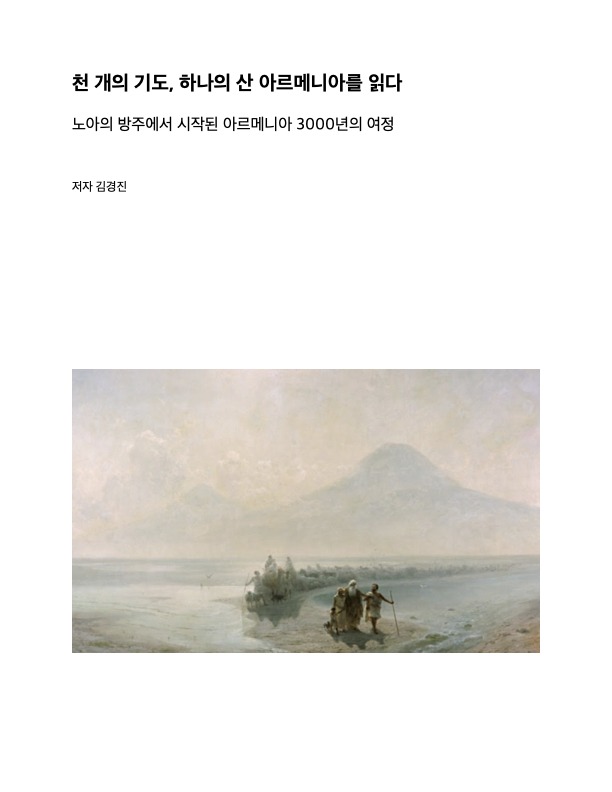
Mount Ararat, Armenia's national symbol, actually lies in Turkish territory, yet Armenians regard it as sacred. This mountain, mentioned in the Bible as the resting place of Noah's Ark, appears on Armenia's coat of arms and can be seen from many locations throughout Yerevan.
Food culture is also important to understanding Armenia. Lavash (thin bread), dolma (grape leaves stuffed with meat and grain), kebab, harissa (a thick dish made from wheat and meat), and cognac are famous. Armenian cognac is renowned for its quality,Churchill was reportedly a devoted admirer. When toasting at meals, you say 'Genats,' meaning 'to your health.'
2. Major Attractions and Monasteries: Must-Visit Sacred Sites
Pilgrimage to Armenia's sacred sites is the best way to encounter the soul of this nation. Each sacred site possesses unique history and architectural beauty, harmonizing with the dramatic natural landscape of mountains and gorges.
The Etchmiadzin Cathedral is the mother church of the Armenian Apostolic Church, located about twenty kilometers west of Yerevan.
Built shortly after Christianity became the state religion in 301 CE, the Etchmiadzin Cathedral is one of the world's oldest churches. This is the residence of the Armenian Church's Catholicos, or Patriarch, and is designated a UNESCO World Heritage Site. The cathedral is said to house a piece of the Holy Spear that pierced Jesus.
The name 'Etchmiadzin' means 'the place where the Only-Begotten descended,' derived from a legend that Saint Gregory witnessed Jesus Christ descending from heaven in a vision and designating the cathedral's location. The nearby Church of Saint Hripsime and Church of Saint Gayane, built in the 7th century, can be visited together. Plan for two to three hours, allowing time to see precious religious artifacts in the museum.
Geghard Monastery is located about forty kilometers east of Yerevan in the Azat River gorge, carved into sheer cliffs.
Founded in the 4th century, this monastery takes its name from the 'spear',the Holy Spear that pierced Christ, now housed in Etchmiadzin. What distinguishes Geghard is that much of the monastery was carved directly from a massive rock face. The interior of the rock-hewn church possesses remarkable acoustic properties; with good fortune, you may hear Armenian chant performed inside. The main cathedral and rock-hewn churches, constructed in the 13th century, stand as masterpieces of Armenian medieval architecture and are designated a UNESCO World Heritage Site. On the way to the monastery, you can visit Gavani Fortress and the Azat Reservoir. Near the Geghard entrance, you can watch traditional lavash bread being baked fresh from the oven,tasting it warm is a wonderful experience.
Tatev Monastery stands majestically at an elevation of 1,500 meters on a cliff above the Vorotan Gorge in Syunik Province in southern Armenia. Founded in the 9th century, Tatev was an important medieval Armenian university and cultural center. At its height, over one thousand monks lived there.
The best way to reach Tatev is by the 'Wings of Tatev,' the world's longest reversible cable car, spanning 5.7 kilometers. During the twelve-minute cable car journey, you can enjoy breathtaking views of the Vorotan Gorge.
The monastery complex contains the main Cathedral of Saints Peter and Paul, the Church of Saint Gregory, and the legendary unstable 'gavit' (a freestanding column believed to sway during earthquakes). Given its location approximately 250 kilometers from Yerevan, it is better visited as an overnight trip rather than a day trip. Many local tour operators offer day-trip packages. Nearby attractions include the 'Devil's Bridge,' a natural stone arch, and hot springs. Khor Virap Monastery is located on the Ararat Plain and is famous for its dramatic backdrop of the towering Mount Ararat.
This is the site where Saint Gregory, who made Armenia a Christian nation, was imprisoned in an underground cell for thirteen years. The monastery's name itself means 'deep pit.' Visitors can descend narrow stairs down to the darkness of the cell six meters below ground,those with claustrophobia should take care. The current stone structure, rebuilt in the 17th century, is relatively simple, but the landscape with Mount Ararat as backdrop is among Armenia's most iconic images. Visiting at sunset allows you to watch Mount Ararat turn golden,a spectacular sight. Khor Virap is located approximately forty-five kilometers south of Yerevan, very close to the Turkish border, where you can also see border fences.
Noravank Monastery is a 13th and 14th-century monastery nestled within a red stone gorge and stands among Armenia's most beautiful monasteries. Located about 120 kilometers southeast of Yerevan at the end of the Amaghu Gorge, the approach itself is beautiful.
The highlight of Noravank is the two-story Church of the Holy Mother, designed by the architect Momik in 1339. The delicate carvings on the church's facade and the narrow, steep exterior stairs leading to the upper level are impressive. The main cathedral, the Church of Saint John the Baptist, contains outstanding khachkar (carved stone cross) reliefs. The red cliffs surrounding Noravank, combined with the cream-colored stone of the monastery, create a spectacular landscape, especially at sunset. Near the entrance, there is a place where you can taste wine, experiencing Armenia's ancient wine culture.
Lake Sevan and Sevanavank are located approximately sixty kilometers northeast of Yerevan.
Lake Sevan is the largest alpine lake in the Caucasus region, situated at 1,900 meters elevation and covering roughly 1,240 square kilometers. Known for its clear, blue waters and the spectacular mountain landscape surrounding it, it is called 'the jewel of Armenia.' On the peninsula (formerly an island, now a peninsula due to water level decline) stands Sevanavank, founded in the 9th century, from which the view of the lake below is magnificent.
Two churches constructed of dark volcanic stone,the Church of the Holy Apostles and the Church of the Holy Mother,remain. During summer, you can swim at the beach, a popular retreat for locals. Restaurants around the lake serve trout, and the lake's trout (ishkhan, meaning 'prince') is an Armenian specialty. While the lake is beautiful in winter, the best time to visit is May through September. Saghmosavank Monastery is an ancient Armenian monastery established in the early 13th century, situated on the very edge of a cliff overlooking the picturesque Kasakh Gorge. This monastic complex comprises the Church of the Holy Redeemer, the Church of the Holy Mother, a narthex, a scriptorium, and a bell tower.
Saghmosavank is particularly famous for its carefully preserved collection of ancient manuscripts, which reflects Armenia's rich spiritual and cultural heritage. Beyond its religious role, the monastery served as an educational center where prominent medieval scholars and thinkers studied and contributed to the development of Armenian thought.
Known for its austere yet refined beauty, the architectural style of this monastery harmonizes perfectly with the breathtaking mountain landscape, further emphasizing Saghmosavank's dignity as a symbol of Armenia's lasting legacy. The sight of the monastery perched on the gorge's edge is both vertiginous and majestic. On clear days, you can even see the snow-capped peaks of Mount Ararat in the distance, providing an especially memorable experience.
From Yerevan to Saghmosavank is approximately fifty kilometers, requiring about fifty minutes to an hour by car. Travel north on the M3 highway toward the Aragats region. By public transport, board a marshrutka (shared van) bound for Ashtarak from Yerevan's Kilikia Bus Station, then take a taxi or walk about three kilometers from Ashtarak. It is recommended to visit nearby Hovhannavank Monastery as well; the distance between the two is approximately five kilometers. Admission is free, and visiting at dawn or sunset reveals the gorge and monastery in magical light.
Dilijan is known as 'the Switzerland of Armenia',a beautiful mountain resort town. Located approximately 100 kilometers northeast of Yerevan and about forty kilometers north of Lake Sevan, the area is part of Dilijan National Park and surrounded by dense forests. It is famous for its fresh air and mineral water.
(Dilijan old town architectural style)
The old town has been restored in 19th-century Armenian architectural style and lined with craft shops, galleries, and cafes. Three beautiful monasteries stand near Dilijan. Haghartsin Monastery, constructed between the 11th and 13th centuries, sits within dense forest and features three churches and a refectory arranged harmoniously.
Goshavank Monastery, a 12th and 13th-century monastery, is famous for its intricate khachkar (carved stone cross) reliefs and is named after the medieval Armenian scholar Mkhitar Gosh. Aghartsin Monastery is another gem hidden within the forest.
Dilijan is especially recommended for hiking enthusiasts, with several trails including the Parz Lich Waterfall route.
The village of Garni, located approximately thirty kilometers east of Yerevan, contains two of Armenia's most distinctive attractions.
Garni Temple is a 1st-century Hellenistic-style temple dedicated to the sun god Mithra. This temple is the only surviving Greek-Roman structure in Armenia and the only Hellenistic building preserved throughout the former Soviet Union.
(Garni Temple, the only remaining temple in Armenia since the adoption of Christianity as the state religion)
Twenty-four Ionic columns in a rectangular arrangement support the structure, with delicate acanthus leaf carvings adorning the capitals. After Christianity became the state religion in 301 CE, Garni Temple was not destroyed but instead served as a royal summer residence until it collapsed in an earthquake in 1679. From 1969 to 1975, it was reconstructed using the anastylosis method, with original stones comprising approximately one-third of the structure and remaining sections replaced with matching new stone. The temple stands on a cliff overlooking the Azat River Gorge; on clear days, you can see the snow-covered peaks of Mount Ararat. Nearby lie the ruins of a royal palace and a mosaicked bath.
Just below Garni Temple, hidden in the gorge, lies a natural wonder called the 'Symphony of Stones.' Symphony of Stones is a natural monument formed approximately forty million years ago by volcanic activity, consisting of thousands of basalt columns in hexagonal and pentagonal shapes reaching up to fifty meters in height. As hot lava cooled rapidly, it contracted into these remarkable geometric formations. These columns resemble giant organ pipes and are sometimes called 'basalt organs'; the sound of the Azat River flowing through them creates a true 'symphony.'
(Symphony of Stones columnar jointing formation beside Garni Temple)
Admission is very affordable at three hundred dram (less than one dollar), and operating hours are 9:00 AM to 6:00 PM. The unpaved path from Garni Temple descends about two kilometers and takes approximately thirty-five minutes on foot. The trail is somewhat rough with steep sections, so comfortable shoes are recommended. If the climb back up proves difficult, you can use the Garni Express, a small train. A medieval bridge from the 11th century near the basalt columns leads to Khosrov National Forest Nature Preserve, and continuing along the gorge eventually brings you to the Azat Reservoir. This area is popular with photographers and frequently used for wedding photos.
Amberd Fortress stands at an elevation above 2,300 meters on the southern slope of Mount Aragats, representing an outstanding example of medieval Armenian architecture. Appropriately named 'fortress in the clouds,' its high altitude is well expressed in its name. Built in the 7th century, it served as both a strategic defensive stronghold and summer residence for Armenian princes. The fortress complex consists of massive stone walls, circular towers, a palace, and the Church of the Holy Mother built in the 11th century.
Amberd's natural defenses, located at the confluence of two rivers and surrounded by deep canyons, were nearly impregnable. The fortress walls reached up to four meters thick in places and were constructed of massive basalt blocks. Ruins of bathhouses, secret passages, and water supply facilities remain within the fortress.
From Amberd, you can see Mount Ararat, Mount Aragats, and the eleventh-century Baghamiryan Church harmonizing with the river canyon in a spectacular view. It lies about fifty kilometers from Yerevan and is close to the village of Biurakan, which houses the Biurakan Observatory. Heavy snow in winter can make access difficult, so visiting between May and October is recommended. If you continue climbing after visiting Amberd, you reach Kari Lake near the summit of Mount Aragats, a high-altitude lake at over 3,200 meters above sea level.
The Areni wine region has a history of grape cultivation and winemaking spanning more than six thousand years. The Areni-1 cave at the heart of this region holds tremendous archaeological significance. The cave revealed the world's oldest known winery, estimated to be about 6,100 years old, along with grape presses, grape seeds, jars, and fermentation vessels. The cave also yielded the world's oldest known leather shoe, dating to about 5,500 years ago.
The village of Areni itself is famous for wine made from the Areni grape, an Armenian variety native to the region. These dark, sweet grapes produce wine of rich flavor. The village has several local wineries offering wine tastings, and the Areni Wine Festival is held each October.
Areni lies on the path to Noravank Monastery, making it convenient to visit both together. Near the village stands the fourteenth-century church of Astvatsa-chin. The region's mountain landscape is adorned with terraced vineyards and small farms, and visiting in autumn harvest season offers a vibrant atmosphere.
Karahunj (Zorats Karer) is a prehistoric site located near the village of Sisian in the province of Syunik in southern Armenia, commonly called the 'Armenian Stonehenge.' Scientific investigation suggests Karahunj dates to approximately 7,500 years ago and is considered one of the world's oldest astronomical observatories. The site spans seven hectares and contains over two hundred massive basalt stones arranged in elliptical and circular formations. The stones range from half a meter to three meters in size, weighing up to ten tons each. At the center, the stones are arranged in two concentric circles.
A distinctive feature is the intricate holes bored through approximately eighty stones. These holes are drilled at various angles and are believed to have been used for astronomical observation. Some stones are aligned with celestial phenomena such as the winter solstice, summer solstice, and lunar eclipse cycles.
(Karahunj site)
The name Karahunj derives from 'kar,' meaning stone, and 'hunj,' meaning sound, because wind passing through the holes in the stones produces a whistling sound. The name Zorats Karer means 'stones of power' or 'standing stones.'
Admission is 1,500 drams for adults, with students and pensioners charged half price. Children under twelve enter free. An Armenian-language guide costs 3,000 drams, while English or Russian guides cost 5,000 drams. The site operates Monday through Saturday from 10 a.m. to 6 p.m., with entry permitted until 5:30 p.m. A small museum in Sisian displays artifacts excavated from Karahunj. Because the region has minimal light pollution, it remains an excellent location for stargazing. Many visitors bring telescopes to observe the stars.
Zvartnots Temple
Zvartnots Temple, located about twenty kilometers west of Yerevan and a thirty-minute drive away, is the most brilliant masterpiece of seventh-century Armenian architecture. 'Zvartnots' means 'dwelling of the angels' or 'heavenly hosts' in ancient Armenian. This circular cathedral, built between 641 and 661 under the direction of Catholicos Nerses III, displayed an original structure without precedent in medieval Armenian architecture. Unfortunately, a powerful earthquake around 930 completely collapsed the structure, leaving it in ruins, yet the remains alone speak eloquently of its former magnificent beauty.
The cathedral was a three-tiered structure approximately forty-five meters tall, with three cylindrical forms of varying sizes stacked in sequence, topped by a hemispherical pyramid-shaped dome. The exterior consisted of a thirty-two-sided polygon that appeared as a perfect circle from a distance, while the interior had a tetraconch structure in the shape of a Greek cross. Four massive pillars supporting the entire building reached twenty meters in height, and the cathedral walls, erected on a tiered base, were decorated with grape-vine motifs, pomegranate branches, and intricate geometric patterns.
Half-length sculptural figures adorned the cathedral walls. Their free-flowing poses, finely rendered clothing, and nearly portrait-like facial features vividly convey the appearance of medieval Armenians. Some figures hold architectural tools, and one bears the name 'Johan,' suggesting he was the principal overseer of the cathedral's construction. Eagles are carved atop the basket-shaped capital of the pillars, a unique Armenian form depicting eagles supporting the dome that symbolizes the heavens.
In the early twentieth century, the renowned Armenian architect Toros Toramanian began excavation and restoration work, and based on his research, partial restoration was undertaken in the 1940s. Remarkably, Zvartnots Temple is depicted in a relief of the Sainte-Chapelle in Paris alongside Noah's Ark, confirming the accuracy of Toramanian's restoration design. The on-site museum, opened in 1937, displays a reconstruction model of the cathedral, massive stone relief fragments, sundials, and grape and pomegranate motifs. It was designated a UNESCO World Heritage Site in 2000.
Getting to Zvartnots from Yerevan is simple. From Yerevan Central Station or the Northern Bus Terminal, take a bus or minibus toward Echmiadzin and get off at Zvartnots. By taxi, you can arrive in less than thirty minutes from central Yerevan, and visiting Echmiadzin Cathedral together is strongly recommended. Echmiadzin is only five kilometers from Zvartnots, allowing you to visit both sites in a single day. The cathedral ruins are located near Zvartnots International Airport, making them easily accessible from the airport, and most travel agencies operate half-day tour programs that include both Echmiadzin and Zvartnots.
Noratus Cemetery is the largest assemblage of ancient khachkars (carved stone crosses) in Armenia, a mysterious place preserving the artistic and spiritual heritage of the medieval era. Hundreds of intricately carved grave markers stand here, most dating from the sixteenth and seventeenth centuries, though the oldest are estimated to be nearly a thousand years old.
The patterns carved by ancient craftspeople into stone are remarkably diverse. They depict not only ornamental designs and biblical scenes but also wedding ceremonies, birds and animals, and scenes of daily life. Each khachkar is a unique work of art, requiring months of devoted labor to complete. Walking through the cemetery transports you to medieval Armenia, creating a mysterious and surreal atmosphere. This place offers a special opportunity to experience Armenia's deep spiritual traditions and ancient history firsthand. Visiting at sunset creates dramatic lighting on the stones, making it perfect for photography.
Noratus is approximately ninety kilometers from Yerevan, requiring about an hour and a half by vehicle. Travel along the M4 highway toward Lake Sevan and enter the village of Noratus in the Geghark'unik' Province. By public transportation, take a minibus from Yerevan's Northern Bus Terminal toward Lake Sevan and exit at Noratus. Given its proximity to Lake Sevan, combining both sites in your itinerary is recommended. Admission is free, and hiring a local guide can deepen your understanding of the historical meaning and symbolism embodied in the khachkars.
Tsaghkadzor is Armenia's most popular ski resort, located in the Marmarik River valley. This village, whose name means 'flower valley,' lies about fifty kilometers northeast of Yerevan at an elevation of 1,800 to 2,800 meters.
Winter offers skiing and snowboarding, with a daily lift pass costing about 12,000 drams. Slopes cater mainly to beginners and intermediate skiers, with some runs passing through forests. A cable car carries you to the mountain summit, where you can admire the surrounding peaks. Summer brings diverse outdoor activities including hiking, zip-lining, mountain biking, and horseback riding, along with opportunities to relax at spa resorts.
The village contains the beautiful medieval Kechari Monastery. This monastic complex was built in the eleventh to thirteenth centuries and comprises four churches and chapels. During the Soviet era, Tsaghkadzor served as a training site for Olympic athletes, and its clean air and high altitude continue to make it ideal for sports training. The nearby village of Meghradzor offers unique street art, waterfalls, and hiking trails worth exploring.
Jermuk is Armenia's most popular spa town, famous for its natural hot springs. Located in Syunik Province, this city lies about one hundred seventy-five kilometers south of Yerevan at an elevation exceeding two thousand meters. It boasts over forty natural hot springs and various resort hotels and spa facilities. The Gallery of Waters offers free mineral water flowing from five stone jars, each with different healing properties and temperatures.
Jermuk's mineral waters are known to be effective for digestive disorders, kidney disease, and nervous system conditions. Jermuk Waterfall, seventy meters high, is Armenia's second-largest waterfall. In late spring, cool air lingers around the falls, creating a distinctive atmosphere. In autumn, surrounding forests turn golden and red, offering beautiful scenery.
Tatev Monastery is about one hundred kilometers from Jermuk, and many visitors combine both sites, spending a night in Jermuk to enjoy the hot springs after visiting Tatev. The village also has a cable car offering views of the surrounding gorges.
Gyumri is Armenia's second-largest city, an ancient settlement with roughly three thousand years of history. Located about one hundred twenty-six kilometers northwest of Yerevan, the city is called a 'museum city' because nineteenth and early twentieth-century buildings are well preserved. Beginning from Vardanants Square in the city center, you can explore the Kumayri Historic District, which resembles an open-air museum filled with historic structures. Impressive buildings include Sev Gul Fortress and the Paris Hotel, which served as a gynecological hospital during the Soviet era.
(Gyumri cityscape, Armenia's second-largest city) The Zitokhchyan Museum of Social Life (admission 1,000 drams) depicts life in the region from the nineteenth century to the 1920s, while the Aslmazyan Sisters Museum (admission 300 drams) displays works by two sister artists who advocated for women's equality in Armenia.
Though Gyumri suffered severe damage in the 1988 earthquake, many historic buildings were restored during reconstruction. The city serves as a center of Armenian culture, known also for its distinctive humor and dialect. Gyumri's restaurants serve traditional Armenian cuisine, and Gyumri beer, a local brew, is well renowned.
Yerevan itself contains many remarkable sites not to be missed.
The Cascade Complex is Yerevan's iconic building, a vast stepped structure composed of five hundred seventy-two steps. First envisioned in architect Alexander Tamanyan's 1920s city plan, construction began in 1971 but was suspended after the Soviet collapse. Reconstruction resumed in 2002 with support from Armenian-American philanthropist Gerard Cafesjian, who donated one hundred twenty-eight million dollars to the project.
The Cascade's interior features escalators for comfortable ascent, with contemporary art displayed on each level. The Cafesjian Art Center exhibits over five thousand pieces from Gerard Cafesjian's private collection, including works by world-renowned artists such as Fernando Botero, Lynn Chadwick, Jaume Plensa, and Barry Flanagan.
The Cascade's front garden displays three works by Botero,'Roman Warrior,' 'Cat,' and 'Woman Smoking',making it a popular photo spot. From the Cascade's summit, you can view the entire Yerevan cityscape and, on clear days, Mount Ararat. Near the summit stand the Mother Armenia statue and Victory Park. Escalators operate daily from 8 a.m. to 8 p.m., and exhibition galleries are open Friday through Sunday from 10 a.m. to 8 p.m.
Republic Square is Yerevan's center and symbolic landmark, built in 1928, blending Soviet monumental style with Armenian tradition. Five major buildings surround the square, with delicate ancient Armenian motifs adorning their columns and arches. The buildings are constructed of volcanic tufa that glows pink and yellow, exemplifying Yerevan's character as the 'Pink City.'
A fountain at the square's center features elaborate musical fountain shows nightly from early May through mid-autumn. The fountain dances to music of various genres, coordinating with lighting to create fantastic spectacles. The show is free, drawing many citizens and tourists to enjoy it together. The National History Museum of Armenia and the National Gallery surround the square, offering deep understanding of Armenian history and culture. Republic Square also hosts festivals and parades during national holidays and major state occasions.
The Matenadaran (Mesrop Mashtots Institute of Ancient Manuscripts), located on Mashtots Street in northern Yerevan, is one of the world's most important manuscript repositories. It holds over twenty-three thousand manuscripts, scrolls, and fragments. The collection includes biblical manuscripts, historical records, philosophical treatises, medical texts, and mathematical works from the fifth century through the medieval period, some unique in the world.
The exhibition hall displays beautifully illuminated manuscripts with colored miniatures, alongside books partially burned by fire or war, illustrating history's hardships. The building's exterior features an impressive brutalist gray structure with architectural value in itself.
A statue of Mesrop Mashtots stands before the Matenadaran. He created the Armenian alphabet in 405. The institution is open Tuesday through Saturday from 10 a.m. to 5:30 p.m., closed Monday and Sunday. Admission is 1,500 drams. The Matenadaran was inscribed on the UNESCO Memory of the World Register in 2013.
The Armenian Genocide Memorial is a place to commemorate victims of the Armenian Genocide that occurred in the Ottoman Empire from 1915 to 1923.
At the memorial's center stands a crypt with an eternal flame, surrounded by twelve tall basalt slabs leaning toward the flame. A forty-four-meter granite obelisk, part of the complex, symbolizes the Armenian nation's spiritual rebirth and bold spirit. A crack extending from the base to the top of the obelisk represents the dispersed Armenian people, most living outside Armenia, while the obelisk itself expresses the will to regeneration.
A museum beside the memorial displays photographs, documents, newspaper articles, and films about the genocide, enabling deep understanding of this tragic history. Every April 24, Genocide Remembrance Day, hundreds of thousands of Armenians visit to pay respects. It is open Tuesday through Sunday from 10 a.m. to 5 p.m., closed Monday. Admission is free. Visiting the Armenian Genocide Memorial is an essential experience for understanding Armenia's history and identity.
Northern Avenue is a modern pedestrian street connecting the Cascade Complex and Republic Square, symbolizing Yerevan's contemporary character. Roughly one kilometer long, it is lined with elegant glass buildings, upscale shops, and numerous outdoor cafes. A large shopping mall underground provides refuge from summer heat and shopping opportunities.
Walking along the street, you sense a vibrant atmosphere where locals and tourists mingle. Yerevan's finest hotels and restaurants cluster near Northern Avenue, with the Yerevan State Opera and Ballet Theatre nearby. The street is appealing by day, but evening illumination reveals its greatest beauty.
Vernissage Market is the most famous outdoor crafts market in Yerevan, bustling especially on weekends. Here you can purchase traditional Armenian crafts, antiques, and artworks while speaking directly with artisans. The market sells handmade carpets, miniature paintings, traditional clothing, wood carvings, ceramics, khachkar replicas, traditional instruments, jewelry, and paintings. Prices are negotiable, and friendly vendors gladly explain their works.
Vernissage opens largest on Saturdays and Sundays, making it a perfect place to experience Armenian culture and purchase unique souvenirs. The market is within walking distance of Republic Square.
3. Festivals and Pilgrimage Schedules - Experiencing Armenia's Living Traditions
Armenia's festivals and religious events offer vivid ways to experience the nation's culture and traditions. Most festivals connect deeply to Christian tradition, though folk festivals reflecting seasonal and agricultural culture also exist.
Christmas and Epiphany (January 6) are Armenia's most important religious holidays. Unlike most Christian nations that celebrate Christmas on December 25, the Armenian Apostolic Church commemorates both the birth of Jesus and his baptism (Epiphany) together on January 6.
This follows early Christian tradition. At Etchmiadzin Cathedral on this day, the Catholicos presides over solemn services, with a holy water blessing ceremony taking place. Many believers have a custom of plunging into ice-cold water. Special services are held in churches throughout Yerevan and across the country, and families gather to share traditional foods.
Easter (Zatik) is one of Armenia's most important holidays. Its date may differ from Western churches because the Armenian church uses the Julian calendar. During Lent before Easter, many believers fast, and special services are held in churches on Easter Day.
Traditionally, eggs are dyed red to symbolize the blood of Christ. The Easter greeting is "Christos haryal i merelots" (Christ has risen from the dead), and the response is "Orhnyal e harut'yunn Christosi" (Blessed is the resurrection of Christ).
Vardavar is a unique water festival held in July. Originally a celebration of Astghik, the pagan goddess of water, it merged with the Christian feast commemorating the Transfiguration of Jesus after Christianization.
Throughout Armenia on this day, people spray water on each other, and anyone regardless of age or status can get drenched. Streets fill with people spraying water, with children participating enthusiastically. Foreign travelers are not exempt, so if you visit during this time, be prepared to get wet. It is wise to bring spare clothes and a waterproof bag.
The Grape Blessing Festival (mid-August) celebrates Armenia's wine production tradition. The festival held in the village of Armeni on the Ararat Plain is particularly renowned, with a ceremony where the Catholicos blesses the grapes. It reflects Armenia's ancient tradition of grape cultivation and wine-making that continues to this day. Armenia is indeed one of the world's oldest wine-producing regions, with winery facilities from 6,100 years ago having been discovered.
Independence Day (September 21) is a national holiday commemorating Armenia's independence from the Soviet Union in 1991. Military parades and cultural performances are held at Republic Square in Yerevan, and at night, spectacular fountain shows and fireworks unfold. On this day, many Armenians take to the streets to participate in celebrations and express national pride.
Armenian Genocide Remembrance Day (April 24) is a day of remembrance for the Armenian Genocide that began in the Ottoman Empire in 1915. On this day, hundreds of thousands of Armenians visit the Tsitsernakaberd Memorial in Yerevan to honor the victims. The atmosphere in the streets is quiet and solemn, and many shops and restaurants close. Travelers should demonstrate an understanding and respectful attitude toward the significance of this day.
The Wine Festival (October) is a harvest celebration held in villages like Areni, where you can watch the traditional process of stomping grapes to make wine and taste various Armenian wines. Folk music and dance performances are held as well.
Yerevan Wine Days (May) is a contemporary wine festival held in the capital, with domestic and international winemakers participating, offering wine tastings, musical performances, and food.
If you plan a religious pilgrimage, visiting during major feasts allows you to witness special services. During these times, accommodations are crowded and prices may rise, so advance reservations are essential. Regular church services are held Sunday mornings, and daily services take place at major monasteries.
4. Food, Music, and Art - Experiencing Everyday Armenian Culture Through All the Senses
To understand Armenia's everyday culture, you must experience its food, music, and art. These three are deeply connected to Armenian identity and reflect thousands of years of history.
Armenian cuisine boasts a distinctive culinary tradition blending influences from the Middle East, Mediterranean, and Caucasus. The staple is lavash, a flatbread made from wheat that is thin and soft, designated as a UNESCO Intangible Cultural Heritage in 2014. Traditionally baked in an underground oven called a tonir, freshly baked lavash has a flavor all its own. Lavash can be eaten wrapped around cheese, herbs, and meat, or eaten plain.
Dolma is Armenia's signature dish, made by wrapping seasoned meat and rice in grape leaves or cabbage leaves. Ground beef or lamb is mixed with rice, onions, and herbs, then carefully wrapped in grape leaves and steamed or boiled. In winter, versions using cabbage, eggplant, bell peppers, or tomato shells filled with meat are also popular. Similar to the Korean tradition of using wraps, it can be enjoyed without hesitation, and tastes even better when served with yogurt or garlic sauce. Summer dolma made with fresh grape leaves is particularly aromatic, and one bite releases juicy meat and rice across the palate. It is common in Yerevan's traditional restaurants and homes, an essential dish at Armenian holidays and special occasions.
Kebab comes in many varieties, the most typical being skewered meat called khorovats. Pork, lamb, and chicken are grilled over charcoal, especially popular for outdoor picnics. Grilled vegetables and lavash are served alongside the kebab.
Harisa is a porridge-like dish made by slowly simmering wheat and chicken or lamb together, especially eaten in winter or at Easter. It tastes even better with butter added. It evokes Korean soups like seolleongtang or gomtang. The broth, simmered slowly from dawn, is creamy and rich, abundant in collagen and valued as health food. Traditionally eaten for breakfast, it is best in cold winter or the day after heavy drinking. The proper way is to crush plenty of garlic in the broth, season with salt, and tear lavash bread into it. Like Korean hangover soup, the hot broth soothes the stomach, and the beef tendon meat has a tender, chewy texture. Usually eaten with vodka or Armenian brandy, locals say "hash tastes best when accompanied by spirits." Specialist hash restaurants in Yerevan open early morning and offer hearty, affordable meals. Khorovats is Armenia's traditional charcoal-grilled barbecue, the best choice for those who love Korean grilled meat culture. Pork, beef, lamb, and chicken are cut into large pieces, marinated for at least several hours to a full day in a marinade made with onions, garlic, herbs, wine, and vinegar, then grilled over charcoal. The skewered meat is crispy outside and moist inside, with a smoky aroma. It comes with grilled vegetables (tomatoes, eggplant, peppers) and tastes not heavy at all when wrapped in lavash with herbs, onions, and lemon juice. Armenians enjoy khorovats parties with family outdoors on weekends, a culture very similar to Korean samgyeopsal gatherings.
Jobazt is an Armenian stew made by slow-simmering meat and various vegetables in a clay pot or cooking vessel for a long time. It has a flavor very familiar to Koreans who enjoy hot broth dishes like kimchi stew or soybean paste stew. Based on lamb or beef, it includes various vegetables such as potatoes, tomatoes, eggplant, bell peppers, and onions, with herbs and spices adding depth. The traditional method uses the lingering heat of a tonir (underground oven) to cook slowly, making the meat so tender it falls from the bone and the vegetables absorb the rich broth. It arrives at the table in a hot clay pot, with steam rising in a way reminiscent of Korean earthenware stew. Dipping lavash bread in the broth or spooning it over rice warms the belly and satisfies thoroughly.
The trout caught in Lake Sevan, called ishkhan, means "prince" and is Armenia's signature fish, a dish Koreans enjoy. Fresh trout stuffed with garlic, lemon, and herbs is grilled over charcoal or baked until crispy outside and moist inside with no fishy smell. Most restaurants around Lake Sevan specialize in trout, and eating fresh grilled trout while overlooking the lake is a highlight of an Armenian trip. If you enjoy mackerel or yellow croaker grilled the Korean way, you must try this dish, and the tender meat has few bones, making it easy to eat. It comes with grilled vegetables, herb salad, and lemon wedges. Squeezing lemon juice over the trout creates a bright, clean taste.
Gata is a sweet pastry made with generous butter, with various regional variations. It pairs well with tea or coffee and is popular as a gift. Information about Asian restaurants in Yerevan follows.
The Korean restaurant Kim Yum specializes in Korean street food in Yerevan, located at 39/12 Mesrop Mashtots Street and inside Erebuni Mall.
For Chinese restaurants, Beijing Restaurant sits at 1 Nalbandyan Street, offering diverse Chinese, Japanese, and Thai cuisine. Old Beijing, located at 9 Tumanyan Street, is a Chinese specialist showcasing over 200 Chinese dishes. Dragon Garden at 76 Arami Street is a lively restaurant serving Chinese, Japanese, and Thai fare. Made in China is a Chinese restaurant at 19/37 Tumanyan Street. New Tao is known as a Chinese cuisine specialist.
JanPho is a Vietnamese pho specialist at 47 Nalbandyan Street, an Asian fusion restaurant known for Vietnamese pho and Japanese ramen. PhoBo Armenia, located on the first floor at 71 Republic Street, is a Vietnamese specialist serving authentic pho made with broth simmered for 12 hours by a Vietnamese chef. Koyo at 5 Northern Avenue is a Pan-Asian fusion restaurant offering an Asian culinary experience.
One note: food is generally saltier than Korean cuisine. You should always ask for very little salt when ordering.
Seasonal fruits are also an Armenian source of pride. Apricot in particular is Armenia's symbolic fruit, with the Latin name for Armenia itself embedded in the fruit's scientific name, Prunus armeniaca. Summer brings sweet cherries, peaches, and figs, while autumn offers pomegranates, persimmons, and grapes.
Armenian cognac is world-renowned. The Ararat brand, produced since 1887, is most famous and said to have been favored by Winston Churchill. The Ararat Cognac Factory in Yerevan offers tours and tastings. Beyond cognac, Armenia has a long history of wine production, and in recent times modern wineries are producing quality wines.
Armenian coffee is distinctive. Though similar to Turkish coffee, Armenians call it "Armenian coffee." Finely ground coffee is slowly simmered in a jezve (small copper pot), leaving coffee grounds at the cup bottom. There is also a tradition of fortune-telling using these grounds.
Armenian music carries a distinctive tradition reaching back to antiquity. Medieval religious music called sharakan is monophonic chant recorded in neume notation. These hymns are still sung in Armenian church services, and hearing them in rock churches like Geghard produces special acoustic effects.
Traditional folk music is also rich. A key instrument is the duduk, a reed instrument made from apricot wood producing poignant, deep tones. Duduk playing was designated UNESCO Intangible Cultural Heritage in 2005 and became world-known through the "Gladiator" film soundtrack. The playing of master Djivan Gasparyan (1928-2021) is especially renowned.
Other traditional instruments include kamancha (bowed string), dhol (drum), zurna (wind instrument), and kanon (zither). You can hear live performances at Yerevan's cafes and restaurants, and there are venues dedicated to traditional music.
Contemporary Armenian music actively explores fusing tradition with modernity. Many experimental musicians blend traditional instruments and melodies with jazz, rock, and electronic music.
Armenian art and architecture reveal distinctive aesthetics. The most unique art form is the khachkar, a cross carved in stone. These stones bear intricately carved crosses and geometric patterns, each with its own design. Khachkars served as monuments, gravestones, or objects of prayer, and were designated UNESCO Intangible Cultural Heritage in 2010. Particularly beautiful khachkars can be seen at Goshavank and Geghard.
Armenian church architecture developed a distinctive style. Characteristics include conical or cone-shaped roofs, stone central domes, and delicate carving on exterior walls. Armenians were masters of stone construction, and despite frequent earthquakes, buildings over 1,000 years old still stand.
Miniature painting is also an important part of Armenian art. Intricate miniatures painted in medieval manuscripts depicted biblical scenes, saints, and daily life. The Matenadaran (Manuscript Museum) in Yerevan houses these precious manuscripts.
Contemporary Armenian art thrives. Yerevan has a National Art Museum, a contemporary art museum, and several galleries where you can view works by modern Armenian artists. Many galleries cluster around Northern Avenue and the area near Saryan Street.
Carpet-making is also a traditional Armenian craft. Armenian carpets feature distinctive designs and colors created with natural dyes. Traditional carpets can be purchased at Yerevan's Vernissage flea market or craft shops.
To experience Armenian culture in daily life, dine at local restaurants, watch traditional music performances, visit the Vernissage market, and converse with locals. Armenians are generally kind with a tradition of hospitality, readily introducing their culture to travelers.
5. Brandy and Wine
(1) Armenian Brandy - The Legend of 'Cognac' Recognized by France
The legend of Armenian brandy began at the 1900 Paris World's Fair. At that time, Nikolai Shustov, a Russian businessman who was the owner of the Yerevan Brandy Company, took a daring gamble. He secretly entered a sample of his finest brandy in a blind tasting competition. The result was stunning. Armenian brandy won the Grand Prix.
The French Cognac Association was shocked. Proud Frenchmen ranked Armenian brandy higher than their own national treasure. The French Cognac Association acknowledged the exceptional quality of Armenian brandy and officially granted permission to use the name "Cognac." Originally, "Cognac" is a geographically protected designation of origin that only brandy produced in the Cognac region of France may use. It is similar to champagne, which can only be given to sparkling wine produced in the Champagne region. However, Armenia alone received an exception.
But this glory was not permanent. After World War II ended, this right was revoked. In 2013, the Armenian government lobbied the EU to permit use of the Cognac name again, but failed. Today it can only be sold as "Armenian Brandy." Nevertheless, Armenians still call their brandy "Armenian Cognac" and take pride in it.
(2) Nikolai Shustov's Brilliant Marketing Strategy
Shustov did not simply make good brandy. He pioneered a marketing strategy far ahead of his time.
He sent associates to fine restaurants around the world and instructed them to order "Armenian (or Ararat) brandy." Of course, most restaurants did not stock such brandy, and restaurant owners had to find suppliers to meet customer demand.
Demand was created organically, and awareness of Armenian brandy skyrocketed. By modern marketing standards, it was a brilliant business strategy.
(3) The 1945 Yalta Conference - The Story of Churchill and Stalin's Armenian Brandy
The most famous story about Armenian brandy took place at the Yalta Conference in February 1945.
With World War II nearing its end, Winston Churchill (British Prime Minister), Joseph Stalin (General Secretary of the Soviet Union), and Franklin Roosevelt (U.S. President) gathered in Yalta on the Crimean Peninsula to discuss postwar Europe and the reshaping of the world order.
At this historic conference, Stalin served Churchill the finest product of Ararat brandy, "Dvin." This was a premium brandy that served as the highest-quality gift and bribe in the Soviet Union at that time.
Churchill was completely enchanted after taking just one sip of this brandy. He asked Stalin on the spot to send him this brandy regularly, and Stalin gladly agreed.
It is said that Churchill received 400 bottles of Ararat Dvin as a gift from the Soviet Union every year afterward. Churchill reportedly loved enjoying Armenian brandy while smoking his trademark cigars.
Armenian brandy served not only Churchill but also the highest Soviet officials as the finest gift and bribe. Throughout the communist bloc, Armenian brandy symbolized the highest quality.
(4) The Secrets of Armenian Brandy Production
Why does Armenian brandy boast a quality equal to French cognac?
First, we can point to classical French production methods. In 1877, two businessman brothers, Nersses Tayran and Vasily Tayrov, founded the Yerevan Brandy Company, launching the Armenian brandy industry. They studied winemaking in France and returned with the concept of double distillation. Armenian brandy uses the same traditional double-distillation method as French cognac. The process is nearly identical to that of French cognac.
Second, indigenous grape varieties from the Ararat Plain are used. Armenian brandy is made primarily from native grape varieties, meaning grapes grown in Armenia's unique soil and climate. Grapes cultivated in the Ararat Plain in particular have a sugar content of 18 to 20 percent, optimized for brandy production. This region is also at the foot of Mount Ararat, where, according to the Bible, Noah's Ark came to rest.
Third, there is oak barrel aging. Armenian brandy ages in oak barrels, like French cognac. Premium brandies in particular are sometimes aged in Karabakh Oak barrels. Standard cognac is aged for a minimum of three years and marked with three stars (★★★). Vintage cognac is aged for six years or more, and collectible cognac is aged an additional three years or more after being designated vintage. What is unusual is that Armenian brandy can be aged not only in oak barrels but also in enamel containers with added oak staves.
Flagship Armenian Brandy Brands
Ararat, produced since 1877, is the flagship brand of Armenian brandy. Named after Mount Ararat, this brand sells products aged from three to twenty years. Ararat Dvin is the legendary brandy beloved by Churchill, while Ararat Erebuni features notes of dried fruit and hazelnut. Ararat Akhtamar 10-year is regarded as an excellent premium brandy for the price.
Noy is another well-known brand produced by the Yerevan Ararat Brandy Factory. It is a comprehensive distillery that produces brandy, wine, and vodka together.
Chateau Namus is an ultra-premium brandy aged for seventeen years, priced at approximately 17,000 rubles (about 400,000 Korean won). Mane is a premium brandy aged in Karabakh Oak barrels, priced at 40,000 rubles (about 1 million Korean won) or more.
(5) The History of Armenian Wine - The World's First Winery
Armenia holds an important place not only in brandy history but also in the history of wine.
In 6100 BC, the world's first winery existed in Armenia. In 2007, archaeologists made a stunning discovery in the Areni cave in southern Armenia. They found facilities where wine was produced at scale in 6100 BC. From this cave came multiple ceramic vessels for winemaking, a grape press, large ceramic vessels over one meter in diameter (believed to have been where grapes were trampled and pressed), grape seeds, grape skins, and fragments of grapevine branches.
This was officially recognized as the oldest existing winery. Although wine-related artifacts had been discovered in Georgia, Turkey, and Iran before, Armenia was the first to have a winery with such perfect large-scale production facilities. What is remarkable is that the village of Areni continues to produce wine today, using a grape variety named Areni after both the cave and the village.
Around 7000 BC, the origins of grape cultivation also began in this region. According to archaeological research, traces of the world's first grape cultivation around 7000 BC were found in the southern Caucasus region between Turkey, Armenia, and Iran. This area is also near Mount Ararat, where the Bible says Noah settled after the flood and planted grapes. Genesis records that "As soon as Noah came out of the ark, he planted a vineyard, picked fruit from it, made wine, drank it, and became drunk."
Looking at the characteristics of Armenian wine, while not as famous as Georgian or Azerbaijani wine, it has a wine culture that is equally developed. The fertile soil and sunshine of the Ararat Plain are ideal for grape cultivation, and indigenous native grape varieties are used. It boasts a winemaking history of over 8,000 years, and continues to produce high-quality wine in places like Areni and Vank today.
(6) Armenian Brandy Destinations Worth Visiting
The Yerevan Brandy Company is located in central Yerevan and offers English-language tours (advance reservation required). The Basic tour includes tastings of three-year and ten-year-old brandies for approximately 4,500 AMD (about 10,000 Korean won), while the Premium tour offers tastings of ten-year, fifteen-year, and twenty-year brandies for approximately 10,000 AMD (about 23,000 Korean won). In a special space called the Head State Room, oak barrels are displayed containing brandies created in the names of visiting presidents and prime ministers from various countries. In particular, former Russian President Yeltsin reportedly visited here frequently.
The Noy brandy factory is located across the Yerevan River and is a comprehensive facility producing brandy, wine, and vodka together.
Why Is Armenian Brandy Special?
Armenian brandy is not simply a delicious spirit. It is the culmination of 8,000 years of grape cultivation history and the pride of defeating France at the 1900 Paris World's Fair. It is the legendary drink beloved by Churchill and Stalin, and it was a premium brand that served as the finest bribe in the Soviet era. It is a masterpiece born from the perfect union of French manufacturing methods and Armenian native grapes.
During the Cold War, Armenian brandy reigned as the premier brandy replacing French cognac throughout the communist bloc. Though it can no longer officially use the name "Cognac," its quality remains among the world's finest.
If you travel to Armenia, be sure to visit the Yerevan Brandy Company and take a tour, and experience firsthand the taste that Churchill loved. A glass of Armenian brandy enjoyed while gazing at Mount Ararat is a singular experience of tasting 8,000 years of history.
6. Transportation and Travel in Yerevan and Armenia - Practical Travel Tips
There are no direct flights from Incheon Airport to Yerevan, the capital of Armenia, so you must connect through at least one airport. Major connecting cities include Dubai, Istanbul, Doha, and Moscow, and flight time and price vary significantly depending on your choice of airline.
For connecting flights, the route via Istanbul is popular, and you can use Turkish Airlines or Pegasus Airlines. From Incheon to Istanbul, one-way fares range from approximately 270,000 to 410,000 Korean won, and roundtrip fares are roughly between 300,000 and 700,000 Korean won. From Istanbul to Yerevan takes an additional approximately two hours and seventeen minutes, with Pegasus Airlines starting at around 150,000 Korean won one-way.
There are also routes via Dubai, mainly using Emirates Airlines. From Incheon to Dubai, one-way fares range from approximately 190,000 to 640,000 Korean won, and roundtrip fares are roughly between 230,000 and 820,000 Korean won. From Dubai to Yerevan takes approximately three hours and thirty minutes.
Qatar Airways via Doha is also an option. For round-trip flights from Yerevan to Seoul, Qatar Airways costs around 940,000 to 950,000 won. LOT Polish Airlines starts at approximately 940,000 won, while Lufthansa costs around 1,180,000 won.
To purchase flights at lower prices, it is best to book two to three months in advance. Flights departing on Tuesday or Wednesday tend to be relatively cheaper. If you can adjust your dates flexibly, you may find better prices. The total flight time, including layover time, takes approximately 12 to 22 hours.
The best way to get from Armenia's airport to the city is to install the Yandex Taxi app at the airport and then call a Yandex taxi. Using the app is identical to using the Kakao Taxi app. You can enter your destination in English or Armenian through a Google search. The taxi fare is approximately 10,000 Korean won, so the cost is manageable.
To travel through Armenia, it is important to understand the transportation system. Let us examine the transportation options, costs, and convenient ways to travel between the capital of Yerevan and provincial cities.
Public transportation in Yerevan offers a relatively diverse range of options. Yerevan is a city of approximately 1.1 million people with well-developed public transit and taxi services.
The Metro is the most affordable transportation option in Yerevan. Opened in 1981, the Yerevan Metro operates a single line with 10 stations running north and south through the city center. As of 2025, the fare is 100 Armenian dram (AMD, approximately 0.25 dollars) and is very inexpensive, with the same fare regardless of distance. You purchase a token from the booth at the metro entrance and insert it at the gate.
Armenia does not have transportation cards like Korea's T-money system.
The Metro operates from 6:30 a.m. to 11 p.m., with trains arriving every 5 to 10 minutes. Built during the Russian era, the stations feature deep history and decorative Soviet-style architecture. However, the limited route makes it difficult to reach tourist destinations directly.
Buses and marshrutkas (minibuses) are the primary transit options in Yerevan. Bus fares are 100 AMD, while marshrutkas cost around 100-150 AMD. You pay with coins. Transportation cards and credit card payments are not yet available.
Marshrutkas have been a common form of transportation in the Caucasus region since the Soviet era. They are small minivans that operate on set routes. Although there are stops, you can flag one down anywhere and get off anywhere. Simply tell the driver "kangnek" (stop, please). The route number is displayed on the front windshield, but using marshrutkas can be somewhat complicated for travelers. Fares are paid directly to the driver after boarding.
Yandex Taxi is a convenient transportation option. It is Russia's equivalent to Uber. After downloading the app and registering a credit card, you can use it. It is available in English, and the fare is calculated automatically once you enter your destination. It functions the same as Kakao Taxi. Most trips within Yerevan cost around 700-1,500 AMD (approximately 1.75-4 dollars), which is very affordable. Since taxi fares are so cheap, you need not worry and can easily travel to major tourist sites near Yerevan by taxi. We recommend checking estimated fares in advance using the Yandex Taxi app.
From the airport to the city, app-based taxis cost around 2,000-3,000 AMD (approximately 5-8 dollars). Bolt also offers similar services at comparable rates.
Using Yandex, you can travel conveniently without language barriers, and fares are transparent so there is no risk of overcharging. Vehicles typically arrive within 5 minutes, and you can see the driver's information and vehicle number in advance, which is safe. Cash payment is possible, but card registration is more convenient.
Regular taxis also exist, but many do not use meters, so you must negotiate the fare before boarding. For short distances within the city, 1,000 AMD is appropriate, while slightly longer distances should cost around 1,500-2,000 AMD. Taxis called from hotels may be somewhat more expensive.
Portion of the Yandex Taxi app screen
Car rentals offer greater freedom for traveling through Armenia. Yerevan has several car rental companies, and you can rent a vehicle for approximately 25,000-40,000 AMD per day (about 60-100 dollars). An international driving license is required, and some companies may ask for a certified translation of your Korean driver's license. The condition of Armenian roads is generally good on major highways, but rural and mountainous areas have many unpaved roads with narrow, winding passages that require caution. Driving culture can be somewhat aggressive, and traffic signals are not always strictly followed.
Parking can be somewhat difficult in central Yerevan, but most hotels provide parking. With a rental car, you can freely visit monasteries and natural landscapes that are difficult to reach by public transportation, making it a good choice if you have time and are confident in your driving skills.
Car rental with a driver is a more convenient option than renting a car alone. For approximately 40,000-70,000 AMD per day (about 100-175 dollars), you can hire both a driver and vehicle. You can book through hotels or travel agencies, and drivers often provide explanations about tourist sites. If traveling with others, the cost can be shared, making it economical.
Between-city travel is primarily by marshrutka, bus, or train.
Marshrutkas are the most common form of intercity transportation in Armenia. From several bus terminals in Yerevan, with Kilikia Terminal being the main one, marshrutkas depart to cities across the country. Prices vary by distance but are very inexpensive.
For example:
Marshrutkas have set schedules but often depart once they are full. Seating is on a first-come, first-served basis, and during peak seasons, it is good to arrive early and secure a seat. Luggage is loaded in the rear or on the roof of the vehicle, and large luggage may incur additional charges.
Buses are larger and more comfortable than marshrutkas but have limited routes. Bus service is available between major cities, and fares are similar to or slightly higher than marshrutkas.
Trains are slower and have limited routes but offer a unique experience. There are overnight trains from Yerevan to Tbilisi or Batumi in Georgia, and domestic routes include Yerevan-Gyumri and Yerevan-Sevan. Trains are slower than marshrutkas but offer greater comfort and scenic views.
Tours and Day Trips: Many travel agencies and hostels in Yerevan offer day or multi-day tours to popular tourist destinations. Prices vary depending on the tour content, but small group tours cost around 15,000-30,000 AMD per person (approximately 40-75 dollars). Tours include transportation, a guide, and sometimes entrance fees and meals. This is a convenient option if you are traveling alone or uncomfortable with driving.
Bicycles: Bicycle rentals are available in Yerevan and some provincial areas. Yerevan is gradually adding more bicycle paths, but caution is needed in areas with heavy traffic. Daily bicycle rental costs around 3,000-5,000 AMD (approximately 7.5-12.5 dollars).
Transportation Apps and Maps: Google Maps works well throughout Yerevan and Armenia and provides some public transit routes. Yandex Maps are also useful, especially for finding marshrutka routes. Downloading offline maps is helpful in areas where internet connectivity is unreliable.
Transportation Cost Summary: Transportation costs in Armenia are very inexpensive compared to Western Europe or the United States. Daily city transit costs of 2,000-3,000 AMD (approximately 5-7.5 dollars) are sufficient, and using Yandex primarily is more convenient. Intercity travel is also affordable, making Armenia an excellent destination for budget travelers.
Transportation Tips:
7. Currency Exchange, Cash Withdrawal, Credit Cards, and SIM Cards - Essential Travel Information
Upon arrival in Armenia, there are practical matters to address first. Starting from Zvartnots International Airport, let us examine tips related to finance and communications.
Airport Arrival: Zvartnots International Airport in Yerevan is located approximately 12 kilometers west of the city. The airport is small and modern, with signage in Armenian, Russian, and English.
Immigration processing moves very quickly, and Korean nationals can stay visa-free for up to 180 days (as of 2025).
Currency Exchange: Armenia's currency is the Armenian dram (AMD). As of November 2025, the exchange rate is approximately 1 dollar = 390 AMD, 1 euro = 420 AMD, and 1,000 won = 290 AMD. (Exchange rates fluctuate, so verification is necessary.)
Several currency exchange bureaus are located in the airport arrival hall. The exchange rates are slightly less favorable than in the city, but the difference is not significant. Initially, exchange only 50-100 dollars for taxi fare and first-day expenses, and exchange the rest in the city. Airport exchange bureaus operate 24 hours and exchange major currencies such as dollars, euros, and rubles.
Exchange rates in downtown Yerevan are slightly better than at the airport, with many exchange bureaus especially around Republic Square and Abovyan Street. Exchange bureaus display a sign reading "Փոխանակում" (Pokhanarum, exchange), and most clearly display their exchange rates. When exchanging currency, confirm the rate and ask whether there are fees. Many exchange bureaus conduct exchanges with no fee. Remember to count your money immediately after exchanging.
ATMs and Cash Withdrawal: Several ATMs are located in the airport arrival hall. You can use ATMs from HSBC, Ardshinbank, Ameriabank, and Inecobank, most of which support VISA, Mastercard, Maestro, and Cirrus networks. Withdrawing cash from ATMs generally offers better exchange rates than exchange bureaus and is convenient. However, bank fees may apply (depending on your card-issuing bank's international ATM fee policy), so withdrawing a large amount at once is more economical than multiple withdrawals.
You can select the English option when using ATMs. Withdrawal limits vary by ATM and card but typically allow 100,000-200,000 AMD (approximately 250-500 dollars) per transaction. Be cautious of your surroundings when entering your PIN, and it is safest to use ATMs located inside banks or well-maintained areas.
ATMs are very abundant in downtown Yerevan and can be easily located when you need cash. ATMs are found in banks, shopping centers, and major streets, and most are available 24 hours.
Credit Card and Debit Card Use: Credit card use is becoming increasingly widespread in Armenia, particularly in Yerevan. VISA and Mastercard are the most widely accepted, while American Express has limited acceptance.
Places where cards are generally accepted:
Places where cards are not accepted or difficult to use:
When traveling in Armenia, it is important to always carry sufficient cash with you. It is good to carry approximately 10,000-20,000 AMD (roughly 25-50 dollars) in cash per day.
When paying by card, paying in dram offers better exchange rates than paying in dollars or euros. Some shops may recommend paying in foreign currency, but insist on paying in the local currency.
Contactless payments are becoming increasingly common, and many places accept Apple Pay or Google Pay.
Mobile Banking and Payment Apps: In Armenia, a local mobile payment app called Idram is popular. It requires authentication with a local phone number, so it is difficult for tourists to use, but some restaurants and shops accept payment only through this app.
SIM Cards: To use mobile internet in Armenia, purchasing a local SIM card is economical. Major mobile carriers have booths in the airport arrival hall where you can purchase one immediately. To quickly use AI like ChatGPT for interpretation and translation during your local travels, buying a local SIM card is the most effective approach.
Major mobile carriers in Armenia:
Prices and Plans (as of 2025, for reference):
What you need when purchasing a SIM card:
When you purchase a SIM card at the airport, staff will help with installation and activation. It is usually ready to use in 5-10 minutes. There are many carrier shops in the city center where you can add data or change plans at any time.
Armenia's mobile network is fast and stable at 4G/LTE speeds in Yerevan, major cities, and tourist areas. However, signal may be weak or absent in mountainous or remote areas.
Data Roaming: You can use international roaming from Korean carriers, but the cost is much higher. Unless you are making a brief visit, a local SIM card is far more economical.
eSIM: Some newer smartphones support eSIM, and you can purchase an Armenia eSIM online through services like Airalo or Holafly. You can purchase and activate it before departure for convenience, but the price is somewhat higher than a local SIM card.
Wi-Fi: Most hotels, cafes, and restaurants in Yerevan provide free Wi-Fi. Free Wi-Fi is also available in some public places such as Republic Square and Northern Avenue. However, it is advisable to avoid performing security-sensitive tasks such as online banking on public Wi-Fi.
Getting from the airport to the city center:
Other financial tips:
With this, I have compiled practical information for traveling in Armenia. Armenia is an attractive destination with rich history and culture, beautiful nature, and warm people. I hope this guide will help make your Armenia travels more enriching and comfortable.
8. Upload Just One Photo to AI and Everything from Interpretation to Information Searching Flows Smoothly
The most frustrating moment in international travel is when you face a language barrier. You cannot read menus and are unsure what to order, or you get lost because you cannot understand street signs or bus announcements. But now, with just a smartphone and AI, you can easily solve such difficulties.
Upload a photo to an AI chatbot like Gemini, ChatGPT, or Claude. The advantage of this method is that it does not simply translate text,it understands the situation and offers advice.
At a restaurant, take a photo of the menu and send it to AI, asking "Can you recommend dishes that vegetarians can eat from this menu?" AI will translate the menu, select vegetarian options, and explain the characteristics of each dish. You can also ask specific questions like "Do I have any allergies in this dish?" or "Does this contain peanuts?" You can also ask AI to recommend dishes that suit Korean taste preferences.
AI is also helpful when you are confused by complicated schedules at train stations or bus stops. Take a photo of the schedule and upload it, asking "Find me a bus to the airport after 3 PM," and AI will analyze the schedule and provide the bus number, departure time, and fare. When you cannot understand a train ticket or airline ticket in the local language, you can take a photo and ask "Find the seat number and platform on this ticket," and you will get an immediate answer.
AI also serves as an excellent guide when you see historical buildings or sculptures at tourist sites and want to learn more. Take a photo of a building or statue and ask "Explain what this is," and AI will tell you the building's history and significance, as well as things to keep in mind when visiting. When a description at a museum or art gallery is only in the local language, you can photograph the explanatory panel and request a translation, allowing you to appreciate the work more deeply.
AI photo translation is also essential when shopping. When ingredient lists or instructions for cosmetics or food are only in the local language, take a photo and ask "Explain the ingredients and usage instructions for this product in Korean." This is especially important when buying medicine at a pharmacy. Send a photo of the medicine instruction sheet and ask "Tell me this medicine's effects, side effects, and dosage," and you can safely purchase medication.
When you do not know how to use appliances like washing machines or air conditioners at your accommodation, take a photo of the control panel and ask AI, and it will explain the function of each button. When you discover unfamiliar fruits or ingredients at a local supermarket, take a photo and ask "What is this and how do you eat it?" and you can learn cooking methods.
There are many ways to use AI for travel information searching. Before your trip, ask AI "I am planning to travel in Yerevan for three days. Can you create a recommended itinerary? I like historical sites and local food," and you can receive a customized travel plan. After arriving locally, you can also get information in real time, such as asking "Recommend a local restaurant near Republic Square where I can have dinner."
When you discover an interesting shop or restaurant while walking and photograph the sign, asking "Tell me information and reviews about this shop," AI will recognize the shop's name and find related information. When you see a local newspaper or poster and wonder what event it is, you can take a photo and ask, and you will learn the event details and how to participate.
In emergency situations, AI photo translation becomes a lifeline. If you receive a diagnosis or prescription from a hospital that is only in the local language, you can take a photo and translate it to accurately understand your health status. You can also translate and understand documents received from a police station or embassy in the same way.
To use these AI functions, some preparation is necessary.
First, install apps like Gemini, ChatGPT, or Claude on your smartphone before departure and familiarize yourself with how to use them.
It is also important to prepare for international data roaming, a local SIM card, or an eSIM to ensure internet connectivity abroad.
If you are traveling to areas with unstable internet, it is good to download Google Translate's offline language packs in advance or save important information as screenshots. When taking photos, focus sharply to ensure text is clear and provide sufficient lighting so AI can recognize it accurately. If a menu or sign is too long, divide it into multiple photos and upload them in order.
AI photo translation and information searching functions have now become essential tools for international travel. You can take on challenges you hesitated about due to language barriers, travel freely like a local, and remain calm in unexpected situations. In an era where one smartphone makes the whole world your playground, travel more richly with AI by your side.
Kim Kyung-jin
Attorney · Former Member of the National Assembly · AI Policy Researcher
© 2026 Kim Kyung-jin. All rights reserved.