
AI Library
The Age of Autonomous Scientific Discovery
Kim Kyung-jin, Attorney at Law
AI Scientists and Self-Driving Labs
This book follows how AI scientists and self-driving labs are changing the way science generates and verifies claims. It covers literature-based discovery, natural-language protocols translated into robot commands, multi-agent research systems, closed-loop laboratories, materials search, the verification gap, chains of evidence, research harnesses, journal ethics, and legal responsibility.

AI Library
A New Era of Life Sciences Opened by Artificial Intelligence
Structural Proteomics, Genomic Foundation Models, Autonomous Laboratories, and Global Governance
Kim Kyung-jin, Attorney at Law
This book is a research volume compiled with artificial intelligence. A human selected the materials and structured the work, while AI models drafted the sentences and cross-checked the facts.

AI Library
The Double Structure of Digital Sovereignty
Europe’s Departure from Palantir and the Chains of American Big Tech
Kim Kyung-jin, Attorney at Law
This is a record of 2026, when European intelligence agencies and defense ministries began removing analytics tools from America’s Palantir. It covers the replacement decisions made by France’s General Directorate for Internal Security (DGSI), Germany’s Federal Office for the Protection of the Constitution (BfV), and the Netherlands Ministry of Defense; the incident in which US export controls severed an ally’s ac…
New English Edition
Artificial Intelligence in Horticulture
Kim Kyung-jin, Attorney at Law
Across five chapters and ten sections, this book examines computer vision for crop diagnosis, harvesting robots and autonomous field systems, smart greenhouses and digital twins, precision irrigation and supply-chain quality control, high-throughput phenotyping, and predictive breeding.
New English Edition
Artificial Intelligence in Food Crop Agriculture
Kim Kyung-jin, Attorney at Law
Across six chapters and eighteen sections, the book examines digital agricultural infrastructure, remote sensing, crop diagnosis, yield forecasting, precision irrigation, genomics, molecular breeding, agricultural robotics, climate-smart agriculture, and global food security.
New English Edition
The Future of Forestry and Agroforestry
Kim Kyung-jin, Attorney at Law
Driven by Artificial Intelligence and Digital Innovation
Across five chapters and fifteen sections, the book follows satellites, drones, LiDAR, digital twins, forest-specific language models, wildfire and pest forecasting, forestry robotics, agroforestry, timber traceability, and forest carbon markets.

New English Edition
Smart Livestock Farming: AI Enters the Barn
Kim Kyung-jin, Attorney at Law
Sensors listen, cameras watch, and artificial intelligence helps farmers decide.
Across five chapters and fifteen sections, the book follows precision livestock farming from animal health and reproduction to robotic milking, virtual fencing, digital twins, methane reduction, welfare, and data ownership.
Table of Contents
Han Dong-hoon, Busan Buk-gu Gap: A Record of the 100 Days Before and After the Election (Mar. 26-Jul. 3, 2026)
Kim Kyung-jin
Table of Contents and 13 sections
From March 26 to July 3, 2026, this record follows the spring after expulsion, the Busan Buk-gu Gap by-election, victory as an independent, and the first bill submitted in the National Assembly.
Table of Contents
Artificial Intelligence and Medicine
Kim Kyung-jin, Attorney at Law
AI in clinical care, hospitals, education, and research
AI in medical imaging, risk prediction, treatment planning, hospital operations, education, and research, with patient safety, privacy, and accountability.







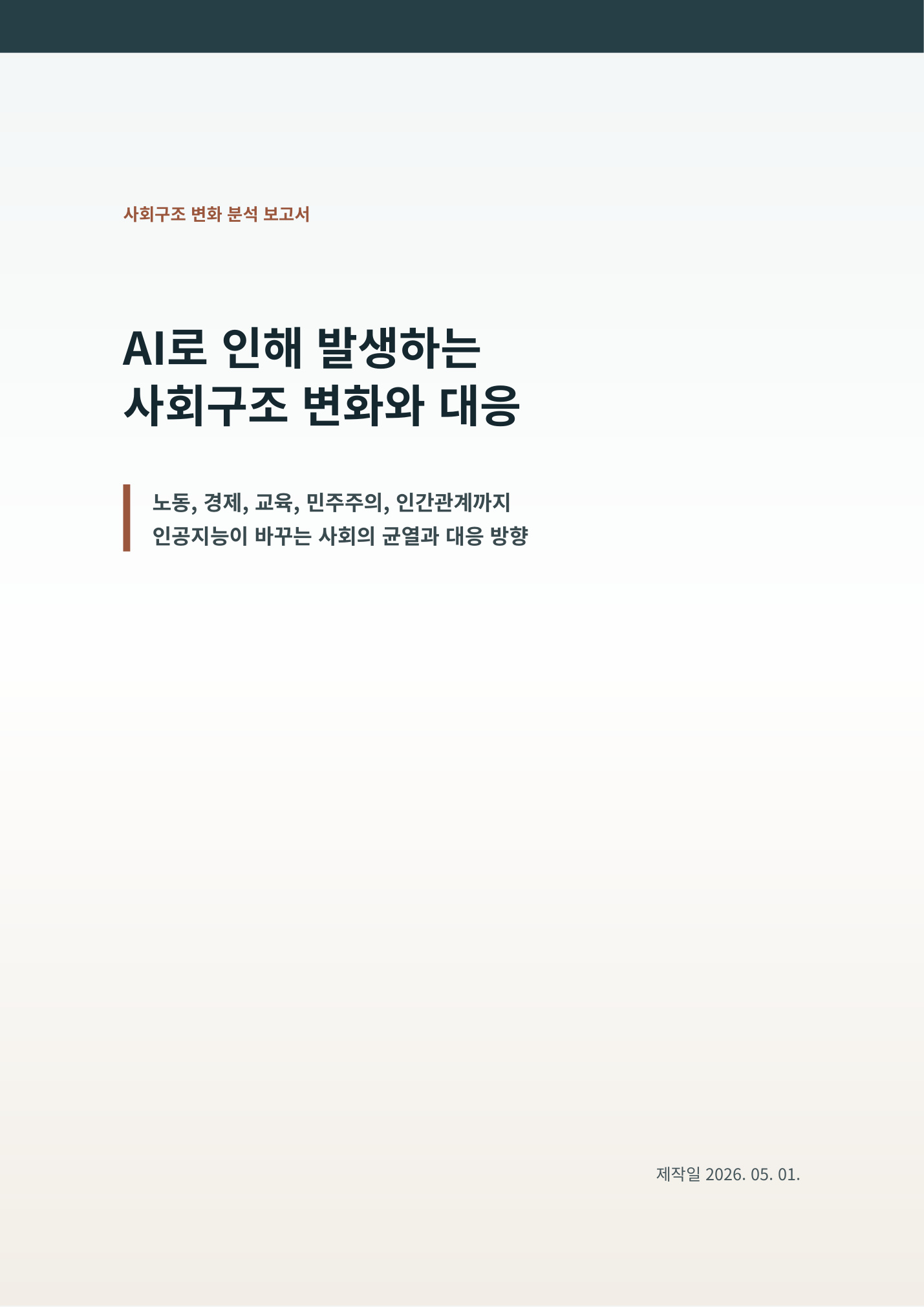
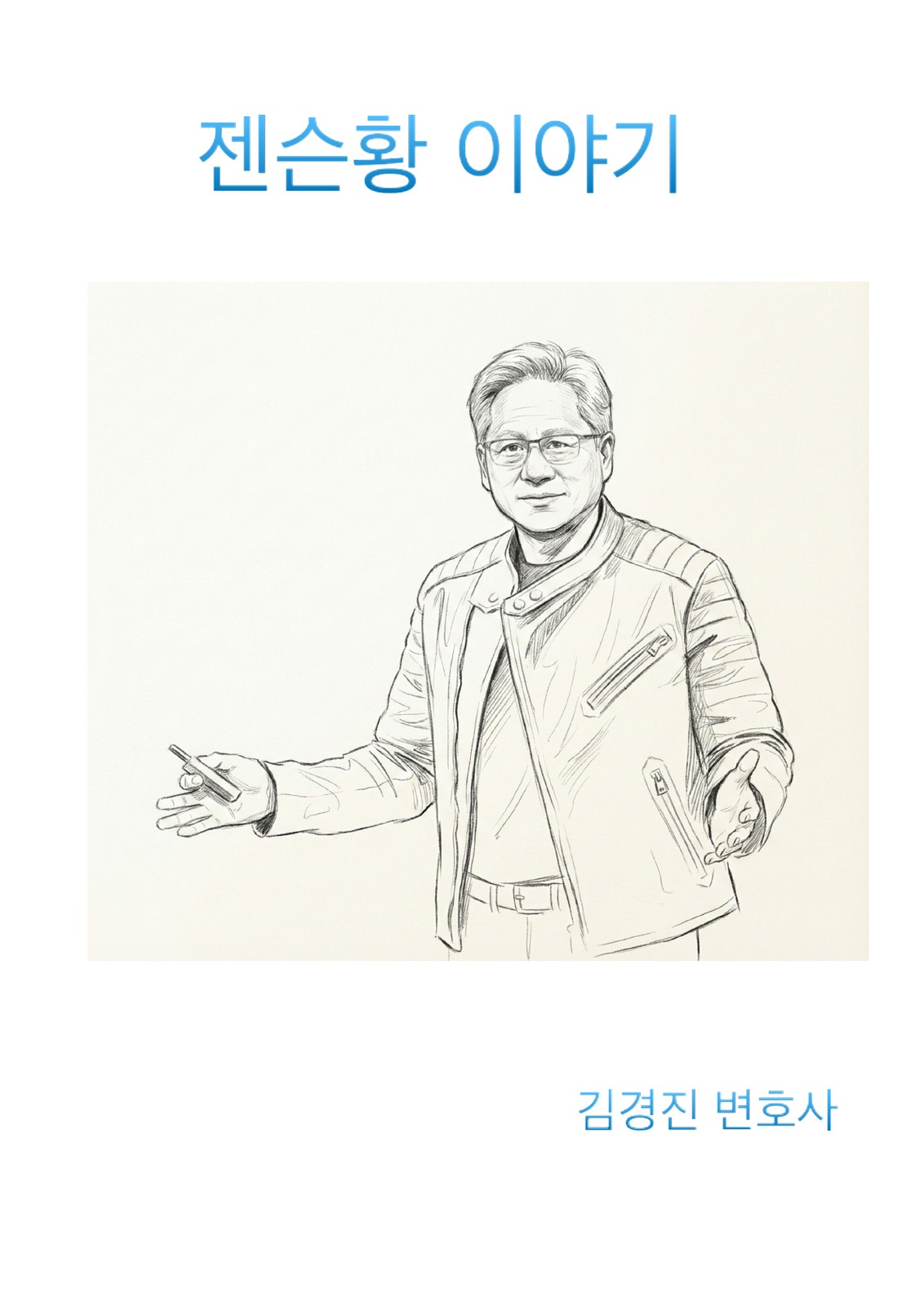

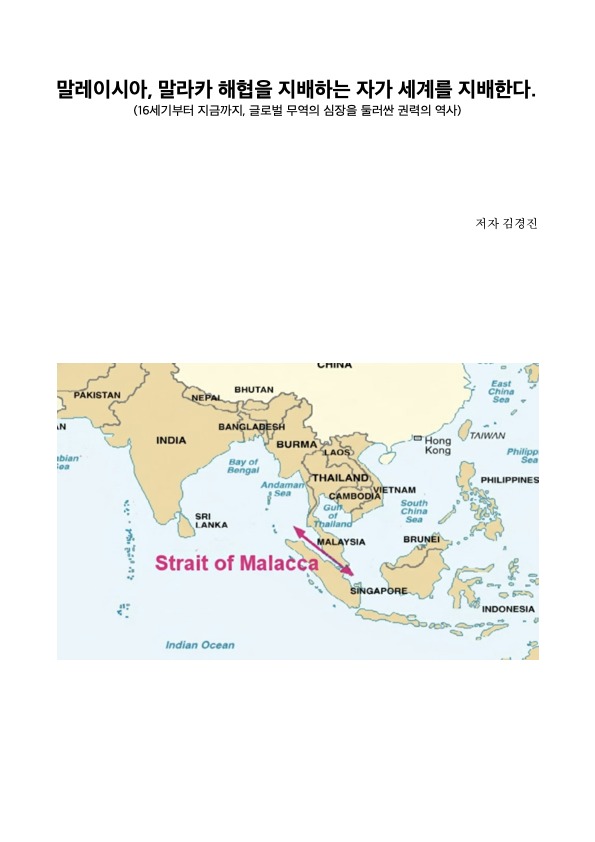
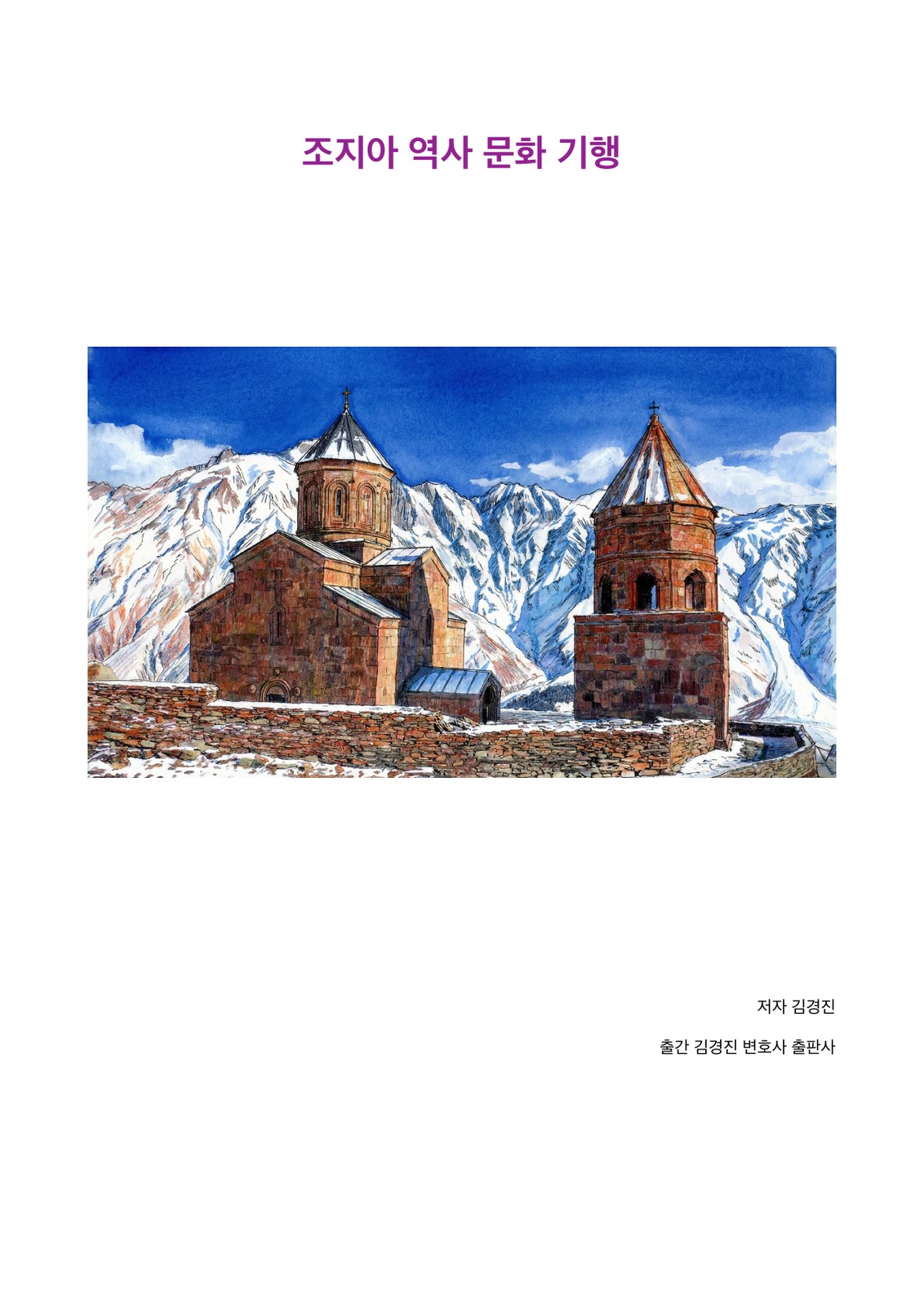








[AI Library] Chapter 3: The Cold War, Oil, and the Middle East's Powder Keg
The 2026 U.S.-Iran War and the Global Energy Crisis
Chapter 3: The Cold War, Oil, and the Middle East's Powder Keg
Kim Kyung-jin
The 2026 U.S.-Iran War and the Global Energy Crisis
Chapter 3: The Cold War, Oil, and the Middle East's Powder Keg
3.1 The Establishment of the Petrodollar System
On the evening of Sunday, August 15, 1971, President Richard Nixon sat before television cameras. He announced unilaterally that the United States would cease exchanging its dollar for gold. The Bretton Woods System, which had been maintained for 26 years after World War II (fixing the dollar to gold and other currencies to the dollar in a fixed international monetary order), collapsed with this single announcement. The promise to exchange one ounce of gold for 35 dollars vanished. The dollar became, overnight, a piece of paper backed by nothing.
The problem was clear. Without gold as an anchor guaranteeing the dollar's value, the world had lost any foundation for explaining why it should continue to hold dollars. In February 1973, major currencies abandoned their fixed exchange rates against the dollar and began to float freely. The dollar's value fell visibly.
It was Secretary of State Henry Kissinger who resolved this crisis. Kissinger had to find a new commodity to back the dollar in place of gold. What he chose was oil.
On June 8, 1974, Kissinger and Saudi Arabia's Crown Prince Fahd ibn Abdulaziz signed a six-page agreement at Blair House in Washington. The official purpose was to establish the Joint Commission on Economic Cooperation between the United States and Saudi Arabia. The document stated that the two nations would modernize Saudi Arabia's administrative systems, construct infrastructure, and transfer technology.
But the real core of this agreement lay in understandings not written in the document. Saudi Arabia would price its oil in U.S. dollars only and settle payments in dollars. The enormous dollar revenues from oil exports would be reinvested in U.S. Treasury bonds. In return, the United States would guarantee the security of the Saudi royal family through military protection and would sell them the latest weapons.
This is the substance of what is called the 'Petrodollar System' in common usage. There is debate over whether this agreement was a formal treaty or an informal understanding. According to Bloomberg News's 2016 information request to the U.S. National Archives, a secret agreement existed in late 1974 in which the United States promised military assistance and equipment to Saudi Arabia in exchange for Saudi Arabia investing a substantial portion of its oil revenues in U.S. Treasury bonds.
Regardless of its form, the result was clear. By 1975, all member states of the Organization of the Petroleum Exporting Countries (OPEC) were trading oil in dollars. As the price of the world's most important commodity came to be denominated in dollars, every nation on Earth needed to secure dollars to import oil. To run factories, you need oil; to buy oil, you need dollars. This simple structure created permanent global demand for the U.S. dollar.
The cycle that Kissinger named 'Petrodollar Recycling' also began to function. Oil-producing nations earned dollars by selling oil and reinvested those dollars in U.S. Treasury bonds. Thanks to this flood of funds pouring in from around the world, the U.S. government could tolerate fiscal deficits on a scale that other nations could not bear and borrow at low interest rates. A self-reinforcing cycle was completed: the world held dollars to buy oil, and oil-producing nations that earned dollars reinvested them in America.
This system granted the United States unprecedented financial hegemony. And simultaneously, it became a structural constraint requiring the United States to maintain permanent involvement in the Middle East to sustain that hegemony. The U.S. had to protect oil-producing regimes that settled for oil in dollars, and the U.S. Navy had to perpetually guarantee the safety of oil transport routes stretching from the Persian Gulf to the rest of the world.
On January 23, 1980, President Jimmy Carter elevated this structural constraint to official doctrine in his State of the Union Address. In Congress, Carter made this declaration:
"Any attempt by any outside force to gain control of the Persian Gulf region shall be regarded as an assault on the vital interests of the United States of America, and such an assault will be repelled by any means necessary, including military force."
This single sentence is the so-called 'Carter Doctrine.' Written by National Security Advisor Zbigniew Brzezinski following the language of the Truman Doctrine, this declaration incorporated the Persian Gulf into a zone of direct U.S. military operations. To back up this doctrine, Carter created the Rapid Deployment Joint Task Force, which would later be expanded and reorganized into the United States Central Command (CENTCOM). That the United States maintains military bases today in Bahrain, Qatar, Kuwait, the United Arab Emirates, Saudi Arabia, and Iraq is the direct legacy of this doctrine.
From gold to oil. This transition saved the dollar's hegemony. And in exchange, it bound America as the eternal watchman of the Middle East powder keg.
3.2 The 1973 Arab Oil Embargo
October 6, 1973, was Yom Kippur, the most solemn day in the Jewish calendar. In Israel, radio and television broadcasts stopped, shops closed, and public transportation halted. Egypt and Syria chose this very day. Egyptian forces crossed the Suez Canal and pushed into the Sinai Peninsula, while Syrian forces attacked the Golan Heights. It was an attempt to reclaim the territory lost to Israel in the Six-Day War of 1967.
The initial course of the war favored the Arab side. Egyptian forces broke through the Bar Lev defensive line at the Suez Canal, and Syrian tank units advanced deep into the Golan Heights. Israel was in dire straits. President Nixon requested emergency military assistance to Israel worth 2.2 billion dollars from Congress, and large-scale U.S. military shipments began.
King Faisal of Saudi Arabia had warned Nixon. Support for Israel would cause problems with oil supplies. Nixon ignored the warning.
On October 17, 1973, the Organization of Arab Petroleum Exporting Countries (OAPEC) played its card. It raised oil prices from 3.01 dollars per barrel to 5.12 dollars. Simultaneously, it halted oil exports entirely to countries supporting Israel. It declared that it would cut production by 5 percent monthly. The embargo targeted the United States, the Netherlands, Portugal, South Africa, and Rhodesia.
The war ended in twenty days. Israel, armed with U.S. military assistance, reversed the military situation, and a UN Security Council ceasefire resolution passed. But the oil embargo continued for five months.
The actual oil that disappeared from the market represented roughly 7 percent of global supply. Saudi Arabia's daily exports to the United States amounted to about 640,000 barrels, less than 4 percent of American daily consumption of 17 million barrels. Yet this relatively small disruption created ripples far beyond what arithmetic proportions would suggest.
The embargo interacted with other forces to amplify the consequences. Fear sparked hoarding; hoarding magnified shortages. When Iran's national oil company held an auction in December, bids came in at 17 dollars per barrel. By the end of 1973, OPEC had set oil prices at 11.65 dollars per barrel in Vienna. The price of oil, which had been 3 dollars at the embargo's start, had quadrupled in four months. When King Faisal lifted the embargo in March 1974, prices did not fall from that level. A permanent 300 percent price increase became entrenched.
Gas stations in the United States saw lines with no end in sight. One gas station in Connecticut posted a sign: 'No Gas! Limit 10 gallons per customer.' American cars at that time consumed 2 to 3 liters of gasoline per hour at idle, and there were estimates that the fuel consumed while waiting in line to refuel amounted to about 150,000 barrels per day. It was a situation of burning gasoline to get gasoline. The Nixon administration imposed gasoline rationing and odd-even number plate restrictions and reduced the interstate speed limit to 55 miles per hour, or about 88 kilometers per hour. Orders came down to turn off neon signs.
The economic blow shook American society deeply. The U.S. economy grew 5.7 percent in 1973, but the following year it contracted 0.5 percent. The unemployment rate surged from 4.6 percent in October 1973 to 9 percent in May 1975. The consumer price inflation rate jumped from 3.4 percent in 1972 to 12.3 percent in 1974. Stagflation, the worst combination according to economics textbooks, where prices rise while the economy stagnates, engulfed America. The Federal Reserve raised its benchmark interest rate from 5.75 percent in 1972 to 12 percent in 1974, but could not contain inflation. Eventually, Fed Chairman Paul Volcker had to raise rates to 20 percent in 1980-1981, accepting another severe recession, before inflation finally began to break.
In France, this period is remembered as the end of the 'Trente Glorieuses' (the Thirty Glorious Years). The postwar prosperity that lasted from 1945 to 1973 ended at the oil embargo. Britain's Financial Times ran a famous headline in late 1973: 'The Future will be subject to Delay.'
Japan suffered a more severe blow. Japan, which was dependent on imports for almost all of its oil, maintained an average unemployment rate of 1.0 percent from 1960 to 1978, but there were estimates that it reached 13.5 percent by 1980. Some research showed unemployment rates of 15 percent in the United States and France, and 23 percent in Britain. While there are debates about the accuracy of these figures depending on the criteria used, there is no disagreement about the magnitude of the shock.
The aftermath of the oil shock appeared in unexpected places. In South Africa, surging manufacturing costs shook industrialization strategy, and mounting discontent in the Black community with the apartheid regime exploded, becoming one of the causes of the 1976 Soweto Uprising. In Portugal, inflation eroded the economic foundation of the dictatorship, leading to the Carnation Revolution in 1974.
Advanced Western nations drew lessons from this experience. In 1974, the International Energy Agency (IEA) was established. It was a consultative body for jointly responding to oil crises. IEA member nations agreed to maintain strategic petroleum reserves of at least 90 days of net imports. Through the 1975 Energy Policy and Conservation Act, the United States introduced the Strategic Petroleum Reserve (SPR) system and began storing crude oil in massive salt caverns in Texas and Louisiana.
Efforts also began to reduce dependence on the oil-producing cartel. The development of the Prudhoe Bay oil field in northern Alaska, the North Sea oil fields, and the deepwater oil fields in the Gulf of Mexico accelerated. In the 15 years following the embargo, oil production outside OPEC increased by 14 million barrels per day. Large automobile factories in Detroit shifted from producing gas-guzzling large vehicles to small cars, and Japanese automobiles' share of the U.S. market surged from 9 percent in 1976 to 21 percent in 1980.
The 1973 embargo was an event that brought the world economy to its knees without firing a single shot. It was the first experiment in weaponizing energy, demonstrating that cutting off the flow of resources could shake the economy of the most powerful nation.
3.3 From the Iran-Iraq War to the Gulf War
In the fall of 1978, strikes began in Iran's oil fields. Thirty-seven thousand petroleum workers stopped work. Iran's crude oil production plummeted from approximately 5.8 million barrels per day to 1.5 million barrels. An amount equivalent to 4.8 million barrels per day, or 7 percent of world oil production at the time, disappeared from the market.
On January 16, 1979, Mohammad Reza Shah Pahlavi departed Iran. In February, Ayatollah Ruhollah Khomeini proclaimed the Islamic Republic. One of the two pillars supporting U.S. Middle Eastern strategy had collapsed. The United States had maintained stability in the Persian Gulf by treating Saudi Arabia and Iran as 'Twin Pillars,' but one of them suddenly transformed into an adversarial force overnight.
The actual supply disruption was on the order of 4 to 5 percent. Saudi Arabia increased production to partially compensate. Yet oil prices more than doubled, from 13 dollars per barrel in mid-1979 to 34 dollars per barrel in mid-1980. In the spot market, transactions occurred at as much as 50 dollars per barrel. Fear, rather than the shortage itself, drove up prices. Refiners and traders, fearing the situation would worsen, hoarded crude oil, hoarding magnified shortages, and shortages amplified fear in a vicious cycle. It was a second oil shock following the first.
Then, on September 22, 1980, Iraq's Saddam Hussein launched a full-scale invasion of Iran. The eight-year Iran-Iraq War had begun.
America's position in this war was complicated. While officially neutral, with the balance of power in the Middle East upset by the Iranian revolution, the United States sided with Iraq. It provided Saddam Hussein with diplomatic support, military intelligence, and advanced technology. The calculation was to prevent the Iranian revolution from spreading throughout the Middle East. At the same time, as revealed in the Iran-Contra scandal, the United States was secretly selling Iran weapons components. It served America's practical interests to have the two countries fight each other and exhaust their strength.
The Iran-Iraq War became a direct threat to the global energy market with the 'Tanker War,' which intensified from 1984 onward. Over the entire course of the war, Iraq attacked merchant vessels 283 times, while Iran attacked 168 times.
The course of events was as follows. To cut off Iran's sources of funding, Iraq attacked Iran's main oil export terminal at Kharg Island and the tankers in its vicinity with French-made fighter jets. Iran retaliated by targeting tankers supporting Iraq from Kuwait and Saudi Arabia. In 1985, an Iraqi missile sank the 60,000-ton tanker Neptunia. Marine insurance rates surged, and tanker owners began to avoid navigating the Persian Gulf.
In December 1986, the Kuwaiti government requested help from the United States. It asked that its own tankers be protected from Iranian attacks. The Soviet Union received a similar request, and information that Kuwait was in contact with the Soviet Union was conveyed to Washington. The Reagan administration could not tolerate the Soviet Union expanding its influence in the Persian Gulf.
The United States came up with an ingenious solution. It had the American flag placed on eleven Kuwaiti tankers. Thanks to this measure, known as 'Reflagging,' Kuwaiti tankers became, in legal terms, American vessels and could receive U.S. Navy escort.
On July 24, 1987, Operation Earnest Will began. It was the largest-scale naval escort operation since World War II. A squadron composed of destroyers, frigates, cruisers, and Coast Guard vessels escorted Kuwaiti tankers across the Persian Gulf. A total of 30 U.S. Navy vessels were deployed simultaneously in this operation.
An accident occurred on the first escort mission. On July 24, 1987, the Kuwaiti tanker Bridgeton (originally named Al Raka) flying the American flag struck a mine laid by Iran's Revolutionary Guard Corps (IRGC) the previous night. The hull was pierced but did not sink. The United States was unprepared for mine warfare. Failing to position minesweepers in advance proved a fatal mistake.
Two months earlier, on May 17, 1987, an Iraqi fighter fired two Exocet anti-ship missiles at the U.S. Navy frigate USS Stark patrolling the Persian Gulf. Thirty-seven American sailors were killed. Iraq apologized, saying it had mistaken the vessel for an Iranian tanker, but the incident demonstrated the consequences of a single error in the fog of war.
On April 14, 1988, the U.S. Navy frigate USS Samuel B. Roberts struck an Iranian mine, suffering a pierced hull and a broken keel. The vessel narrowly avoided sinking. The serial number of the recovered mine matched a mine previously seized from an Iranian barge. Four days later, on April 18, the United States launched Operation Praying Mantis. U.S. Marines and Navy forces destroyed two Iranian offshore oil platforms, sank one Iranian frigate, and sank three or more speedboats. In a single day, the Iranian Navy lost a significant portion of its fleet.
On July 3 of that year, the USS Vincennes cruiser mistook Iranian civilian airliner Flight 655 for a fighter jet and shot it down. All 290 civilians aboard were killed. Paradoxically, this tragedy accelerated the war's end. Already losing to Iraq on land and defeated by the United States at sea, Iran's leadership accepted UN Security Council Resolution 598 in July 1988 and agreed to a ceasefire.
The tanker war left one legacy. Saudi Arabia, recognizing the extreme vulnerability of the Strait of Hormuz, began constructing an alternative transport route that bypassed the Persian Gulf. This was the East-West Pipeline, stretching 1,200 kilometers from the eastern Persian Gulf coast to the Yanbu port on the western Red Sea. The fear that closure of the strait would leave no way to export oil gave birth to this massive infrastructure. How this pipeline plays a role in the 2026 Strait of Hormuz blockade crisis will be discussed in Chapter 14.
Two years after the Iran-Iraq War ended, on August 2, 1990, Saddam Hussein moved again. This time he invaded Kuwait. The Iraqi army occupied Kuwait in a matter of hours.
Oil lay behind the invasion. Burdened by debt from eight years of war with Iran, Iraq demanded that Kuwait forgive 14 billion dollars in war debts but was refused. Hussein accused Kuwait of siphoning Iraqi oil from the Rumaila oilfield. There was also resentment that Kuwait was exceeding its OPEC production quota by producing 1.9 million barrels daily, driving down oil prices.
If Iraq seized Kuwait, a significant share of the world's proven oil reserves would fall into the hands of a single dictator, and even Saudi Arabia would come under threat. It was time for the Carter Doctrine to take action.
With Iraq's invasion in August 1990, oil prices moved. The price, which had been 17 dollars a barrel, more than doubled to 36 dollars by October. President George H.W. Bush formed a multinational coalition of 28 countries. More than 500,000 U.S. troops were deployed to Saudi Arabia.
On January 16, 1991, coalition bombing began. President Bush authorized the emergency release of the Strategic Petroleum Reserve that same evening. It was the first time in U.S. history that the SPR was released for reasons of war. A release of 33.75 million barrels was planned, and the market received a signal that global oil supplies would stabilize. The effect was immediate. Oil prices fell sharply on the war's first day. In fact, the final release was reduced to 17.3 million barrels because market stability had been achieved.
The ground war, which began on February 23, ended in 100 hours. Eighty thousand Iraqi soldiers surrendered, and thirty thousand were killed in action. However, what the retreating Iraqi army did would be remembered longer than the war's outcome.
The Iraqi army placed explosives in Kuwait's oil wells and set them ablaze. Between 605 and 732 wells were destroyed (estimates vary by source). This represented approximately 85 percent of Kuwait's total wells. Daily, 5 to 6 million barrels of crude oil and 70 to 100 million cubic meters of natural gas burned and disappeared. Black smoke blanketed the sky. Temperatures in surrounding areas dropped about 5.5 degrees Celsius (10 degrees Fahrenheit) below normal. Soot and acid rain clouds spread to within 800 kilometers of Kuwait and were detected in Turkey, Bulgaria, and Pakistan.
When firefighters arrived, the area around the wells was filled with mines laid by the Iraqi army. Mine clearance by the military had to be completed before firefighting could begin. The first well was extinguished in April, and the last was capped on November 6. The fires burned for more than eight months. Sara Akbar, a chemical engineer with the Kuwait Petroleum Company, later recalled those days this way: she could not attend the liberation celebrations, for her entire industry was burning.
The Iraqi army did more than set fires. On January 23, 1991, it opened the valves at the Siah Island offshore terminal and dumped 3 million barrels of crude oil into the Persian Gulf. The amount was twelve times the Exxon Valdez spill of 1989. It took four days for coalition aircraft to bomb the loading facilities and stop the discharge.
The Gulf War demonstrated the complete cycle in which oil became the cause of war, the weapon of war, and the target of war, all within a single conflict. A dispute over oil revenues caused the invasion, multinational forces were deployed to protect oil transport routes, and the defeated army destroyed oil infrastructure as it retreated. For the first time, the Strategic Petroleum Reserve was released in actual combat, and oil prices surged and collapsed with the war's trajectory.
The two oil shocks of the 1970s, the tanker war of the 1980s, and the Gulf War of 1991 repeatedly confirmed one truth: the ability to safely control and transport oil from the Persian Gulf is the core condition of global hegemony. To preserve the dollar's status, the United States had to guarantee the security of oil-producing nations, and to honor that guarantee, it had to walk deep into the Middle East's wars.
And in 2026, at the end of that road, another crisis awaited. The Strait of Hormuz had closed.
Attorney Kim Kyung-jin, an artificial intelligence expert
AI policy and law specialist, former National Assembly member, author of numerous works
If this book has stayed with you even briefly, please help support the next story reaching the world.
(Voluntary support account: Nonghyup 302-1096-0948-81 Account holder: Kim Kyung-jin)
Kim Kyung-jin
Attorney · Former Member of the National Assembly · AI Policy Researcher
© 2026 Kim Kyung-jin. All rights reserved.