AI Library
The Age of Autonomous Scientific Discovery
Kim Kyung-jin, Attorney at Law
AI Scientists and Self-Driving Labs
This book follows how AI scientists and self-driving labs are changing the way science generates and verifies claims. It covers literature-based discovery, natural-language protocols translated into robot commands, multi-agent research systems, closed-loop laboratories, materials search, the verification gap, chains of evidence, research harnesses, journal ethics, and legal responsibility.
AI Library
A New Era of Life Sciences Opened by Artificial Intelligence
Structural Proteomics, Genomic Foundation Models, Autonomous Laboratories, and Global Governance
Kim Kyung-jin, Attorney at Law
This book is a research volume compiled with artificial intelligence. A human selected the materials and structured the work, while AI models drafted the sentences and cross-checked the facts.

AI Library
The Double Structure of Digital Sovereignty
Europe’s Departure from Palantir and the Chains of American Big Tech
Kim Kyung-jin, Attorney at Law
This is a record of 2026, when European intelligence agencies and defense ministries began removing analytics tools from America’s Palantir. It covers the replacement decisions made by France’s General Directorate for Internal Security (DGSI), Germany’s Federal Office for the Protection of the Constitution (BfV), and the Netherlands Ministry of Defense; the incident in which US export controls severed an ally’s ac…
New English Edition
Artificial Intelligence in Horticulture
Kim Kyung-jin, Attorney at Law
Across five chapters and ten sections, this book examines computer vision for crop diagnosis, harvesting robots and autonomous field systems, smart greenhouses and digital twins, precision irrigation and supply-chain quality control, high-throughput phenotyping, and predictive breeding.
New English Edition
Artificial Intelligence in Food Crop Agriculture
Kim Kyung-jin, Attorney at Law
Across six chapters and eighteen sections, the book examines digital agricultural infrastructure, remote sensing, crop diagnosis, yield forecasting, precision irrigation, genomics, molecular breeding, agricultural robotics, climate-smart agriculture, and global food security.
New English Edition
The Future of Forestry and Agroforestry
Kim Kyung-jin, Attorney at Law
Driven by Artificial Intelligence and Digital Innovation
Across five chapters and fifteen sections, the book follows satellites, drones, LiDAR, digital twins, forest-specific language models, wildfire and pest forecasting, forestry robotics, agroforestry, timber traceability, and forest carbon markets.
New English Edition
Smart Livestock Farming: AI Enters the Barn
Kim Kyung-jin, Attorney at Law
Sensors listen, cameras watch, and artificial intelligence helps farmers decide.
Across five chapters and fifteen sections, the book follows precision livestock farming from animal health and reproduction to robotic milking, virtual fencing, digital twins, methane reduction, welfare, and data ownership.

Table of Contents
Han Dong-hoon, Busan Buk-gu Gap: A Record of the 100 Days Before and After the Election (Mar. 26-Jul. 3, 2026)
Kim Kyung-jin
Table of Contents and 13 sections
From March 26 to July 3, 2026, this record follows the spring after expulsion, the Busan Buk-gu Gap by-election, victory as an independent, and the first bill submitted in the National Assembly.
Table of Contents
Artificial Intelligence and Medicine
Kim Kyung-jin, Attorney at Law
AI in clinical care, hospitals, education, and research
AI in medical imaging, risk prediction, treatment planning, hospital operations, education, and research, with patient safety, privacy, and accountability.
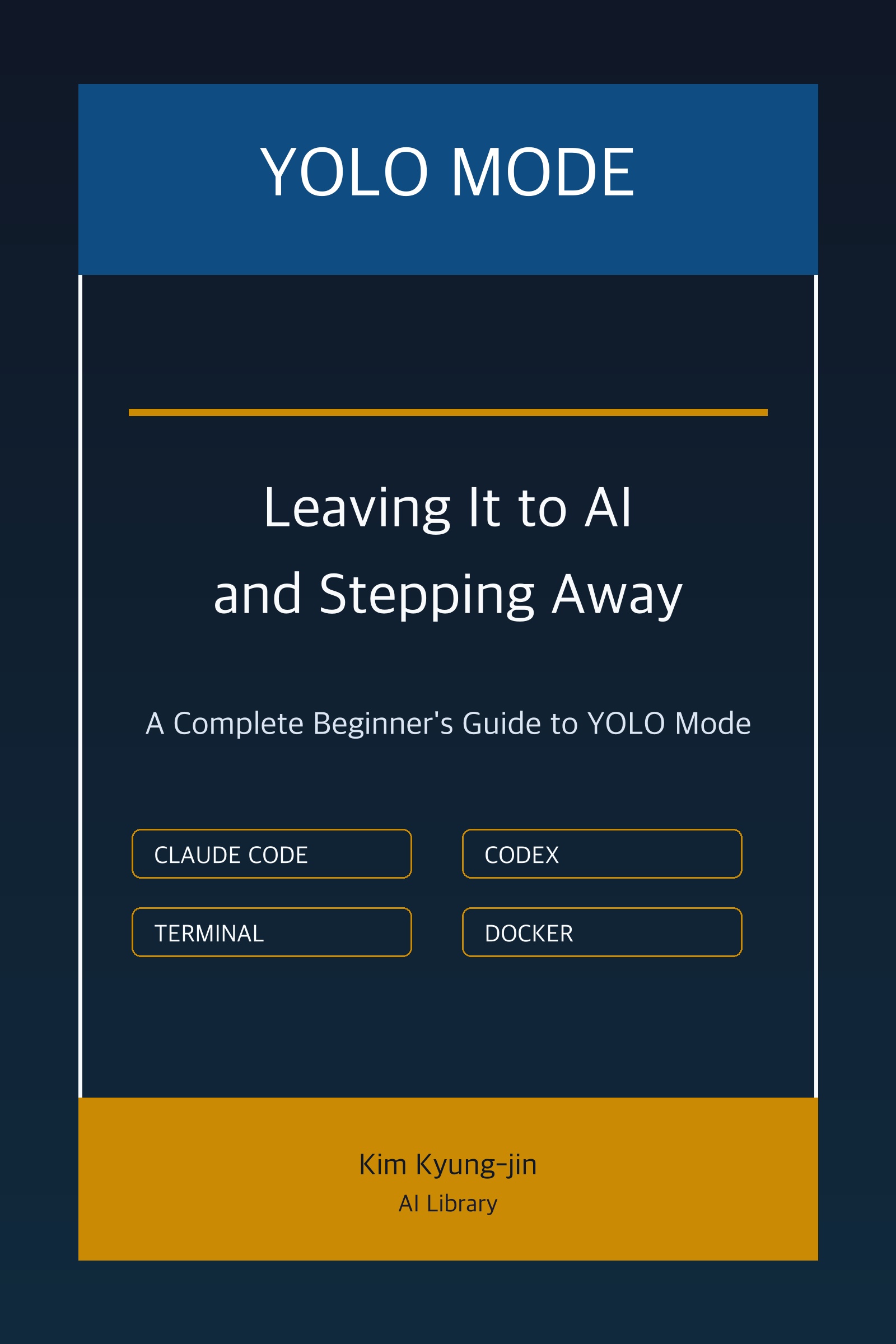

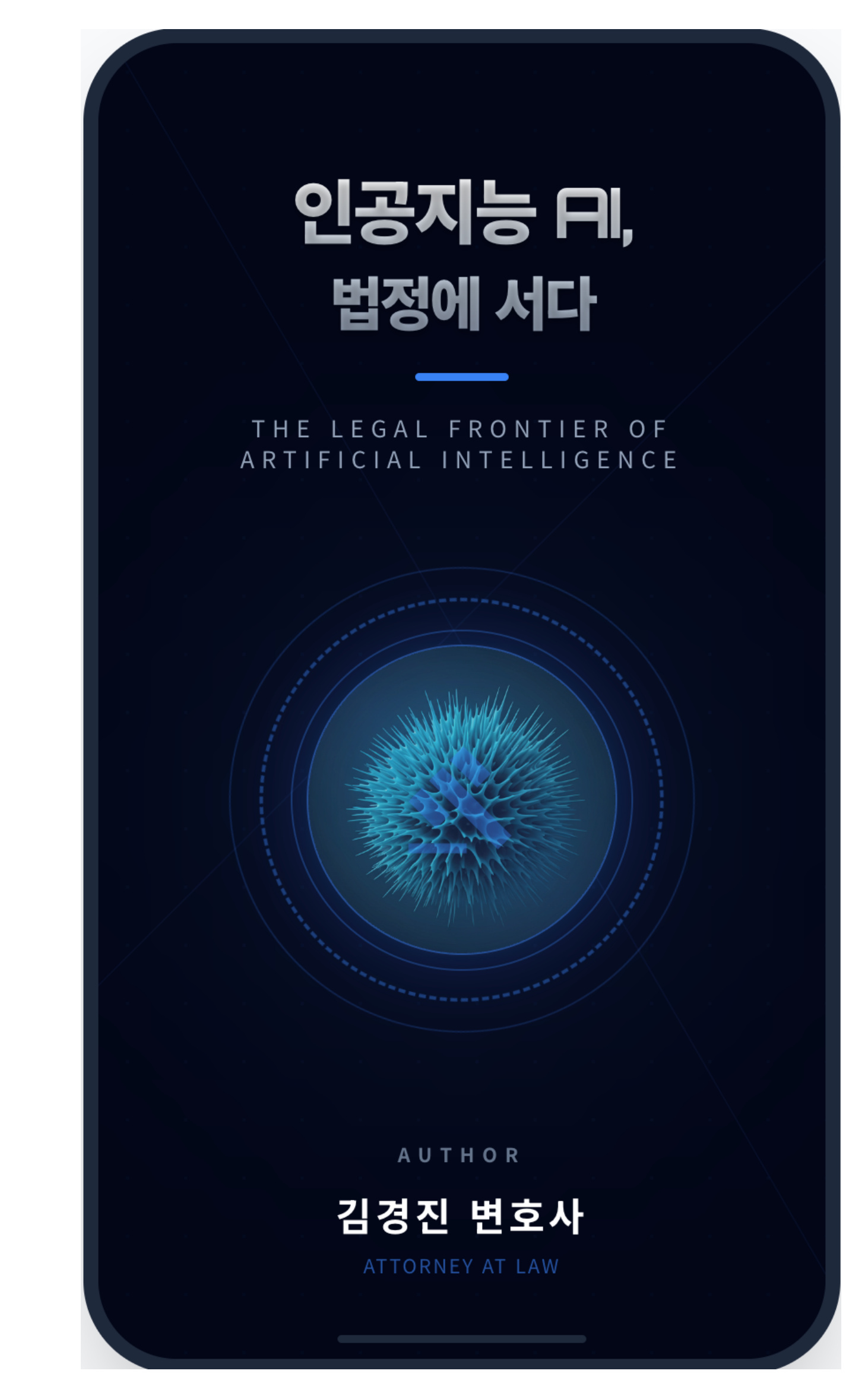

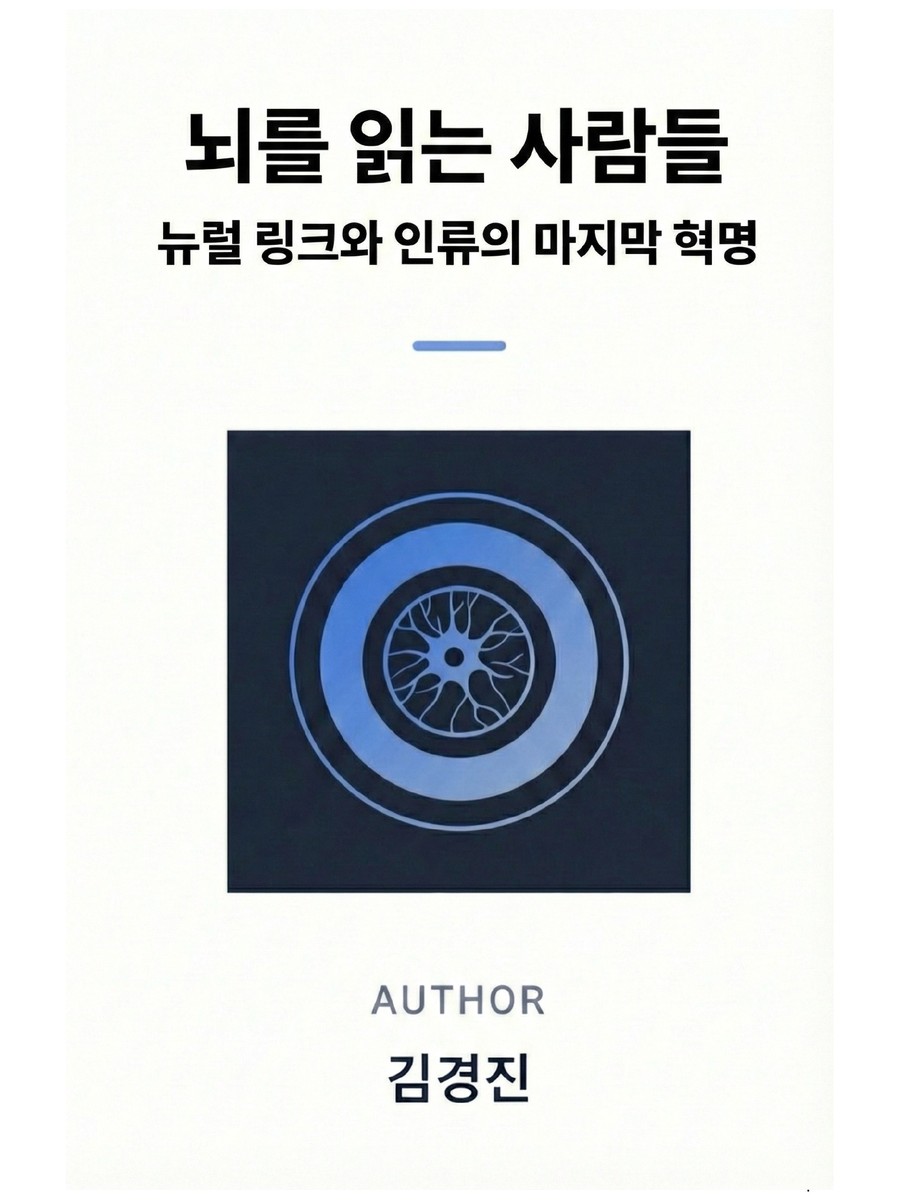
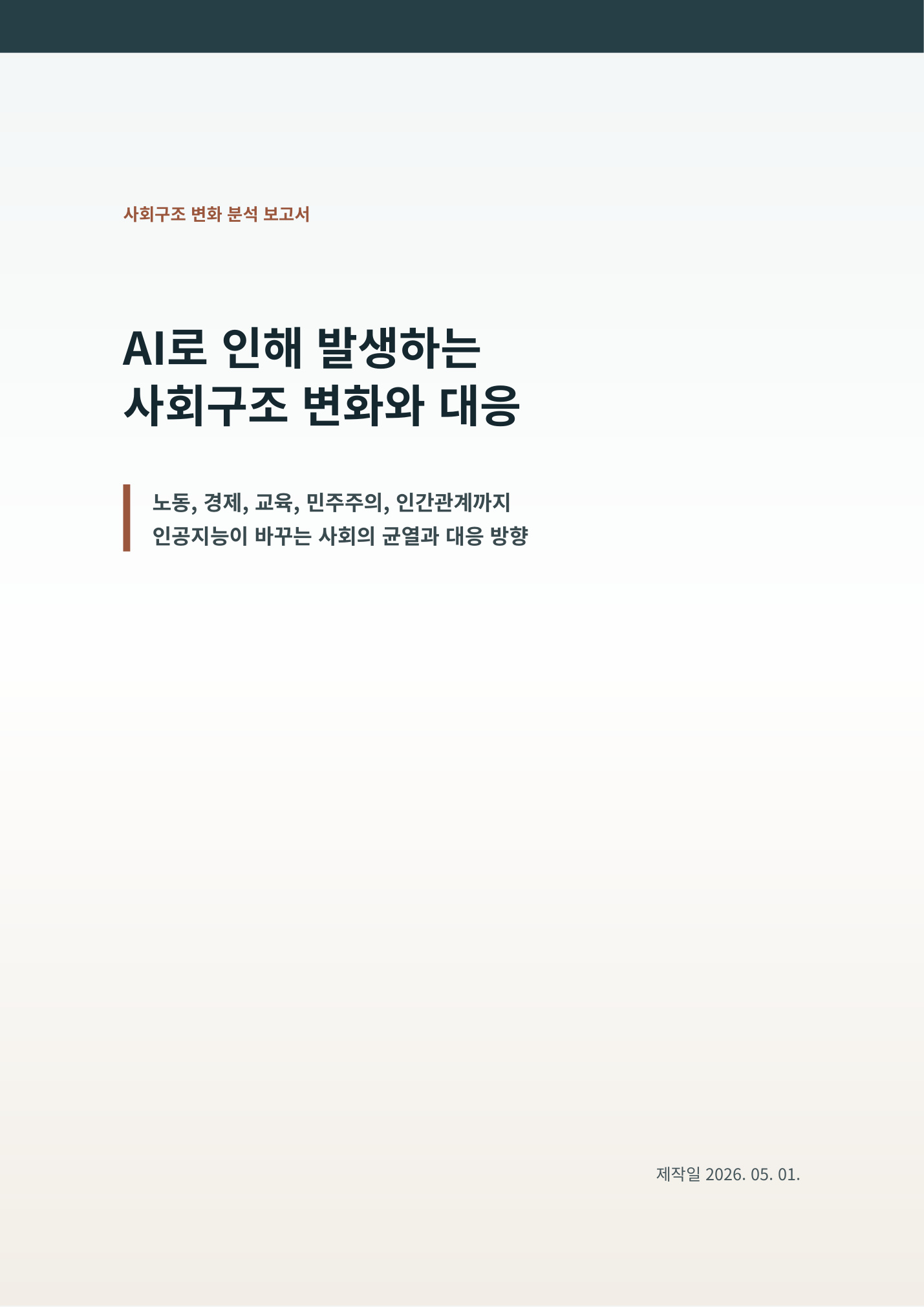


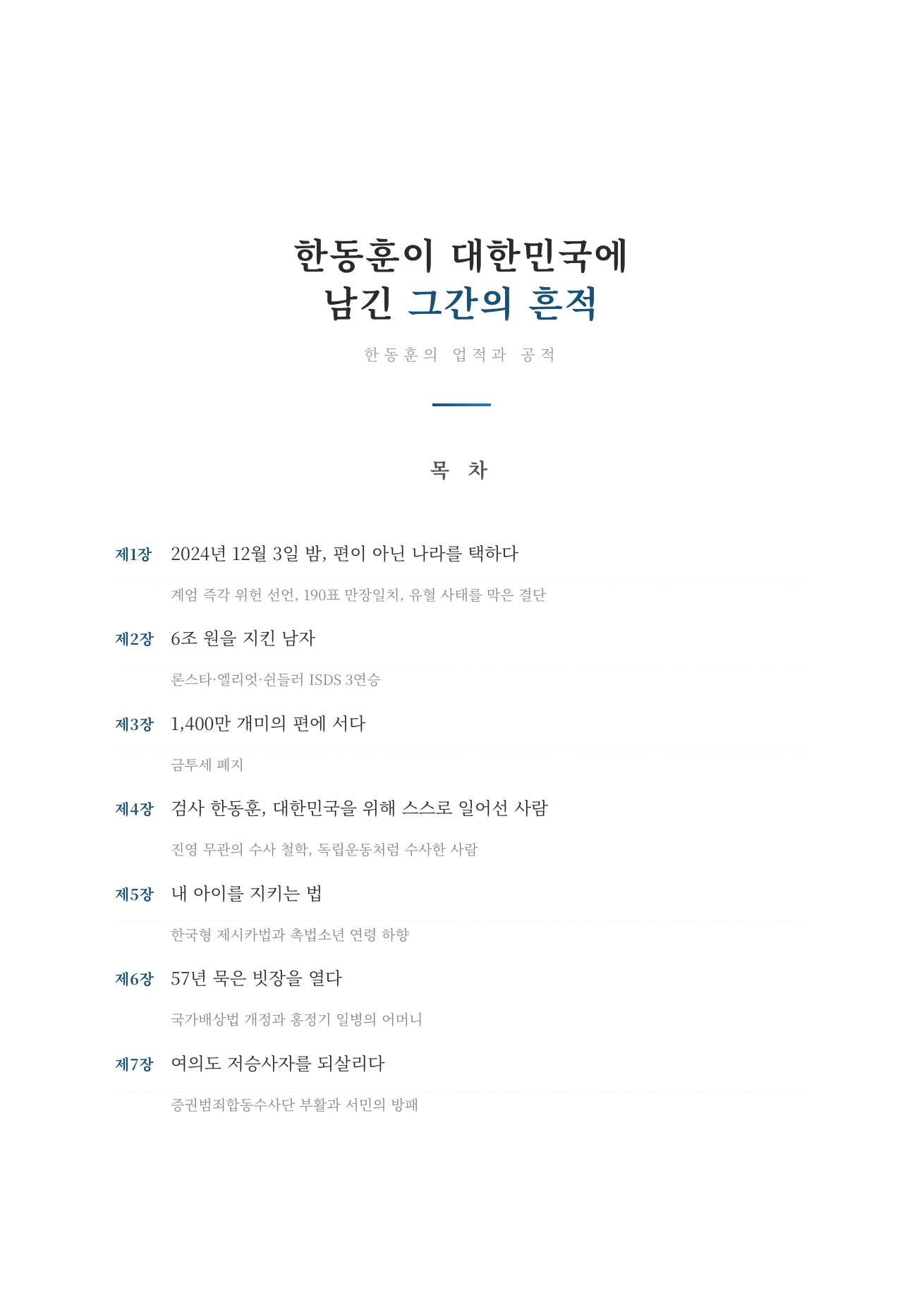



[AI Library] Chapter 24: We Must End the Imperial Presidency
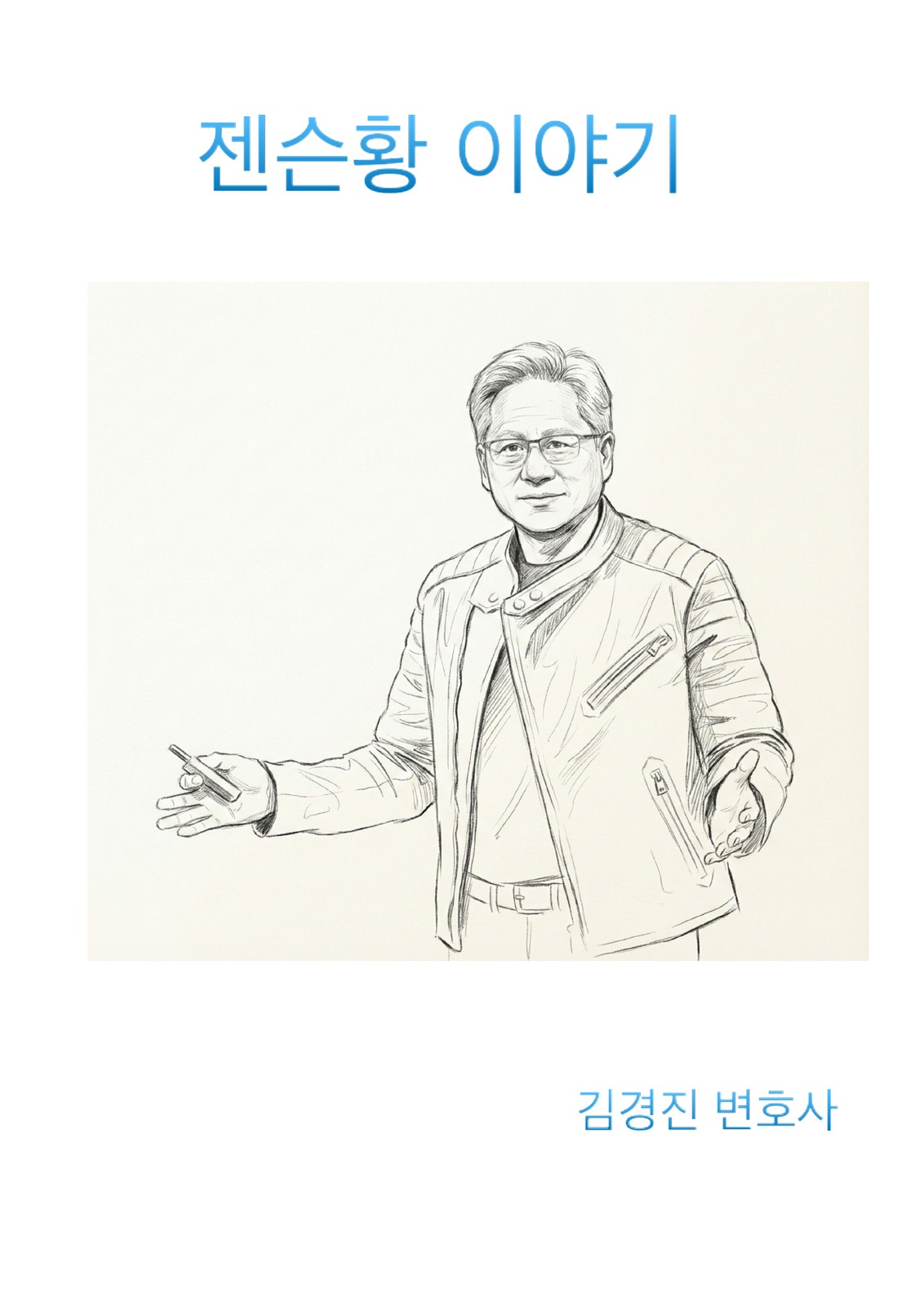
The Han Dong-hoon Story
Chapter 24: We Must End the Imperial Presidency
Kim Kyung-jin
The Han Dong-hoon Story
PART 06 Han Dong-hoon Commits to Opening a New Era · Source Text 02
December 3, 2024, 10:30 p.m. The Republic of Korea lay buried in pitch-black darkness. At the moment emergency martial law was declared on television screens, many citizens doubted their own eyes and ears.
We never dreamed that in our nation, a 21st-century Korea that took pride in being an economic powerhouse ranking in the world's top ten and a cultural power, the military would seal off the National Assembly.
That night, countless parents must have trembled with anxiety as they gazed at their sleeping children's faces. "Can the country where my child will live really be like this?" It was a fear that seemed to resurrect the nightmare of Gwangju in 1980.
That night, Representative Han Dong-hoon did not hesitate.
He rushed to the National Assembly while crying out, "It is unconstitutional and illegal."
This time he raised a shield to protect democracy. Without his swift judgment and action, we might have faced a tragedy we cannot bear to imagine.
This incident threw a fundamental problem at us that cannot be dismissed merely as one president's aberration.
It was the limit of the "1987 system," namely the imperial presidency. In 1987, we drove out dictatorship and won direct presidential election. That was a great victory. But that system concentrated far too much authority in one person, the president. It gave power to rule like a king. A structure where the winner takes all and the loser loses everything. That was precisely the essence of the "87 system."
Think about it.
The moment our country's president enters the Blue House, he appoints the prosecutor general, the commissioner of the National Tax Service, and the chairman of the Korea Communications Commission.
He can fill thousands of positions with his people. And all this power rests on the judgment of one person. Whether drunk at dawn or in a state of lost reason due to anger, when that one person presses the button, the military moves.
Han Dong-hoon found the current Korea crisis in the "institutional limits of the 87 system" and the "absence of political restraint."
Han Dong-hoon says this: "Throughout the 87 constitutional system, there were impeachment and martial law clauses, but there was a spirit of 'restraint' where political forces refrained from using them. However, through the Moon Jae-in administration and the Cho Kuk affair, that dam collapsed."
Within this structure, politics could only become war.
When they win an election, they seize the Blue House and the executive branch and try to crush their opponents completely. Conversely, when they lose, they cry out for impeachment and take to the streets for five years until the next election to bring down the president. "Martial law" and "impeachment." These terrible words threaten the Republic of Korea in tragic alternation. This is the sad self-portrait we have witnessed over the past thirty years. Look back just once. The impeachment of President Roh Moo-hyun, the impeachment of President Park Geun-hye, and even the impeachment of President Yoon Suk-yeol. Over thirty-seven years since democratization, we have experienced three impeachments. This is not what normal democracy looks like. This is a warning light that the system has broken down.
The declaration of emergency martial law on December 3, 2024, the presidential impeachment that followed, and the opposition party's habitual impeachment proceedings reaching thirty times showed that the 87 system had ceased to be a mechanism for managing conflict and had become a "tool of civil war" where one must kill the opponent to live.
Han Dong-hoon defined this as "an era where one side presses the nuclear button of martial law and the other presses the nuclear button of impeachment recklessly," and warned that if things continued this way, only alternating power transfers would repeat and the people's lives would be ruined.
Han Dong-hoon seeks to break this cycle of vicious repetition.
He says, "Now we must close the door on the 87 system." This is not about simply fixing a few constitutional clauses. It is about dividing the power concentrated in one president and creating a system where people can watch and check each other.
It is a call to create politics of compromise and dialogue rather than fighting to the death. He declared that he would become "the gatekeeper closing the door on the 87 system."
In the 2025 presidential election, he staked his political life on a decisive move to end the evils of the imperial presidency. He promised, "I will reduce the president's term to three years to align the timing of the 2028 general election and presidential election, and I will complete the constitutional amendment for a four-year renewable term." How many leaders in history have come forward saying they would reduce their own power? When George Washington refused a third term and stepped down, it became the cornerstone of American democracy. Han Dong-hoon's resolve will become a new milestone for Korean democracy.
His blueprint for the Seventh Republic is clear. Through a "four-year renewable term distributed presidential system," he will disperse presidential powers and introduce a "bicameral system" in the National Assembly to prevent majority party dictatorship. He proposed concrete alternatives, saying, "I will abolish proportional representation and introduce a senate, with the senate elected through large electoral districts, thereby preventing regionalism and factional logic from dominating the legislative branch."
Han Dong-hoon's constitutional amendment theory differs from existing political circles' discussion in that it is a constitutional amendment to relinquish power rather than to extend it.
He said, "Constitutional amendment discussion of the type 'let me do this much and then change from next time' cannot gain public consent," and proved his sincerity through the practical promise: "If I become president, I will reduce my term."
The constitutional amendment he envisions is not a collusion of the powerful.
It is to create a safeguard to protect the people's lives. It is to ensure that no power holder can ever again point a gun at the people, and that no majority party can ever again abuse parliamentary power merely to eliminate political enemies.
When our children grow up and hold a presidential election, not a country where they sneer, "He'll get impeached this time too?" but a country where they take pride, saying, "Our nation's system is really well designed." That is the Seventh Republic Han Dong-hoon envisions.
Han Dong-hoon must have felt deeply that night.
"If we do not change the system, this fear will someday cover our children again." So he resolved to fight the monster of the imperial presidency. To end this wearisome state of civil war where martial law and impeachment alternate. That is the calling of the age that Han Dong-hoon carries.
If this book stayed by your side even briefly, please support it so that the next story can come into the world.
(Voluntary support requested. Account: Nonghyup 302-1096-0948-81 Account holder: Kim Gyeong-jin)
Kim Kyung-jin
Attorney · Former Member of the National Assembly · AI Policy Researcher
© 2026 Kim Kyung-jin. All rights reserved.