AI Library
The Age of Autonomous Scientific Discovery
Kim Kyung-jin, Attorney at Law
AI Scientists and Self-Driving Labs
This book follows how AI scientists and self-driving labs are changing the way science generates and verifies claims. It covers literature-based discovery, natural-language protocols translated into robot commands, multi-agent research systems, closed-loop laboratories, materials search, the verification gap, chains of evidence, research harnesses, journal ethics, and legal responsibility.
AI Library
A New Era of Life Sciences Opened by Artificial Intelligence
Structural Proteomics, Genomic Foundation Models, Autonomous Laboratories, and Global Governance
Kim Kyung-jin, Attorney at Law
This book is a research volume compiled with artificial intelligence. A human selected the materials and structured the work, while AI models drafted the sentences and cross-checked the facts.
AI Library
The Double Structure of Digital Sovereignty
Europe’s Departure from Palantir and the Chains of American Big Tech
Kim Kyung-jin, Attorney at Law
This is a record of 2026, when European intelligence agencies and defense ministries began removing analytics tools from America’s Palantir. It covers the replacement decisions made by France’s General Directorate for Internal Security (DGSI), Germany’s Federal Office for the Protection of the Constitution (BfV), and the Netherlands Ministry of Defense; the incident in which US export controls severed an ally’s ac…
New English Edition
Artificial Intelligence in Horticulture
Kim Kyung-jin, Attorney at Law
Across five chapters and ten sections, this book examines computer vision for crop diagnosis, harvesting robots and autonomous field systems, smart greenhouses and digital twins, precision irrigation and supply-chain quality control, high-throughput phenotyping, and predictive breeding.
New English Edition
Artificial Intelligence in Food Crop Agriculture
Kim Kyung-jin, Attorney at Law
Across six chapters and eighteen sections, the book examines digital agricultural infrastructure, remote sensing, crop diagnosis, yield forecasting, precision irrigation, genomics, molecular breeding, agricultural robotics, climate-smart agriculture, and global food security.
New English Edition
The Future of Forestry and Agroforestry
Kim Kyung-jin, Attorney at Law
Driven by Artificial Intelligence and Digital Innovation
Across five chapters and fifteen sections, the book follows satellites, drones, LiDAR, digital twins, forest-specific language models, wildfire and pest forecasting, forestry robotics, agroforestry, timber traceability, and forest carbon markets.
New English Edition
Smart Livestock Farming: AI Enters the Barn
Kim Kyung-jin, Attorney at Law
Sensors listen, cameras watch, and artificial intelligence helps farmers decide.
Across five chapters and fifteen sections, the book follows precision livestock farming from animal health and reproduction to robotic milking, virtual fencing, digital twins, methane reduction, welfare, and data ownership.

Table of Contents
Han Dong-hoon, Busan Buk-gu Gap: A Record of the 100 Days Before and After the Election (Mar. 26-Jul. 3, 2026)
Kim Kyung-jin
Table of Contents and 13 sections
From March 26 to July 3, 2026, this record follows the spring after expulsion, the Busan Buk-gu Gap by-election, victory as an independent, and the first bill submitted in the National Assembly.
Table of Contents
Artificial Intelligence and Medicine
Kim Kyung-jin, Attorney at Law
AI in clinical care, hospitals, education, and research
AI in medical imaging, risk prediction, treatment planning, hospital operations, education, and research, with patient safety, privacy, and accountability.










[AI Library] Chapter 18: Anyone Can Backpack with GPT and Gemini
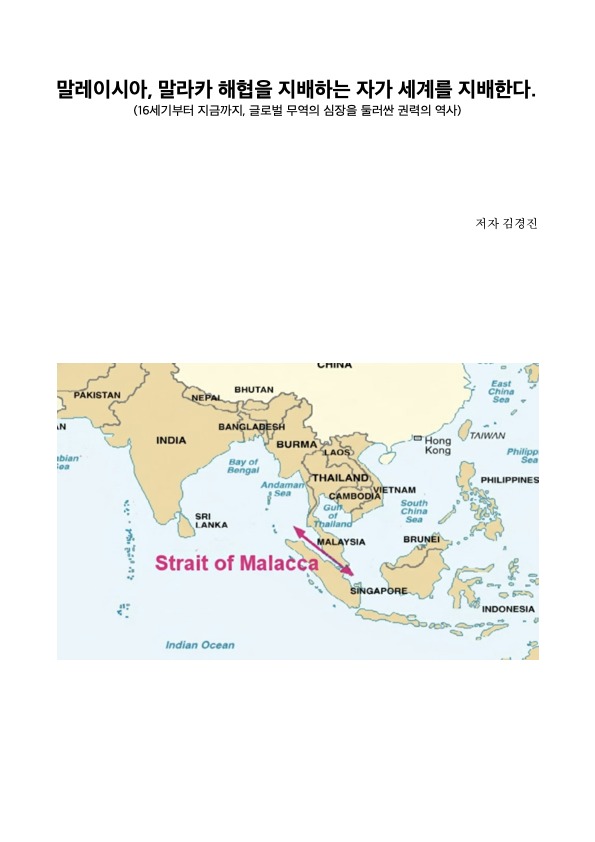
Malaysia and the Malacca Strait: Whoever Controls It Controls the World
Chapter 18: Anyone Can Backpack with GPT and Gemini
Kim Kyung-jin
Part 4: Major Cities and Tourism
AI Translates Every Language on Earth
The most frustrating moment in foreign travel comes when you hit a language barrier. You cannot read menus and feel lost deciding what to order, or you misunderstand street signs and bus announcements and get lost. But now a smartphone and AI are all you need to solve these problems easily.
Simply take a photo and upload it to an AI chatbot like Gemini, ChatGPT, or Claude. The advantage of this method is that it does not just translate text but understands the situation and offers advice as well.
You Can Ask for Food Recommendations from Local Menus
In a restaurant, take a photo of the menu and ask the AI, "Recommend dishes that vegetarians can eat from this menu." The AI translates the menu, selects and recommends vegetarian options, and explains the characteristics of each dish.
You can also ask specific questions like "I have an allergy. Does this dish contain peanuts?"
You can also ask for recommendations suited to Korean tastes. If the menu shows prices in local currency, just photograph and upload it, then say "Check the exchange rate through an internet search and tell me how much it costs in Korean won." That is all you need to do.
Useful for Checking Schedules at Train Stations and Bus Stops
Photograph a schedule and ask, "Find buses to the airport after 3 p.m." The AI analyzes the schedule and gives you the bus number, departure time, and fare. When you cannot understand train tickets or airline tickets in the local language, photograph them and ask, "Find the seat number and platform on this ticket." You get an immediate answer.
When purchasing airline tickets or train and bus tickets at the counter, even if you do not know the local language, you can input in Korean and ask for the content to be translated and displayed in the local language. Then show the text displayed on the screen to the counter staff. When locals try to explain something, turn on the microphone in the GPT or Gemini app and hold it up to understand and display the local language. When you ask for that content to be translated into Korean, instant conversation and communication becomes possible.
You Can Get Translations of Historical Site Descriptions and Request Additional Background Information
When you see a historical building or sculpture at a tourist site and are curious, AI serves as an excellent guide. Photograph a building or statue and say "Explain what this is." The AI tells you the history and significance of the building and things to watch for when visiting. When a description next to an artwork in a museum or gallery is only in the local language, photographing the placard and requesting a translation allows you to appreciate the artwork more deeply.
AI Translation Is Essential When Shopping
When ingredient lists or usage instructions for cosmetics or food are only in the local language, photograph them and ask, "Explain this product's ingredients and usage method in Korean."
It Is Also Useful at Hospitals and Pharmacies
At a pharmacy, it is especially important. Send a photograph of the medication instructions and ask, "Tell me this medication's benefits, side effects, and how to take it." You can purchase medicine safely.
How to Use Appliances Like Washing Machines and Air Conditioners at Your Lodging
Even when control buttons are labeled in unfamiliar foreign languages, photograph the control panel and ask the AI, and it will explain the function of each button. If something appears broken, you can ask the AI to analyze the symptoms of any device and tell you how to fix it.
You Can Ask About Fruits, Ingredients, Plants, and Animals
When you discover unfamiliar fruits or ingredients at a local supermarket, photograph them and ask, "What is this and how do I eat it?" You can learn cooking methods too.
There are many ways to use AI for travel information search. Before your trip, ask the AI, "I am going to travel in Yerevan for three days. Create a recommended itinerary. I like historical sites and local food." You can receive a customized travel plan. After arriving locally, you can get real-time information by asking, "Recommend a local restaurant near Republic Square where I can have dinner now."
Photograph the sign of an interesting shop or restaurant you find while walking and ask, "Tell me about this store and its reviews." The AI recognizes the shop name and finds related information. When you see a local newspaper or poster and are curious about what event it is, photograph it and ask the AI about it, and you can learn the event details and how to participate.
In emergencies, AI photo translation becomes a lifeline. When you receive a diagnosis or prescription from a hospital but it is only in the local language, you can photograph and translate it to accurately understand your health status. Similarly, you can translate and understand documents received from a police station or embassy.
You Can Ask for Local Directions and Route Finding
Without necessarily using Google Maps, you can get information about how to move from one place to another, travel routes, and nearby restaurants. In particular, Gemini, an AI released by Google that has learned well from Google Maps data, can provide even more useful answers in this case. However, Google Maps is still more accurate overall.
To use these AI features, you need some preparation.
First, before leaving your country, install Gemini, ChatGPT, or Claude apps on your smartphone and familiarize yourself with how to use them.
It is also important to prepare for international data roaming or local SIM cards and eSIM to secure internet connectivity while abroad.
If you travel in areas with unstable internet, it is good to download offline language packs for Google Translate in advance or save important information as screenshots. When taking photos, focus to make text clear and secure sufficient lighting so the AI can recognize it accurately. If a menu or sign is too long, divide it into multiple photos and upload them in order.
AI photo translation and information search have become essential tools for international travel. You can take on challenges you hesitated about due to language barriers, travel freely like a local, and remain calm even in unexpected situations. In an age when a single smartphone makes the whole world your playground, embark on a richer journey with AI.
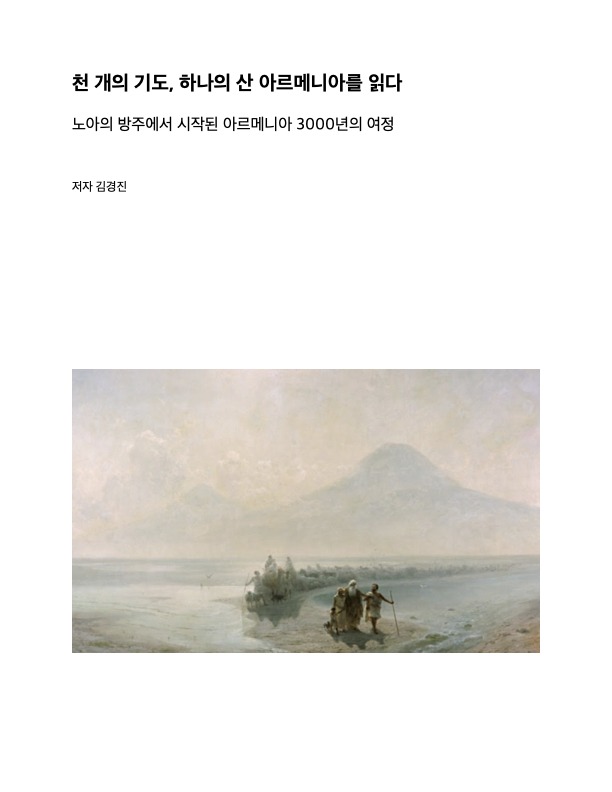
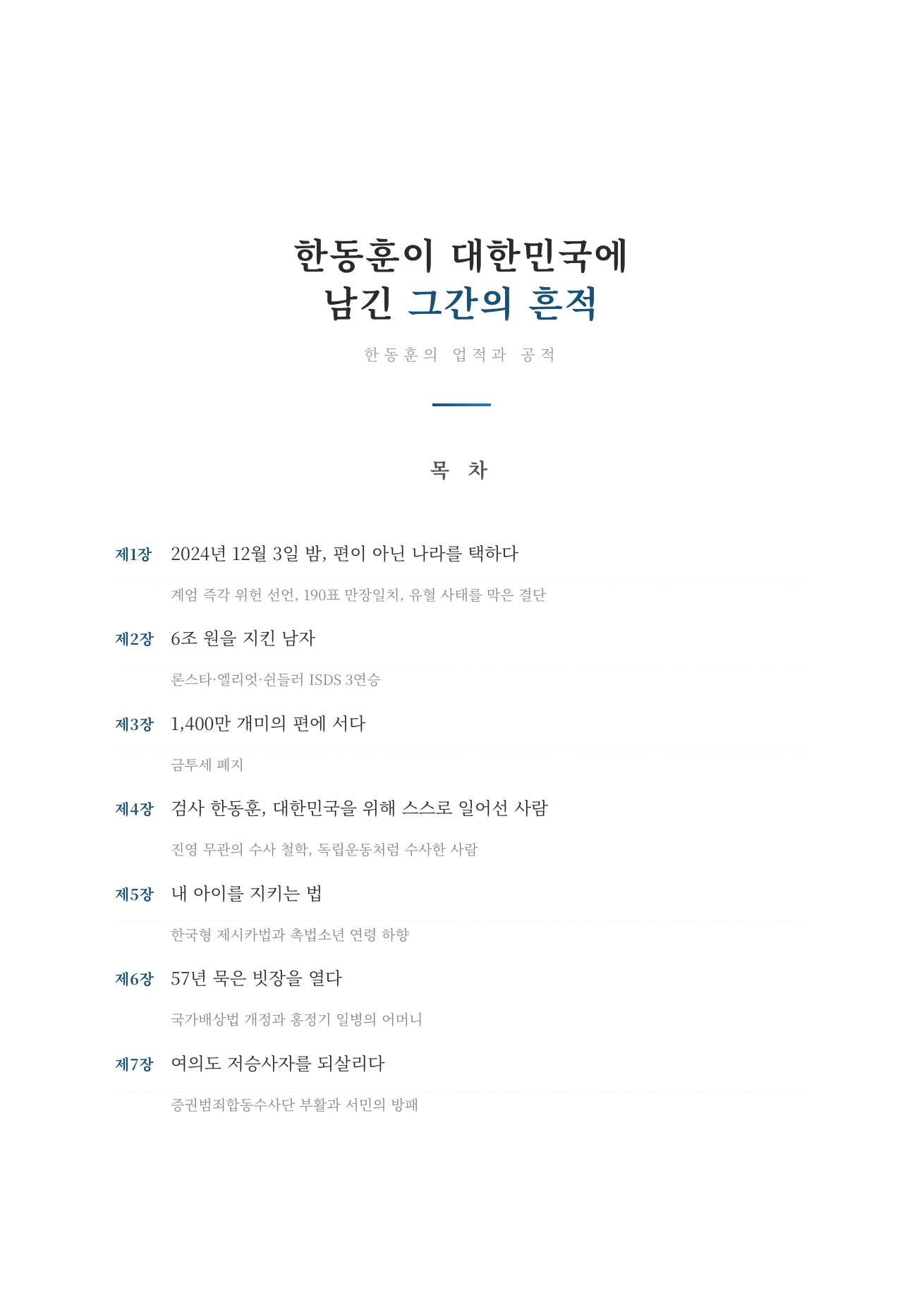
The commands shown in the photo are Armenian language translations, but AI has sufficient translation capabilities for Malay, Thai, Khmer, Georgian, Thai, and all languages throughout the world.
Kim Kyung-jin
Attorney · Former Member of the National Assembly · AI Policy Researcher
© 2026 Kim Kyung-jin. All rights reserved.