AI Library
The Age of Autonomous Scientific Discovery
Kim Kyung-jin, Attorney at Law
AI Scientists and Self-Driving Labs
This book follows how AI scientists and self-driving labs are changing the way science generates and verifies claims. It covers literature-based discovery, natural-language protocols translated into robot commands, multi-agent research systems, closed-loop laboratories, materials search, the verification gap, chains of evidence, research harnesses, journal ethics, and legal responsibility.
AI Library
A New Era of Life Sciences Opened by Artificial Intelligence
Structural Proteomics, Genomic Foundation Models, Autonomous Laboratories, and Global Governance
Kim Kyung-jin, Attorney at Law
This book is a research volume compiled with artificial intelligence. A human selected the materials and structured the work, while AI models drafted the sentences and cross-checked the facts.

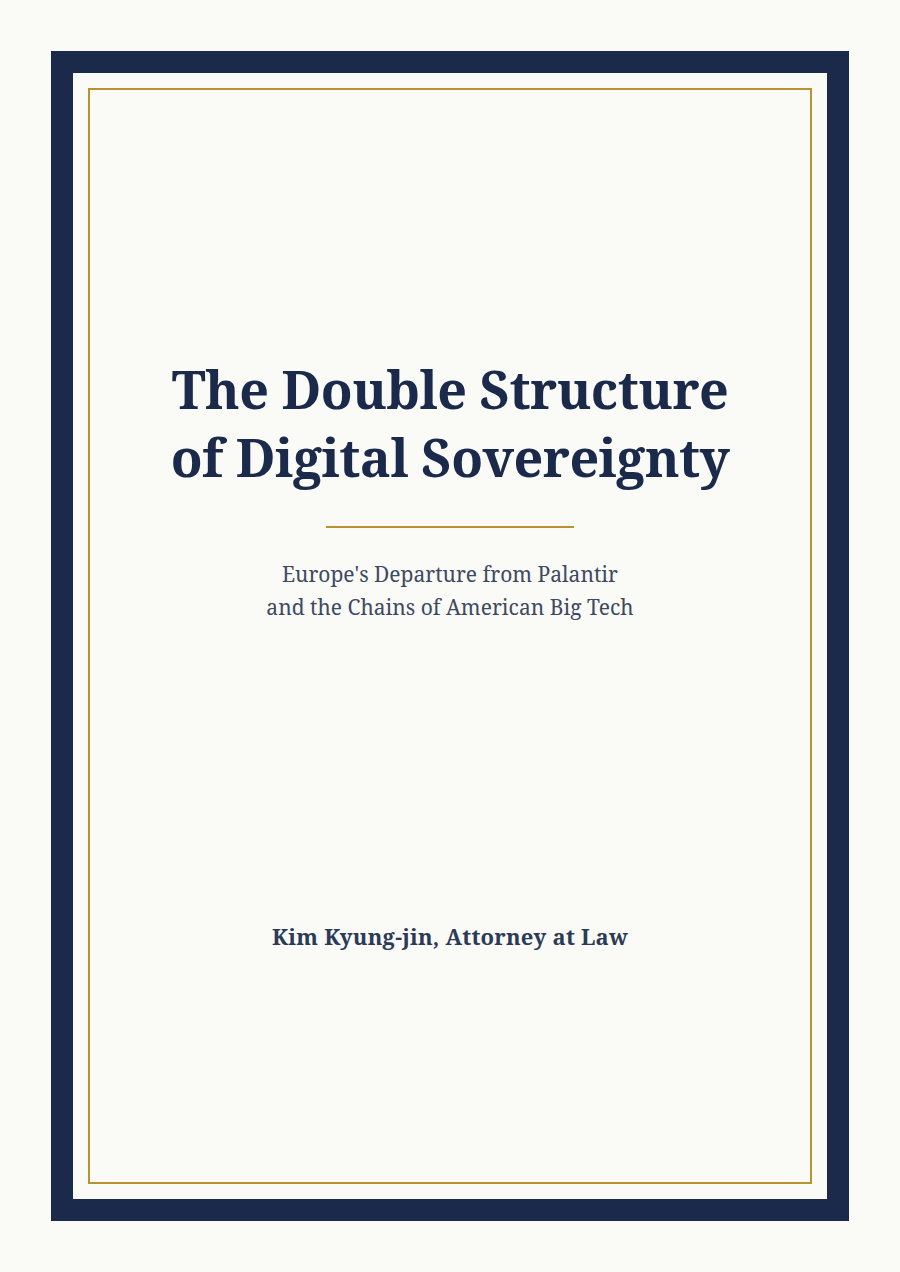
AI Library
The Double Structure of Digital Sovereignty
Europe’s Departure from Palantir and the Chains of American Big Tech
Kim Kyung-jin, Attorney at Law
This is a record of 2026, when European intelligence agencies and defense ministries began removing analytics tools from America’s Palantir. It covers the replacement decisions made by France’s General Directorate for Internal Security (DGSI), Germany’s Federal Office for the Protection of the Constitution (BfV), and the Netherlands Ministry of Defense; the incident in which US export controls severed an ally’s ac…
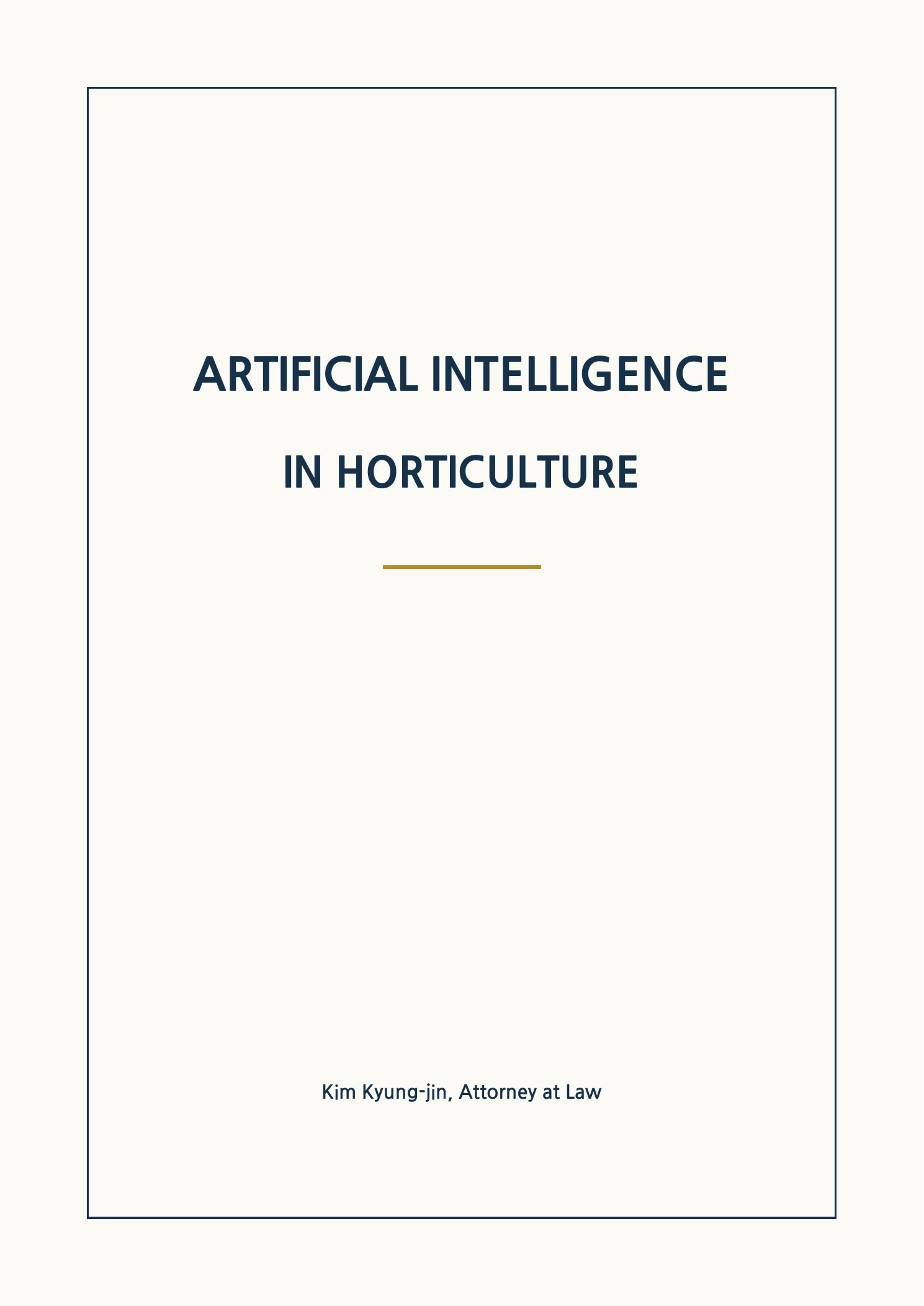
New English Edition
Artificial Intelligence in Horticulture
Kim Kyung-jin, Attorney at Law
Across five chapters and ten sections, this book examines computer vision for crop diagnosis, harvesting robots and autonomous field systems, smart greenhouses and digital twins, precision irrigation and supply-chain quality control, high-throughput phenotyping, and predictive breeding.
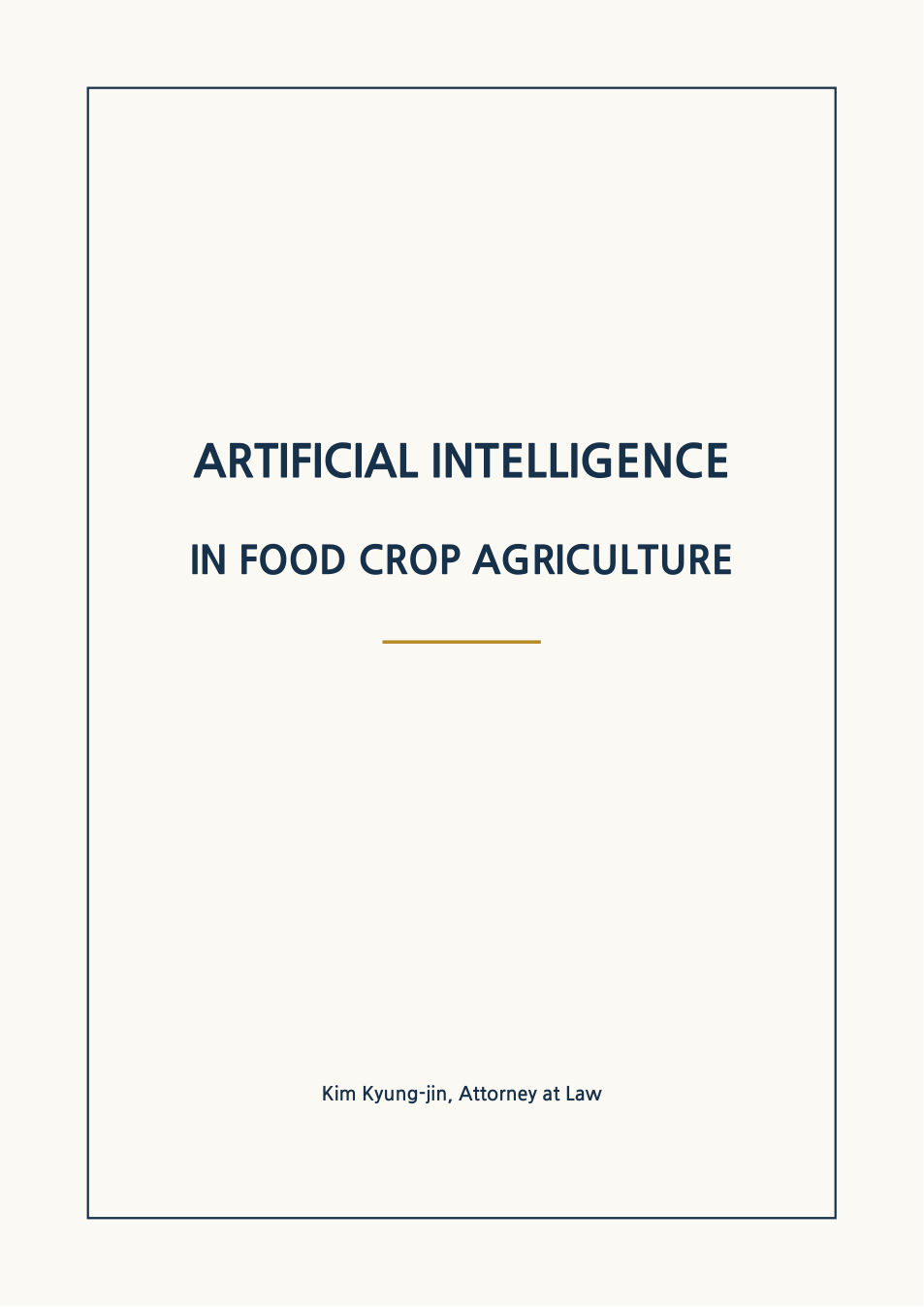
New English Edition
Artificial Intelligence in Food Crop Agriculture
Kim Kyung-jin, Attorney at Law
Across six chapters and eighteen sections, the book examines digital agricultural infrastructure, remote sensing, crop diagnosis, yield forecasting, precision irrigation, genomics, molecular breeding, agricultural robotics, climate-smart agriculture, and global food security.
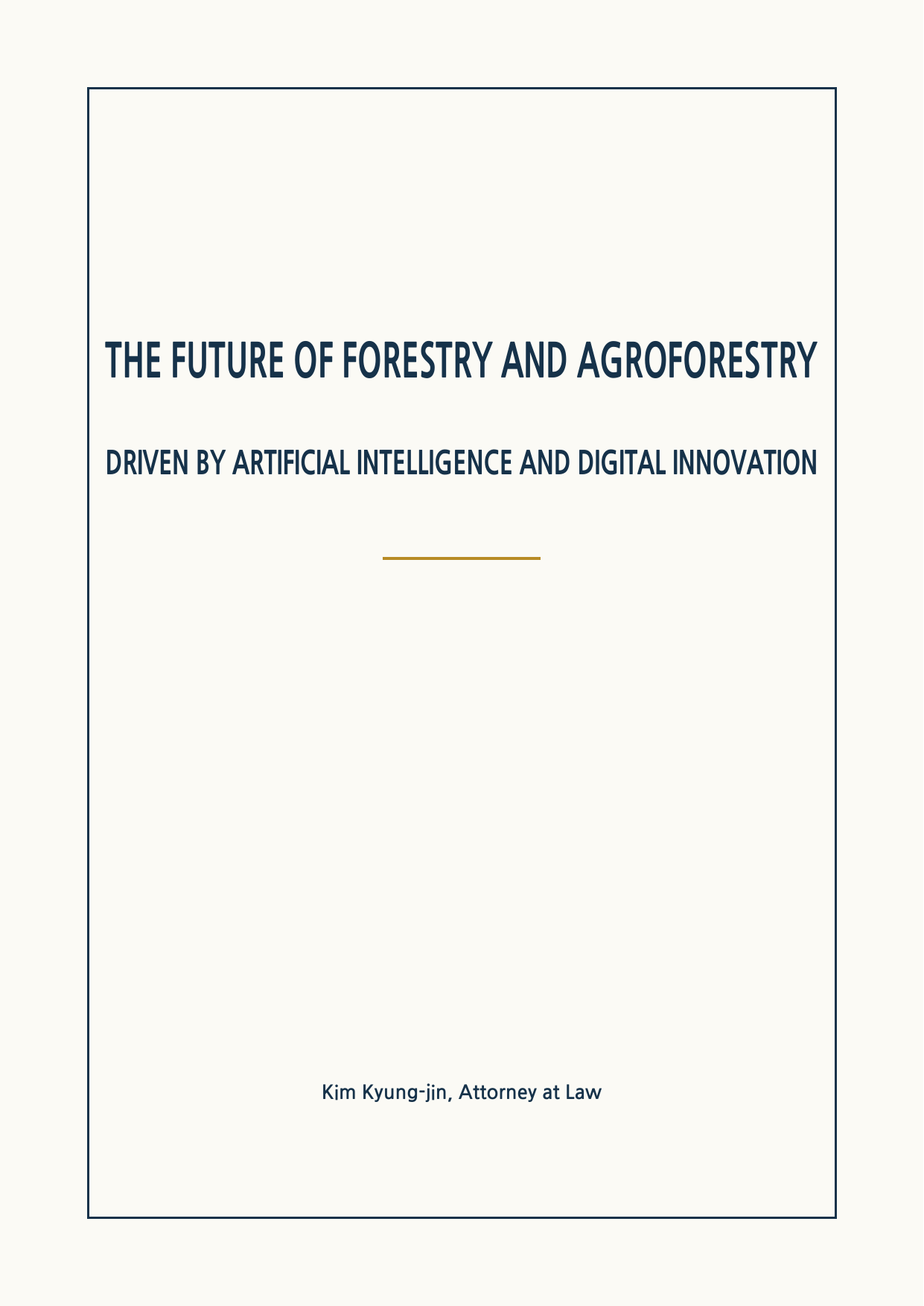
New English Edition
The Future of Forestry and Agroforestry
Kim Kyung-jin, Attorney at Law
Driven by Artificial Intelligence and Digital Innovation
Across five chapters and fifteen sections, the book follows satellites, drones, LiDAR, digital twins, forest-specific language models, wildfire and pest forecasting, forestry robotics, agroforestry, timber traceability, and forest carbon markets.

New English Edition
Smart Livestock Farming: AI Enters the Barn
Kim Kyung-jin, Attorney at Law
Sensors listen, cameras watch, and artificial intelligence helps farmers decide.
Across five chapters and fifteen sections, the book follows precision livestock farming from animal health and reproduction to robotic milking, virtual fencing, digital twins, methane reduction, welfare, and data ownership.
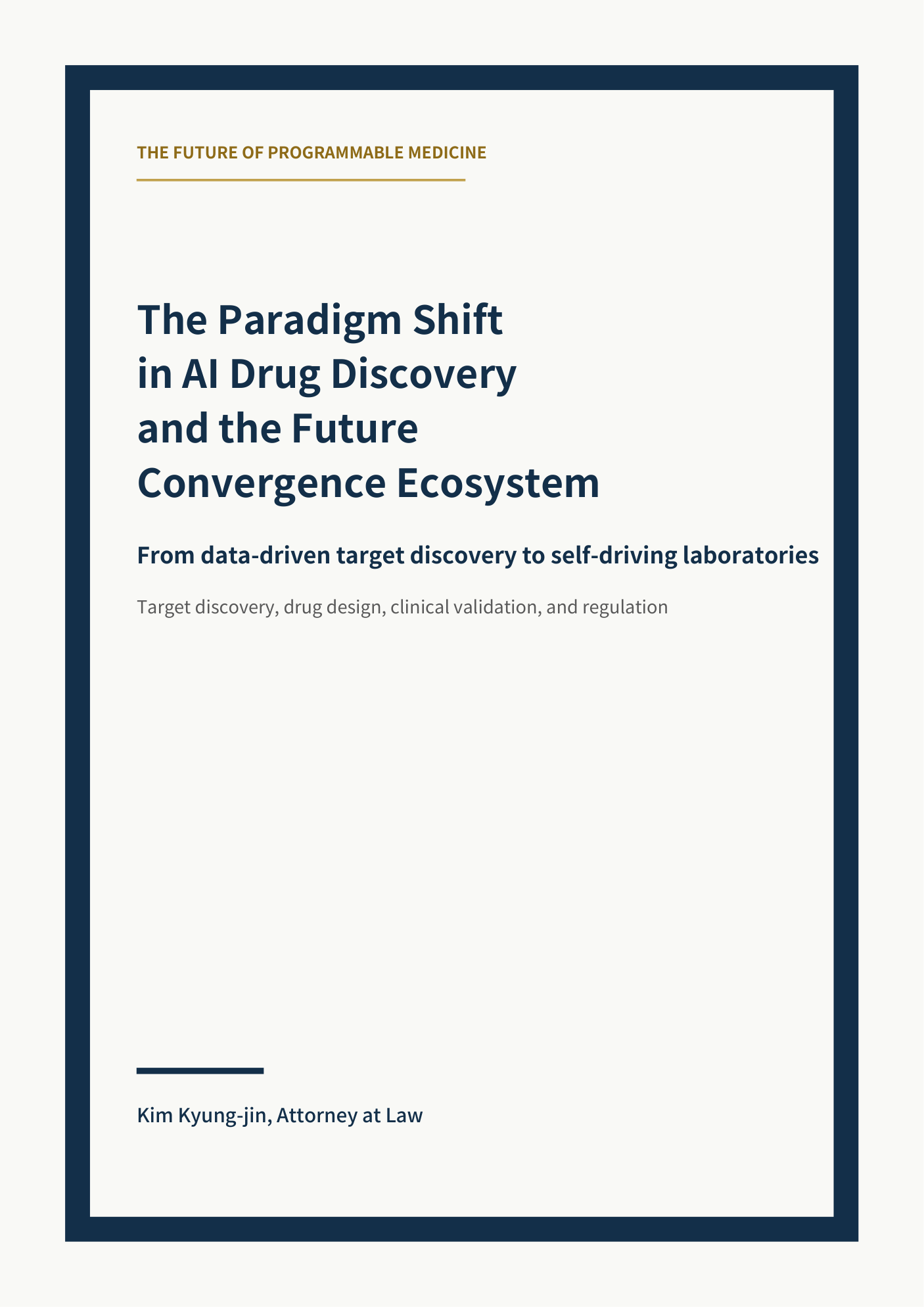
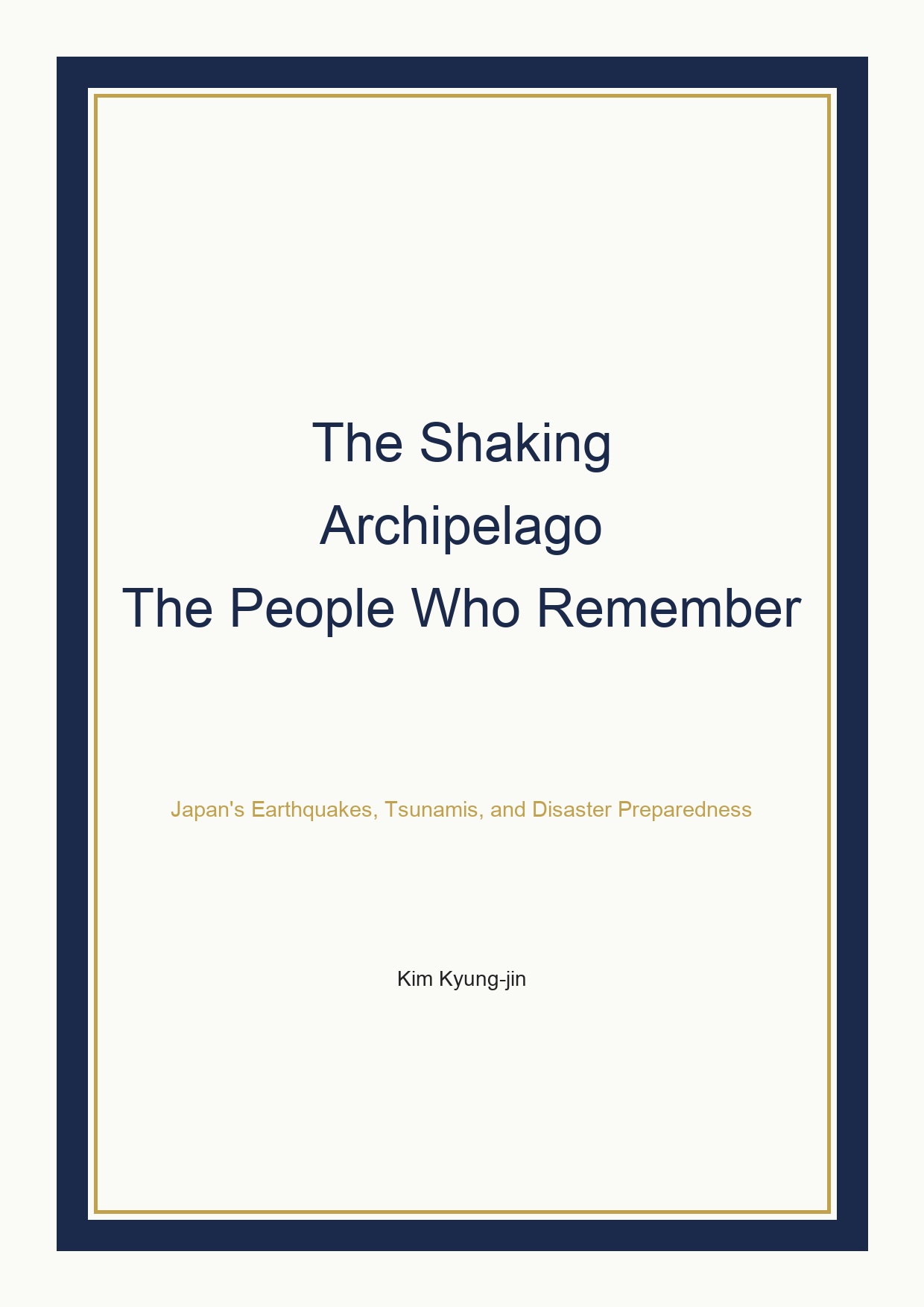
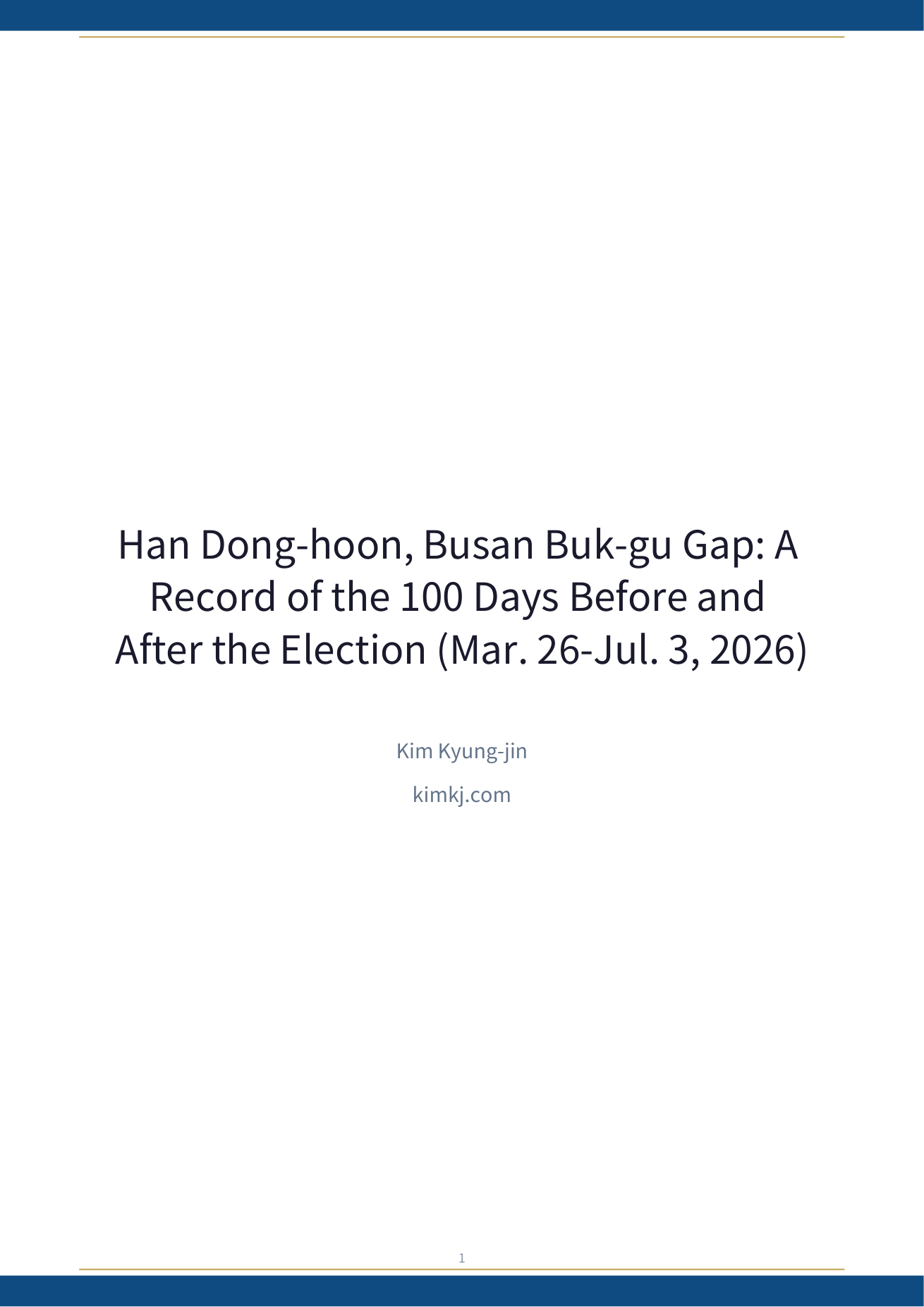
Table of Contents
Han Dong-hoon, Busan Buk-gu Gap: A Record of the 100 Days Before and After the Election (Mar. 26-Jul. 3, 2026)
Kim Kyung-jin
Table of Contents and 13 sections
From March 26 to July 3, 2026, this record follows the spring after expulsion, the Busan Buk-gu Gap by-election, victory as an independent, and the first bill submitted in the National Assembly.
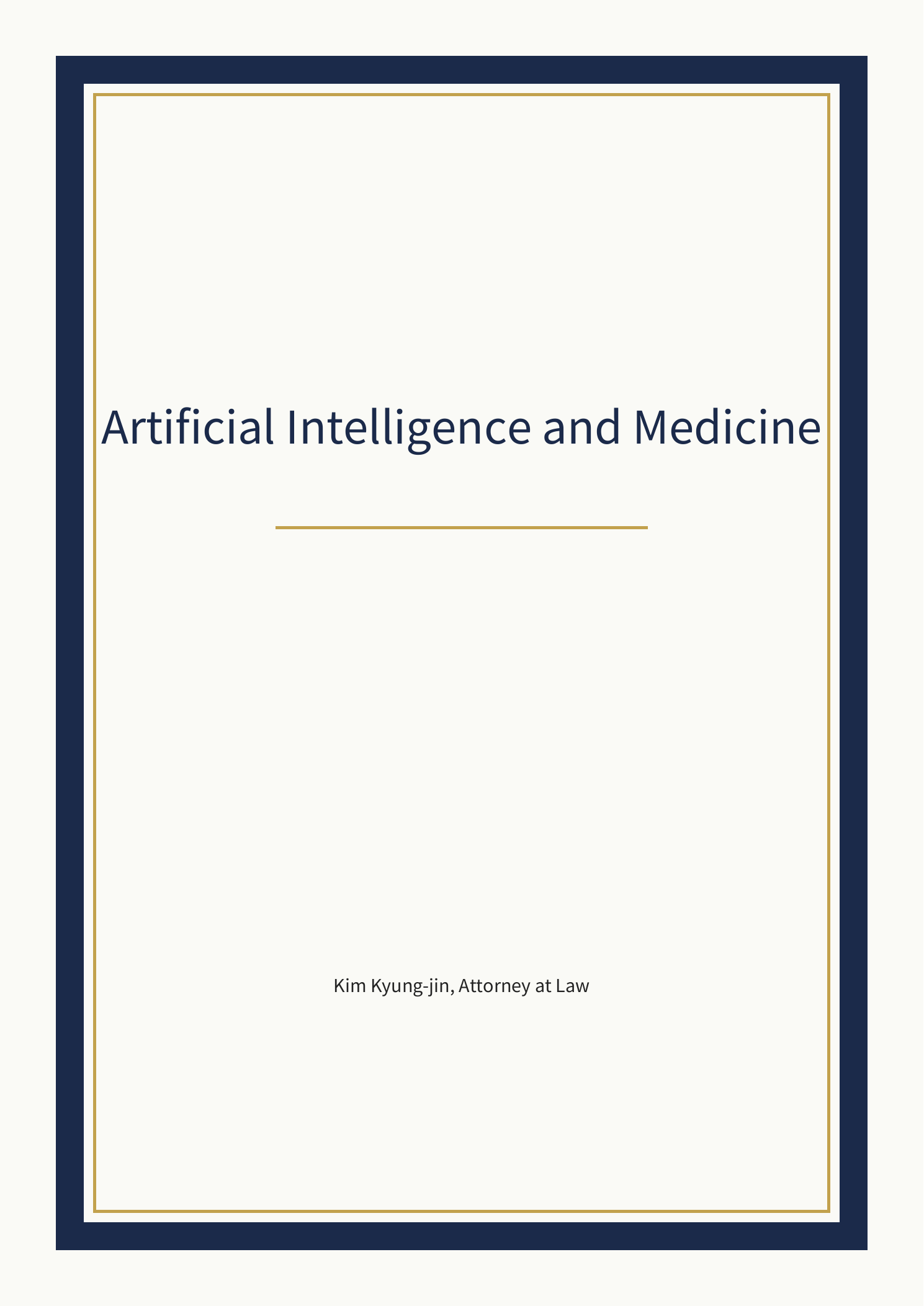
Table of Contents
Artificial Intelligence and Medicine
Kim Kyung-jin, Attorney at Law
AI in clinical care, hospitals, education, and research
AI in medical imaging, risk prediction, treatment planning, hospital operations, education, and research, with patient safety, privacy, and accountability.


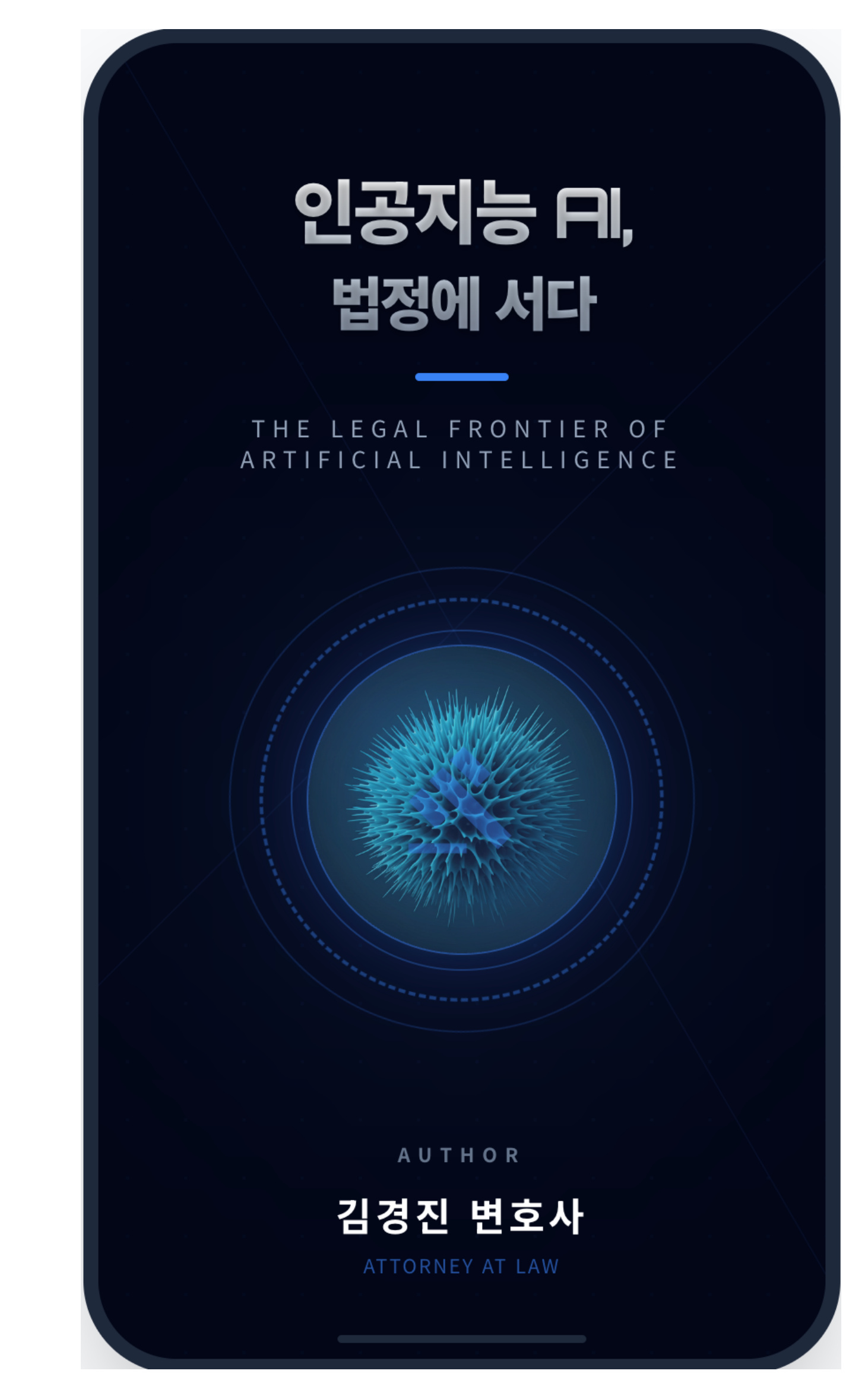

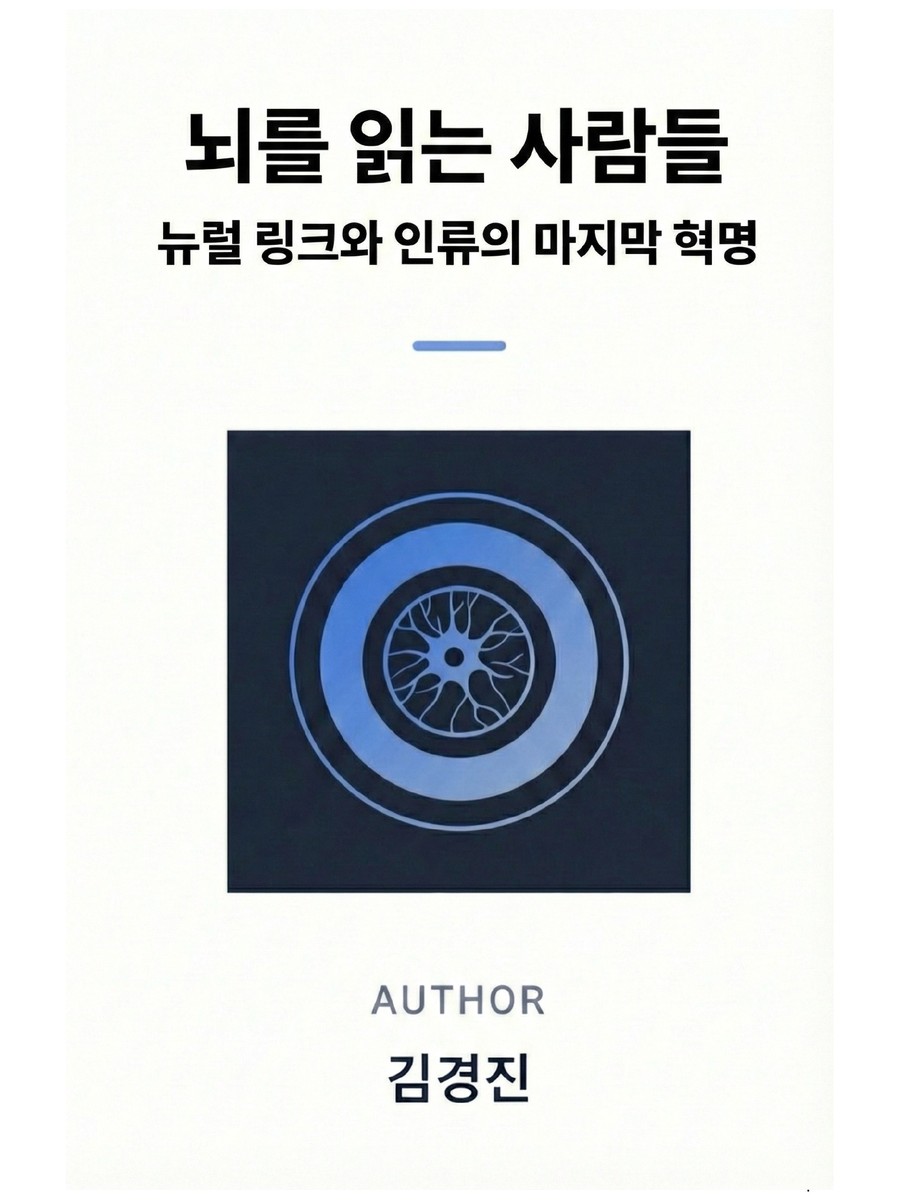
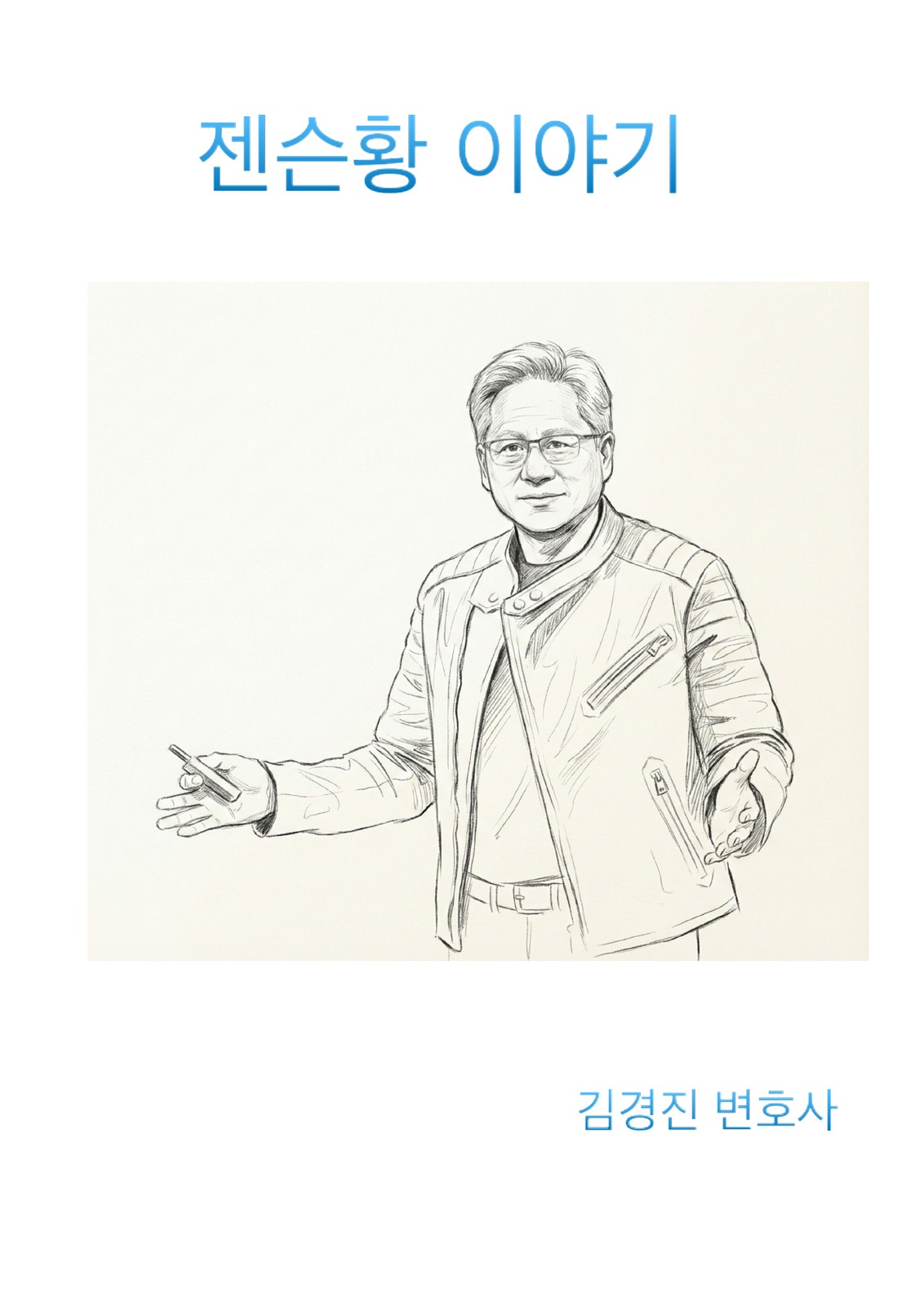




[AI Library] Chapter 16: Challenges and Fractures
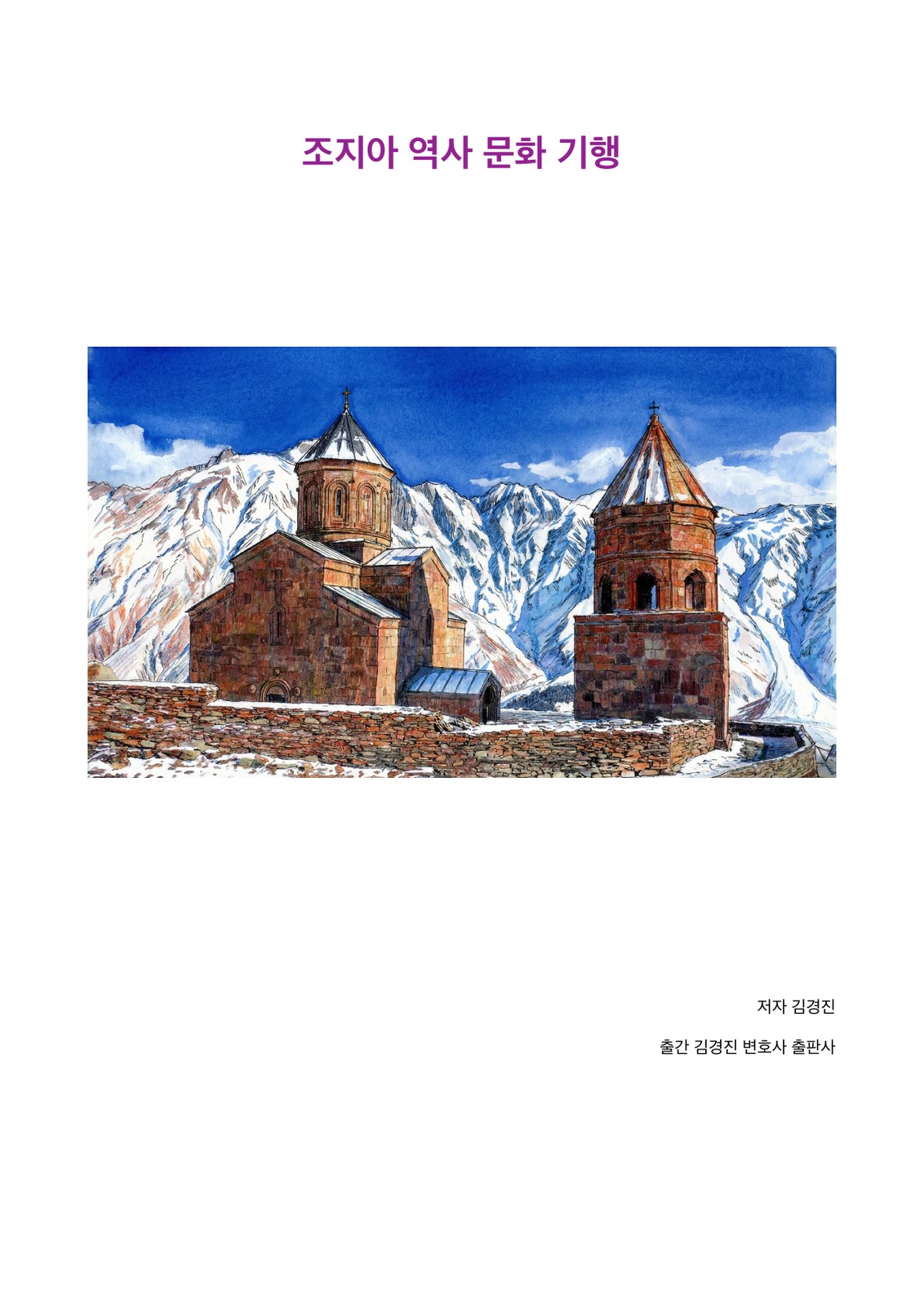
A Journey Through Georgia's History and Culture
Chapter 16: Challenges and Fractures
Kim Kyung-jin
Georgia is a land that holds wine, snowy mountains, and the glory of five thousand years of civilization. Tourists relieve their fatigue in Tbilisi's sulfur hot springs, grow intoxicated with Qvevri wine from Kakheti, and marvel at the majestic Caucasus landscape. Yet behind this beautiful scenery lies a deep fracture in Georgian society. Young people leave their hometowns searching for work, fierce conflicts erupt between religion and human rights, and the ghosts of the past still wander through the present. In this chapter, we examine the inner workings of Georgian society. Together, we will look at the people behind the statistics, their voices and struggles.
A. Youth Unemployment and the Crisis of Population Outflow
(1) The Paradox of Growth Without Job Creation
Georgia's economic growth rate is not poor. In 2023 and 2024, gross domestic product grew steadily. Tourists flock to the country, foreign investment increases, and new buildings rise throughout cities. Yet something odd is happening. The economy is growing, but the lives of young people are not improving. Economists call this jobless growth.
As of 2024, Georgia's overall unemployment rate stands at 13.9 percent. Looking at this figure alone, it appears to have improved from the previous year. The real problem lies elsewhere. Among those aged 15 to 29, the proportion who are neither receiving education, nor receiving vocational training, nor working reaches 24.1 percent. These people are called NEET,Not in Education, Employment, or Training. Compared to the European Union average of 11 percent, this is more than double.
The reality that numbers reveal is harsh. One in four Georgian youth lacks even the opportunity to prepare for the future. Even after graduating from university, they work in low-wage service jobs unrelated to their major or fail to find work at all, depending on their parents. When this situation continues for a year, two years, people lose hope. Those who lose hope depart.
(2) The Disconnect Between Technology and Education
Why does the economy grow while jobs do not increase? There are many causes, but the most deep-rooted problem is skills mismatch,a disconnect between the abilities businesses want and the abilities job seekers possess.
IT companies in Tbilisi cannot find programmers and grow frustrated. Hotels in Batumi find it difficult to locate service staff skilled in foreign languages. Yet universities still rely on textbooks from dec
ades past to teach theory. There is no dialogue between industry and educational institutions. Businesses complain that there are no usable workers, and graduates lament that there are no jobs. Both statements are correct, and both miss the substance of the problem.
Starting in 2024, the Georgian government established a vocational education strategy to apply through 2030. The plan is to train technical workers and bridge the industrial field with the educational field. Yet the response from practitioners is cold. Private companies are reluctant to participate in vocational training programs. Training facilities are outdated, and educational curricula fail to keep pace with market changes. The policy sits on paper while young people remain on the streets.
(3) People Who Leave, Villages That Empty
People go where there is work. First, they leave villages for cities. More than one-third of Georgia's population has concentrated in the capital, Tbilisi. Provincial cities are declining, and villages in mountain regions stand empty. When you travel through highland areas like Svaneti and Tusheti, you easily find abandoned houses within beautiful landscapes. The young people who grew up in those houses have left for cities or beyond the borders.
Those who cannot find opportunity even in the cities leave farther away. According to data from the Georgian Statistics Office (Geostat), the number of people leaving the country in 2023 was 245,064, nearly double the previous year. Net outflow, that is
the number of people who left minus those who returned, is 71,584. Of this, the working-age population from 15 to 64 years old accounts for 62.2 percent.
There is a more alarming statistic. Net outflow among those aged 0 to 19 reaches 63,567 people. This does not mean young people are leaving individually, but rather entire families with young children are departing Georgia. An entire future generation is leaving wholesale.
(4) An Exit Toward Europe
Why do people leave? The most direct reason is money. Georgia's average monthly salary is between 800 and 900 euros. In Korean won, approximately 1.2 million. In Germany or England, you can earn three or four times as much. For the same work, compensation differs.
Davit, a twenty-six-year-old who graduated from the Department of Economics at Tbilisi State University, left for Germany in 2024. His words were these:
"In Georgia, if you pay rent from your salary, there is nothing left. I need to save money while living in my parents' house, but there is no money to save. If I work in Germany for just three years, I can buy a small apartment in Tbilisi. I did not want to leave my homeland, but there was no choice."
For young people like Davit, the European Union is not merely a political ideal. It is an exit for survival. If Georgia joins the EU, people can work anywhere in Europe without a visa. Degrees are recognized. The door to opportunity opens. That is why EU membership is not just a political debate but a desperate need of young people.
(5) The Two Faces of Remittance Economy
Money sent home by Georgians who have left for abroad, that is, international remittances, is a crucial pillar of Georgia's economy. More than one million Georgians work abroad and send money to their families. With this money, elderly parents live, younger siblings pay tuition, and families repair homes.
Yet the remittance economy has a dark side as well. When parents leave abroad to earn money, children grow up in the care of grandparents. Family structures dissolve. Families dependent on remittances sometimes lose the will to achieve economic independence themselves. The thought that "money comes from abroad" dampens the desire to start businesses or seek employment.
At the national level, deeper problems emerge. When highly educated and skilled workers leave, the innovation capacity of domestic industry suffers. When fewer people pay taxes, government finances weaken. When the working-age population shrinks, pensions and welfare systems face mounting pressure. A society where young people depart and the elderly remain loses its vitality.
(6) Young People Pushed Out by Political Instability
It is not only economic. Since 2024, as Georgia's political situation deteriorated sharply, youth emigration has accelerated further. When the ruling party Georgian Dream passed the Foreign Agents Law and announced the suspension of EU accession negotiations, the young generation that had dreamed of a European future was stunned.
"Our government has closed the door to Europe. So we have no choice but to open that door ourselves. We will get visas, we will get scholarships, and we will go to Europe one way or another."
These are the words of Mariam, a twenty-two-year-old university student. She is learning German. When she graduates, she plans to apply to German graduate schools. She has no intention of returning.
As such young people multiply, Georgia loses its future. Demographers warn that if current trends persist, Georgia's population could fall below three million by 2050. A small nation is becoming smaller.
(7) Comparison with Korea: Familiar Problems, Different Context
Korean readers will find this story familiar. Youth unemployment, concentration in the capital region, rural depopulation, low birth rates,the problems are strikingly similar to those Korea faces. The context, however, is different.
Korea's young people cluster around positions at major corporations and civil service exams. Georgia's young people cross borders. Korea's provinces lose population to Seoul. Georgia's provinces lose population to Tbilisi, and Tbilisi loses population to Europe. Korea is divided but ranks among the world's top ten economies. Georgia is a small nation struggling for survival with a fifth of its territory under Russian occupation.
Yet the fundamental question is the same. Can a nation have a future when its young people hold no hope? Korea must watch closely how Georgia answers this question.
B. The Clash Between LGBTQ+ Rights and Religious Conservatism
(1) Where Two Flags Meet
Rustaveli Avenue in central Tbilisi is where Georgian history unfolds. Soviet tanks crushed civilians there in 1989, the Rose Revolution began there in 2003, and protests against the Foreign Agents Law erupted there in 2024. On this street, two flags sometimes face each other.
On one side, rainbow flags flutter. Young activists demanding LGBTQ+ rights chant, "Love is love," "Stop discrimination." From the other side, people holding crosses and religious icons shout back, "Protect tradition," "Protect the family." Police erect barricades between the two groups. Tension runs high.
This scene reveals the sharpest fracture in modern Georgian society. The LGBTQ+ rights issue is not simply a human rights agenda. It is a fundamental conflict over where Georgia should go, what it must preserve, and what it must change.
(2) The Law Changed: 2024 'Family Values' Legislation
In September 2024, the Georgian parliament passed the 'Law on Family Values and Protection of Minors' package. Eighty-four votes in favor, zero against. Opposition members did not participate in the vote.
The law contains the following provisions.
Same-sex couples are prohibited from adopting children. Legal gender change is forbidden. Dissemination of LGBTQ+ information in schools and media is banned. Pride events, which are marches celebrating sexual minority dignity, are effectively criminalized.
The ruling party Georgian Dream argued that the bill was meant to protect Georgia's traditions and family from 'pseudo-liberal ideology.' Party chairman Bidzina Ivanishvili stated, 'The West is forcing LGBTQ+ propaganda as a condition for EU membership.' Government officials stressed that 'Georgia's identity and the Orthodox Church must be protected.'
The Venice Commission, Europe's legal advisory body, warned that the law does not meet European and international human rights standards. The EU stated that this legislation would be a serious obstacle in accession negotiations. The Georgian government ignored these criticisms and pushed the bill through.
(3) The Shadow of the Orthodox Church
To understand the LGBTQ+ issue in Georgia, one must first grasp the standing of the Georgian Orthodox Church.
Georgia was the second country in the world to adopt Christianity as its official religion. Since Saint Nino brought Christianity to Georgia in the early fourth century, for 1,700 years the Orthodox Church has been inseparable from Georgian identity. Through Mongol invasions, Persian rule, and Soviet religious persecution, the Orthodox Church remained the unifying force holding the Georgian nation together.
Today, more than 80 percent of Georgians are Orthodox Christians. Polls show that the Georgian Orthodox Church enjoys far greater trust than the president, parliament, or military. Patriarch Ilia II is called 'the father of Georgia' and commands absolute reverence.
The problem is that the Orthodox Church wields significant influence over social and political issues. The Church defines homosexuality as sinful. It treats the expansion of sexual minority rights as 'cultural invasion from the West.' The Church's position carries enormous weight with politicians. To win elections, candidates must gain Church support or at least avoid Church opposition.
(4) Memory of Violence: Tbilisi Pride
On July 5, 2021, Tbilisi was scheduled to hold a Pride event. Sexual minority rights organizations had prepared a peaceful march.
That morning, thousands of people dressed in black poured into the streets. Some wore clergy robes; others carried flags of far-right nationalist groups. Chanting 'Protect our children' and 'Stop LGBT,' they marched toward the Pride venue.
Violence erupted. People carrying rainbow flags were beaten. About fifty journalists covering the event came under attack. One cameraman was severely beaten and died days later. Police failed to provide adequate protection. The Pride event was canceled.
Similar incidents repeated in 2023. Each time an event was planned, threats of violence followed, and organizers had to scale back or cancel events because they could not guarantee participant safety.
Human Rights Watch criticized the Georgian government for failing to protect sexual minorities. Investigations and prosecutions of violent perpetrators were insufficient. High-ranking officials faced no consequences for making homophobic remarks.
(5) Young People Between Two Worlds
Georgian society views this issue differently across generations.
In older generations and rural areas, rejection of homosexuality is strong. Some polls show that 84 percent of the population opposes same-sex relationships. For them, sexual minority rights are a foreign concept, viewed as 'corruption imported from the West.'
Some young people in cities, however, think differently. Connected to the world through the internet, they value diversity and human rights. Around the university district in Tbilisi are cafes and clubs friendly to sexual minorities. The techno club Bassiani is emblematic of this. There, young people enjoy music and dance regardless of gender or sexual orientation.
Yet these spaces are confined to parts of Tbilisi. Outside the capital, the atmosphere is entirely different. If a person is outed as gay in a rural village, they risk being abandoned by family and expelled from the community. Many sexual minorities hide their identity. Some marry people of the opposite sex under pressure.
(6) Human Rights Weaponized
The unfortunate reality is that sexual minority issues have become political tools.
The ruling party Georgian Dream actively deploys anti-LGBTQ+ rhetoric to mobilize conservative voters. It secures election votes through the message 'We protect Georgia's traditions' and 'We will not yield to Western pressure.' By linking EU membership conditions to sexual minority rights, it brands pro-Western civil society as 'foreign agents' and 'destroyers of tradition.'
The opposition is not free from this problem either. Some opposition politicians are passive in defending sexual minority rights, fearing electoral losses. The calculation 'We might lose votes' takes precedence over principle.
Ultimately, the ones who suffer are sexual minority citizens actually experiencing discrimination and violence. Their lives have become raw material for political games.
(7) At Europe's Threshold
The issue of LGBTQ+ rights also affects Georgia's integration into Europe.
The EU requires human rights, democracy, and rule of law as conditions for membership. Prohibition of discrimination against sexual minorities is part of this. The 2024 anti-LGBTQ+ legislation directly conflicts with EU values. The European Commission warned that the bill would be a serious obstacle in accession talks.
The Georgian government counters by calling it a 'domestic matter.' But the EU does not excuse human rights issues on grounds of domestic sovereignty. When Poland and Hungary pursued similar legislation, the EU criticized them sharply and imposed sanctions.
Georgia stands at a crossroads. To become part of Europe, it must accept European values. If it justifies discrimination in the name of protecting tradition, Europe's door will close. The problem is that this choice requires not just government decision but society-wide consensus.
(8) Comparison with South Korea
In South Korea, too, sexual minority rights is a heated point of contention. Each year, Queer Parades are held in Seoul and other cities, alongside opposing rallies. Debate over enacting comprehensive anti-discrimination legislation has continued for years. Conservative Christian groups strongly oppose it, while human rights groups call for its passage.
The similarity with Georgia is that religion and tradition play large roles in the debate. The difference is that violence is relatively rare in South Korea, and legal sanctions have not yet been enforced. South Korean sexual minorities experience discrimination, but the parliament has not passed explicit repressive legislation as Georgia has.
In both countries, this issue reflects generational conflict, conflict between religion and secularism, and conflict over the pace of social change. What kind of society do we want to become? The answer to this question is still unfolding.
C. Complex Views on Stalin, the Dictator from Gori
(1) Gori, the Hometown of a Dictator
An hour's drive west of Tbilisi lies the city of Gori, a town of about fifty thousand people. It is a place with a painful history, having been occupied by Russian forces during the 2008 Russian-Georgian War.
What made Gori world-famous is a figure known as either a giant or a monster in twentieth-century history: Ioseb Besarionis dze Jughashvili, more commonly known to the world as Stalin.
In downtown Gori stands the Stalin Museum, built in 1957. On display are Stalin's birthplace, personal belongings, photographs, and the private rail car he last used. Tens of thousands of tourists visit each year. Gift shops sell t-shirts, mugs, and wine labels bearing Stalin's face.
Foreign tourists are bewildered. The face of a dictator who killed tens of millions is sold as merchandise, and his birthplace is preserved like a shrine. The question naturally arises: 'How is this possible?'
(2) Hero or Mass Murderer?
For Georgians, Stalin is an object of conflicted emotion.
On one side, Stalin is a source of pride. Born the son of a poor shoemaker, he became the leader of a global superpower. In World War II, he brought down Nazi Germany. The fact that a man from the small nation of Georgia came to rule the world stirs national pride in some Georgians.
A 2023 joint survey by the Caucasus Research Resource Centers (CRRC) and the Zinc Network found that 37 percent of respondents agreed with the statement "Every Georgian patriot should be proud of Stalin." More than one in three Georgians regard Stalin with pride.
Listening to the voices of elderly residents in the Gori region reveals where this perception comes from.
"Stalin was a son of Georgia. He did bad things, but he also did great things. He won the war, didn't he? He made the Soviet Union a superpower."
Grandfather Vachuki, eighty-two years old, sat on a bench in front of the museum and spoke these words. For him, the Stalin era is remembered as a time when the Soviet Union was strong, when there were jobs, and when there was order.
(3) Memories in Blood
On the other side, Stalin is a nightmare.
During Stalin's rule, millions were killed or sent to the gulags, forced labor camps. Between 1936 and 1938, during the Great Purge, terror reached its height. Georgia was no exception. Georgian intellectuals, artists, and nationalists were branded as "enemies of the people" and either executed or dragged off to Siberia.
Stalin did not hesitate to suppress fellow Georgians. Some analysts argue that he treated them even more harshly in order to avoid suspicion. In the 1920s, when the Georgian Democratic Republic was forcibly incorporated into the Soviet Union, Stalin played an active role. The person who crushed Georgia's independence was none other than a Georgian himself.
For the younger generation and intellectuals, Stalin is a symbol of this history. Nino, a historian of thirty-one, speaks in this way.
"Proud of Stalin? Don't they know what he did to our ancestors? Our great-grandfather never came back from Siberia. I feel sick when I see the Stalin Museum."
(4) The War Over the Statues
The war over memory manifests physically around statues.
During the Soviet era, Stalin statues were erected throughout Georgia. After the Soviet Union's collapse, most were torn down. Yet a massive Stalin statue remained in the central square of Gori. In 2010, the Saakashvili government removed this statue. It was a symbolic act of desovietization. The removal took place secretly in the dead of night, and Gori residents discovered an empty pedestal the next morning.
Reactions among local residents were mixed. Some welcomed it, others were angry. There was also resistance, with people saying "outsiders are meddling carelessly with our history."
After the change of government in 2012, Stalin statues began to be erected again in some rural villages. Pro-Russian sentiment was lifting its head. In January 2024, the Polish ambassador called for the closure of the Stalin Museum in Gori, sparking controversy. Pushback that "a foreign country is interfering in our history" collided with criticism that "glorifying a dictator is shameful."
(5) Stalin and the Digital Generation
The war over memory is not confined to museums. It exists on social media as well.
According to analysis by the Digital Forensic Research Lab (DFRLab), content mythologizing Stalin is spreading on TikTok in Georgia. Videos portraying Stalin as a pious, cultured, and powerful leader are shared among young users.
Why are twenty-first-century young people drawn to a twentieth-century dictator? Analysts point to several factors.
First is present-day anxiety. When the economy is unstable and politics chaotic, people feel nostalgia for a "strong leader." The fantasy that "there was order in Stalin's time" takes hold.
Second is the absence of historical education. Schools in Georgia do not adequately teach the crimes of the Stalin era. Many young people know little about the Great Purge or the gulags.
Third is Russian influence. The Russian government encourages positive narratives about Stalin. It emphasizes victory in World War II and highlights Stalin as "the commanding general of victory." These narratives penetrate Georgia as well.
(6) The Museum's Dilemma
The Stalin Museum in Gori reflects Georgia's historical dilemma in condensed form.
The museum lists Stalin's accomplishments in the same manner as the Soviet era. His achievements are emphasized, while his crimes are minimized or omitted. The display honoring victims is minimal. Critics call this a distortion of history.
Shortly after the 2008 Russia-Georgia war, the then Minister of Culture announced plans to transform this museum into a "Museum of Russian Invasion." The goal was to create a space that would expose Stalin's crimes and warn of the Russian threat. A banner alerting visitors to Stalin's crimes was installed at the entrance.
However, the plan stalled. Local opposition, concern about tourism revenue, and changes in government all converged. By 2017, even the banner was removed. The museum remains in an ambiguous state.
(7) Between Past and Future
The Stalin question is not simply about how to remember history. It is about what kind of nation Georgia wants to become.
Remembering Stalin as a hero connects to a shared past with Russia, the legacy of the Soviet Union, and longing for a strong state. Remembering Stalin as a criminal connects to a break with Russia, the value of independence, and the importance of democracy and human rights.
Georgian society today is divided between these two directions. The ruling party does not explicitly defend Stalin, but neither does it move to close the museum or pursue a comprehensive reform of history education. Stalin is preserved in a glass case, and his ghost haunts Georgian society.
(8) Comparison with Korea
Korea too wrestles with the ghosts of history. Settling accounts with pro-Japanese collaborators, memories of dictatorship, the legacy of division. Korean society also contends over how to remember and judge the past.
However, even if assessments of figures like Park Chung-hee and Syngman Rhee are divided in Korea, official museums do not glorify their crimes. Democratic movements and human rights violations are addressed in history textbooks. There is certainly debate about whether this is sufficient, but at least in public discourse, the criminality of dictatorship is acknowledged.
In Georgia's case, even official judgment on Stalin remains ambiguous. This shows that Georgian society is in a more difficult position regarding the reckoning with the past than Korea.
C. Education Reform Controversies and University Resistance
(1) High Literacy, Low Employment
Georgians place great value on education. The literacy rate exceeds 99 percent. Parents are dedicated to their children's education. The college enrollment rate is high. Yet this educational fervor does not lead to good outcomes.
Graduates cannot find jobs. When jobs exist, they bear no relation to their field of study. An economics major works in a cafe, and an engineering student drives a taxi. Cynicism spreads: "What good is a college diploma?"
The root of the problem lies in the quality and direction of education. Georgia's education system has not yet escaped the legacy of the Soviet era. Classes focus on memorization, training in critical thinking is lacking, and the curriculum is disconnected from industry. The world has changed, but education remains the same.
(2) Politicized Education
More serious is the problem that education has become politicized.
According to reports, Georgia's education system is subordinated to the ruling party's interests rather than society's. The government intervenes in the appointment of school principals, university rectors, and kindergarten directors. Educational institutions lose their autonomy. There are also observations that during election seasons, teachers are used as tools to mobilize votes for the ruling party.
In December 2025, the Georgian parliament passed amendments to the higher education law through expedited procedure. On the surface, it contains the appealing content of 'full state support for public university tuition.' However, what universities opposed was the price attached to it.
According to the new bill, the government sets annual enrollment caps and departmental quotas for public universities. It demands autonomy in exchange for financial support. With control over enrollment numbers, the government can decide which departments to expand and which to shrink. It can exert influence over personnel decisions. It can push out critical faculty and install compliant figures.
(3) The Anger of University Students
From late 2025 to early 2026, massive protests erupted centered at Tbilisi State University (TSU) and Georgia Institute of Technology (GTU). Students and faculty abandoned their classrooms and poured into the streets.
"Do not sell 104 years of history!"
This slogan references the history of Tbilisi State University, founded in 1918. Students condemned the government's reforms as destroying university autonomy and attempting to purge critical intellectuals.
The protests extended to the front of parliament on Rustaveli Avenue. They merged with the ongoing encampment against the Foreign Agents Law, the so-called 'Gavot Revolution.' University issues and democratic issues became intertwined.
Giorgi, a twenty-one-year-old law student, said this:
"The government is trying to tame us. They punish those who criticize and reward those who obey with scholarships. That's how they kill the university. If the university becomes the servant of power, this country has no future."
(4) The Bologna Process and European Standards
Georgia's higher education participates in the European Higher Education Area (EHEA), also known as the Bologna Process. The Bologna Process is an agreement that ensures mutual recognition of university degrees among European countries and facilitates the movement of students and faculty. It provides the foundation for Georgian students to study in Europe and for European students to study in Georgia.
However, if the new education reform is read as strengthening state control, this signals a collision with the European path. The Bologna Process places university autonomy at its core. Direct state control of universities contradicts this principle.
In January 2026, the German Association for Eastern European Studies (Deutsche Gesellschaft für Osteuropakunde) expressed concern in an open letter, warning that Georgia's higher education reforms aim to place universities under state control and isolate them from the European higher education system. European partners are worried about the future of Georgia's education.
(5) Generation Z, the Resistance Generation
The protests against the Foreign Agents Law in 2024 were led by young people aged 18 to 34. So-called Generation Z. University students were at the core.
They grew up with the internet. They watch European films, read news in English, and study abroad at European universities through the Erasmus+ program. They are connected to the world. Unlike their parents' generation, they do not remember the Soviet Union. They harbor no nostalgia for Russia.
For them, European integration is not an abstract ideology. It is a concrete opportunity. The possibility to study, work, and live in Europe. When the government suspends EU negotiations and pursues pro-Russia policies, their future is blocked. That is why they take to the streets.
The university is the gathering place of this generation. On campus, they debate, organize, and act. When the government tries to control universities, it is read as an attempt to neutralize Generation Z's base of resistance.
(6) A Linguist's Testimony
At a Constitutional Court hearing regarding the Foreign Agents Law in 2024, linguist Marina Beridze took the witness stand. She said this:
"This law evokes the repressive practices of the Soviet era. Back then, if you were labeled 'enemy of the people,' it was over. Now the label 'foreign agent' plays the same role. Criticize and you are stigmatized; your activities become impossible."
Marina Beridze's testimony represents the voice of Georgia's intellectual community. Scholars feel that academic freedom is under threat. They worry that international scholarly exchange will become difficult. Restrictions may emerge for attending foreign conferences, conducting collaborative research, and publishing papers.
(7) Efforts at Internationalization
It is not all grim news. Georgian universities are seeking to find a way forward through internationalization.
Georgia's medical schools attract international students from India, Pakistan, and the Middle East, highlighting affordable tuition and English-language instruction. Tbilisi State Medical University (TSMU) has thousands of foreign students. Korean students are among them. It is part of the medical school study abroad boom.
Exchange with European universities through the Erasmus+ program is also active. Georgian students spend a semester in Germany, France, and Poland. European students come to Tbilisi to study the Georgian language.
Young faculty dream of change. They abandon Soviet-style lectures and experiment with classes that emphasize discussion and critical thinking. They use online materials and teach with English-language texts. Small changes are accumulating.
(8) Comparison with South Korea
South Korean universities also face multiple challenges. Issues with tuition, declining employment rates, and university restructuring due to declining student populations. There is also conflict between government and universities.
However, South Korean universities enjoy relatively guaranteed institutional autonomy. If the government tries to directly control university enrollment, strong resistance emerges. Government intervention in the selection of university presidents is illegal. Academic freedom is recognized as a constitutional value.
In Georgia, university autonomy is institutionally weak and exposed to political interference. This is tied directly to the maturity of democracy. If universities cannot play the role of critic of power, the self-correcting capacity of society as a whole weakens.
Georgia's young people understand this fact. That is why they fight to protect universities. Their struggle is not simply a dispute over education policy. It is a fight staking Georgia's future and the future of democracy.
Conclusion
The cracks in Georgian society run deep. Young people leave, values clash, ghosts of the past linger, and the foundations of learning are shaken. Beneath all these problems lies one question. What kind of nation does Georgia wish to become?
Will it become part of Europe or remain in Russia's orbit? Will it preserve tradition or accept change? Will it beautify the past or face it squarely? Will it comply with power or defend freedom?
Georgians confront this question every day. In the streets, on campuses, in churches, in homes. The answer has not yet been determined. History is still unfolding.
Kim Kyung-jin
Attorney · Former Member of the National Assembly · AI Policy Researcher
© 2026 Kim Kyung-jin. All rights reserved.